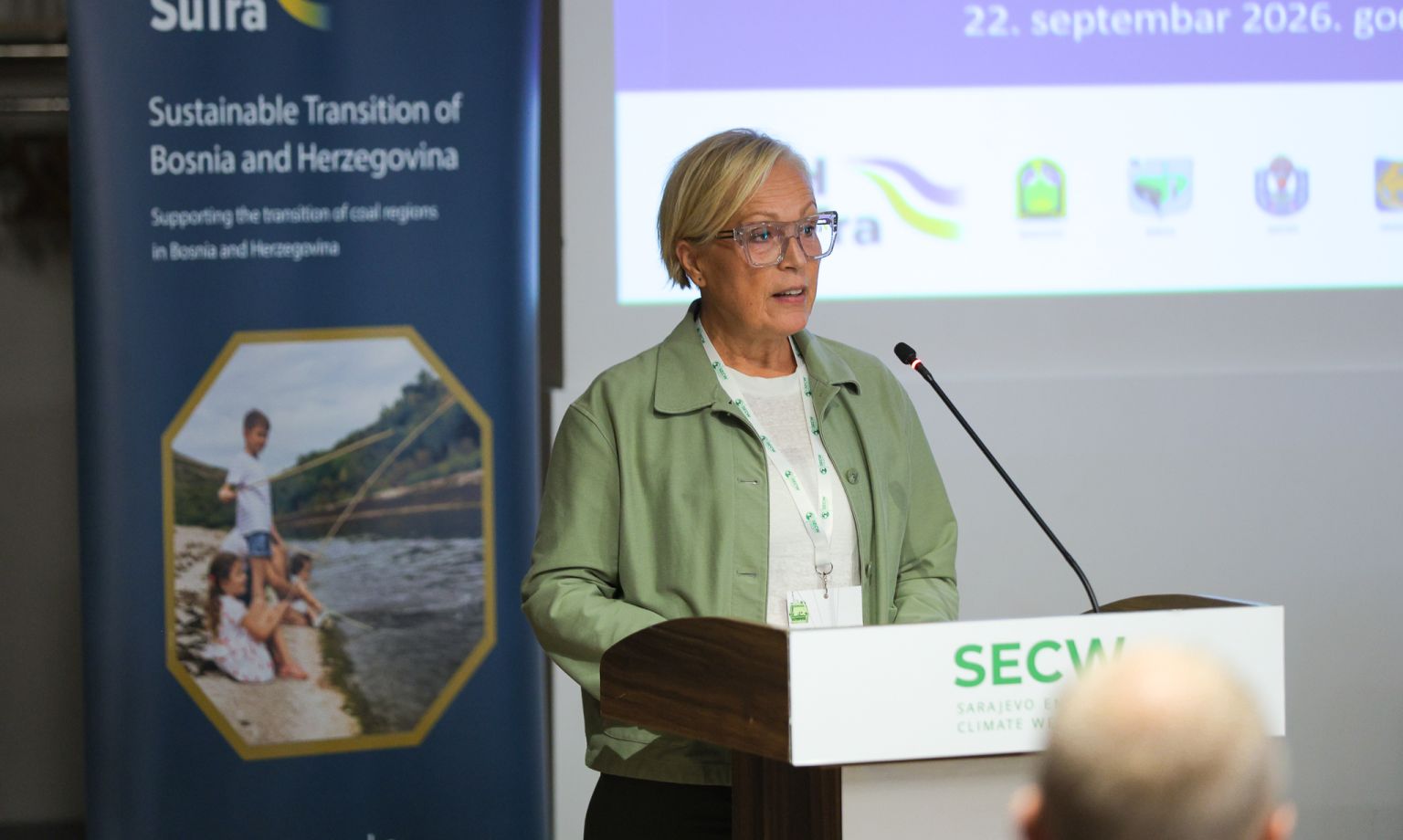
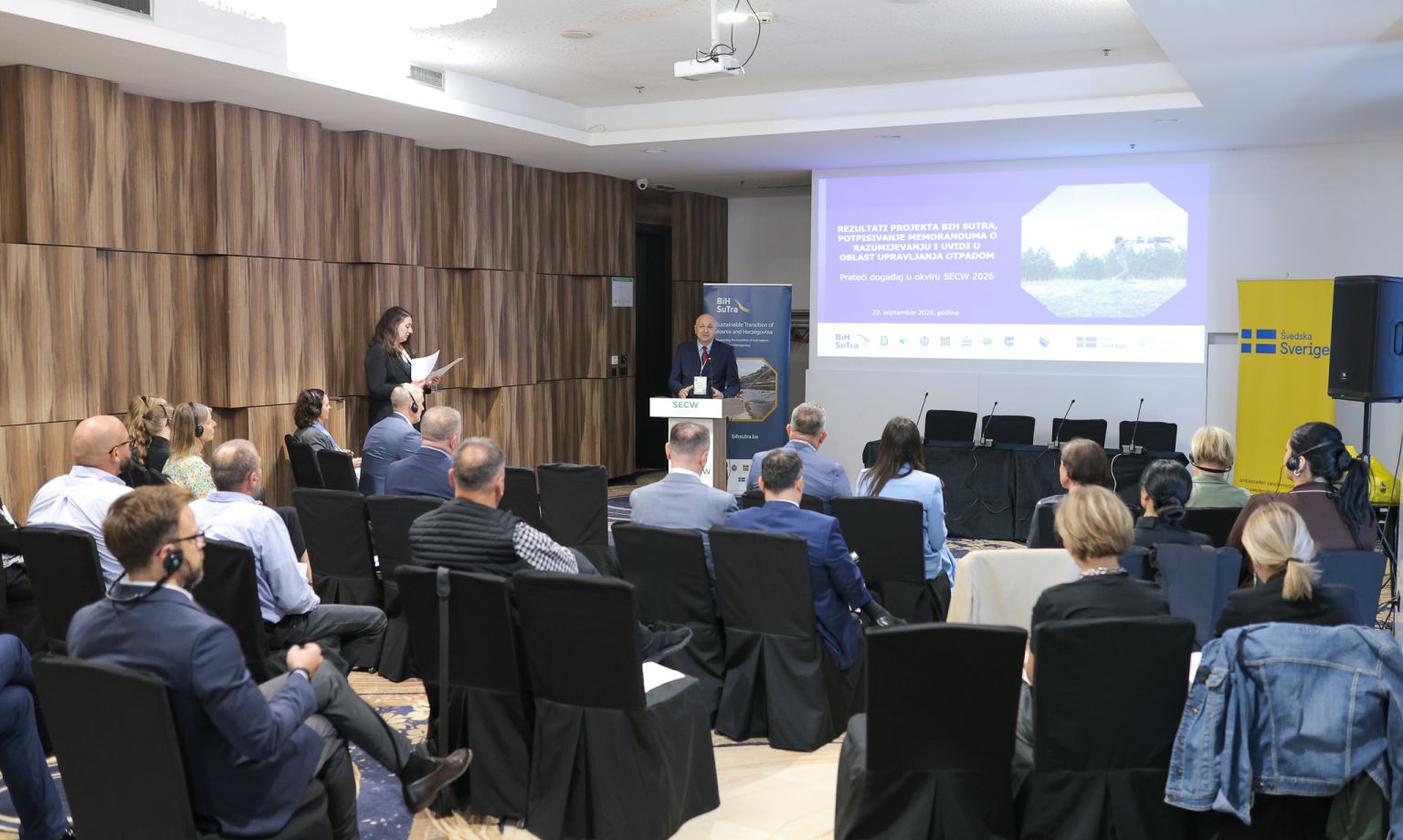
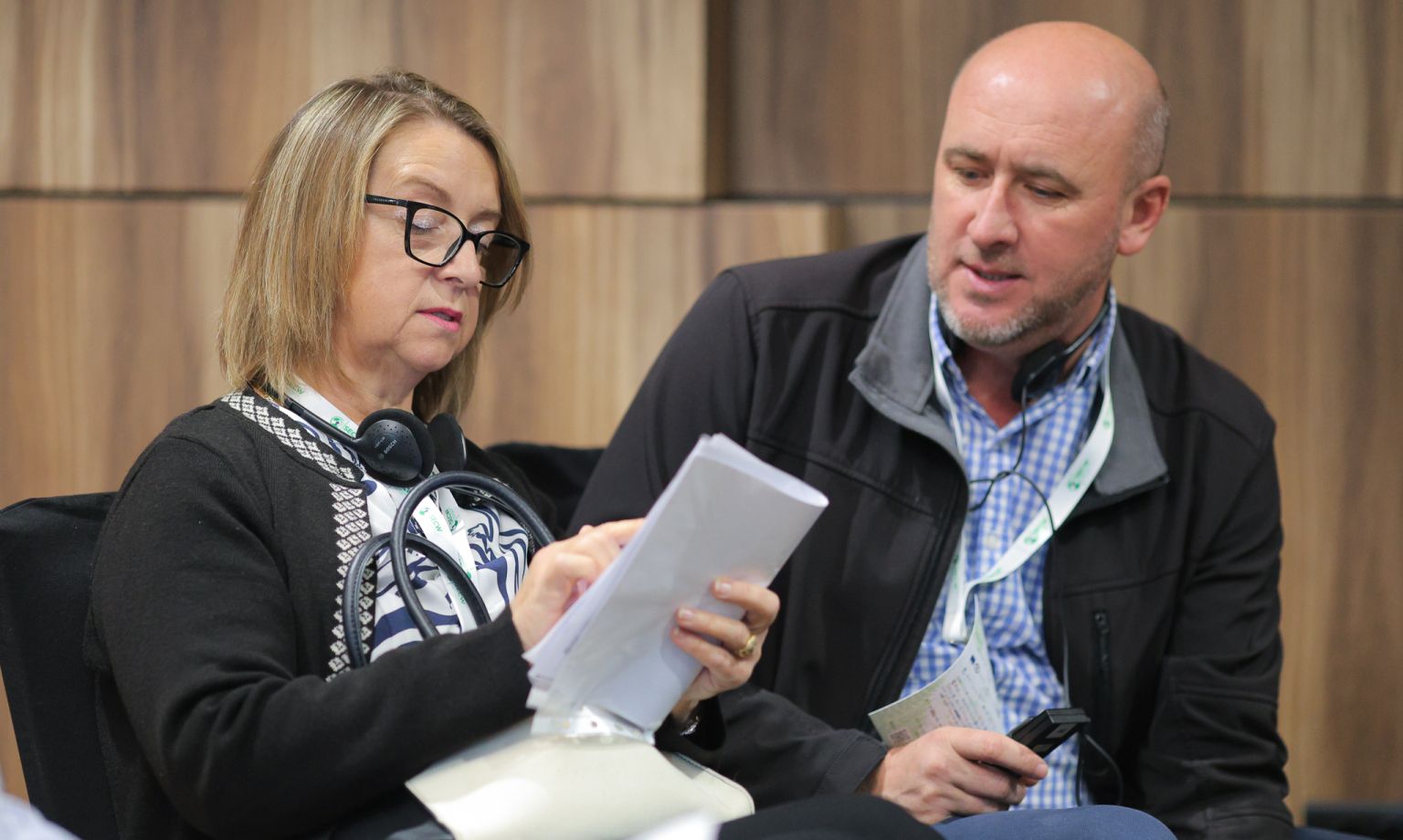
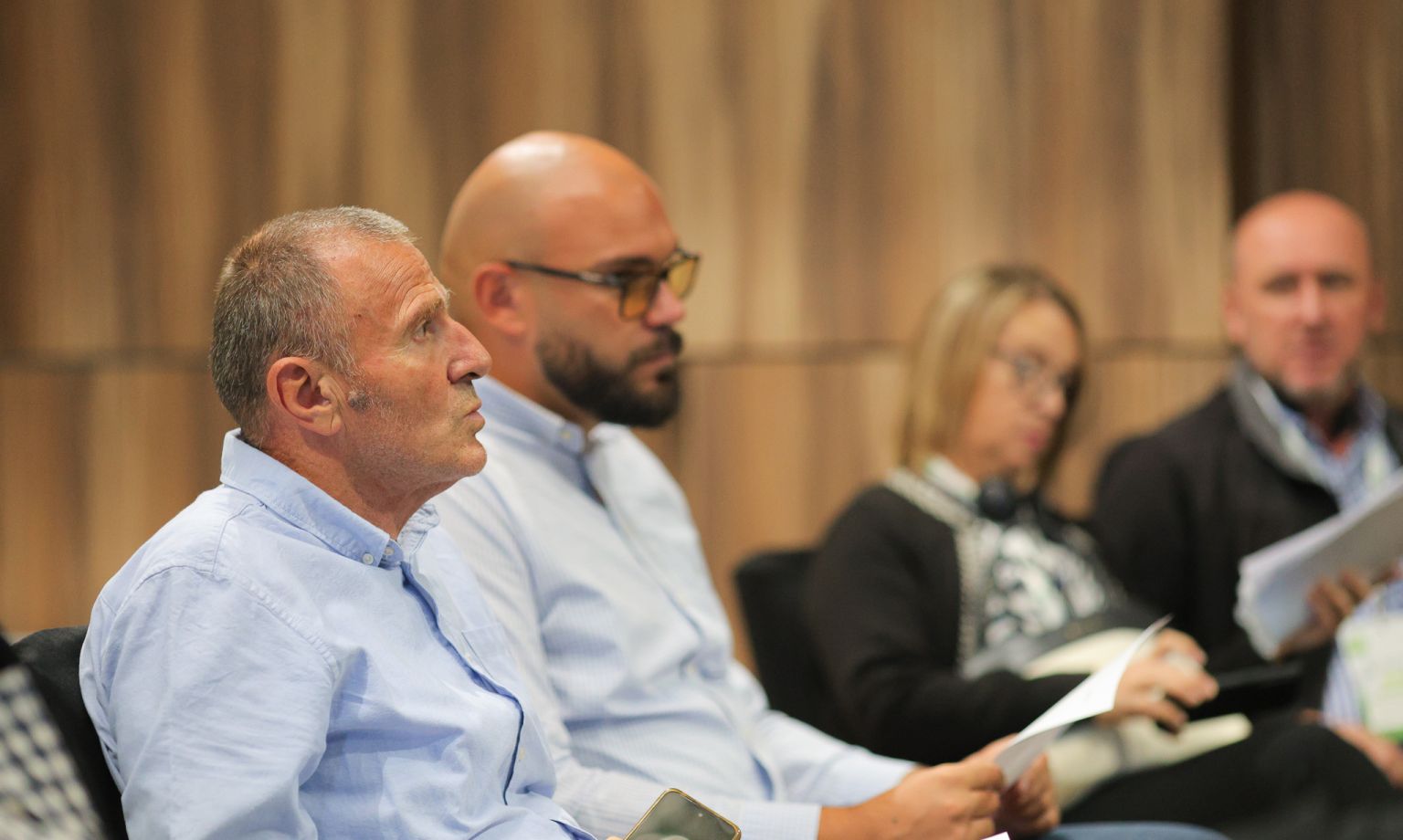
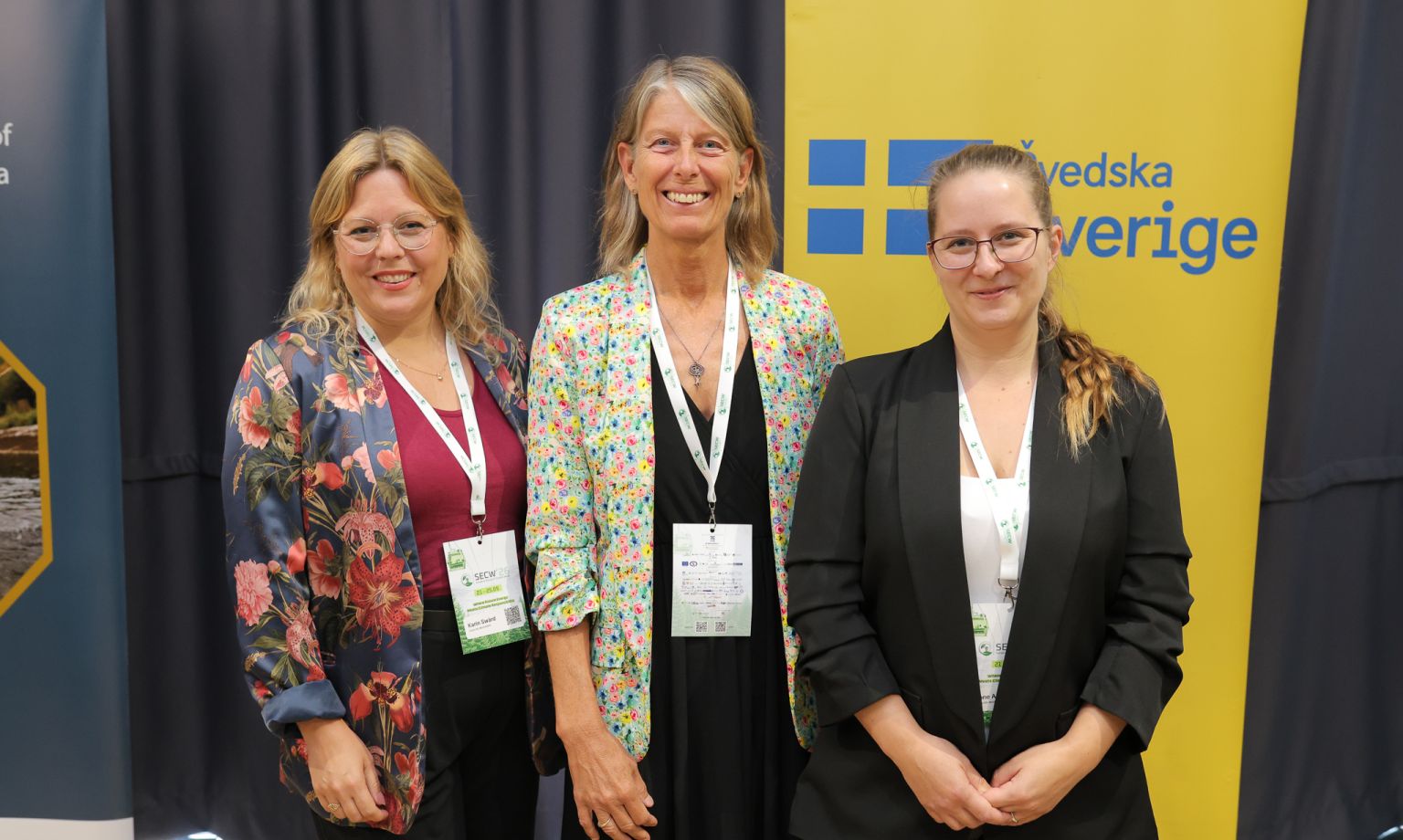
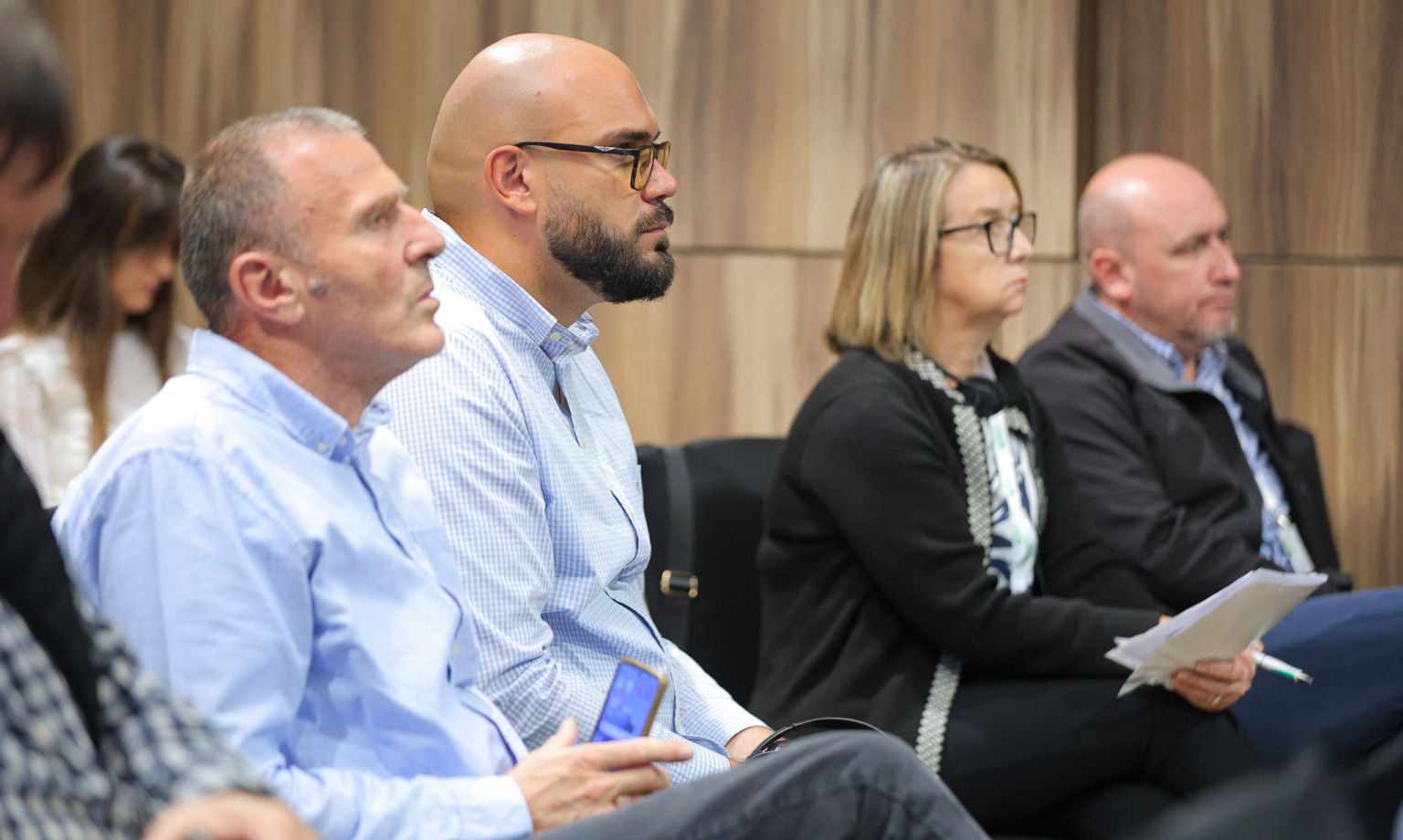
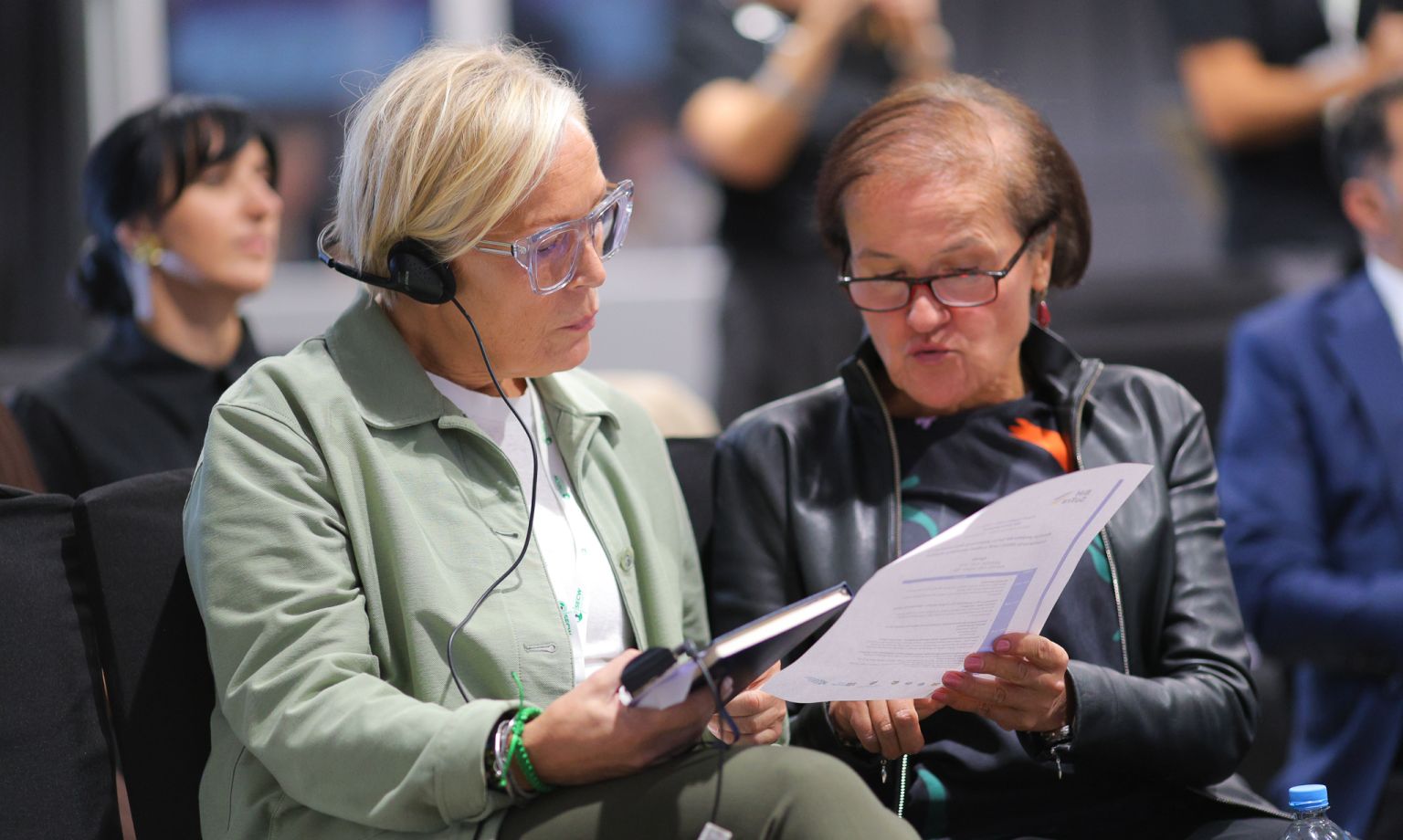
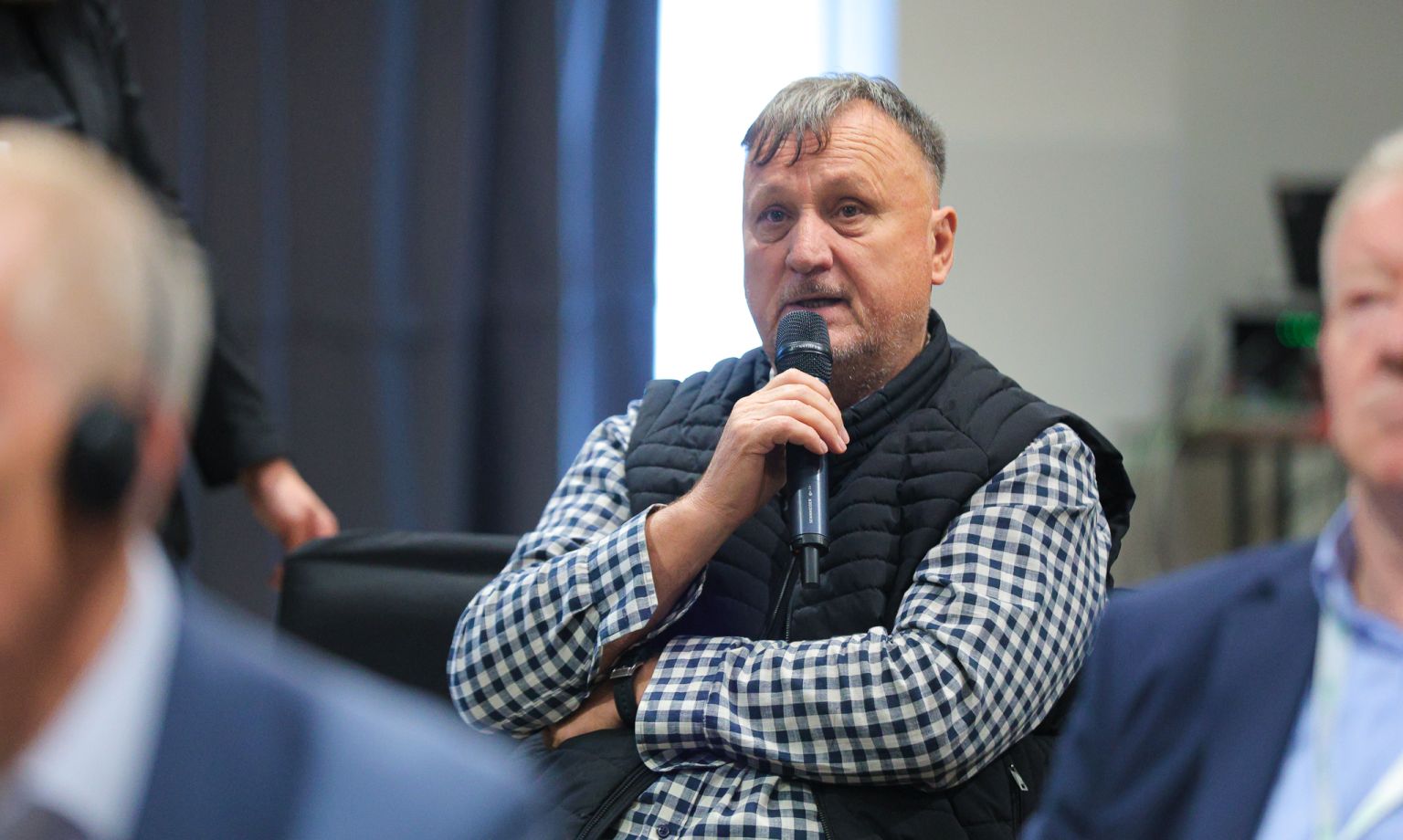
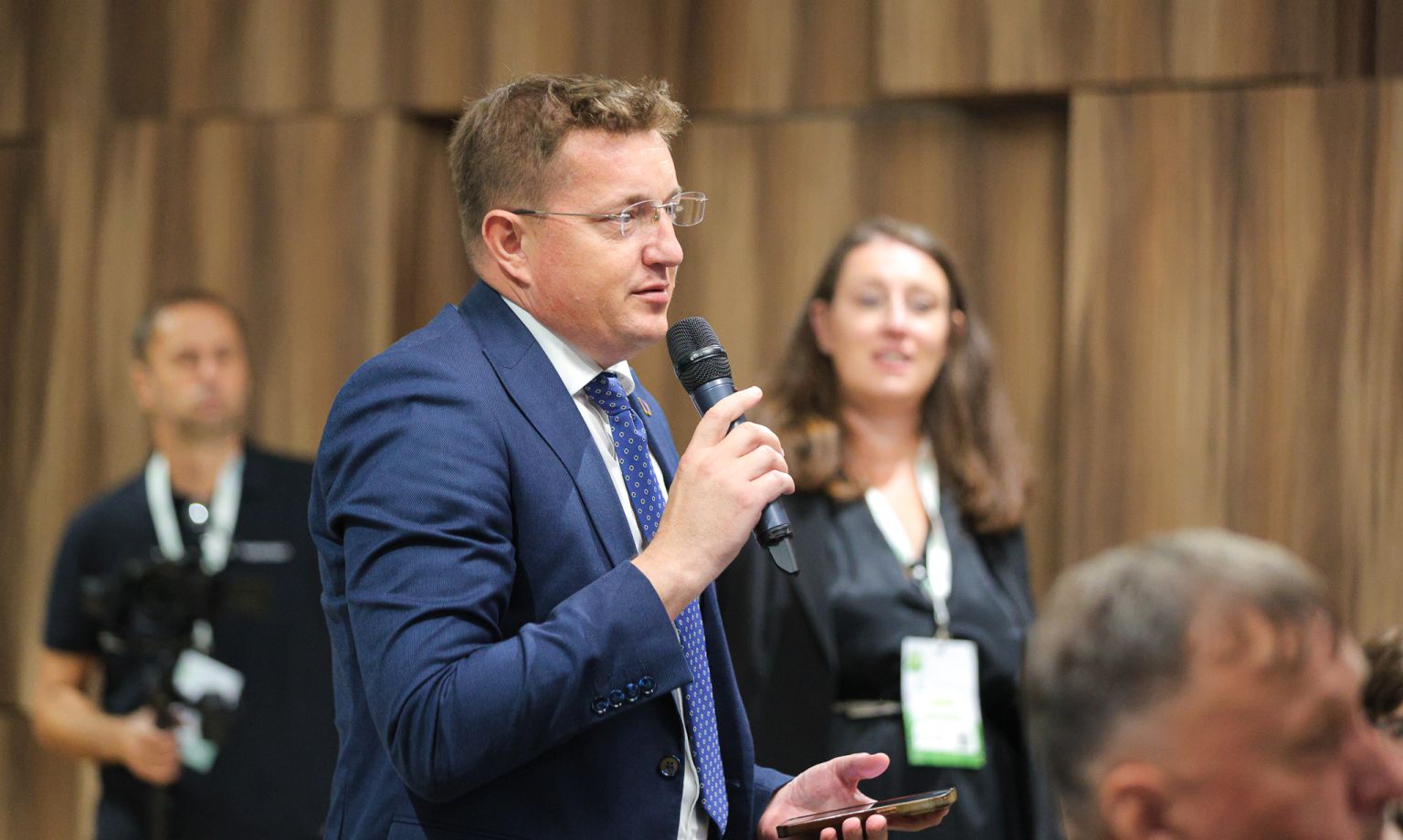
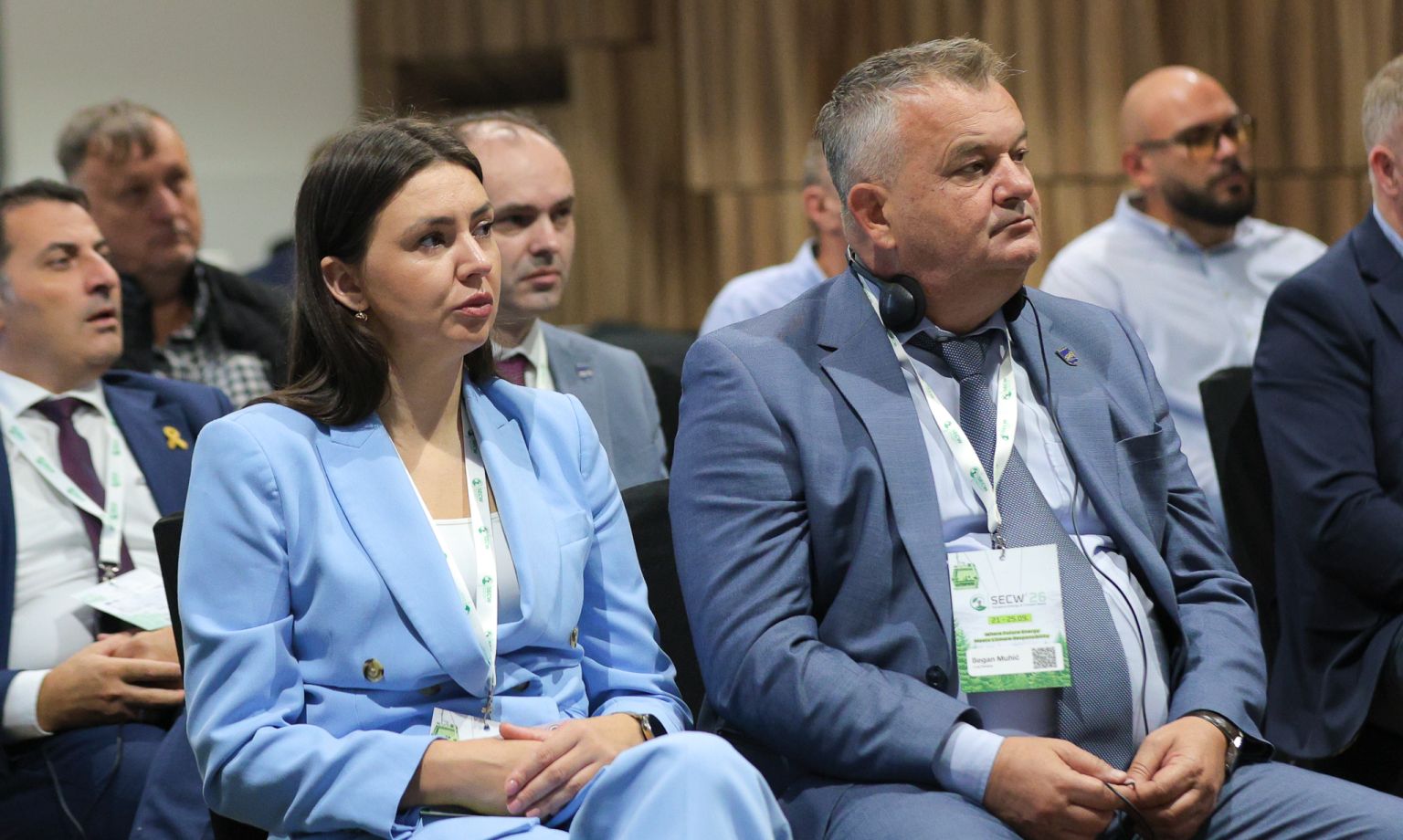
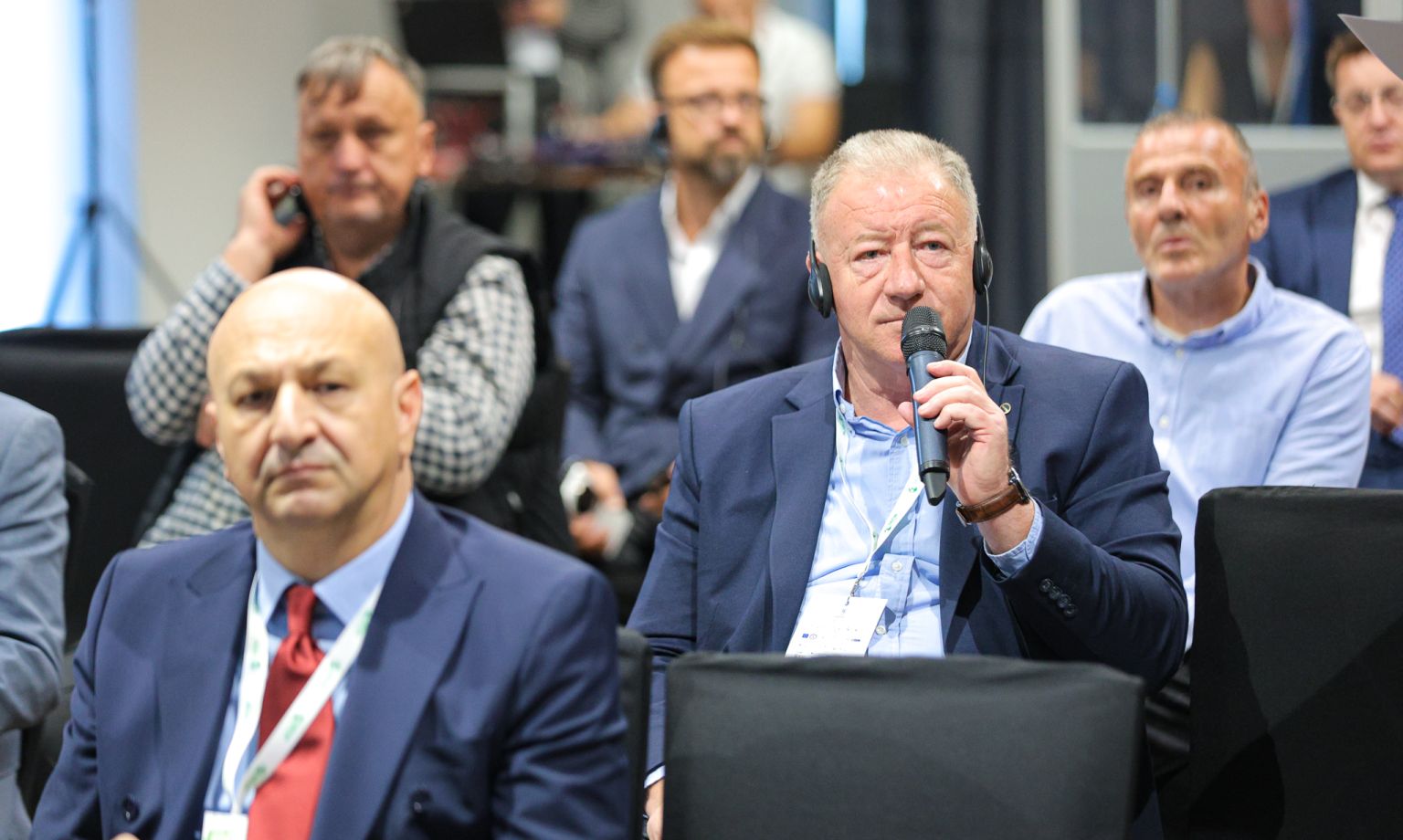
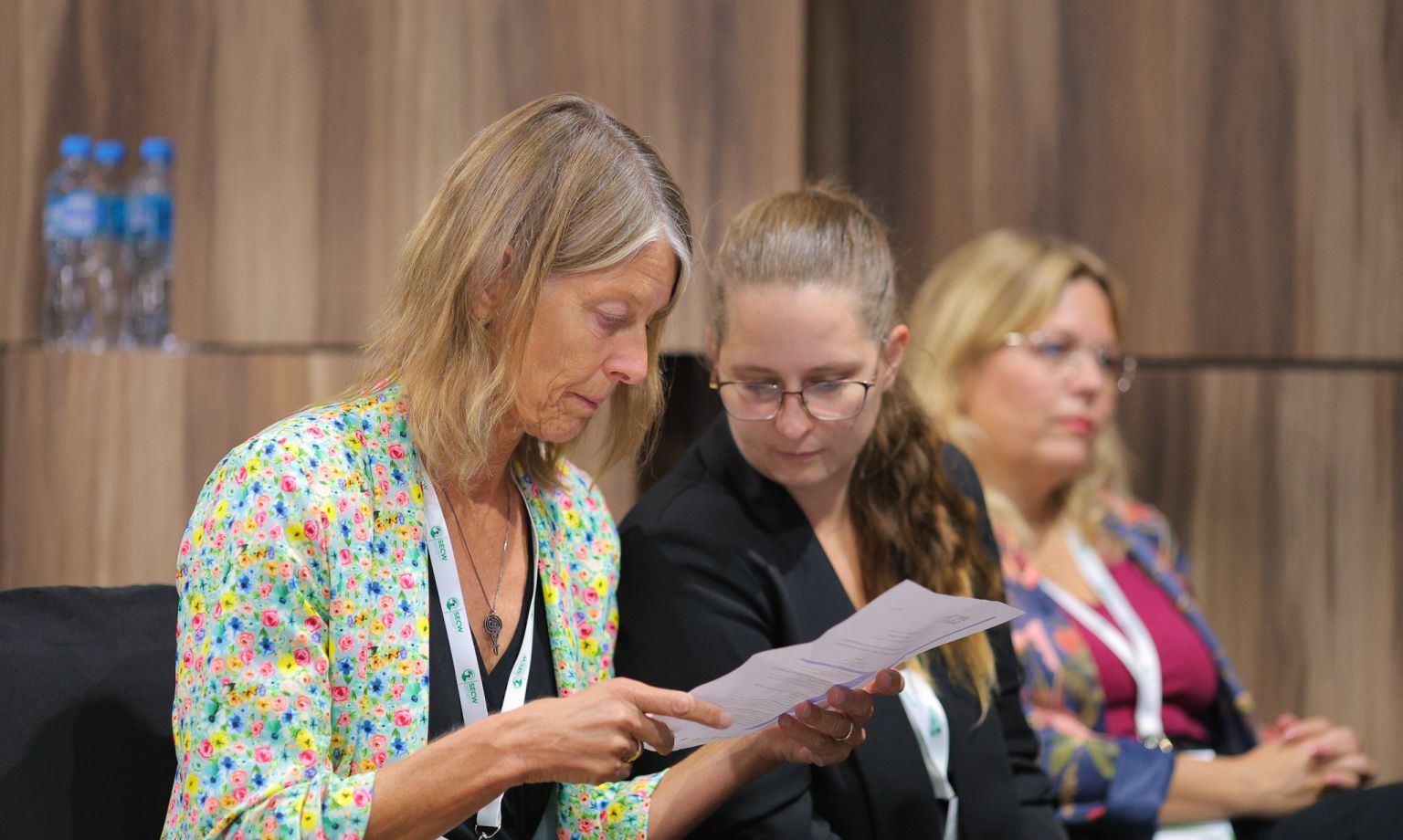
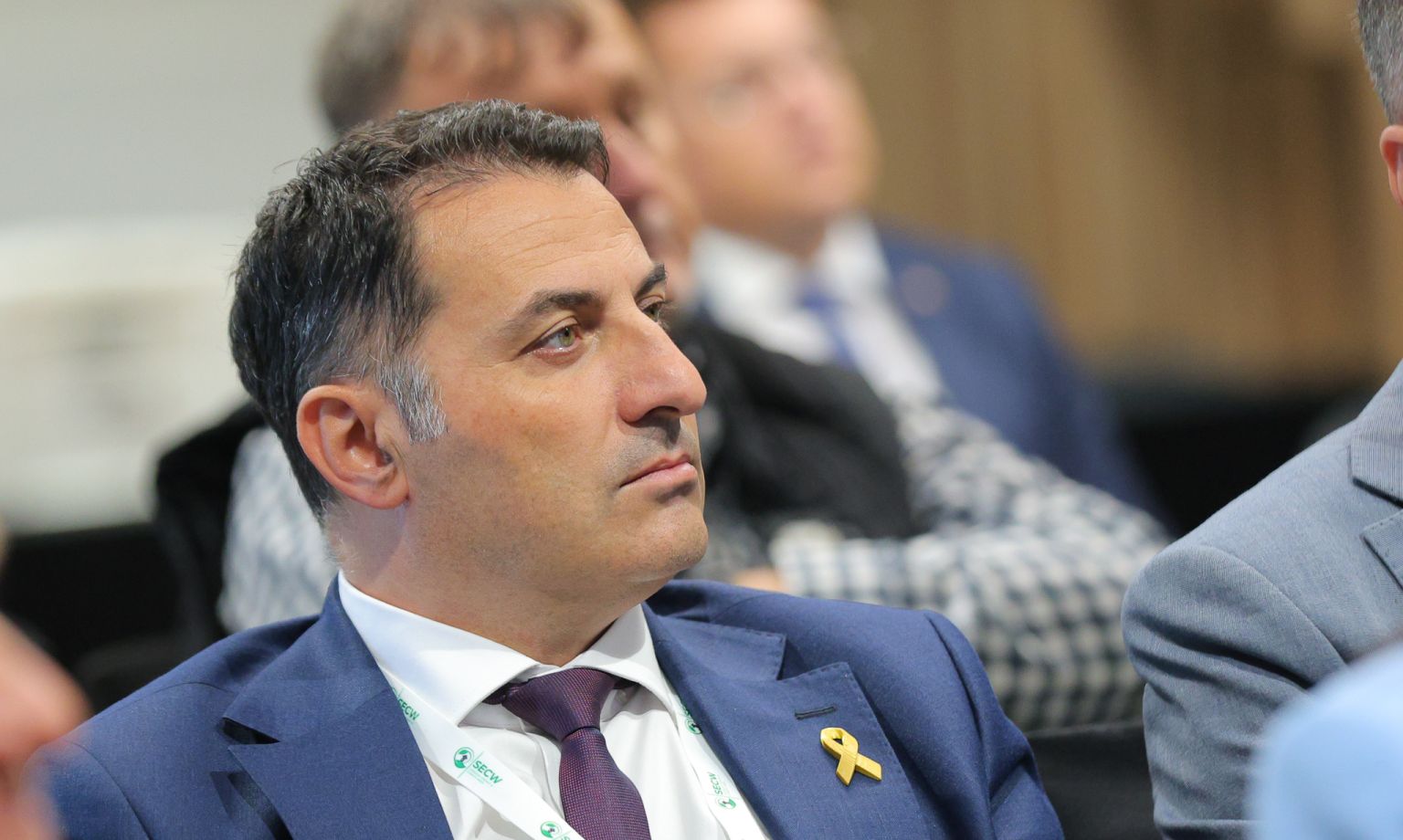
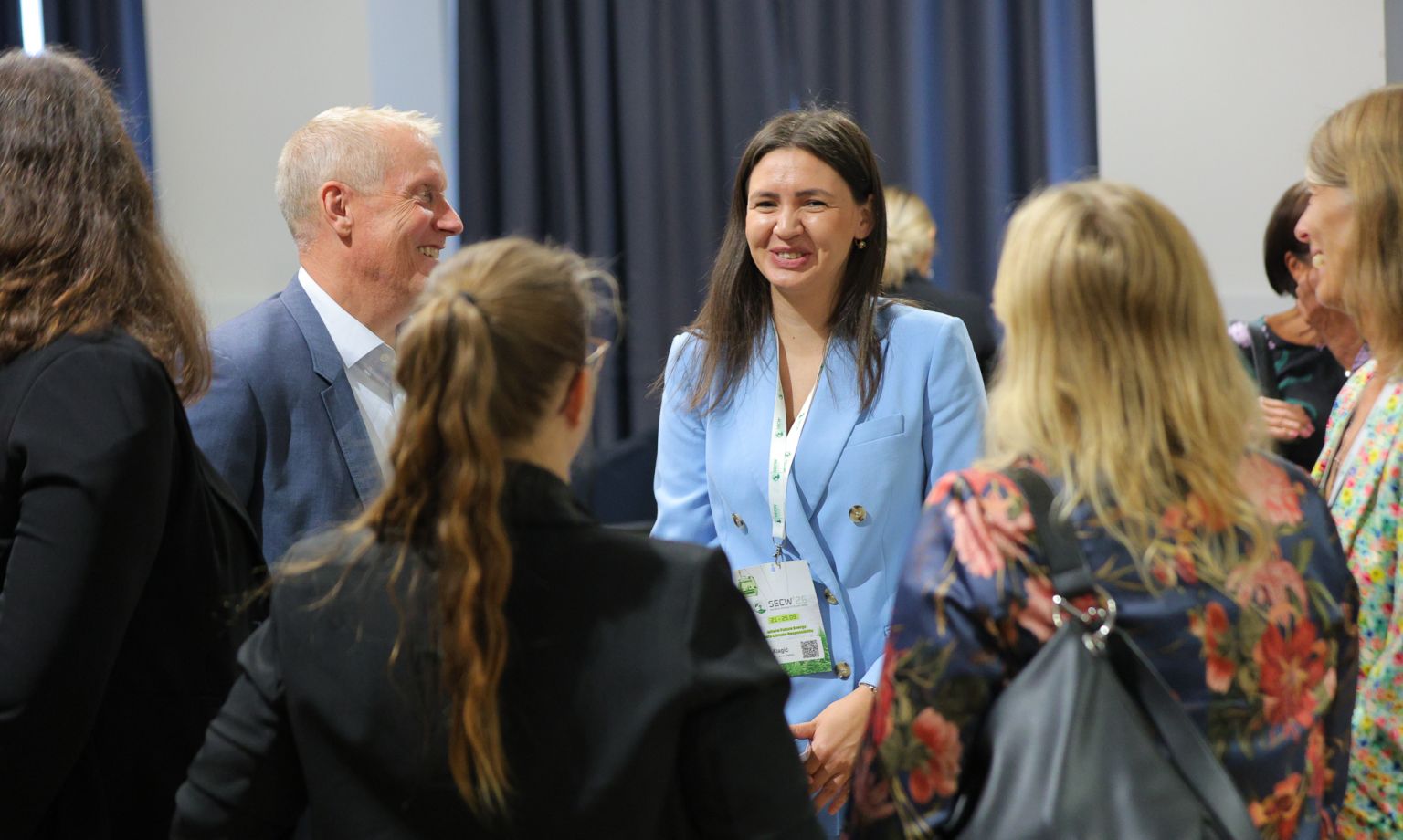
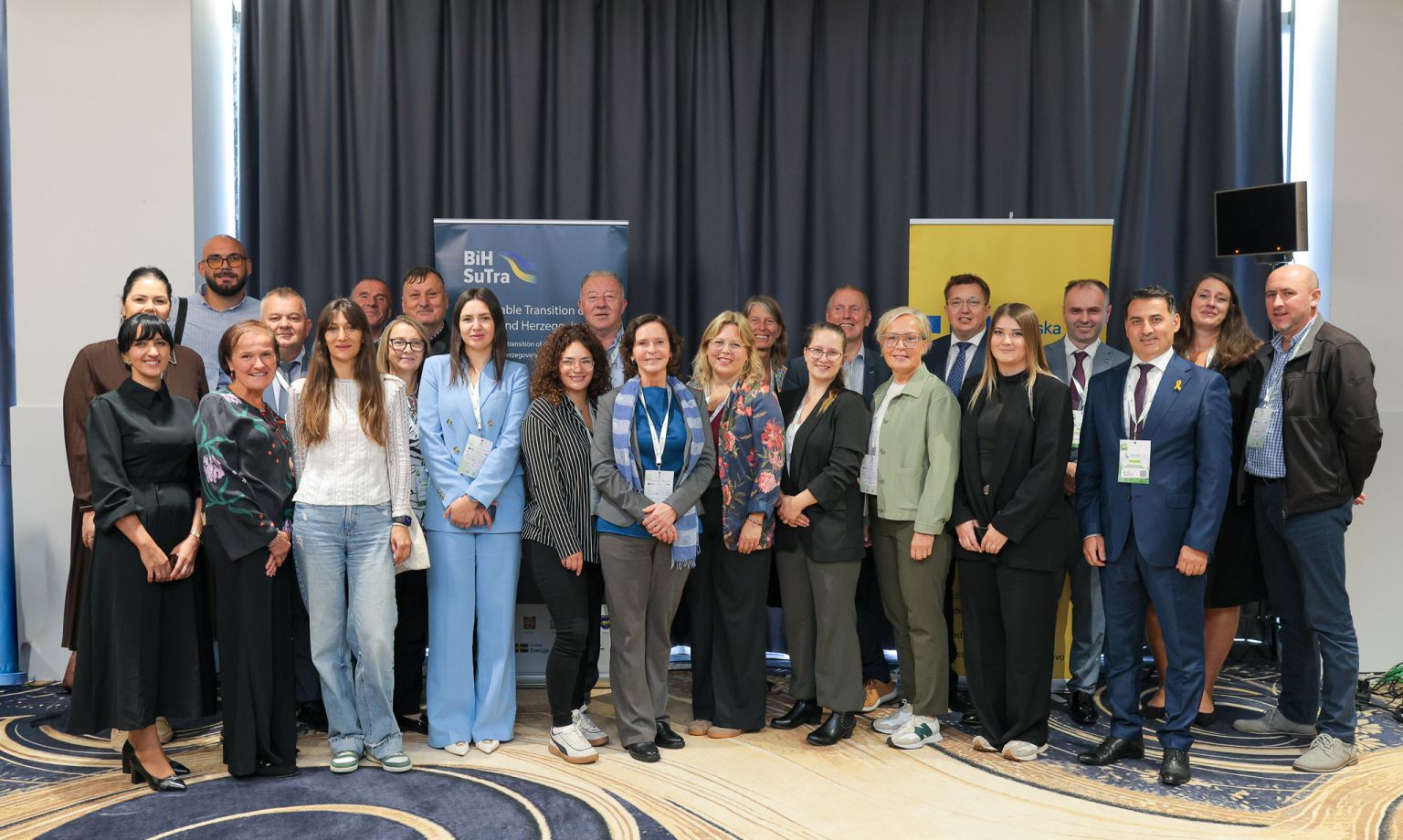
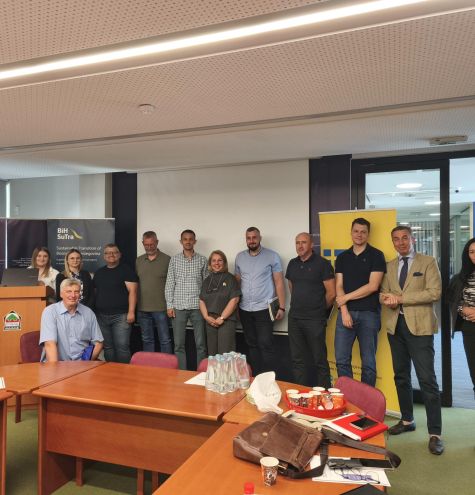
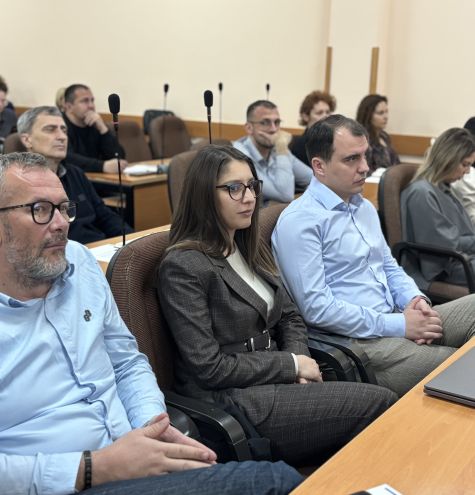
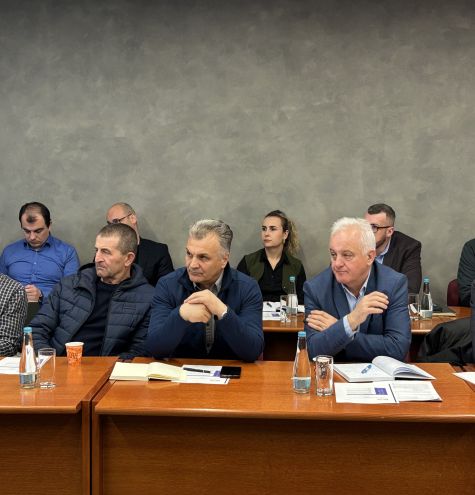
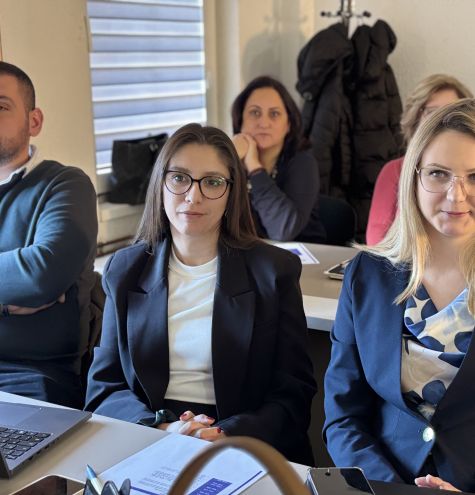
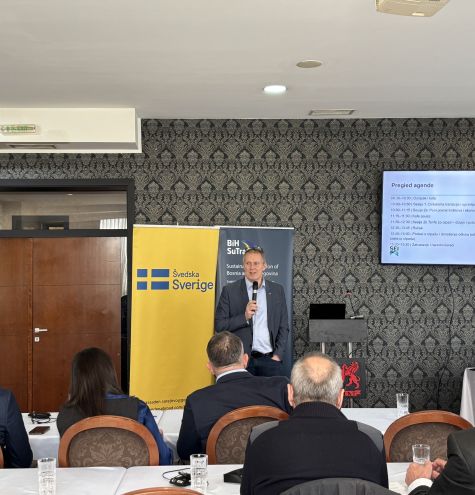
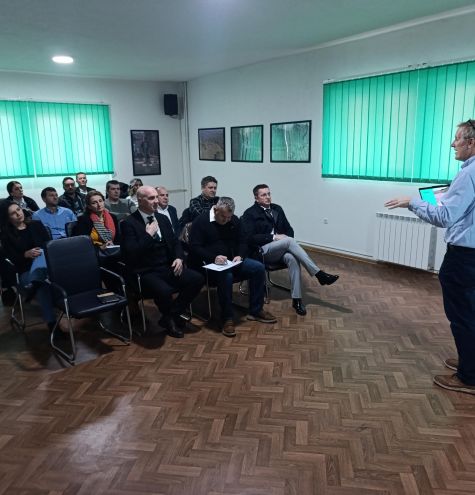
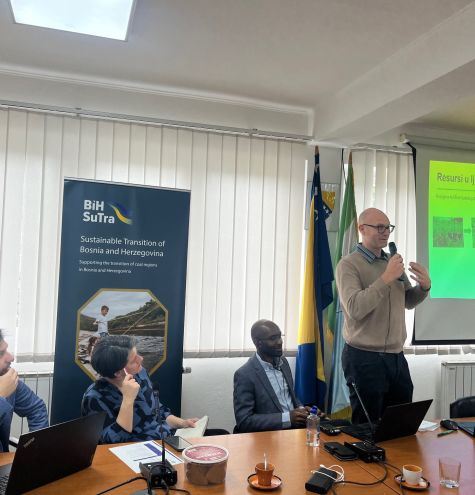
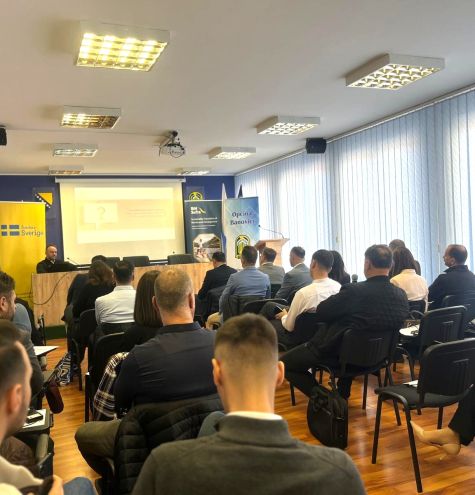
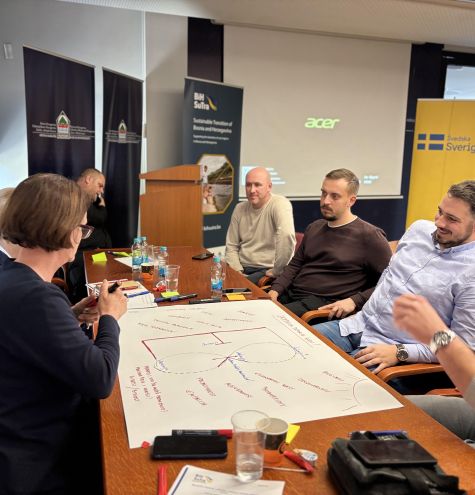
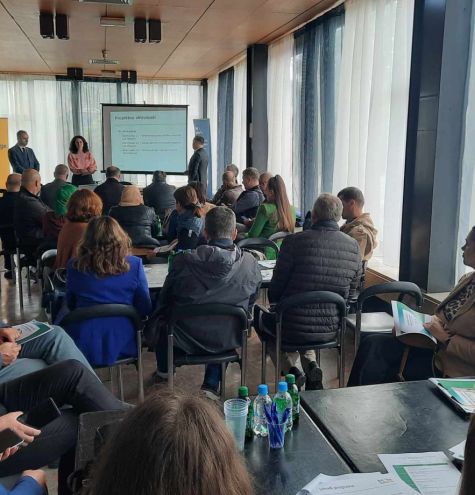
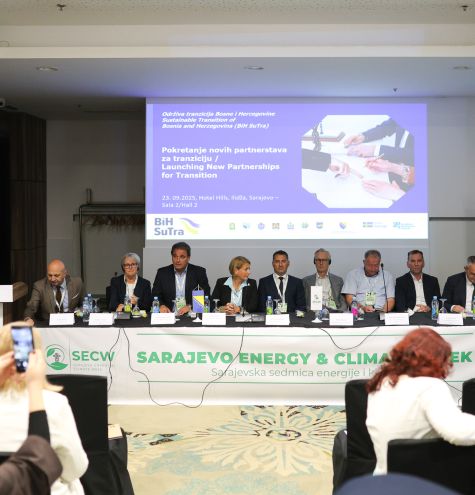
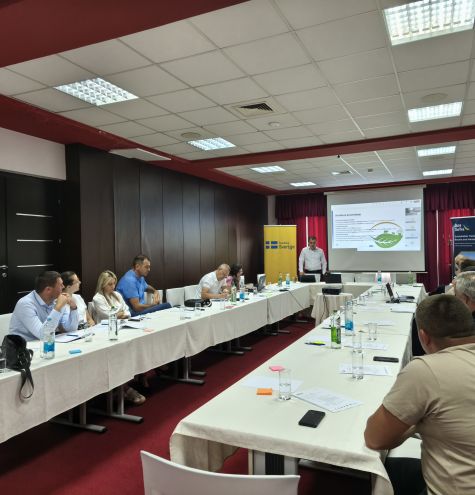
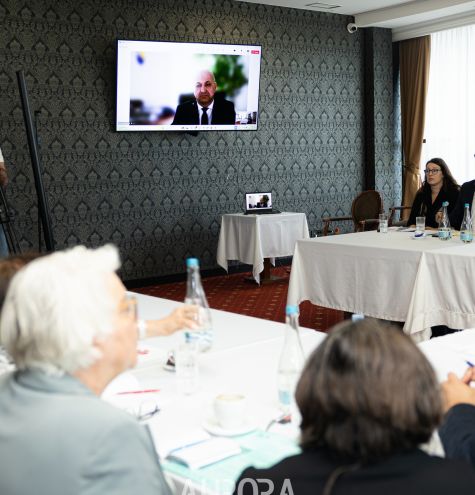
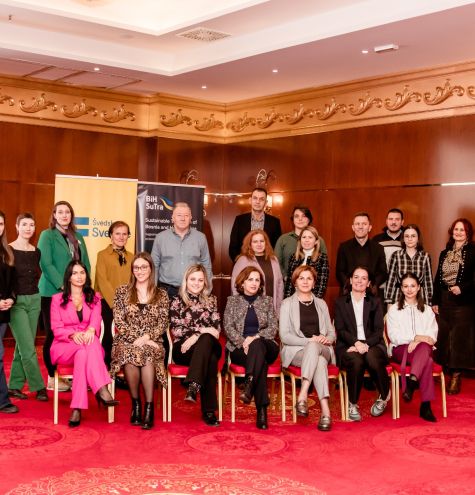
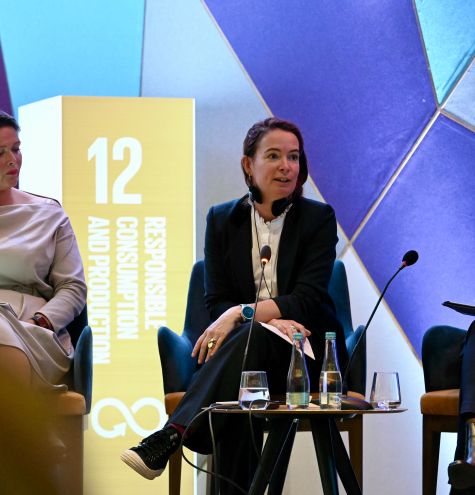
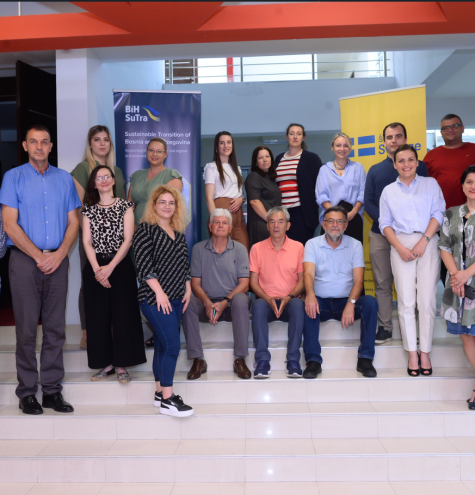
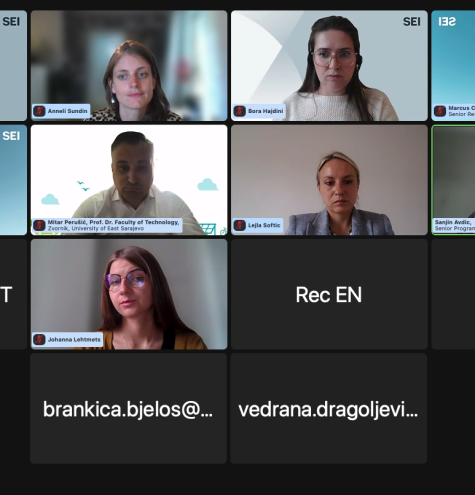
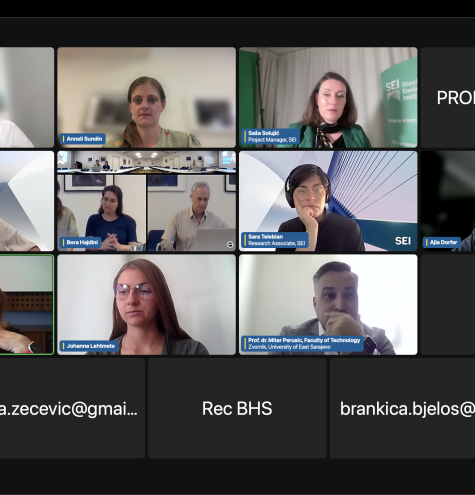
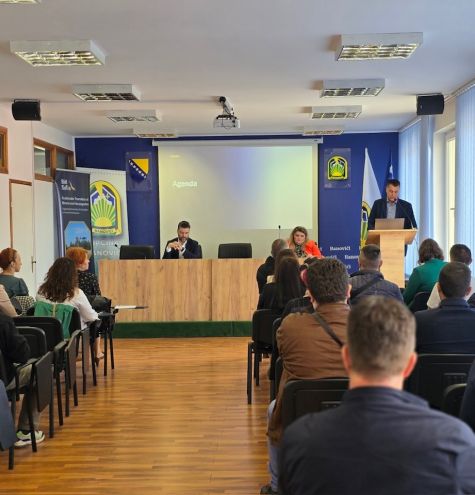
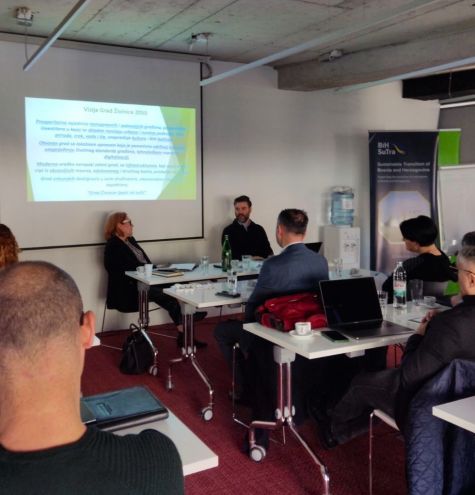
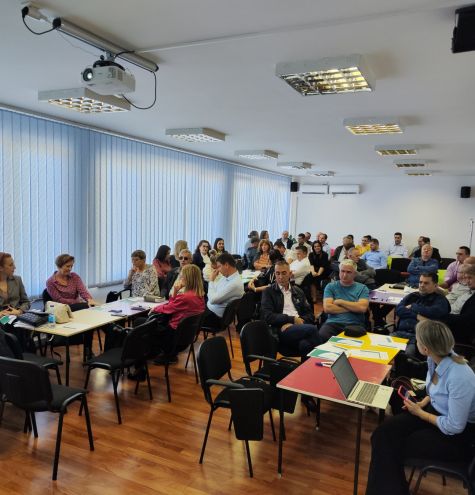
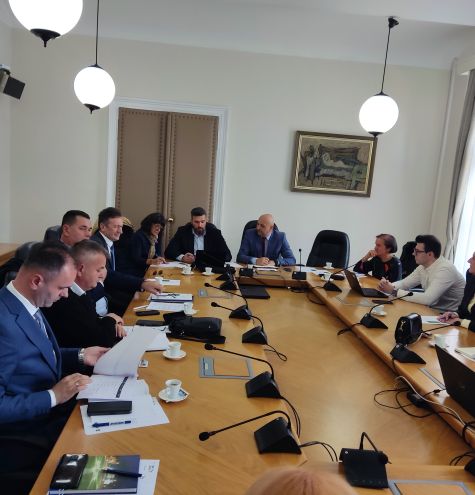
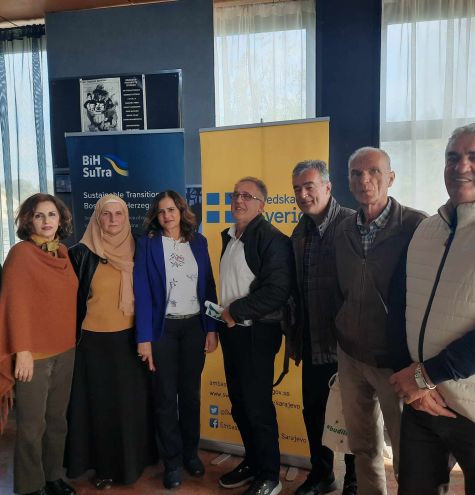
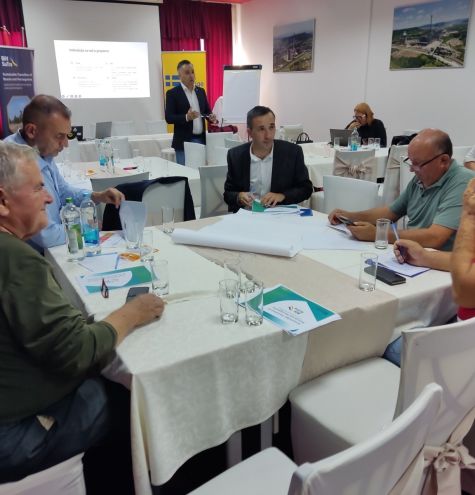
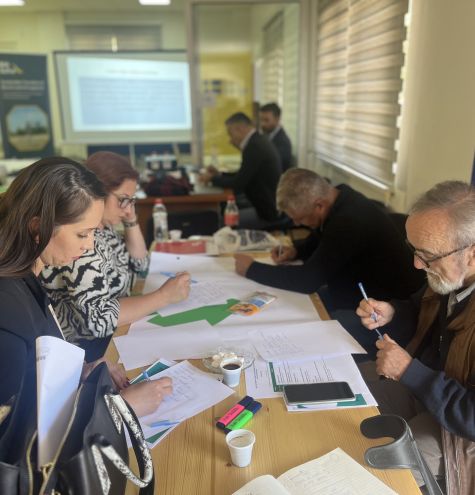
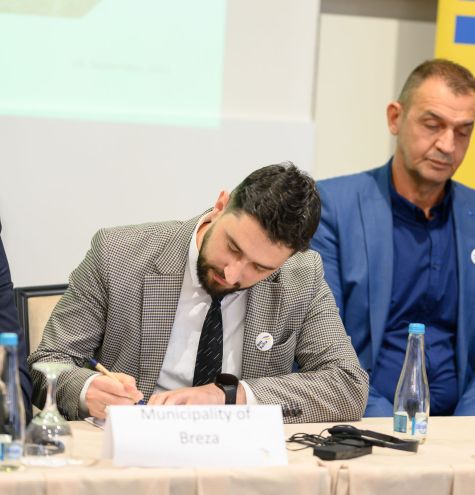
 Participants at the BiH SuTra project side event at SECW 2026. Photo: Jasmin Agović.
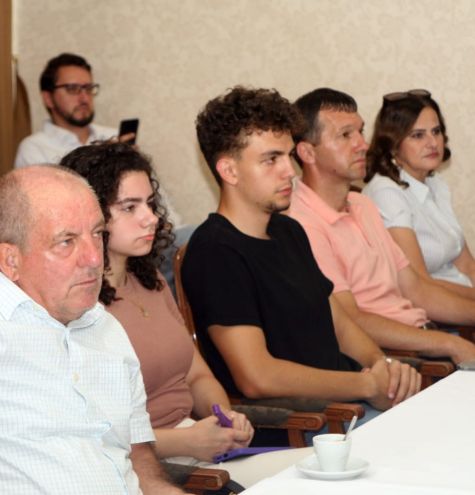
Participants at the BiH SuTra project side event at SECW 2026. Photo: Jasmin Agović.
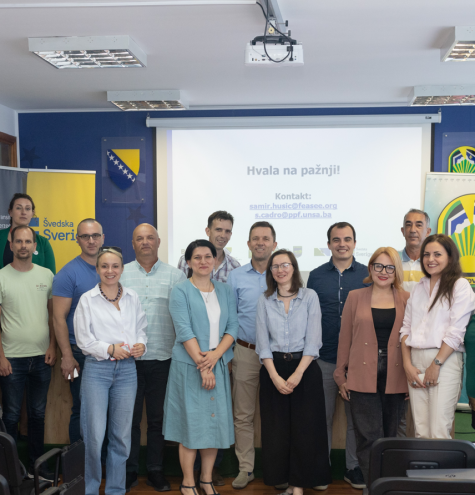
Participants at the BiH SuTra project side event at SECW 2026. Photo: Jasmin Agović.
How can local communities share ideas and turn their knowledge into real solutions for a more sustainable future? How can Sweden’s experience help communities in Bosnia and Herzegovina shape these solutions? These questions were central to the BiH SuTra side event during the Sarajevo Energy and Climate Week 2026 (SECW). The event gathered institutions, municipalities, and partners from Bosnia and Herzegovina and Sweden. They discussed practical ways to support sustainable local development, especially in waste management and circular economy.
A key moment was the signing of two Memorandum of Understanding (MoUs) between Norrköping Municipality in Sweden and the municipalities of Banovići and Živinice in Bosnia and Herzegovina. The signing created a framework for future cooperation and exchange. The event also included a presentation of a Waste Composition Study (WCS). This study aims to provide a stronger evidence base for planning and improving waste management services.
Representatives from the Ministry of Foreign Trade and Economic Relations of Bosnia and Herzegovina (MoFTER BiH), the Embassy of Sweden, the Stockholm Environment Institute (SEI), Norrköping Municipality and its municipal utility company Nodra AB, local governments, and other partners shared their experiences. They discussed how to adapt international knowledge to local needs and situations. Here is a digest.
Local action at the heart of the transition
Admir Softić, Assistant Minister at the Ministry of Foreign Trade and Economic Relations of Bosnia and Herzegovina, highlighted that local action is key to a sustainable transition: “BiH SuTra is an important example of what can be achieved through strong cooperation between institutions, local communities and international partners. I would like to thank the Swedish International Development Cooperation Agency (Sida) and SEI for their continued support and cooperation. The transition of local communities is a fundamental part of a just and sustainable transition, which is why it is particularly important that BiH SuTra works directly with the communities, helping them strengthen their capacities and develop solutions that respond to their specific needs.”
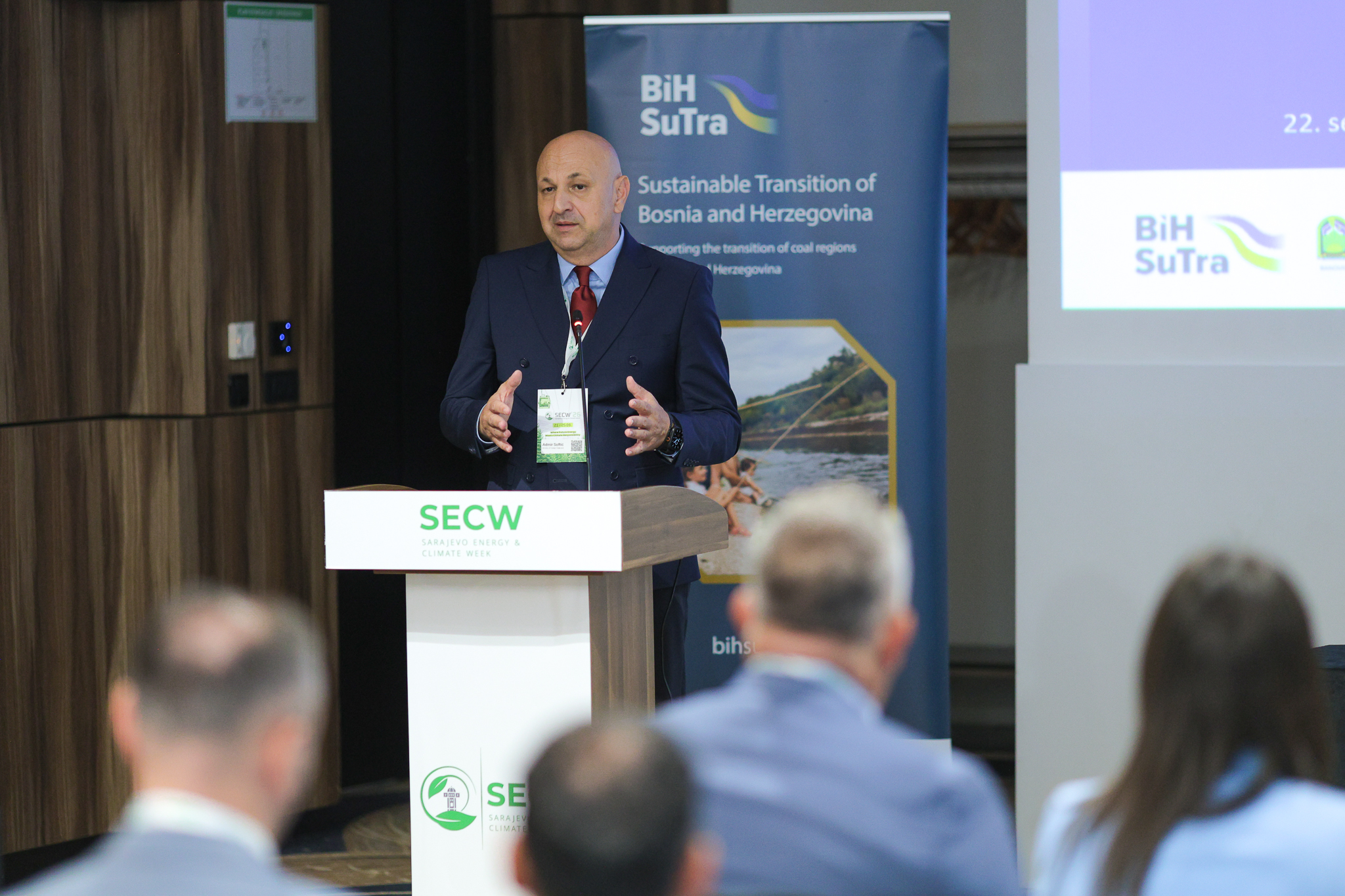
Admir Softić, Assistant Minister at the Ministry of Foreign Trade and Economic Relations of Bosnia and Herzegovina. Photo: Jasmin Agović.
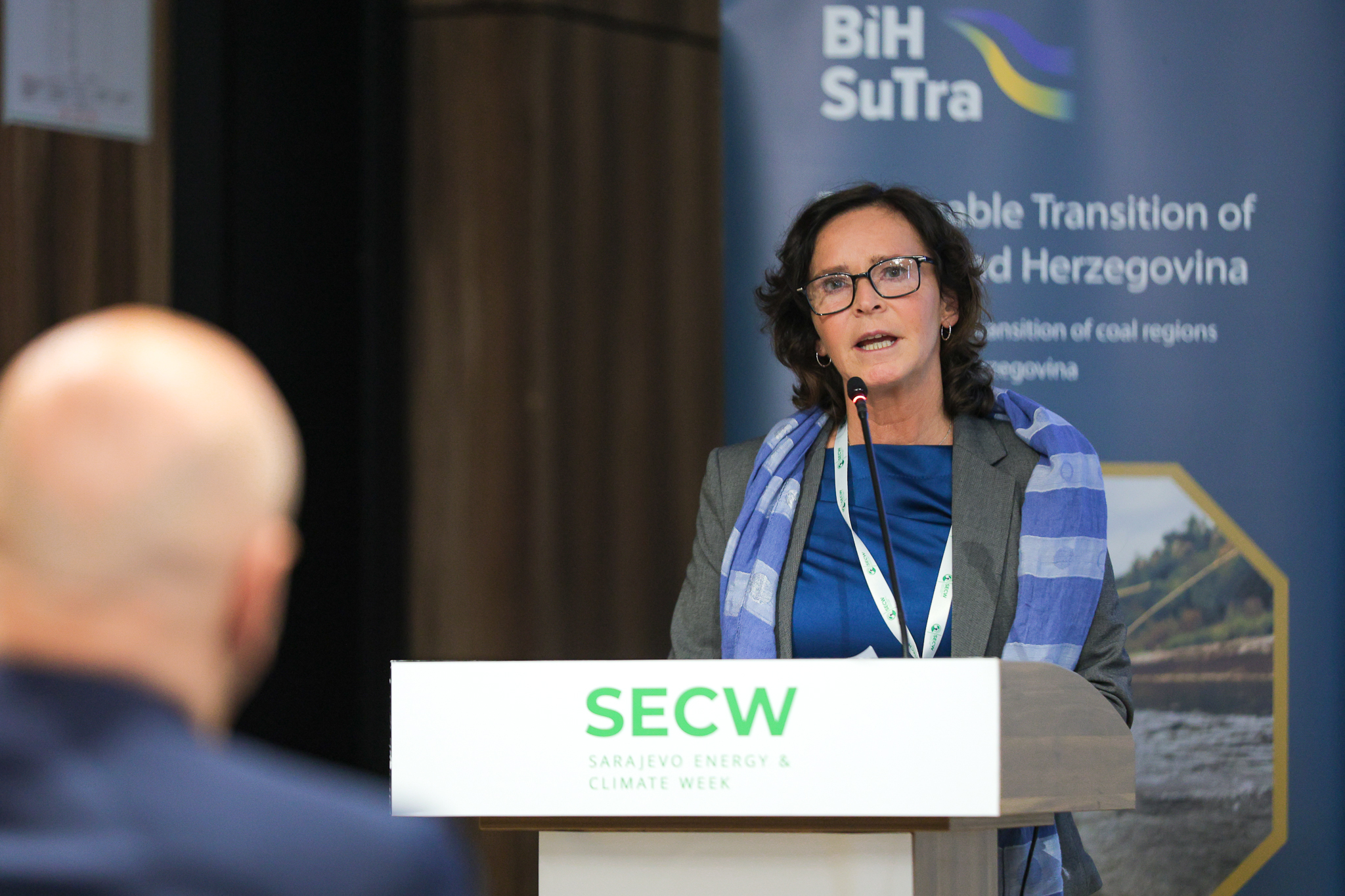
Åsa Gerger Swartling, Head of SEI’s Society, Climate and Policy Support Division. Photo: Jasmin Agović.
SEI aims to boost local skills and foster real exchange between Bosnian and Swedish partners. Åsa Gerger Swartling, Head of SEI’s Society, Climate and Policy Support Division, said, “Our work in Bosnia and Herzegovina is based on years of cooperation and strong ties with local institutions and stakeholders. Through BiH SuTra, we support coal-dependent regions in creating their own transition plans. We use a bottom-up approach, putting municipalities and communities at the centre of the process. Our goal goes beyond delivering reports. We aim to strengthen local capacities, support practical solutions, and help create a transition. This will open new opportunities and enhance living conditions. Sweden brings valuable experience, but not a blueprint. We see this as a two-way partnership, where Swedish and Bosnian municipalities can learn from each other and develop practical cooperation. We are grateful to all our partners and look forward to continuing this work together.”
Learning from Norrköping: From waste management to circular solutions
The new cooperation with Norrköping Municipality aims to go beyond signing the MoUs. It offers a way to share practical knowledge on waste management, circular economy, and sustainable local development. This lets Banovići and Živinice explore methods they can adapt to their own needs.
At the event, representatives from Norrköping and Nodra shared insights into the waste management system in Sweden. They discussed local planning, service delivery, and cooperation to enhance waste management and increase resource recovery.
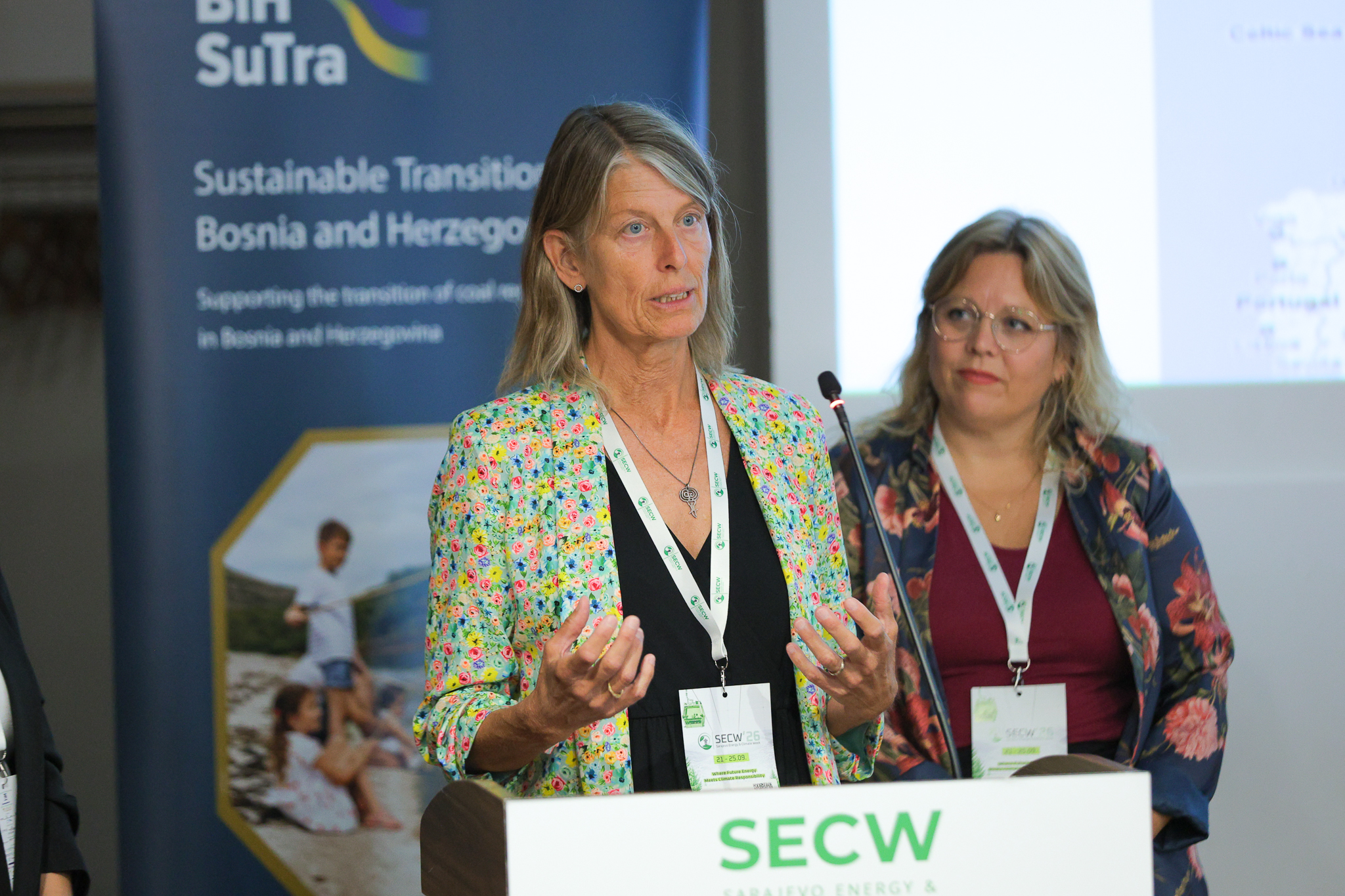
Karin Faxér, Environmental Strategist at Norrköping Municipality. Photo: Jasmin Agović.
Karin Faxér, an Environmental Strategist at Norrköping Municipality, stressed the need for clear local goals and teamwork. She said, “In Sweden, every municipality must have a waste management plan. Our current plan, adopted in 2024, sets out seven objectives and 32 activities for 2024–2028, with a strong focus on waste prevention and reduction. Through our exchange with Banovići and Živinice, we want to learn from each other and jointly explore practical solutions for waste prevention, recycling and more efficient use of resources. We view this partnership as a chance for shared learning and innovation. It can help us achieve sustainable development and strengthen local communities in both Sweden and Bosnia and Herzegovina.”
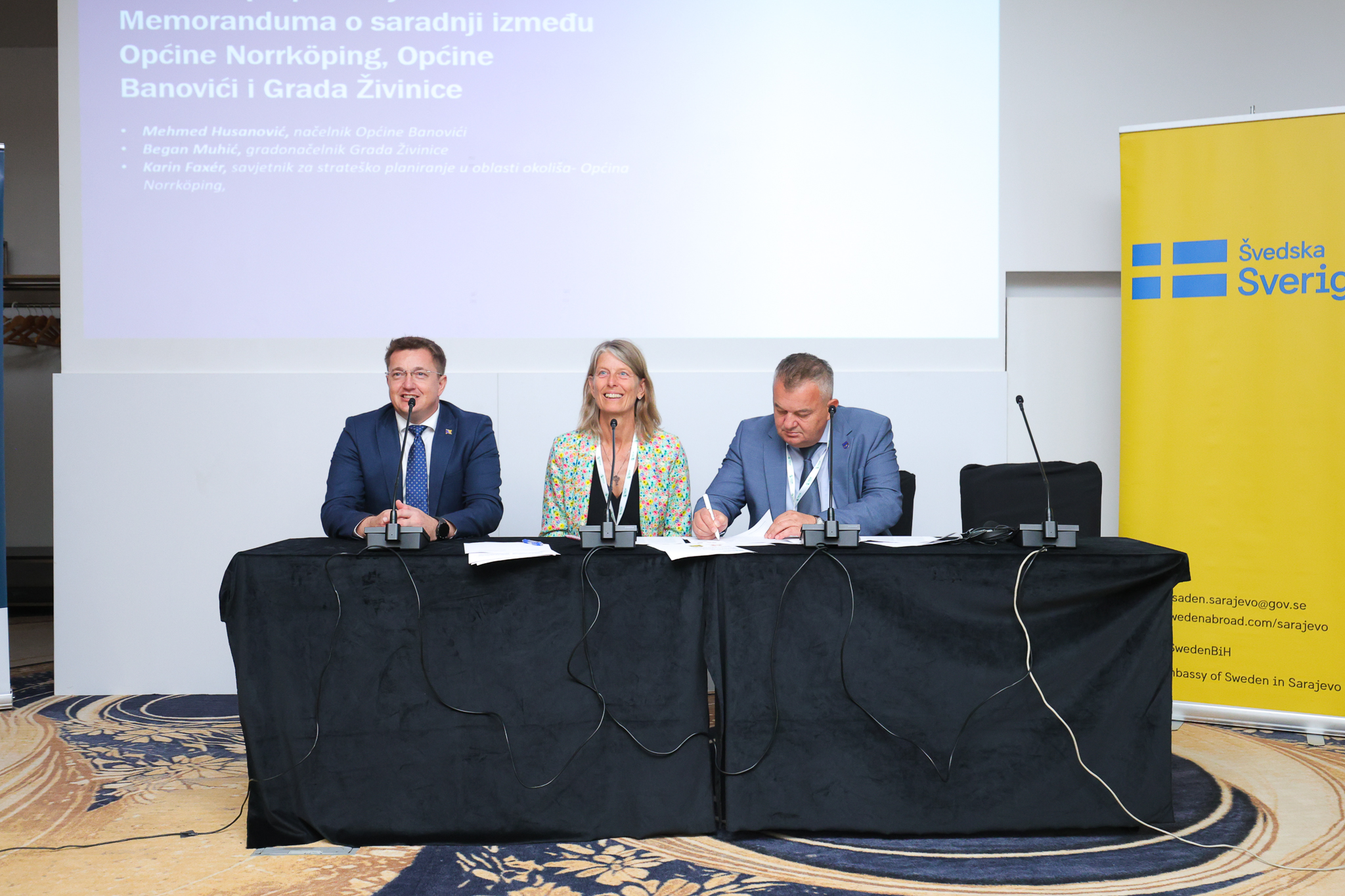
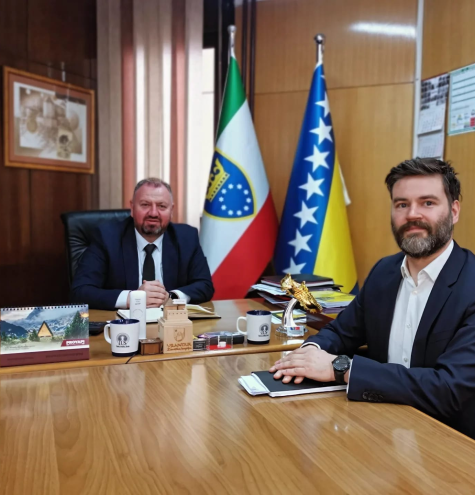
Signing of the MoU. From left to right: Mehmed Hasanović, Mayor of Banovići; Karin Faxér, Environmental Strategist at Norrköping Municipality; and Began Muhić, Mayor of Živinice. Photo: Jasmin Agović.
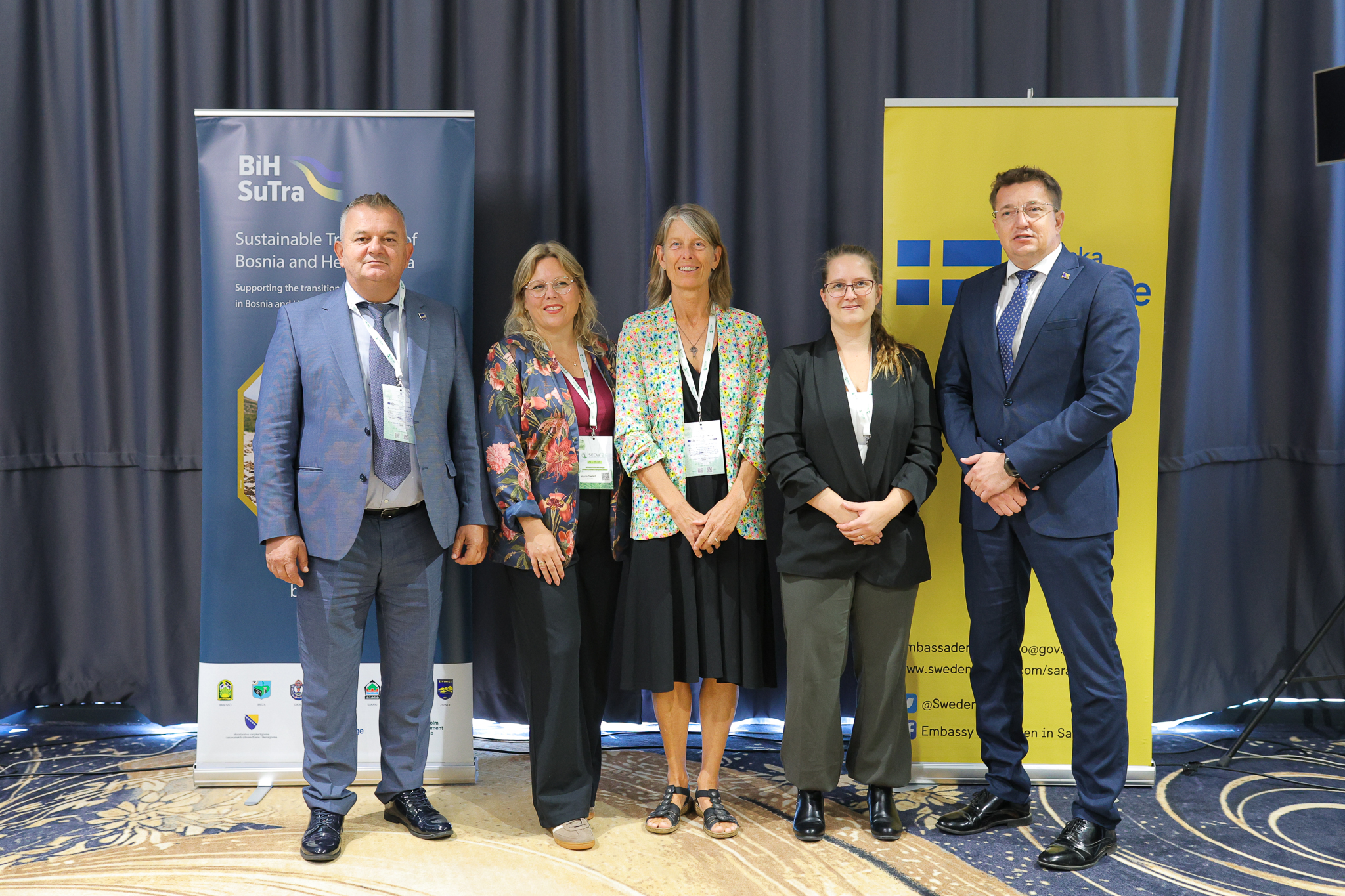
Mayors of Živinice and Banovići with representatives from Norrköping. Photo: Jasmin Agović.
Green transition ultimately must translate into concrete changes at the local level. Began Muhić, Mayor of Živinice underlined this in his address: “This is why our cooperation with Norrköping is particularly important to us. Sharing knowledge and experience in waste management, circular economy, and sustainable development can help us improve our approaches and find solutions that meet our citizens' needs,” said Mr. Muhić.
The Mayor of Banovići, Mehmed Hasanović, highlighted the partnership's practical value. He pointed out that working with Norrköping offers a chance to learn from Swedish methods. This could lead to better waste management services and more sustainable local development.
Turning data into better planning
Another key focus of the event was the Waste Composition Study (WCS). This study could help shape future waste management services provided by Eko-Sep. Eko-Sep manages waste for three local communities: Živinice, Banovići, and Kladanj.
Tomas Thernström, Senior Expert in Circular Economy and Waste Management at SEI, presented a study that offers a clearer approach to understand what municipal waste contains. This information is vital for planning future waste management systems.
"Knowing what waste is made of is key for making better management decisions." This initiative aims to create a clear method. It will help gather similar and trustworthy data from different municipalities. Previous waste studies in BiH have offered useful insights. However, different methods and waste categories have made it hard to compare and repeat the results. “The goal now is to shift from individual studies to a steady monitoring system. This will include regular sampling across municipalities and seasons, plus a shared method for data collection and quality assurance,” said Thernström.
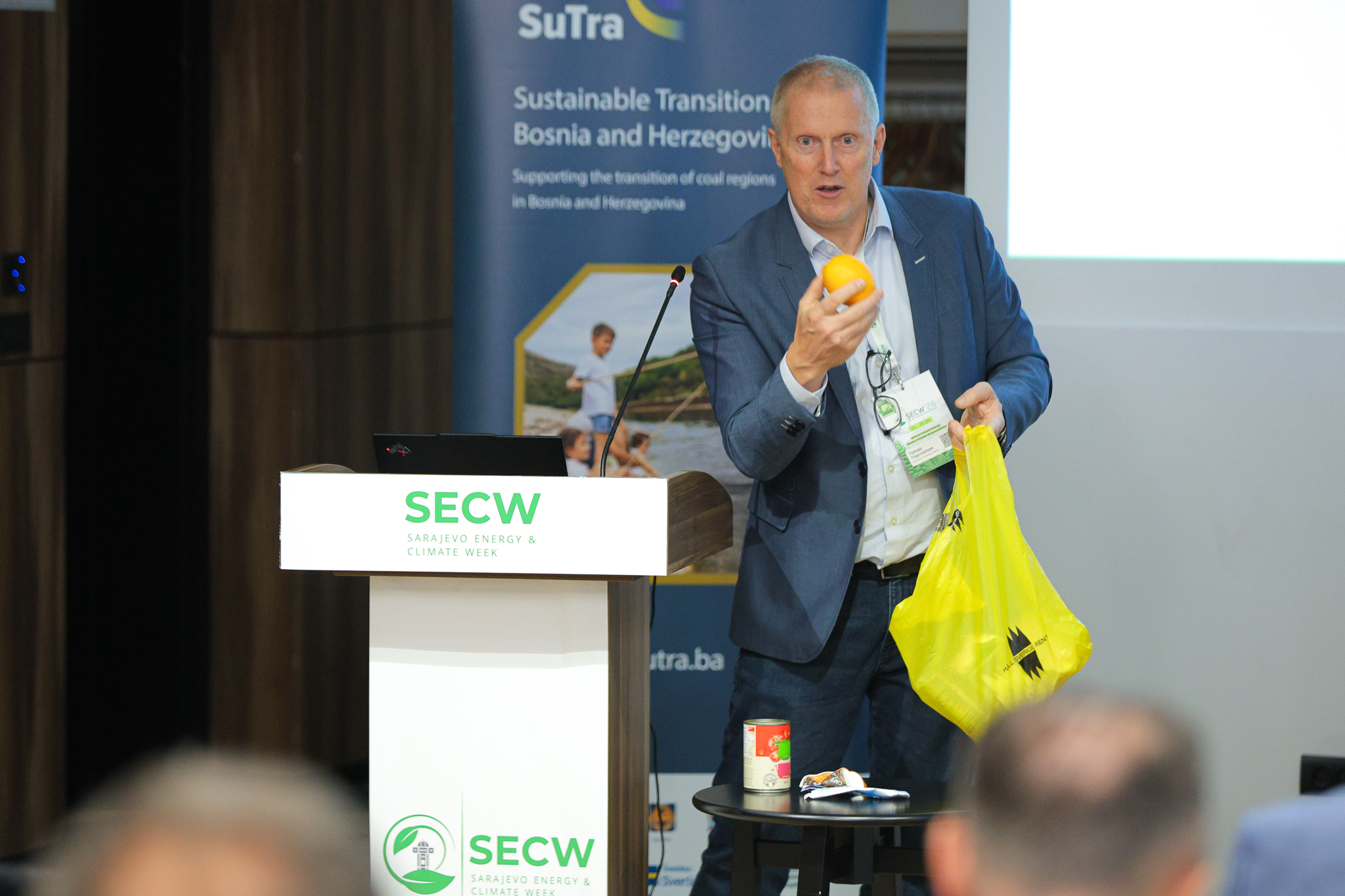
Tomas Thernström, Senior Expert in Circular Economy and Waste Management at SEI, showcasing different types of waste. Photo: Jasmin Agović.
The study looks at municipal waste composition. It helps local stakeholders find ways to prevent waste, collect separately, sort, recycle, compost, and recover resources. Reliable data can support decisions on infrastructure and investment. It shows where improvements can make the biggest difference.
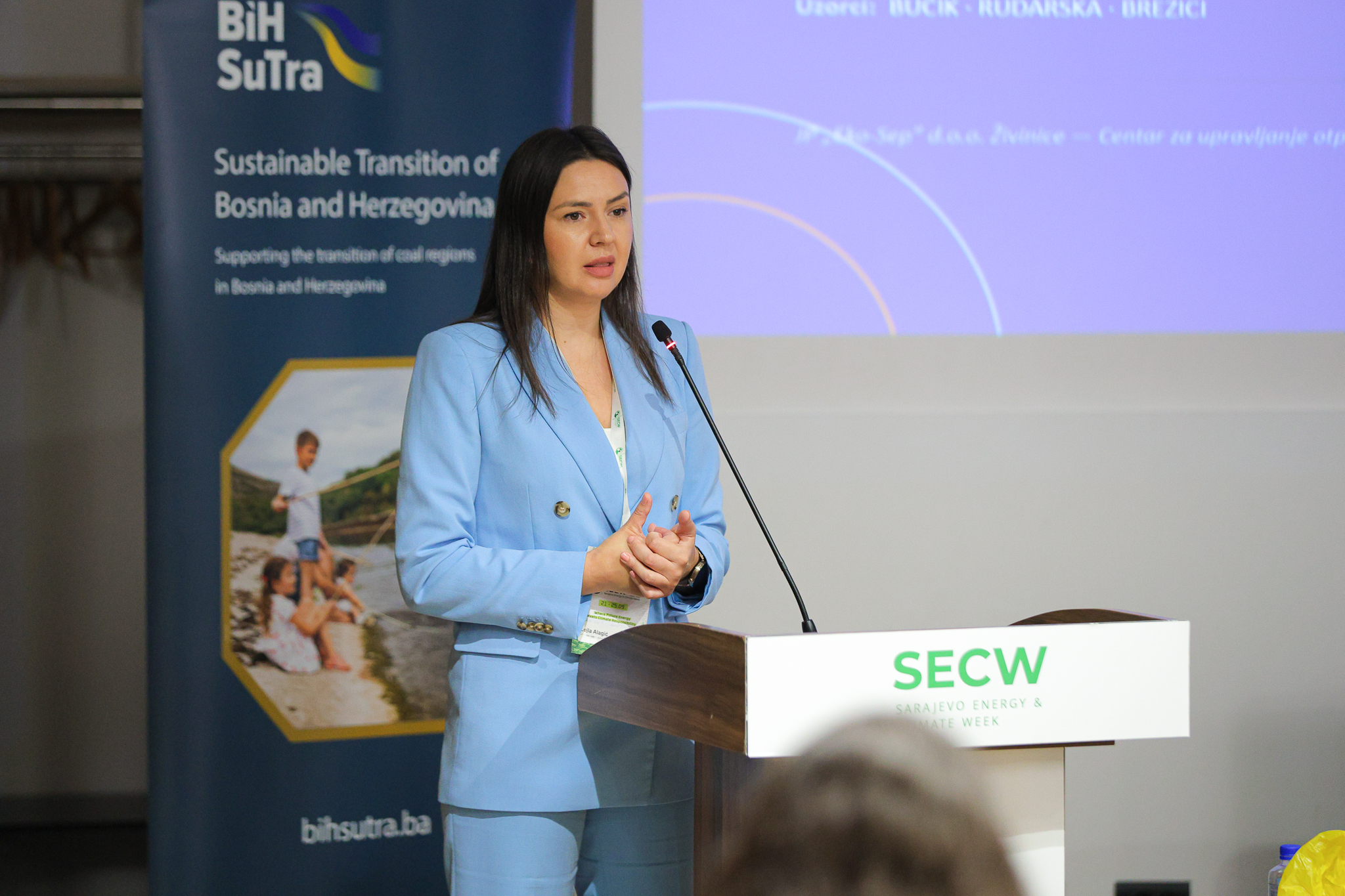
Lejla Alagić, Director of Eko-Sep. Photo: Jasmin Agović.
Lejla Alagić, Director of Eko-Sep, highlighted the value of moving from estimates to measurable evidence: “This pilot project has enabled us to move beyond estimates and obtain concrete, measurable data on what is actually present in municipal waste. Through standardised sampling, sorting and weighing, we have gained a clearer picture of waste composition, providing an important basis for planning recycling, composting and future infrastructure investments. It is particularly important that we tested the methodology under real field conditions. The goal is to create a continuous monitoring system. This will help local communities make waste management decisions using reliable data."
Adem Mostarlić from the Municipality of Banovići echoed why it is vital to know the amount and type of municipal waste. He stressed that accurate data is essential for effective waste management planning. “Decisions on waste management should be based on measurable and verifiable data, not estimates. The quantity of waste shows how much waste needs to be managed, while its composition shows what type of waste it is and how it should be treated.”
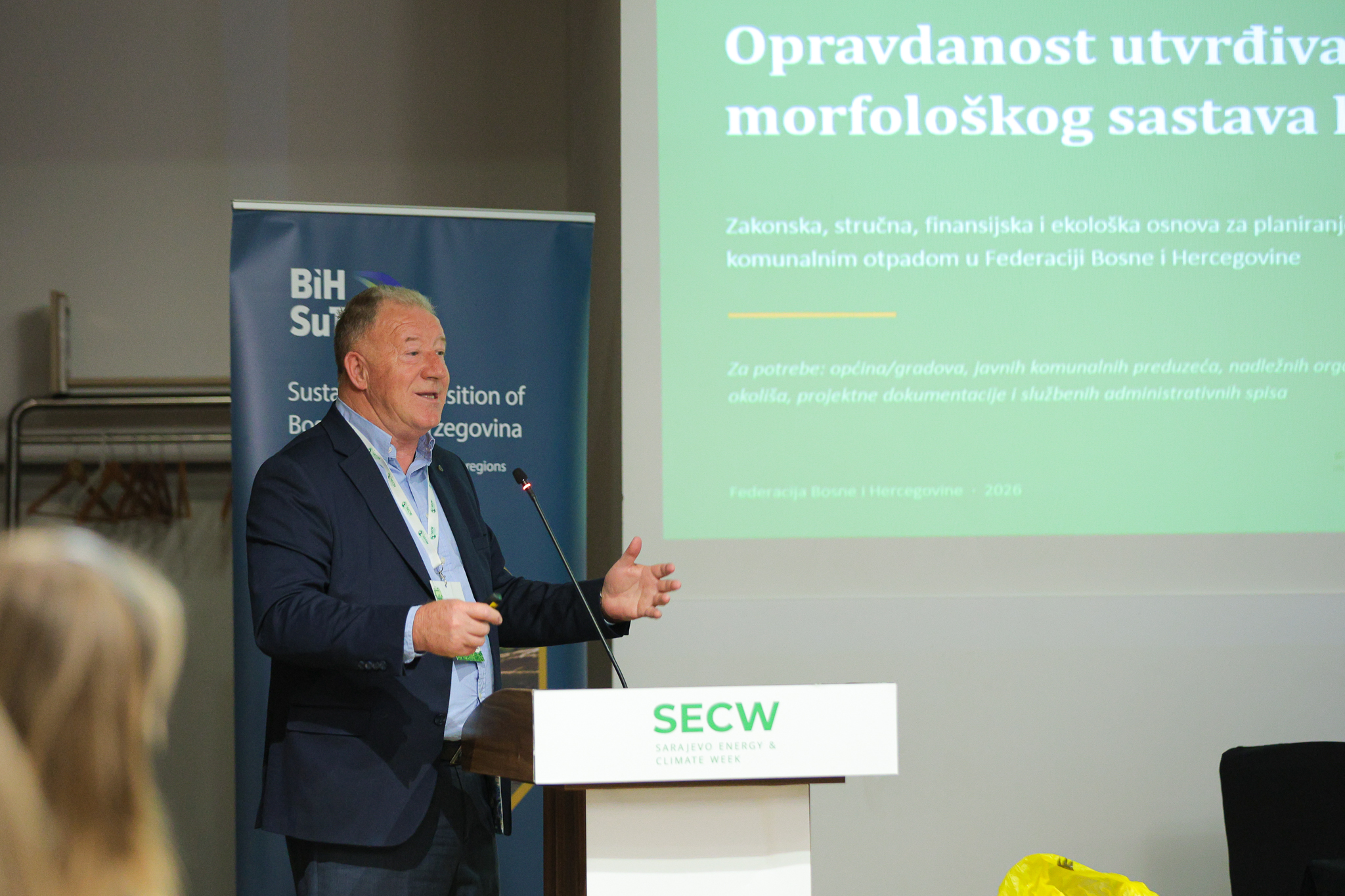
Adem Mostarlić, Municipality of Banovići. Photo: Jasmin Agović.
Building knowledge and skills through partnerships
The two parts of the event — cooperation with Norrköping and the work on waste composition — are closely connected. Both prove that a sustainable transition depends not only on ambition, but also on practical knowledge, reliable data and strong local partnerships.
The MoUs set up a framework for municipalities in BiH and Sweden. They can work together, share experiences, and find solutions that fit local needs. The Waste Composition Study helps local stakeholders understand current waste streams. This evidence base allows them to make better decisions about future services and investments.
These activities show BiH SuTra's approach: Linking local needs with global insights and practical tools, while municipalities and communities remain at the heart of the transition. This support and focus builds a strong base for a low-emission, resilient, and sustainable future for communities in Bosnia and Herzegovina.
Discover the News and Updates section, delivering the latest updates and insightful content across various topics. Stay informed with most recent news articles, reports, and publications, of the BiH SuTra project.


 Banovici
 Breza
Breza
 Gacko
Gacko
 Gradiška
 Kakanj
 Ugljevik
 Živinice
 Ministarstvo vanjske trgovine i ekonomskih odnosa BiH
 Stockholm Environment Institute
 Sweden