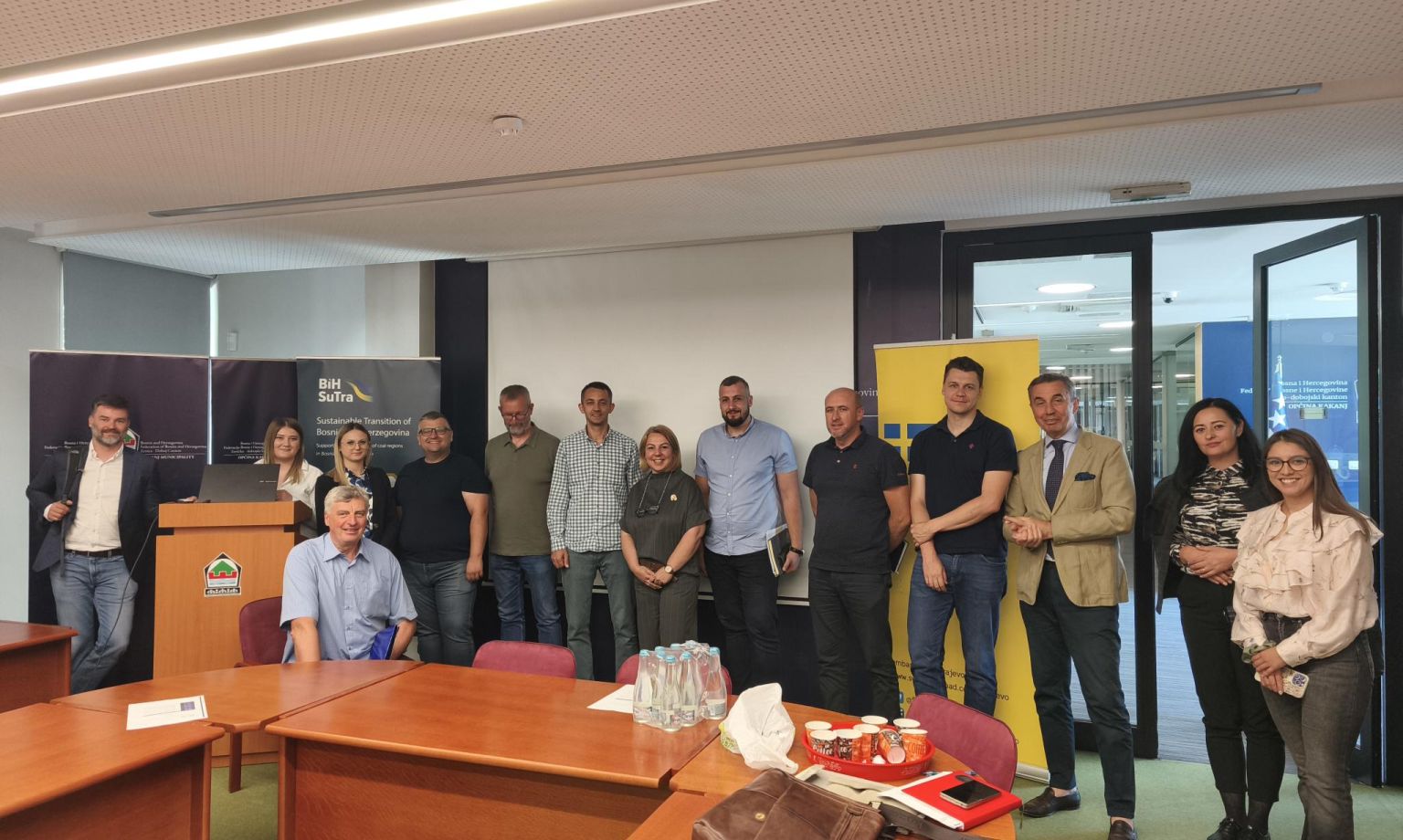
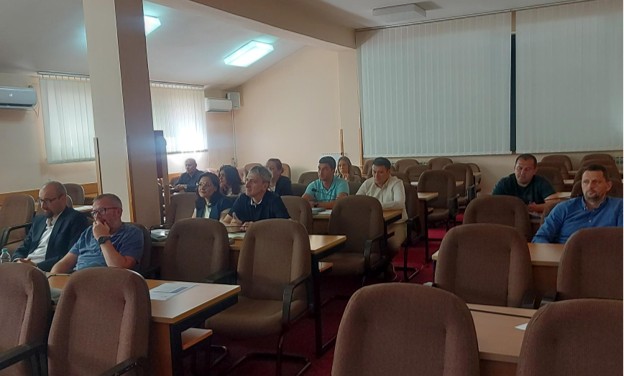
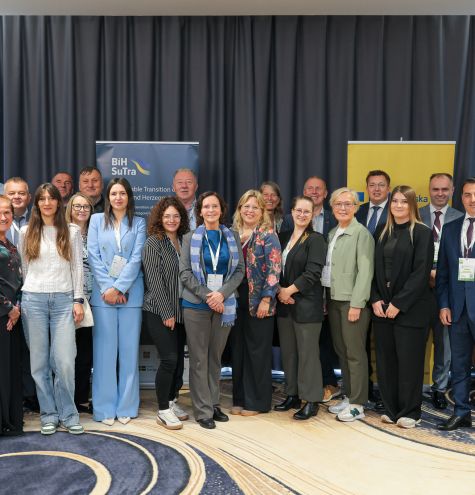
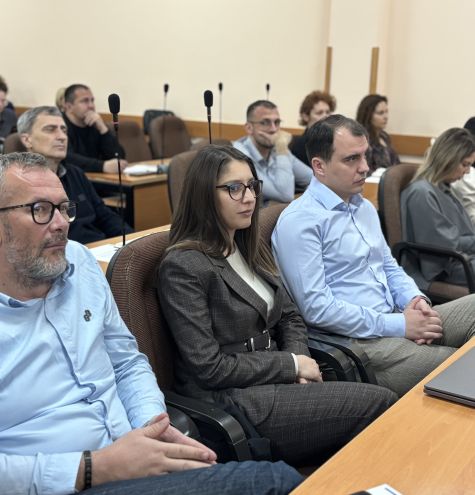
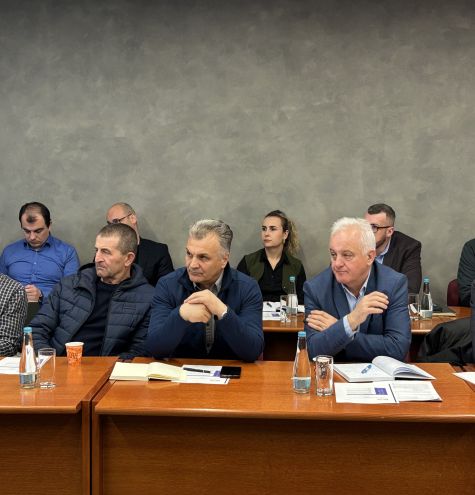
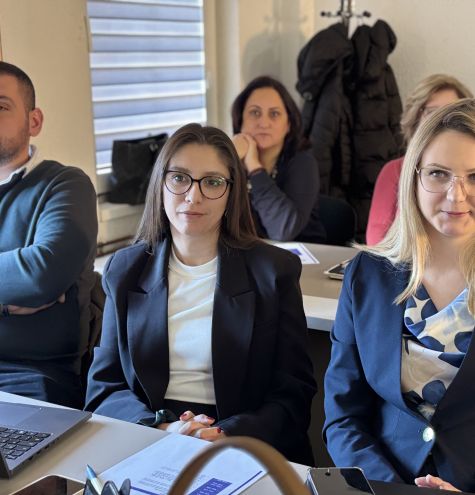
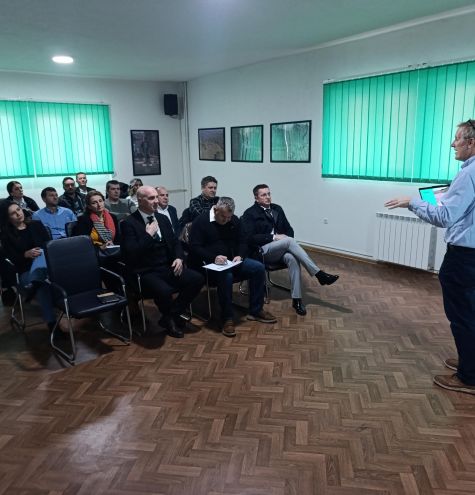
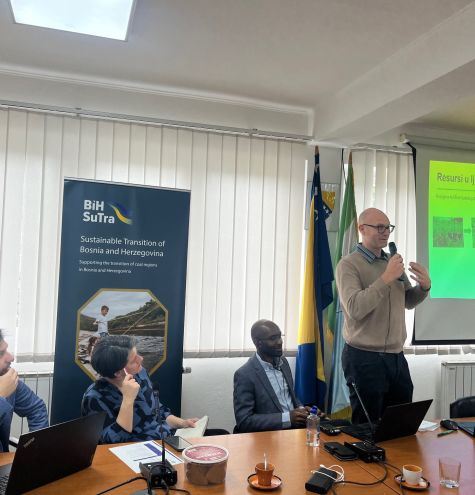
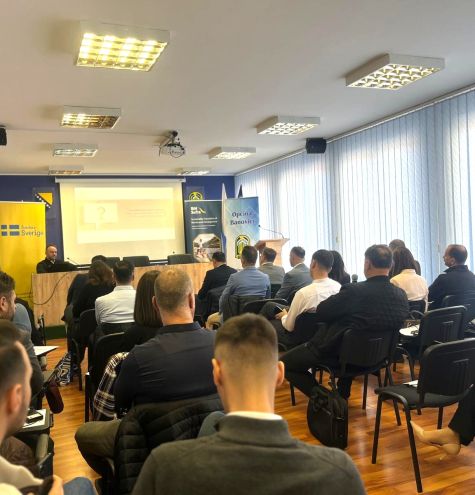
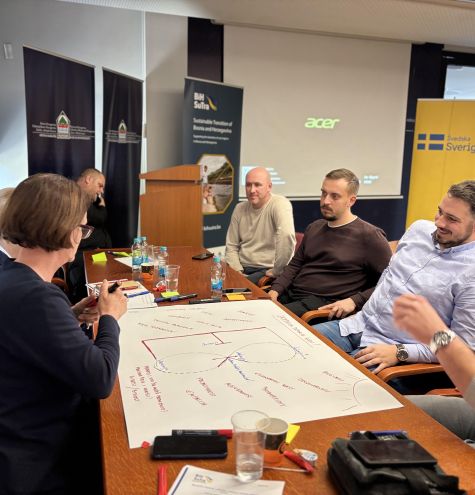
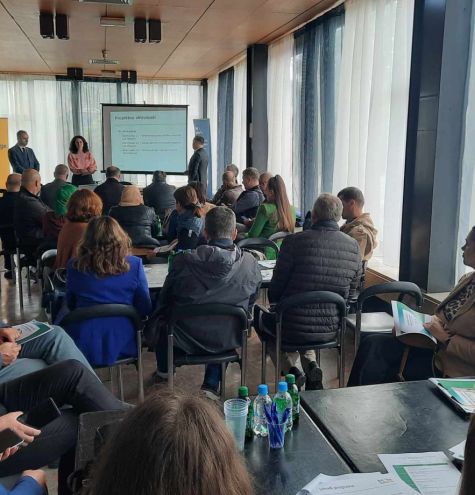
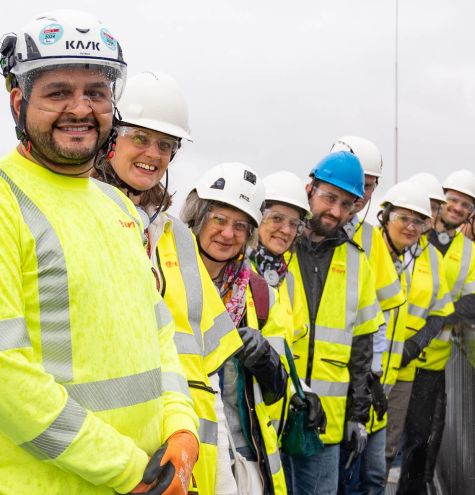
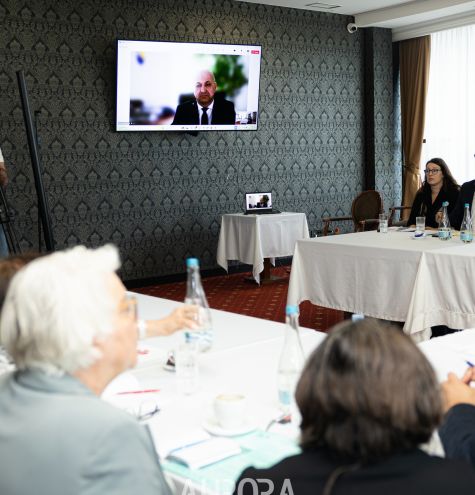
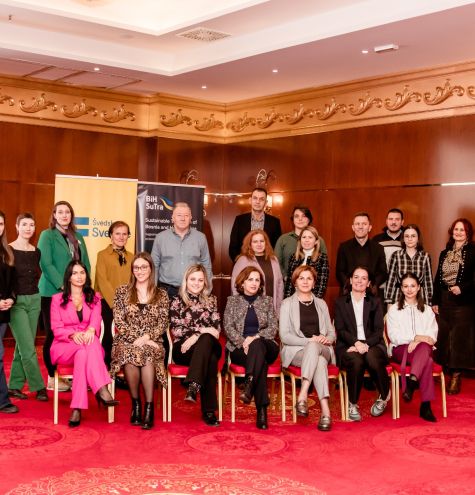
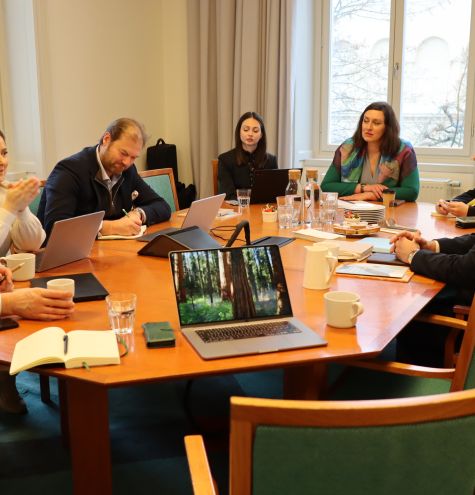
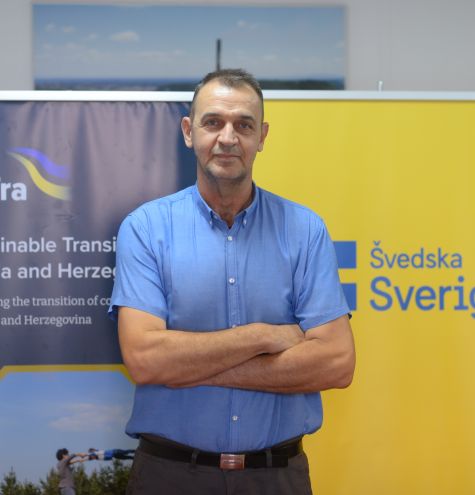
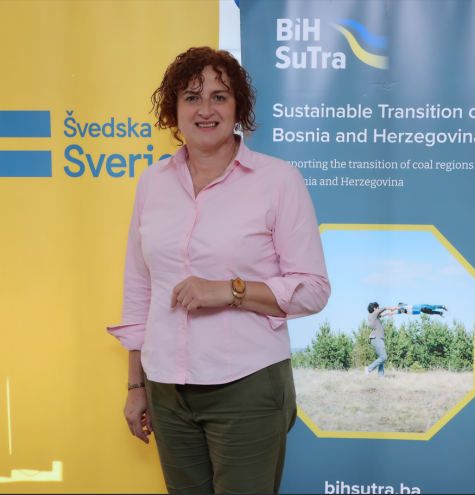
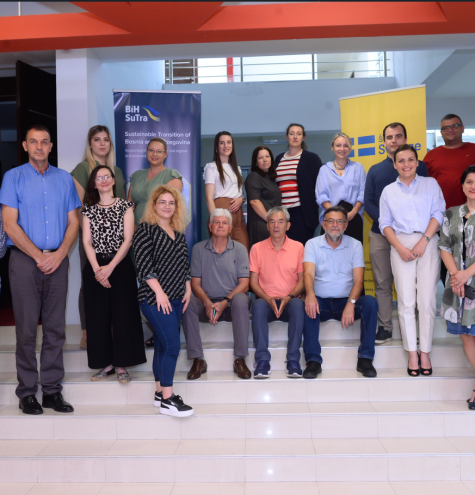
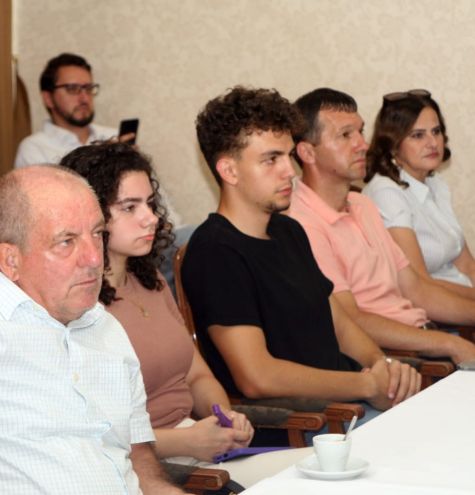
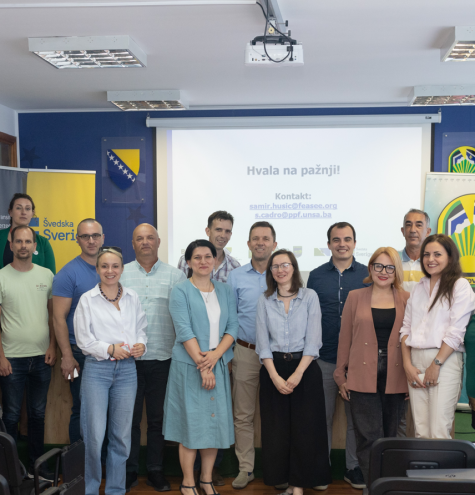
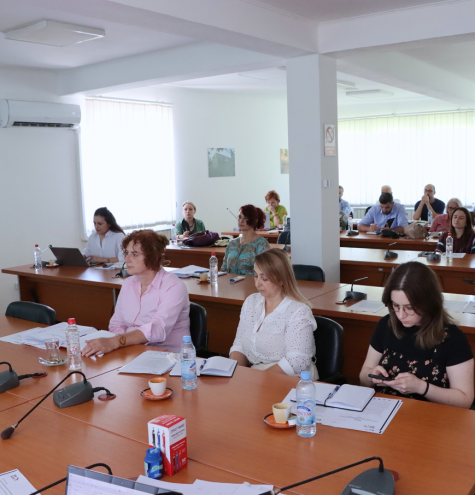
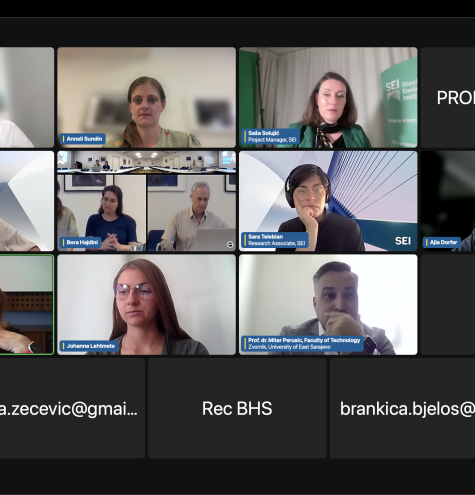
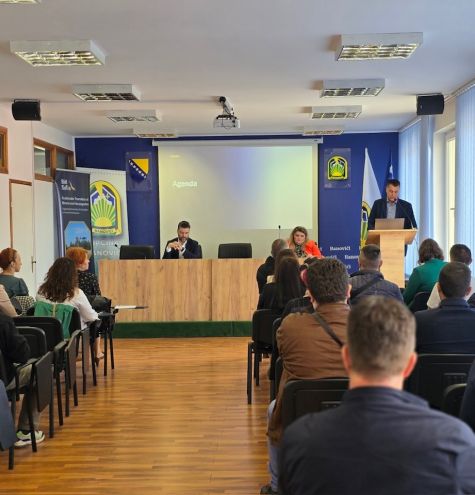
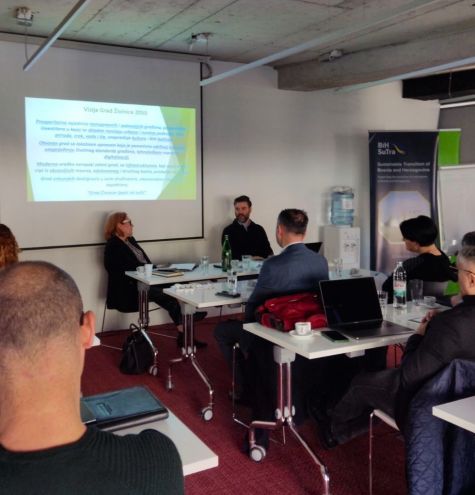
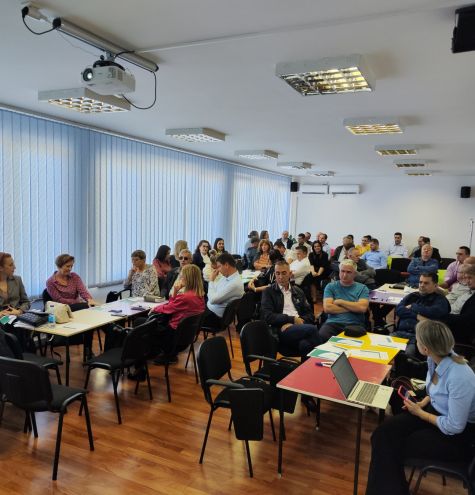
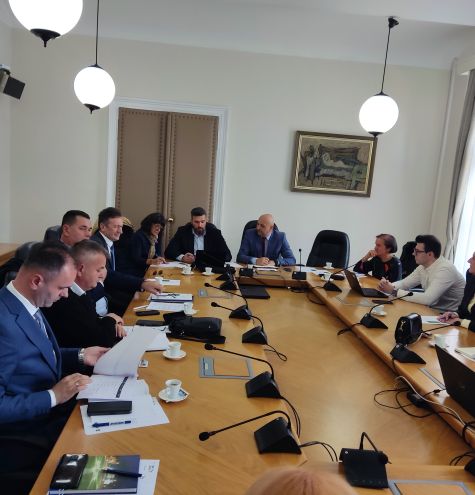
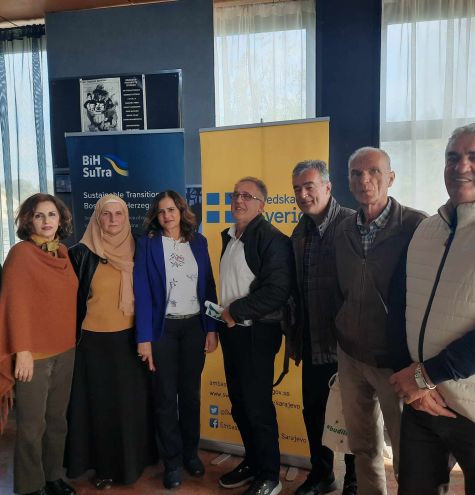
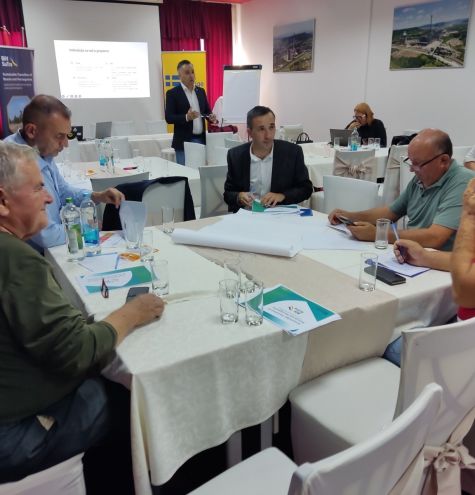
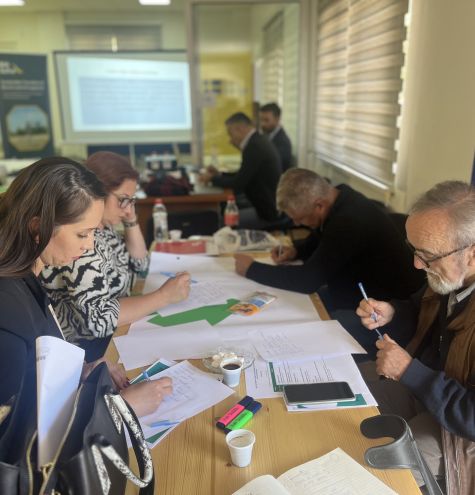
 Participants of the second consultation event of the Municipality of Kakanj.
Participants of the second consultation event of the Municipality of Kakanj.
Participants of the second consultation event of the Municipality of Kakanj.
With the consultation meeting held in Gradiška on 12 June 2026, the BiH SuTra project successfully concluded the second round of consultation meetings in its partner local communities. Previous events in Gacko (8 June) and Kakanj (10 June) brought together representatives of public institutions, experts, and civil society organisations to jointly define concrete steps for the development of Transition Plans extending to 2050.
This phase of the process is crucial for shaping measures based on the Green Agenda for the Western Balkans, with a particular focus on activities to be implemented in the short-term period up to 2029. As highlighted by Sanjin Avdić, Senior Project Coordinator at SEI, a feasible and effective plan can only be developed through cooperation with those who best understand the needs and potentials of their communities.
Gacko: just transition and strengthening the local economy
The consultation meeting in Gacko confirmed the municipality’s commitment to economic diversification and the creation of new employment opportunities through the transition process.
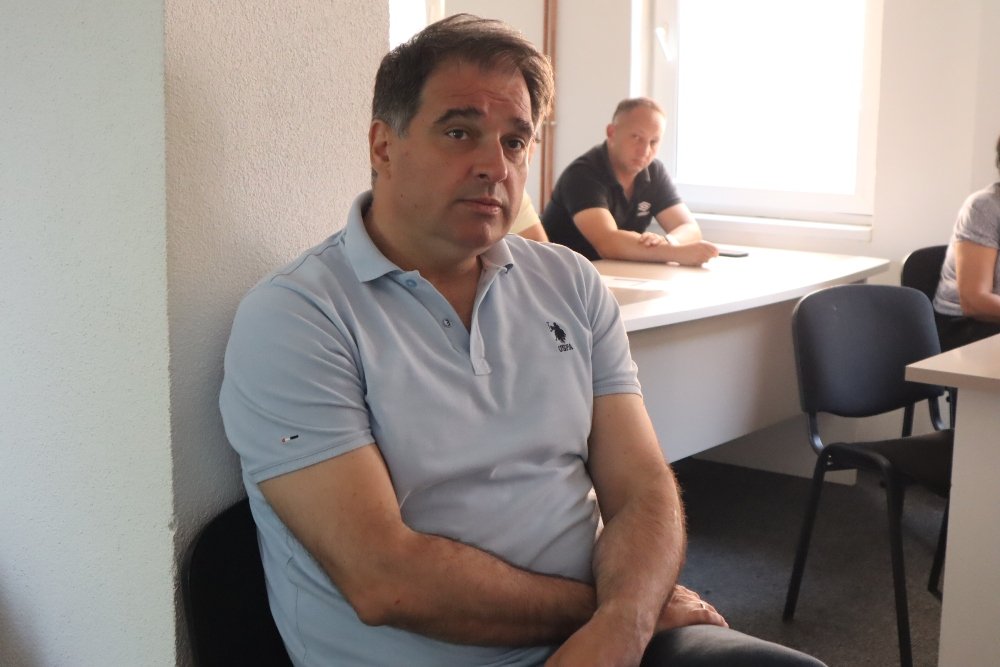
Vukota Govedarica, Mayor of the Municipality of Gacko at the consultation event. Photo: Jelena Miletić.
Mayor Vukota Govedarica highlighted the importance of transparency and the active involvement of citizens in decision-making processes that will shape the future of the municipality.
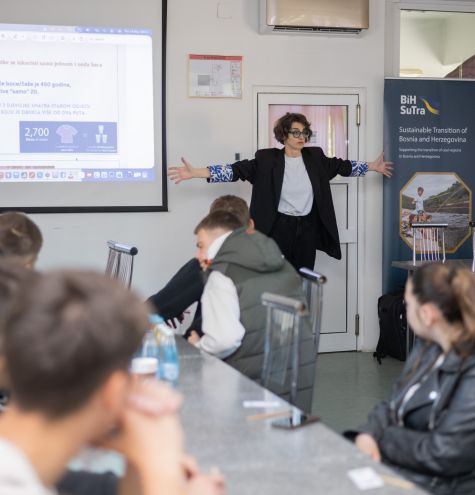
Attention was given to improving agricultural production through adding value to local products and resources as well as to advancing the transition towards a circular economy. The circular economy development pathway was identified as one of the key opportunities for the municipality.
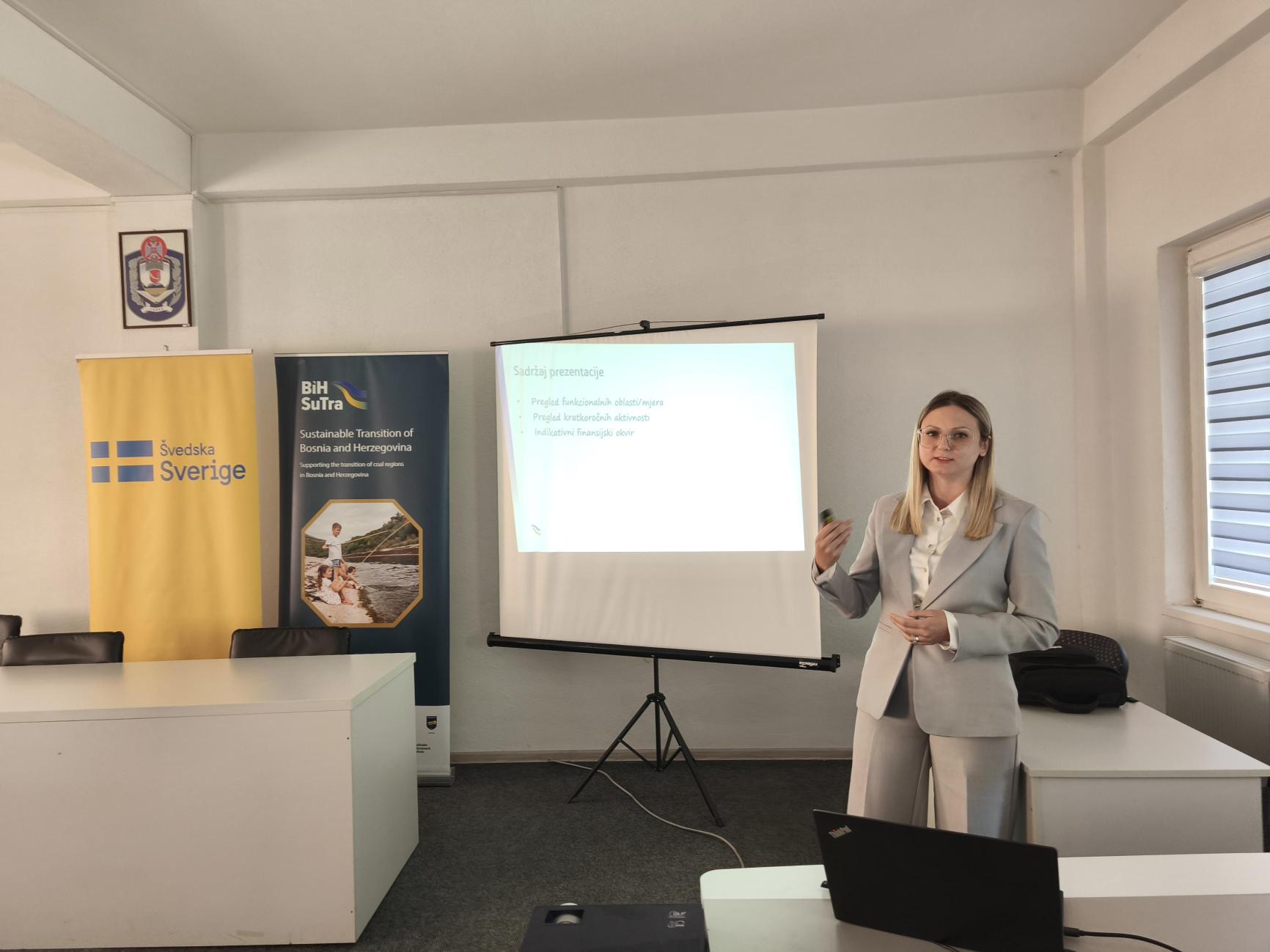
“Gacko has recognized circular economy as an opportunity to reduce waste generation, use resources more efficiently, and create new development opportunities for businesses and citizens. The objective is to gradually move away from a model based on resource disposal towards a community in which materials, raw resources, and products are used for longer and in a more efficient manner. The implementation of the measures proposed under the ‘Circular Economy’ development pathway within the Sustainable Transition Plan of the Municipality of Gacko to 2050 will contribute to more efficient resource use, reduced environmental pressures, and the creation of a more resilient and competitive economy. At the same time, it will strengthen the capacity of the local community to respond to future development challenges and seize new opportunities for sustainable economic growth and improved quality of life for its citizens,” said Ajla Imamović-Lizde, BiH SuTra Circular Economy Expert.
The meeting also presented the remaining key pillars of the transition process, including decarbonization, energy, and sustainable transport through improvements in energy efficiency and the development of renewable energy sources; pollution reduction, with a focus on the protection of water resources and responsible waste management; and the protection of nature and biodiversity aimed at preserving natural assets and restoring degraded areas.
In addition, sustainable agriculture was highlighted as an important pillar for diversifying Gacko’s local economy, with a focus on improving agricultural production, enhancing the value of traditional products, digitalizing the sector, and ensuring the systematic protection and reclamation of land as a key prerequisite for long-term development.
Lazar Okiljević, representing the Municipality of Gacko, emphasized the importance of active community participation in aligning proposed measures with local needs.
“The second consultation meeting represents an important step in the development of the Gacko Transition Plan, as it enables us to review the proposed measures together with experts and local stakeholders and align them with the concrete needs of our community. For Gacko, it is important that the plan does not remain merely a strategic document, but serves as a practical framework for future activities, projects, and investments that will contribute to sustainable development, strengthen the local economy, and improve the quality of life of our citizens,” said Okiljević.
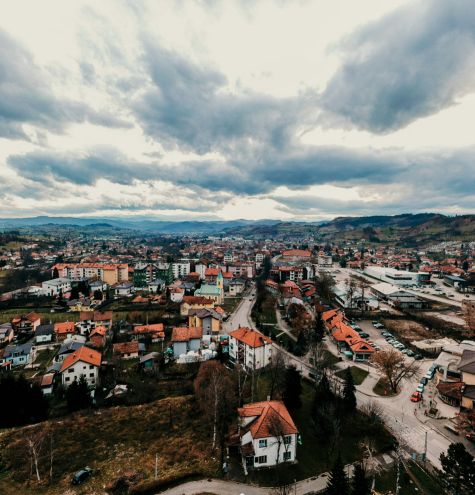
Kakanj: Transforming an industrial centre towards green energy
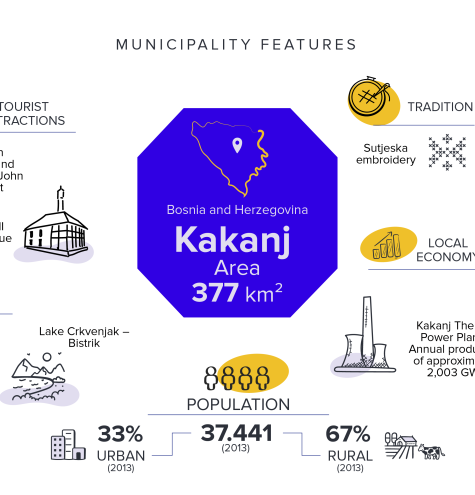
The consultation meeting in Kakanj reaffirmed the municipality’s commitment to the gradual transition of a traditionally mining- and energy-based economy towards a more sustainable and greener development model. Participants emphasized that decarbonization, together with improvements in air quality and increased energy efficiency, represents one of the key development pathways for Kakanj’s future.
The focus was placed on the energy transition and the modernisation of transport systems, with decarbonization identified as a cornerstone that will shape the long-term development of the municipality.
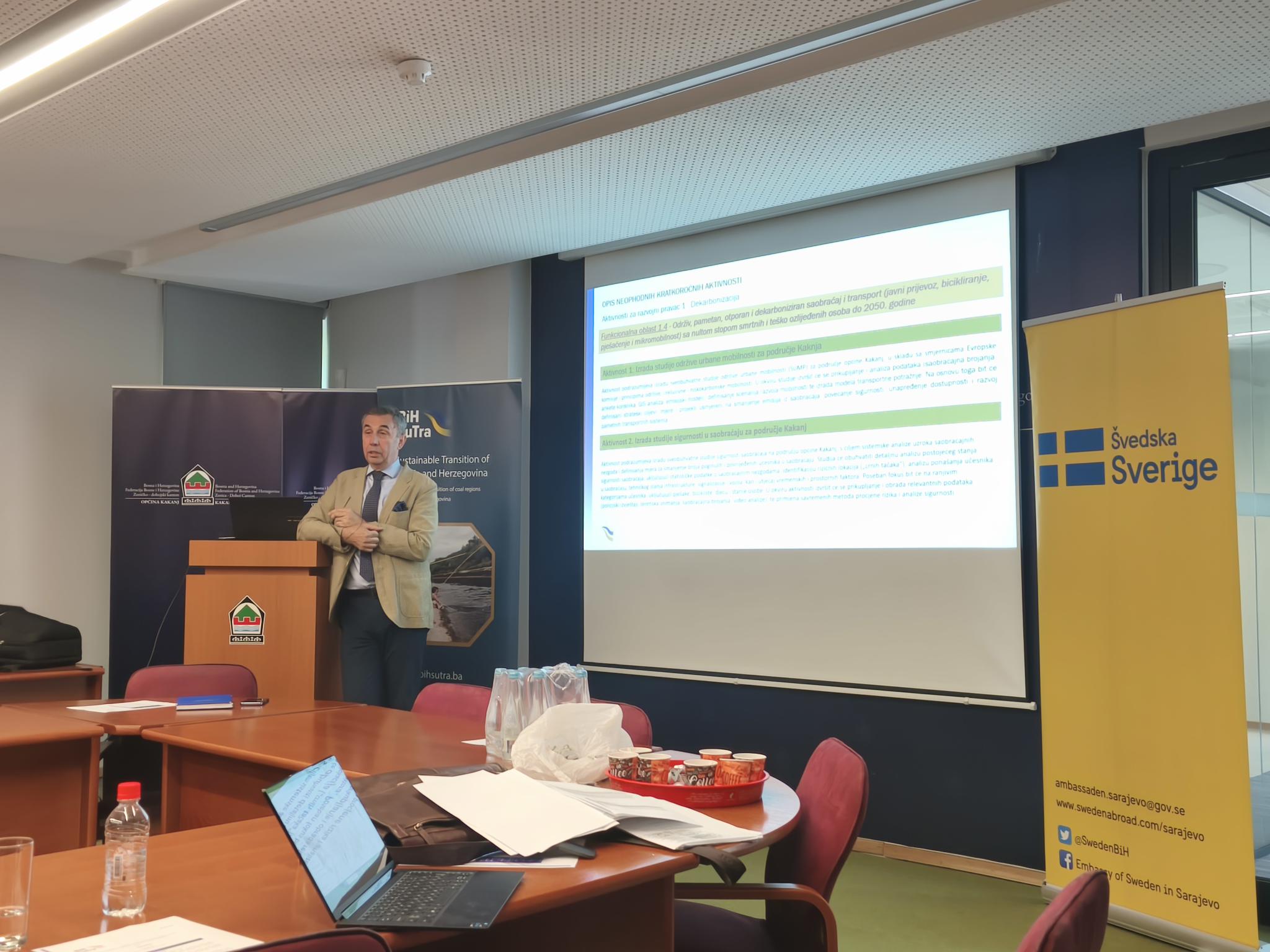
Prof. Dr Osman Lindov, BiH SuTra Expert on Decarbonisation, Energy and Sustainable Transport, emphasised that Kakanj can use the energy transition process as a development opportunity to improve citizens’ quality of life and strengthen local competitiveness.
“Kakanj is facing an important development challenge, but at the same time a significant opportunity to gradually transform its energy and transport systems through the decarbonization process. The proposed measures are aimed at reducing emissions, improving energy efficiency, increasing the use of renewable energy sources, and promoting sustainable mobility. Importance is attached to activities such as the preparation of a Sustainable Urban Mobility Plan, the development of pedestrian and cycling infrastructure, and the assessment of alternative energy sources for the district heating system. The objective is not only to achieve climate goals, but also to create a healthier, safer, and higher-quality living environment for the citizens of Kakanj,” Lindov emphasized.
The meeting also presented the remaining key pillars of the transition process, including pollution reduction, with a focus on protecting drinking water sources and remediating illegal dumpsites, as well as nature conservation and biodiversity protection aimed at preserving areas of particular ecological value, such as the Bistrik wetland, Žuća, and the Gornja Trstionica–Bukovica area.
Alongside these priorities, sustainable agriculture was highlighted as an important driver of future development, particularly in terms of protecting, restoring, and sustainably managing land resources in areas where agricultural land spatially overlaps with mineral extraction activities.
The circular economy was recognised as a pathway towards systemic transformation through waste prevention, support for industrial symbiosis, the development of green skills, and the establishment of digital tools for monitoring the community’s progress towards sustainability.
During the discussion, participants emphasised the importance of aligning the proposed measures with realistic financing opportunities and available institutional capacities. It was highlighted that this consultation process is essential to ensuring that the Transition Plan becomes an operational framework that responds to the actual needs of Kakanj’s citizens and business community.
Gradiška: Innovation in agriculture and smart mobility
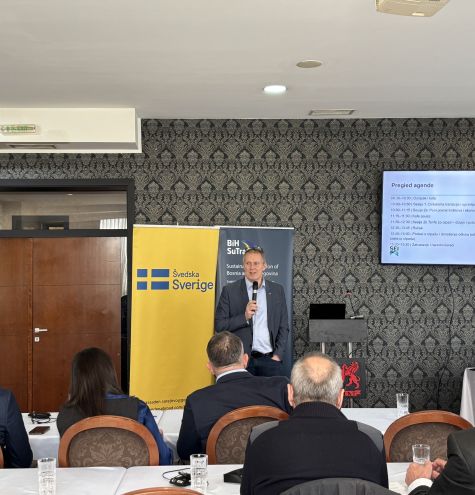
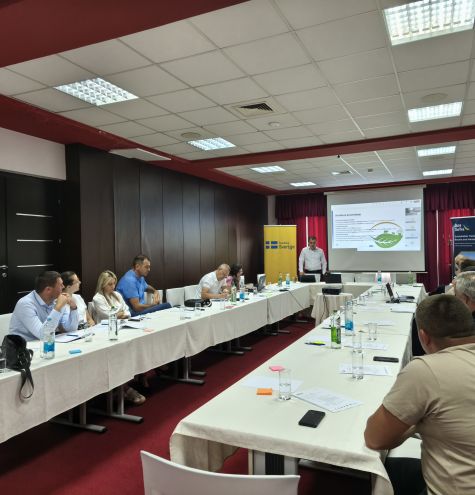
The second consultation meeting in Gradiška was held on 12 June 2026, completing the cycle of discussions on development pathways and short-term activities planned for the period up to 2029.
Darko Vrhovac, Head of the Department for Development and International Projects of the City of Gradiška, stated that the second workshop held within the framework of the BiH SuTra – Sustainable Transition of Bosnia and Herzegovina project is of crucial importance for the preparation of a high-quality, realistic, and implementable Transition Plan for the City of Gradiška.
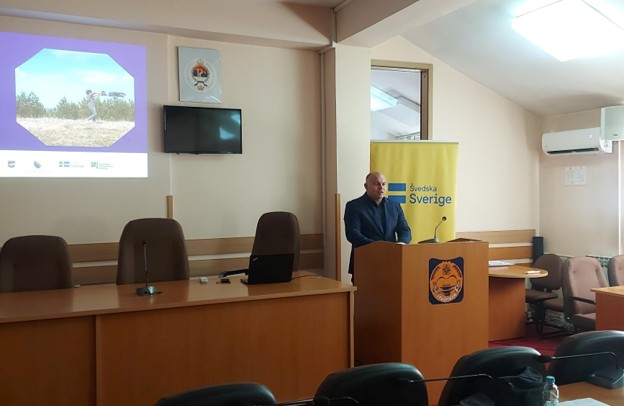
“The City of Gradiška is actively involved in this process, as sustainable transition is one of the key development issues for the coming decades. The document currently being prepared is a long-term plan until 2050 and covers the most important areas for the future development of our local community: sustainable agriculture, nature protection and biodiversity, circular economy, decarbonisation and environmental protection. Our goal is to make a serious contribution, through the working group and this process, to the development of a preliminary draft document that will not be merely formal, but concrete, applicable and aligned with the real needs of Gradiška. We must try to anticipate the development, economic, environmental and social challenges that await us in the future, while also being realistic in assessing what can be implemented in the territory of the City of Gradiška in the short, medium and long term,” emphasized Vrhovac.
As one of the strongest agricultural regions in Bosnia and Herzegovina, with agricultural land covering approximately 66% of its territory, Gradiška is pursuing a model of “sustainable intensification” aimed at ensuring the long-term resilience and competitiveness of the sector.
Jovana Kukrić, Head of the Department for Agriculture and Rural Development of the City of Gradiška, stated that agriculture is one of the most important development sectors for Gradiška and therefore deserves a central place in the Transition Plan to 2050.
“Gradiška is an agricultural region, and many of our citizens depend on farming, orchards, greenhouses, and livestock production for their livelihoods. That is why it is important to plan how agriculture will develop in the years ahead, while ensuring the protection of our land, water resources, and natural environment. We must consider climate change, droughts, extreme weather events, and all the factors that are increasingly affecting agricultural production today. Our goal is to support local producers by making their work easier, encouraging the adoption of modern solutions, and ensuring that agriculture remains a strong and sustainable sector in Gradiška in the future,” said Kukrić.
During the meeting, the key pillars of the transition were presented, including sustainable agriculture with a focus on protecting soil fertility, digitalisation through smart technologies and support for young producers, as well as circular economy, which envisages the development of green logistics schemes and platforms for resource exchange.
The development direction of decarbonisation, energy and sustainable transport is focused on the vision of a climate-neutral city by 2050, including the modernisation of district heating and “Vision Zero” strategies for traffic safety, while pollution reduction focuses on the construction of a central wastewater treatment plant and the removal of illegal landfills.
Prof. Dr. Osman Lindov, expert for decarbonisation, energy and sustainable transport within the BiH SuTra project, emphasized that Gradiška already shows significant potential for the development of a climate-neutral and energy-efficient local community.
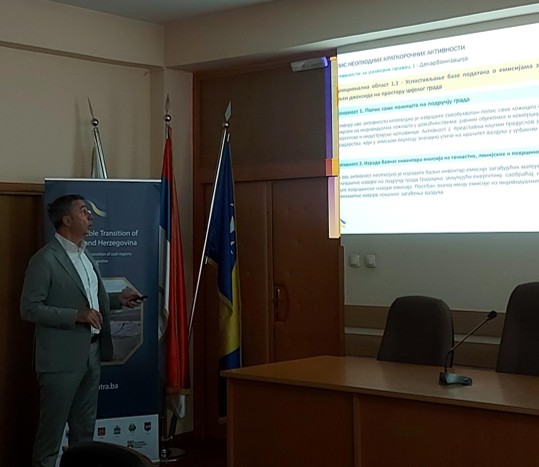
“Through its previous investments in renewable energy sources and sustainable development, Gradiška has shown that it has the capacity to be one of the leaders of the green transition in Bosnia and Herzegovina. The proposed decarbonisation measures are aimed at further increasing energy efficiency, developing sustainable mobility, modernising energy systems and strengthening the use of renewable energy sources,” emphasized Lindov.
In addition to these development directions, nature protection and biodiversity were also presented, including plans for greening the city with native species and the systematic protection of floodplain areas along the Sava River, which have been recognised as an exceptional ecotourism potential of the community.
The participants confirmed that a participatory approach is key to creating realistic and implementable plans. The finalisation of the Transition Plan for Gradiška is expected by the end of June, after which the Operational Plan will be adopted by the City Assembly and the implementation of priority projects will begin.
Discover the News and Updates section, delivering the latest updates and insightful content across various topics. Stay informed with most recent news articles, reports, and publications, of the BiH SuTra project.




 Banovici
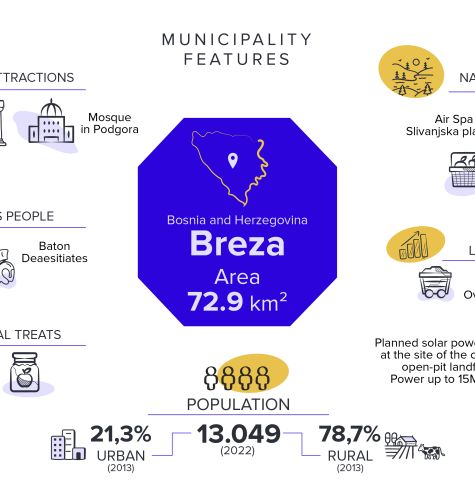
 Breza
Breza
 Gacko
Gacko
 Gradiška
 Kakanj
 Ugljevik
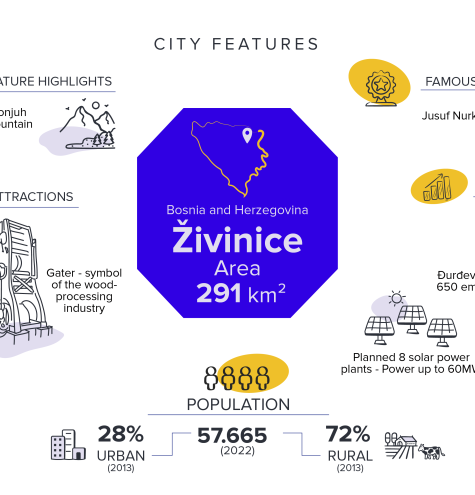
 Živinice
 Ministarstvo vanjske trgovine i ekonomskih odnosa BiH
 Stockholm Environment Institute
 Sweden