 Photo: Anneli Sundin/SEI
Photo: Anneli Sundin/SEI
Photo: Anneli Sundin/SEI
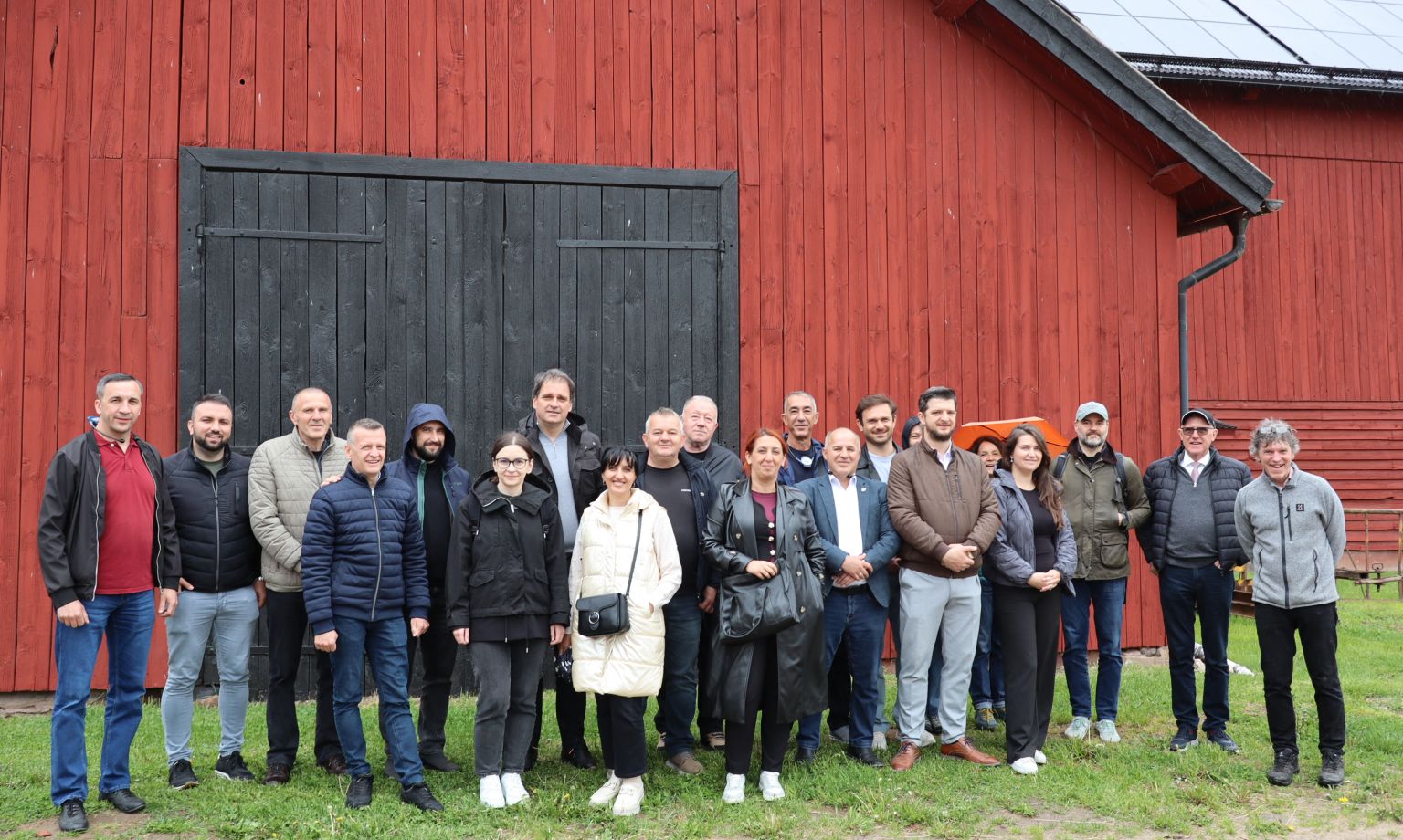
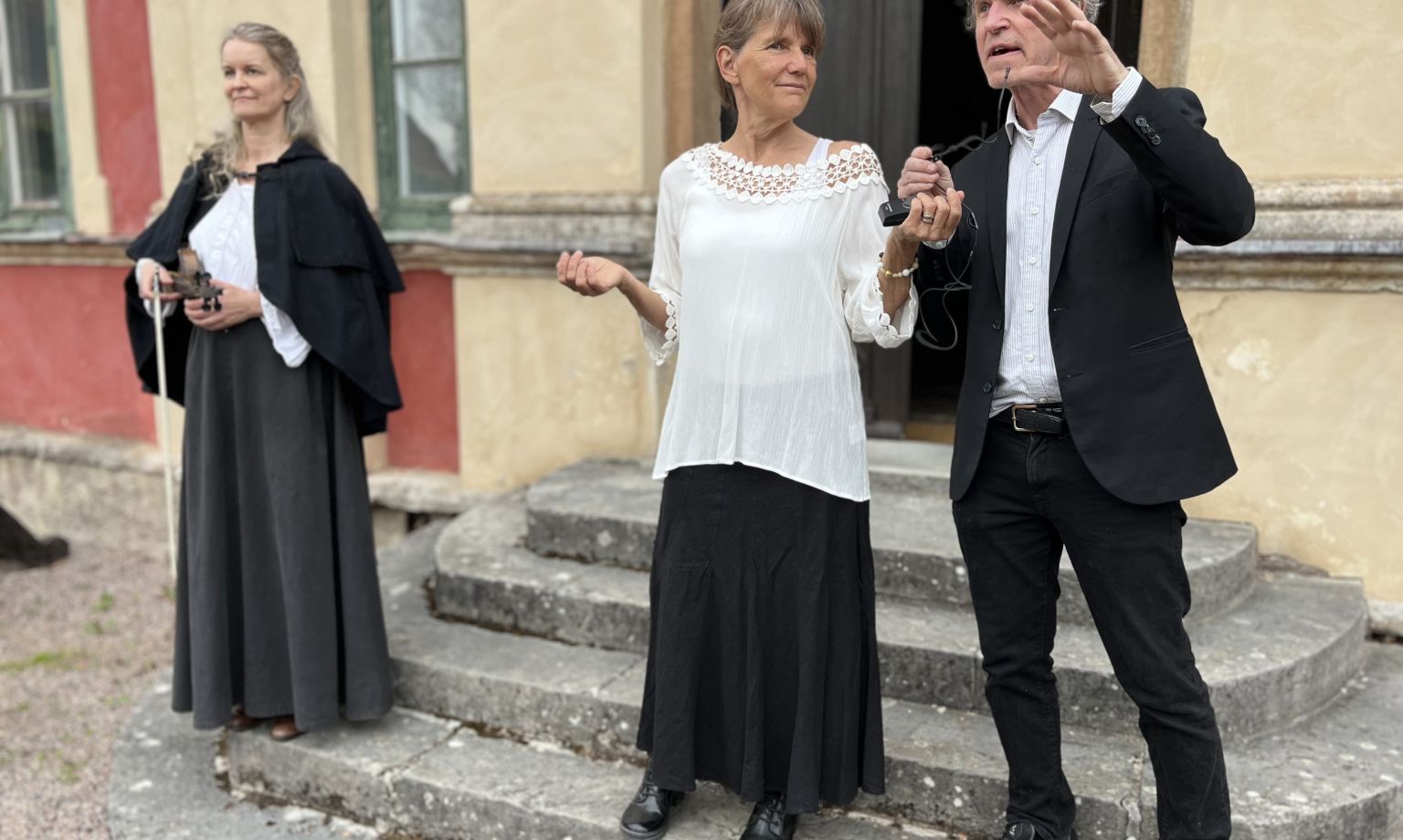
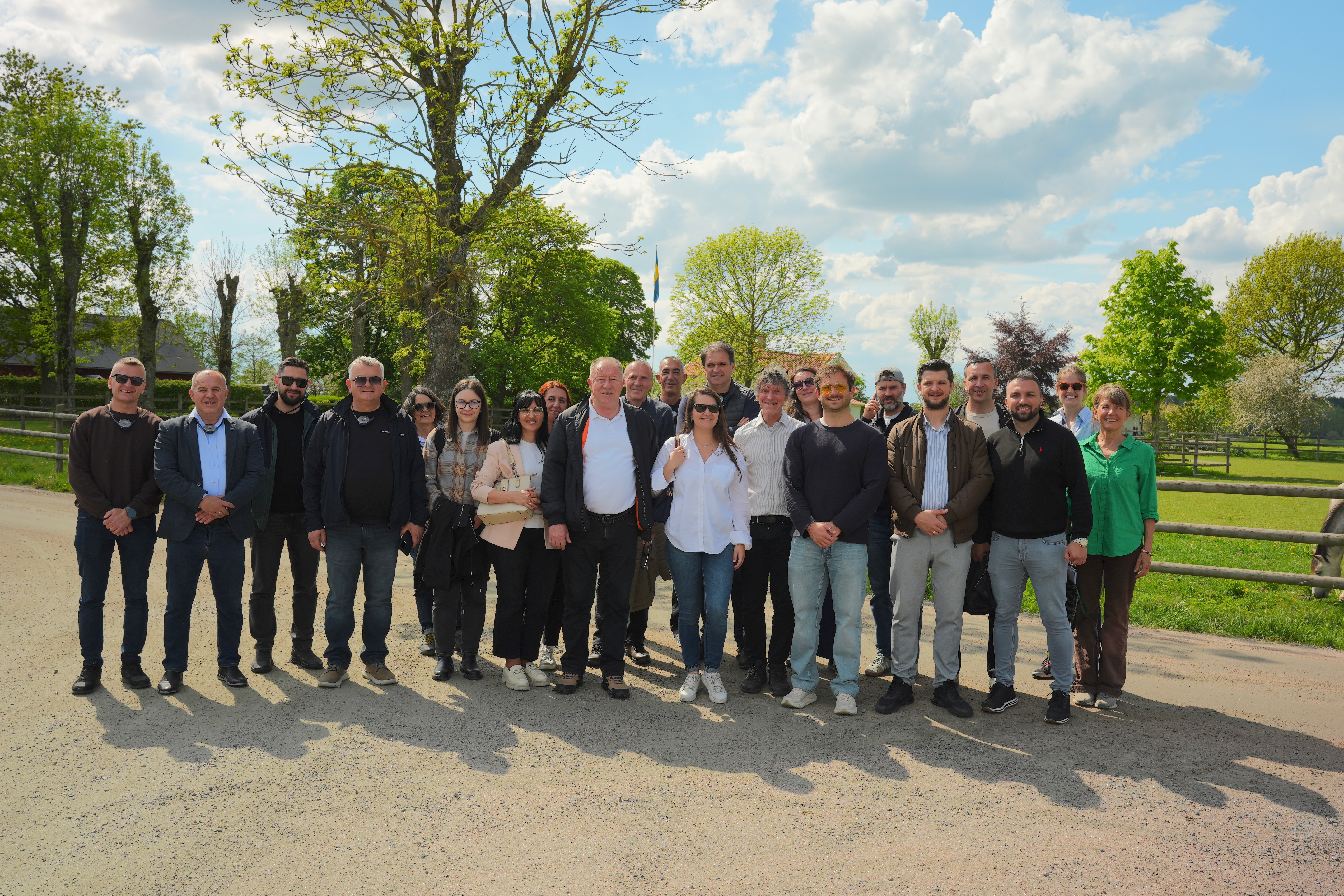
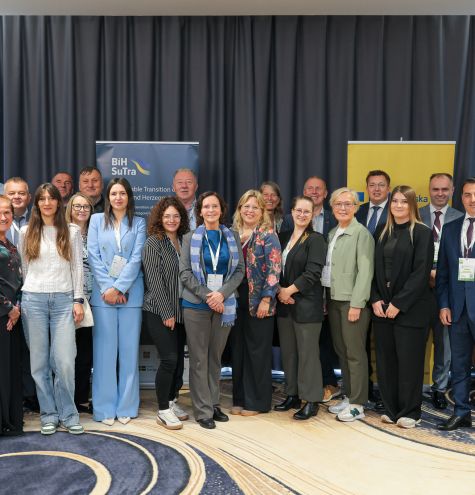
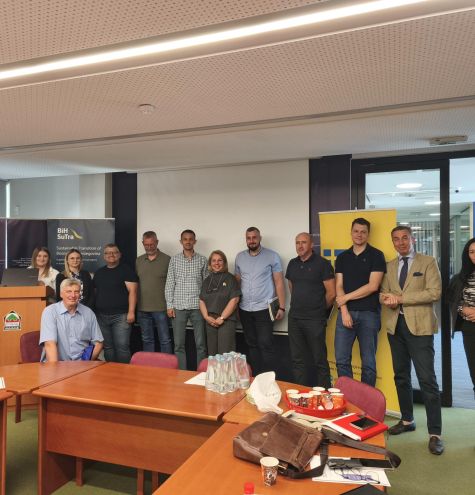
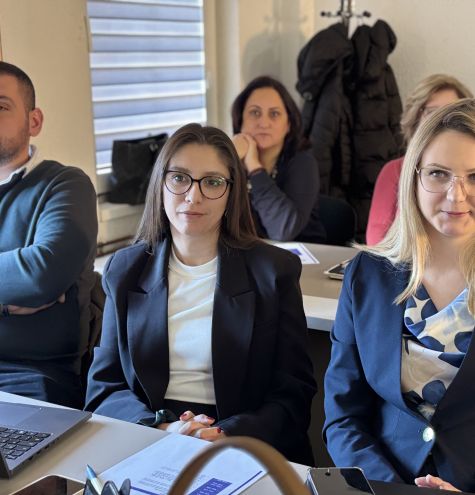
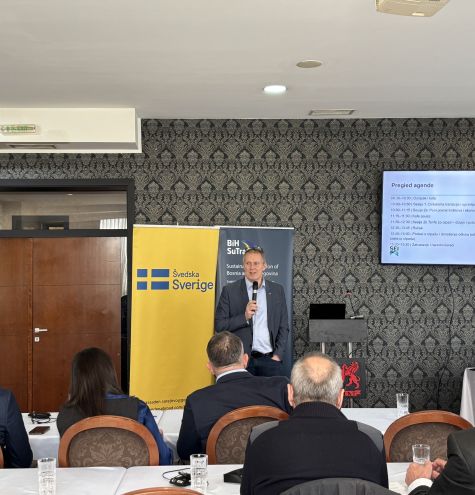
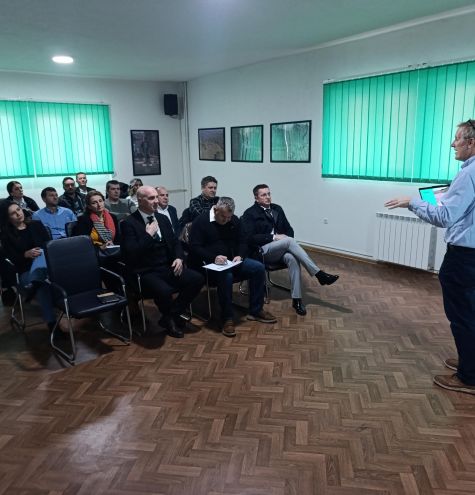
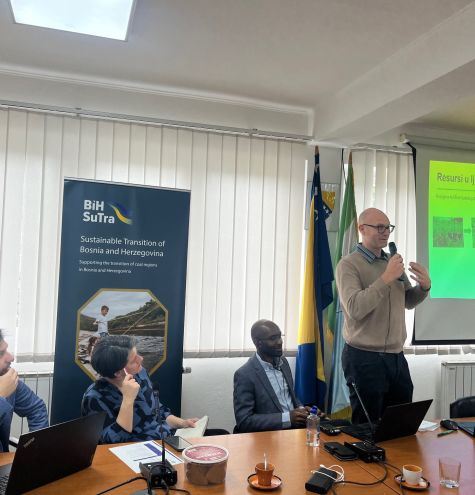
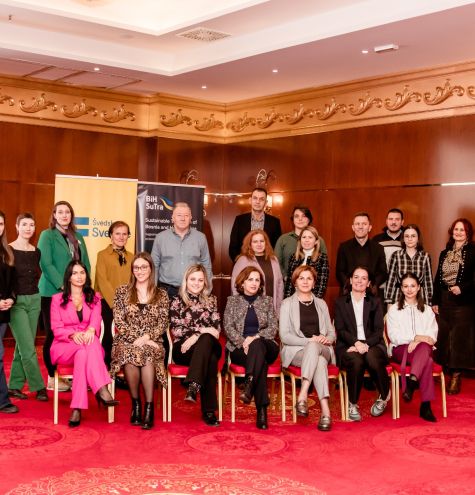
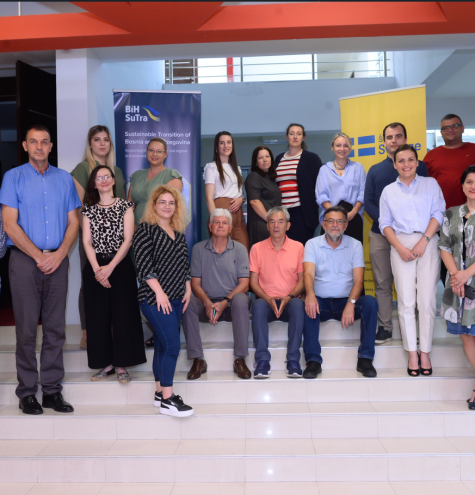
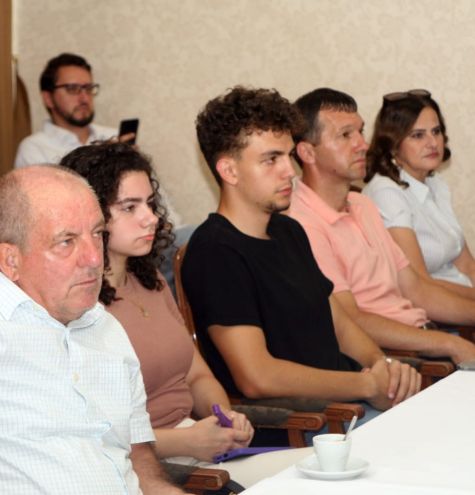
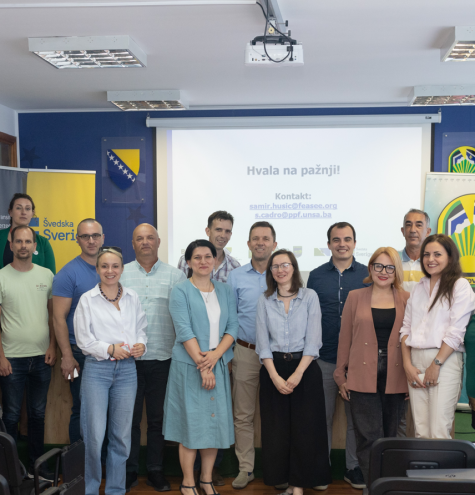
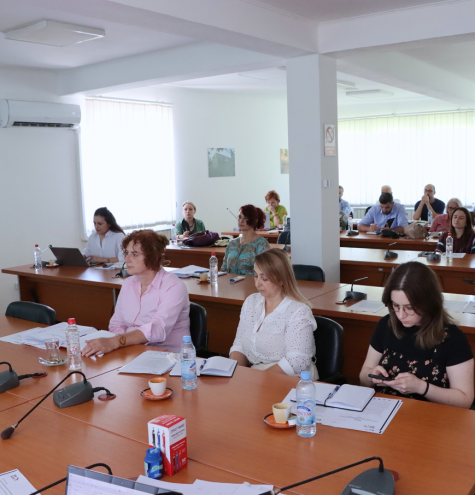
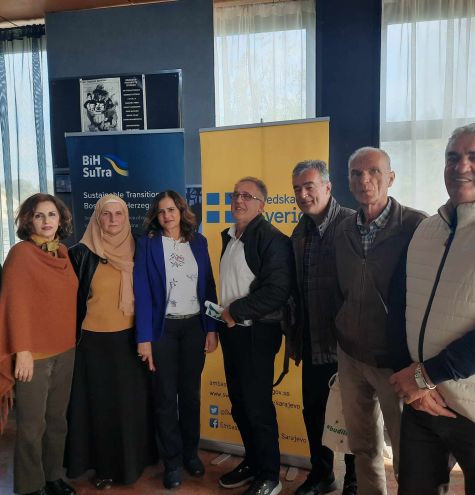
Representatives from our seven partner municipalities and cities in Bosnia and Herzegovina came to Sweden last week to take part in a study tour organized by Stockholm Environment Institute (SEI), with a focus on sustainable agriculture.
Over several days, participants explored Swedish experiences and approaches to sustainable agriculture, rural development, and innovation in the agri-food and bioeconomy sectors, bringing back inspiration to their own local contexts.
The programme combined site visits, expert presentations, and knowledge exchange focused on how agriculture can contribute to both economic development and environmental sustainability.
A day at SEI Headquarters
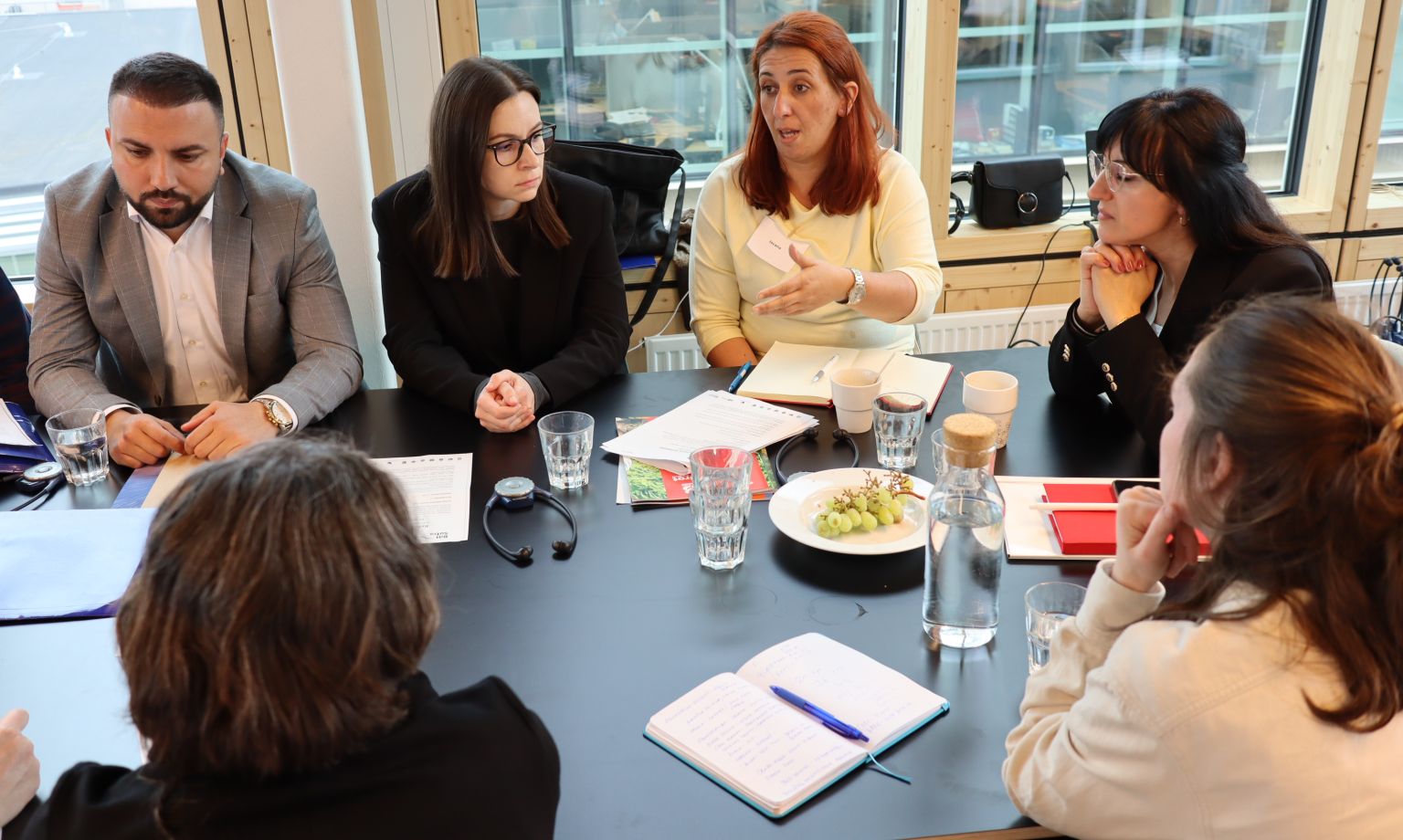
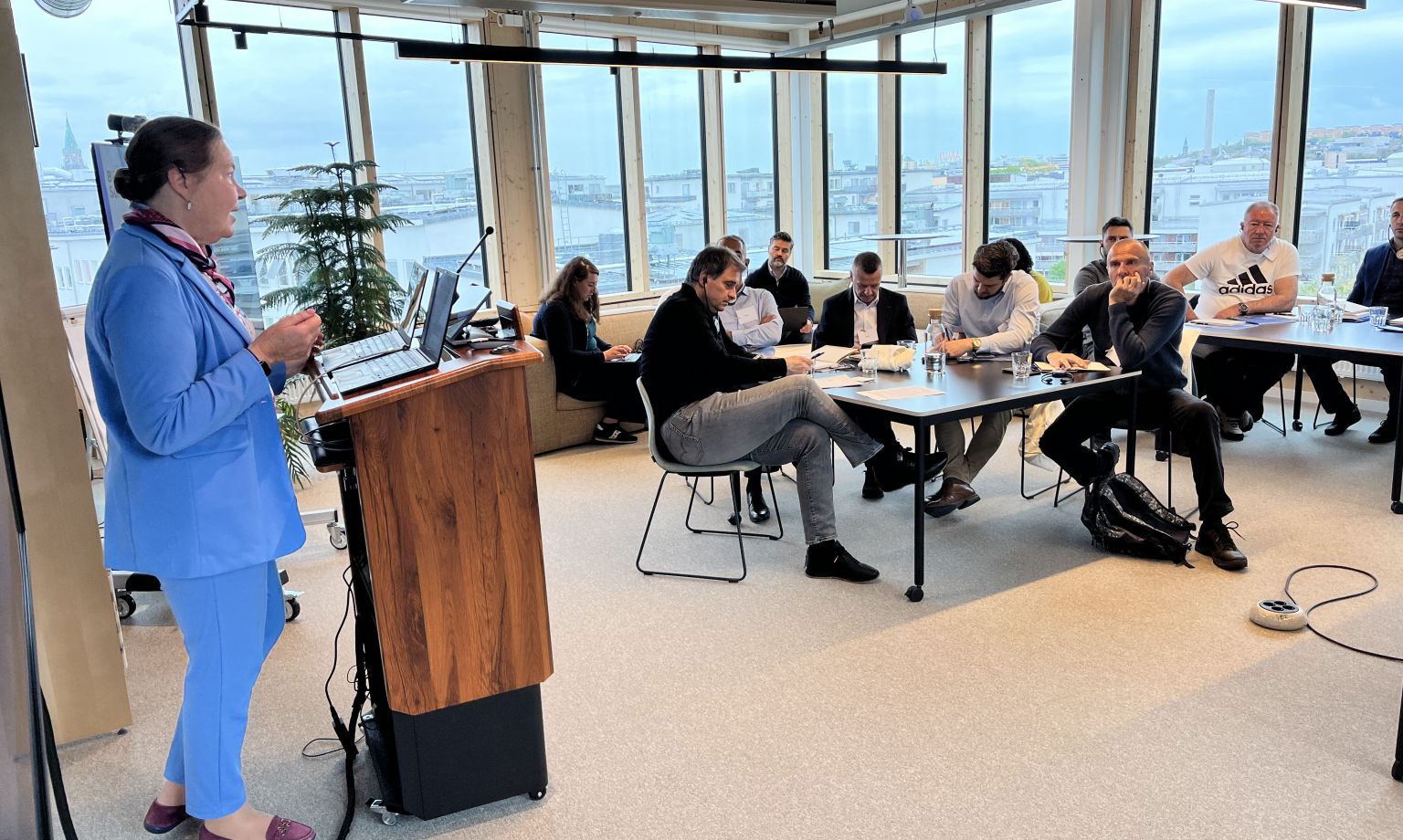
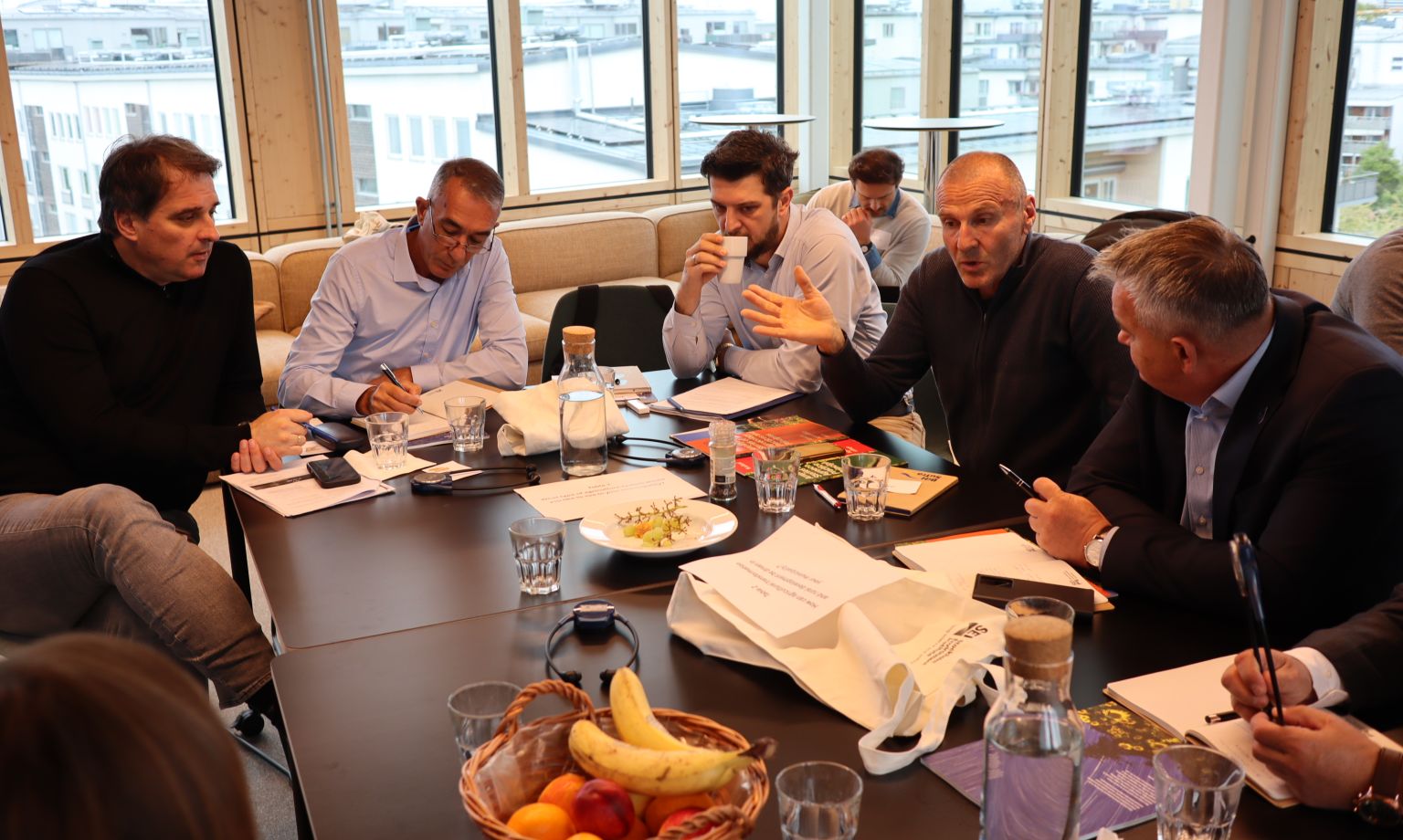
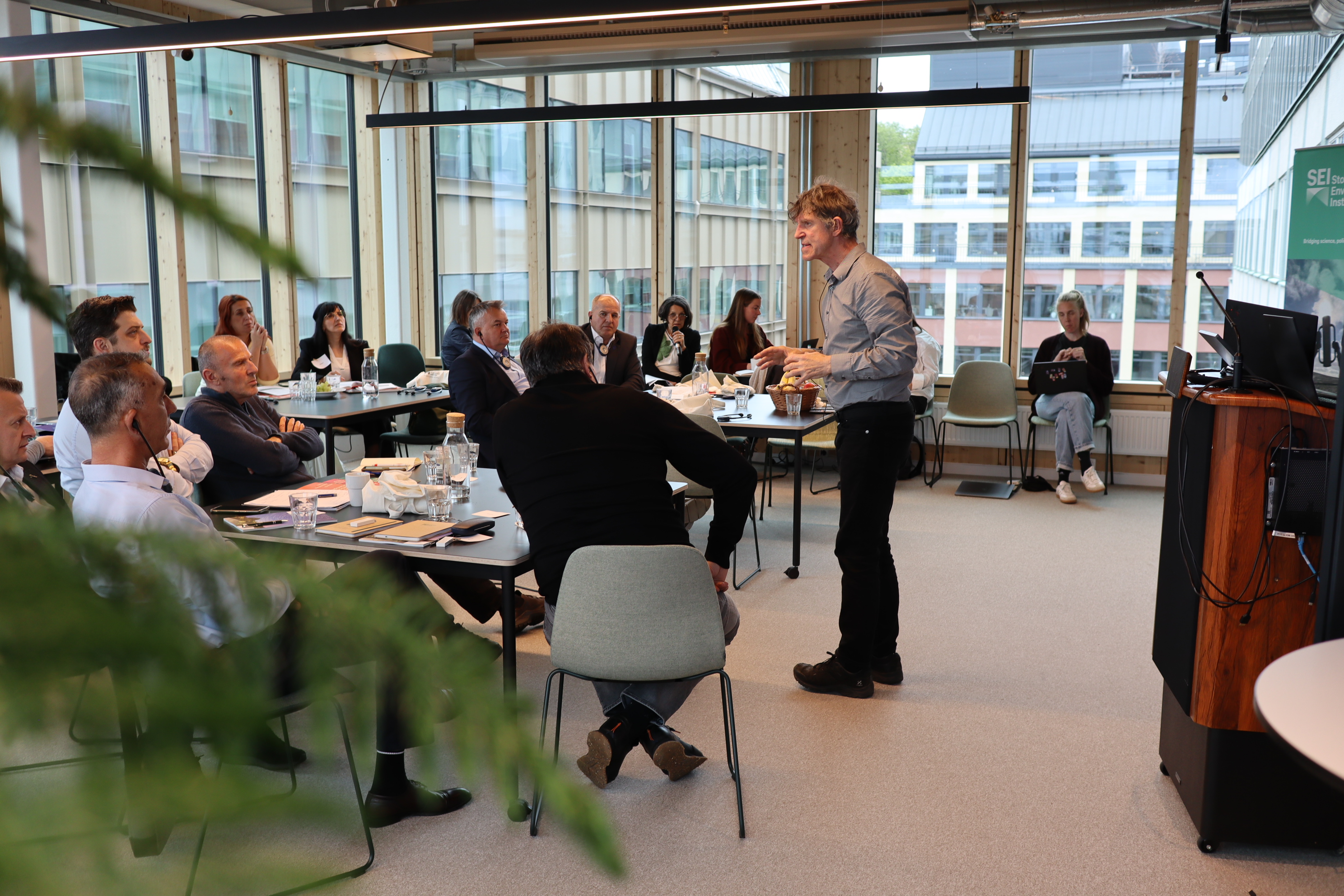
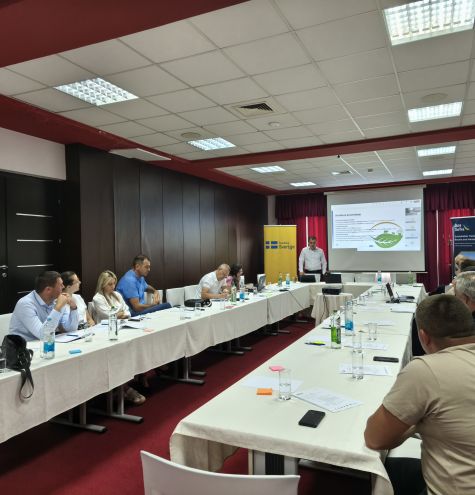
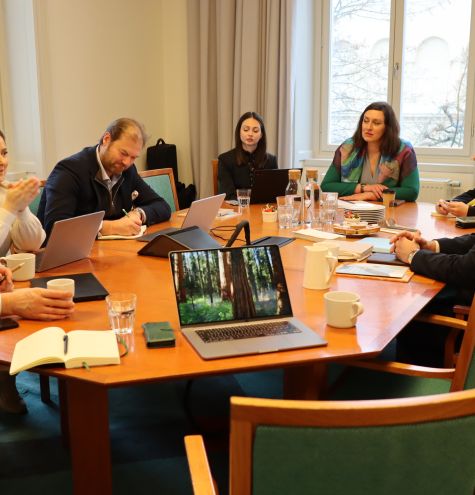
On the first day the BiH delegation visited SEI’s Headquarters in Stockholm and met with BiH SuTra implementation team, SEI management representatives as well as SEI colleagues specializing in various topics within sustainable agriculture. They were introduced to SEI’s global mission and collaborative model, by SEI Engagement and Impact Director Annika Markovic. “SEI is working and bringing about change through partnerships with governments, civil society, and international organizations to tackle climate and development challenges”, Markovic pointed out. The day’s program showcased the role of knowledge-sharing initiatives such as Swedish International Agricultural Network Initiative (SIANI), which connects experts and institutions working toward more sustainable and equitable food systems worldwide.
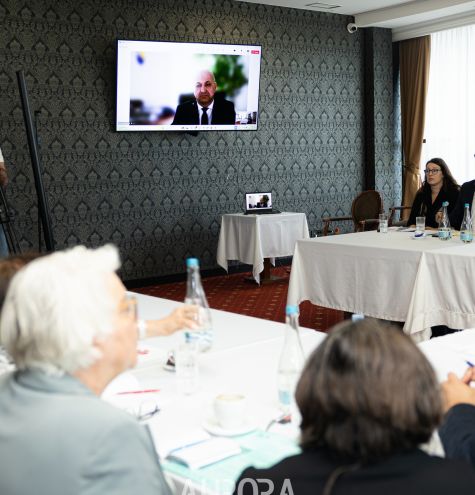
Speakers explored multifunctional landscapes - how integrated approaches to agriculture, forestry, biodiversity, and water management can restore ecosystems while supporting local livelihoods, contrasting these models with the environmental and social costs of monoculture and industrial farming as well as explored the principles and benefits of regenerative agriculture, including organic farming and biodiversity support. Discussions also addressed the governance and land ownership challenges which are familiar to both Sweden and Bosnia and Herzegovina, particularly in implementing long-term ecological initiatives across privately owned and administratively complex landscapes. The program included inspiring examples from non-profit organisation Rewilding Sweden, where large-scale river and forest restoration projects, species reintroduction, and community engagement are helping restore natural processes and create new opportunities for rural economies. In addition, the BiH delegation met members of LRF (The Federation of Swedish Farmers) and Jordbruksverket (the Swedish Board of Agriculture). They provided an overview of Sweden’s agricultural, forestry, and land-use policies, highlighting how environmental sustainability, climate action, and economic competitiveness are integrated into national and local frameworks. The day concluded with a reflection seminar, during which the delegation actively engaged in discussions and reflections on the presentations, exploring ways in which shared experiences and knowledge could inspire dialogue and inform adaptation within the BiH context.
From canola processing to bio-based innovation
The agricultural study tour then continued with the delegation travelling to Västra Götaland County for two full days of inspiring exchanges and field visits.
Hosted by SEI Senior Research Colleague Ivar Virgin, who has deep roots and a strong network in the region’s farming community, participants had the opportunity to gain firsthand insights into different approaches to sustainable rural development and agricultural innovation.
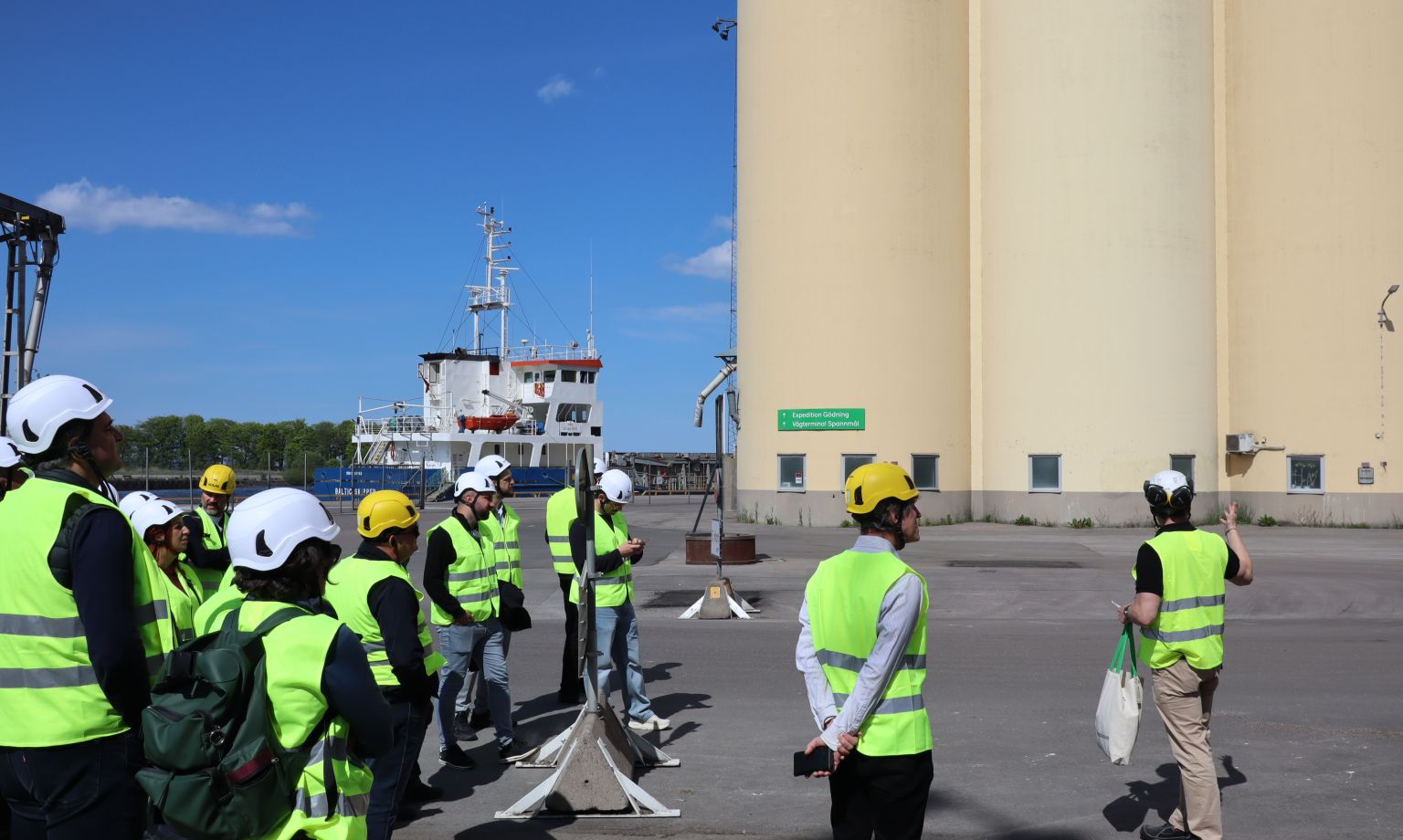
Delegates first visited Skeby Gårdar, where they learned about Swedish agro-processing and how local farmers work with value addition in canola processing, including production of oils and food products.
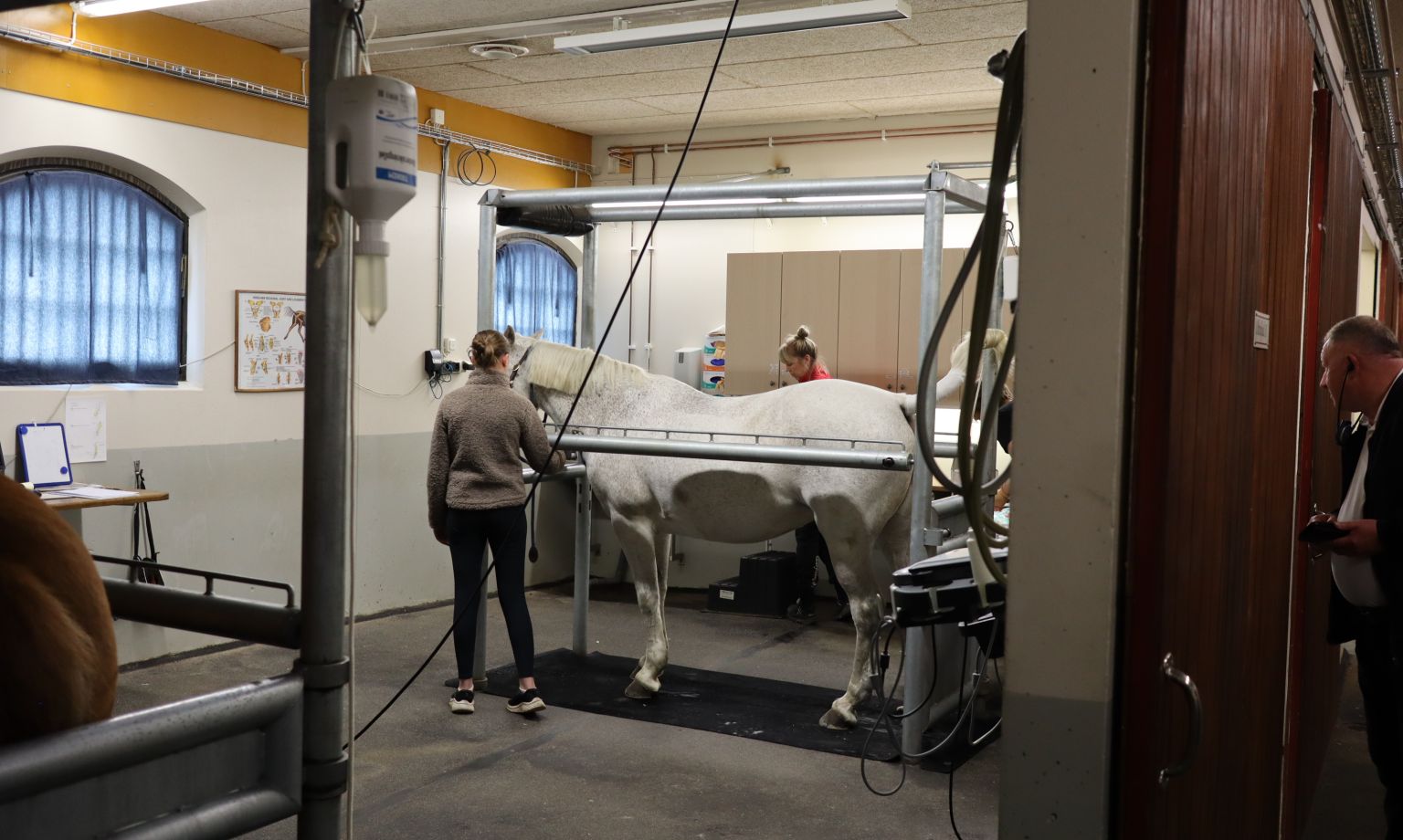
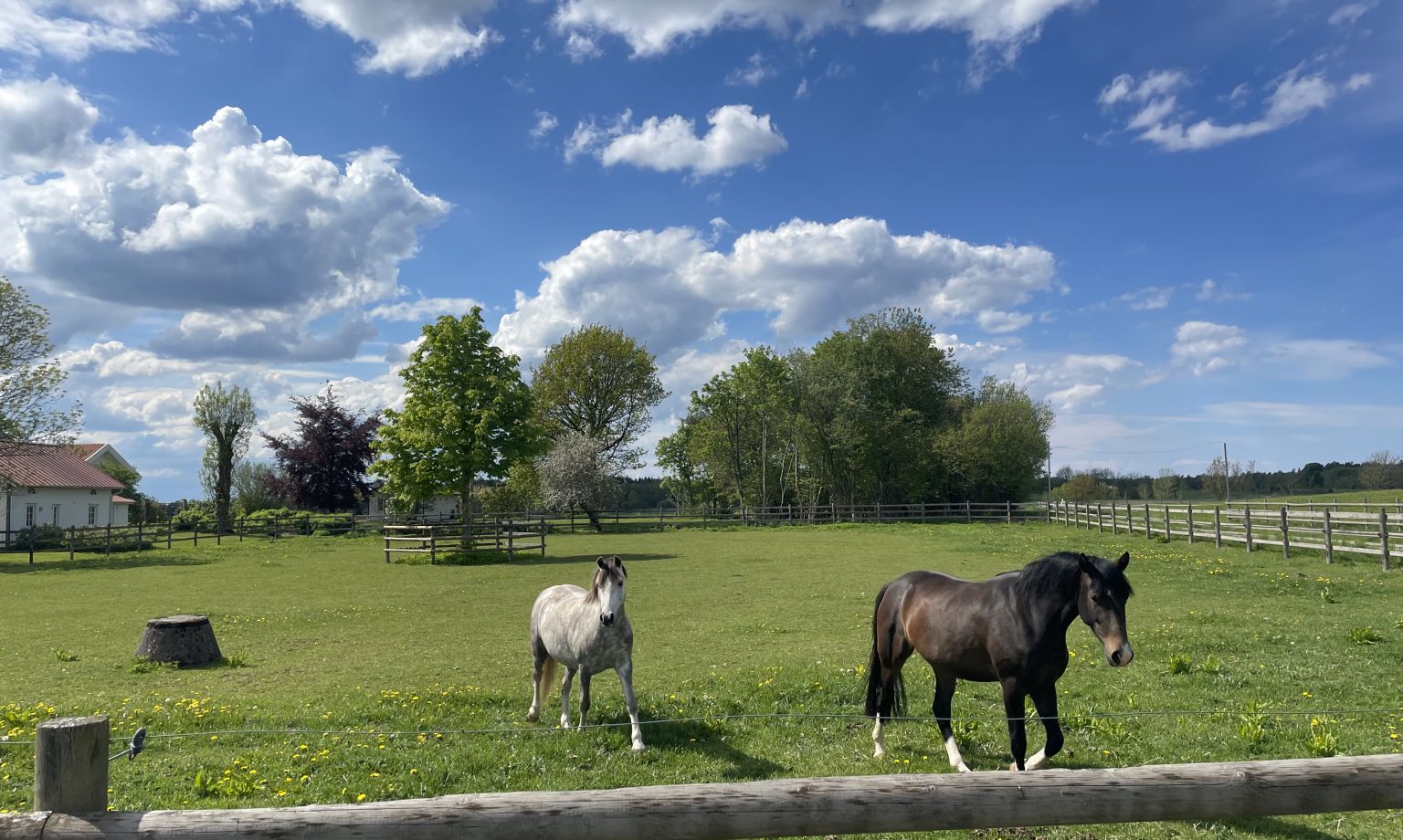
Next, at Apelås Farm, the delegation gained insights into rural entrepreneurship in Sweden and how innovation and diversification can create new opportunities in rural areas. At Apelås the mission is to create a comprehensive, modern facility for horses that blends seamlessly into the cultural landscape. The farm hosts the renowned Husaby Horse Clinic, recognized not only in the region and across Sweden, but throughout the Nordic countries as well, where experienced veterinarians and veterinary assistants provide expert care work with a deep passion for horses. This initiative represents a strong example of how small family-driven efforts can grow into successful and sustainable rural enterprises that contribute to local development and innovation.
At Lantmännen Biorefineries in the small town of Lidköping, the group was introduced to large-scale Swedish agroindustry and biorefinery processes using wheat and legumes to produce plant-based products, alcohol, and other bio-based outputs and by-products following a modern and sustainable vision. The delegation received a special tour to a new investment – the building of an advanced protein extraction technology using mainly locally grown yellow peas.
Exploring precision farming and agricultural research
The next day began in the local community Skara, with a visit to the campus of the Swedish University of Agricultural Sciences (SLU) and Agroväst (a non-profit company that is an important hub for collaboration between research, civil society, and agribusiness in Sweden), where researchers and experts presented modern precision farming technologies, soil health management, and how Agroväst works as a regional innovation platform, bringing actors together. Discussions focused on solutions that can improve productivity while supporting climate adaptation, digitalisation, and environmental sustainability.
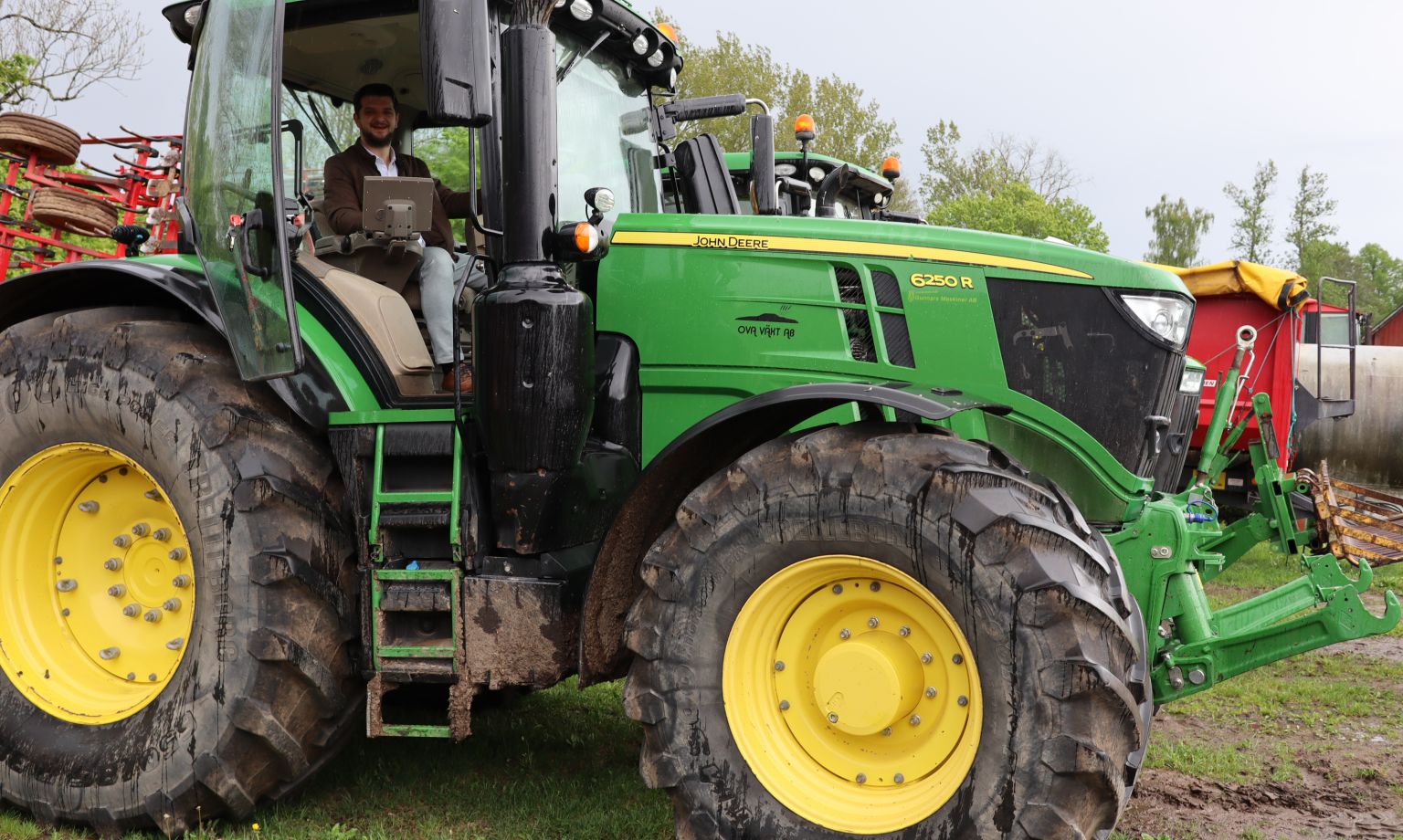
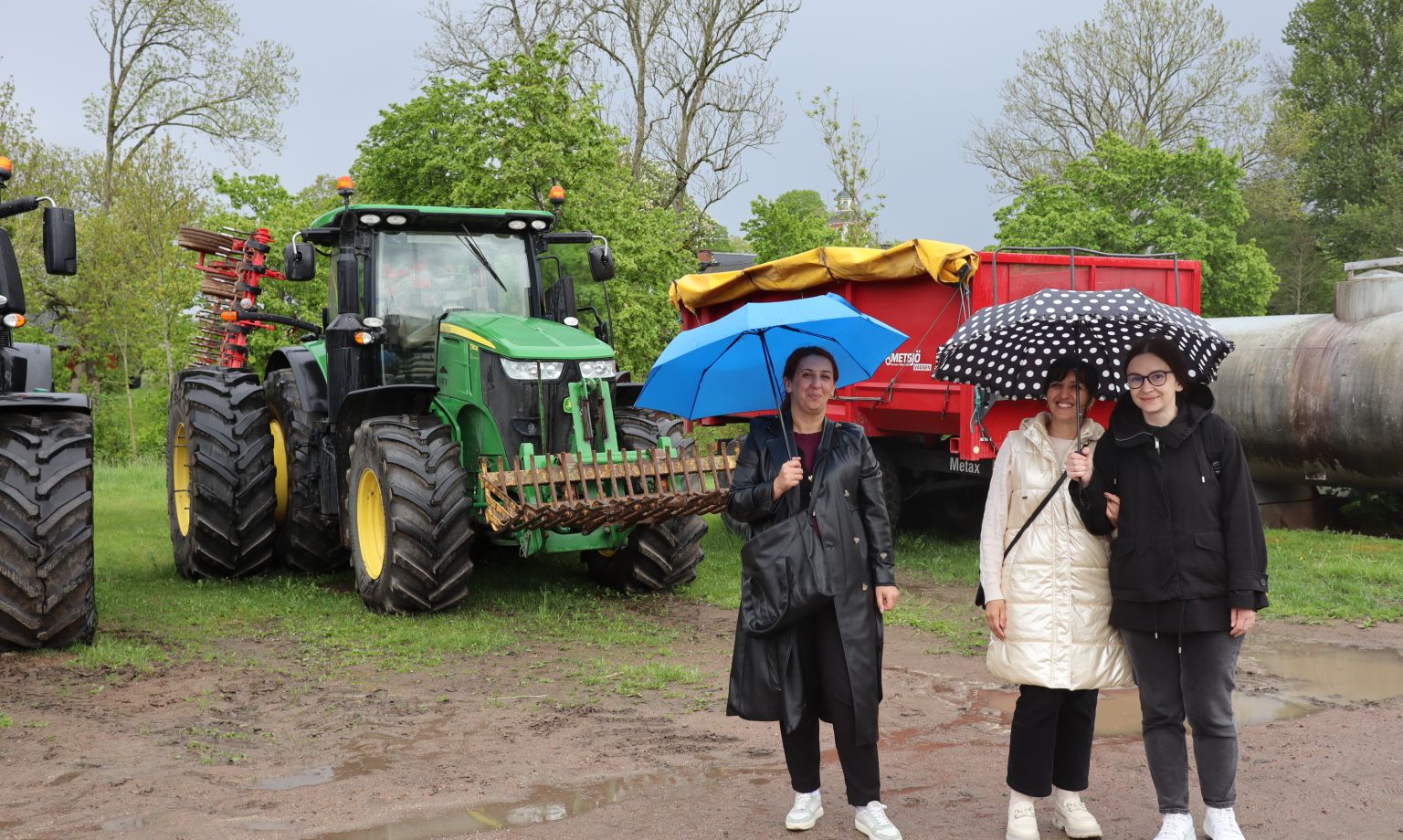
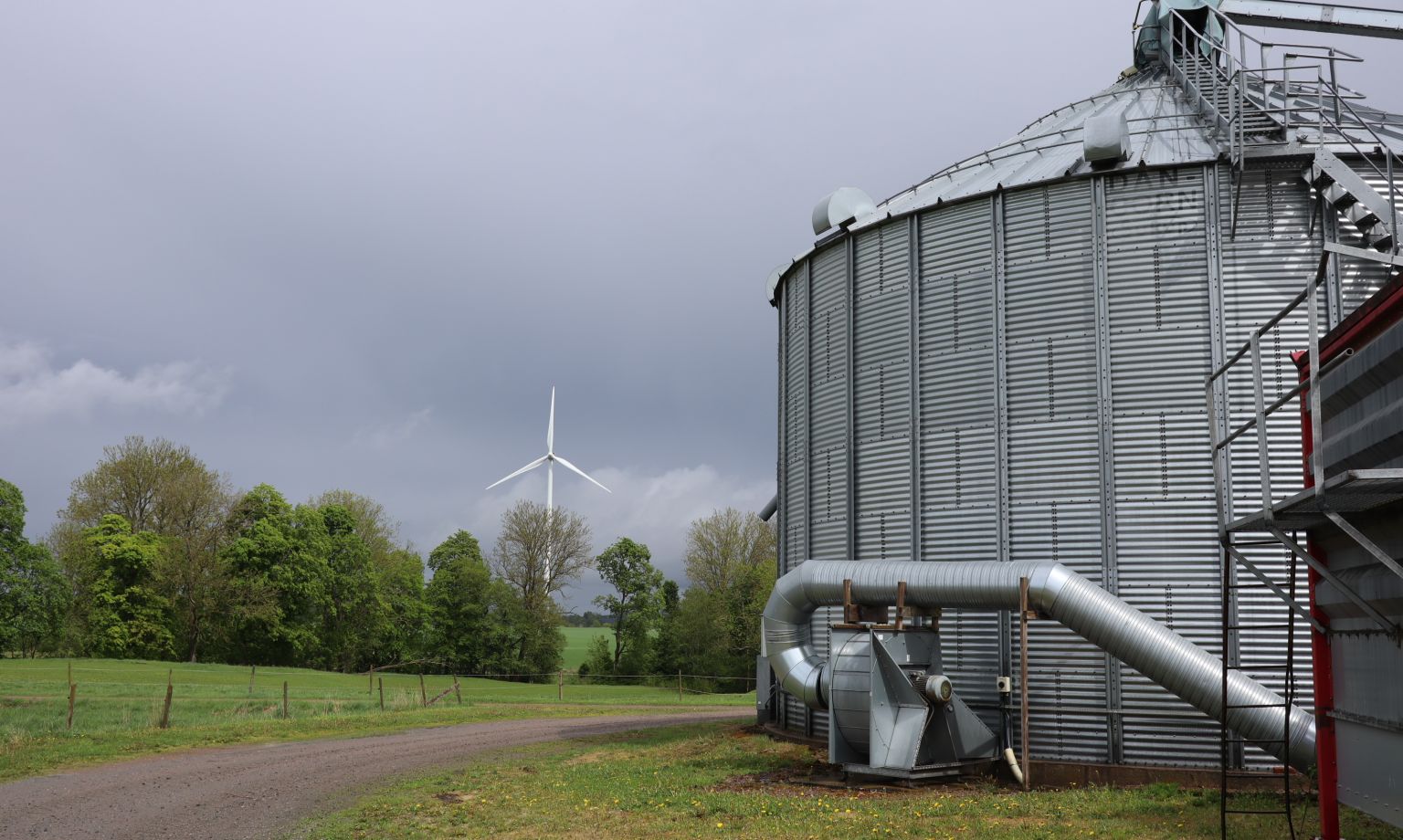
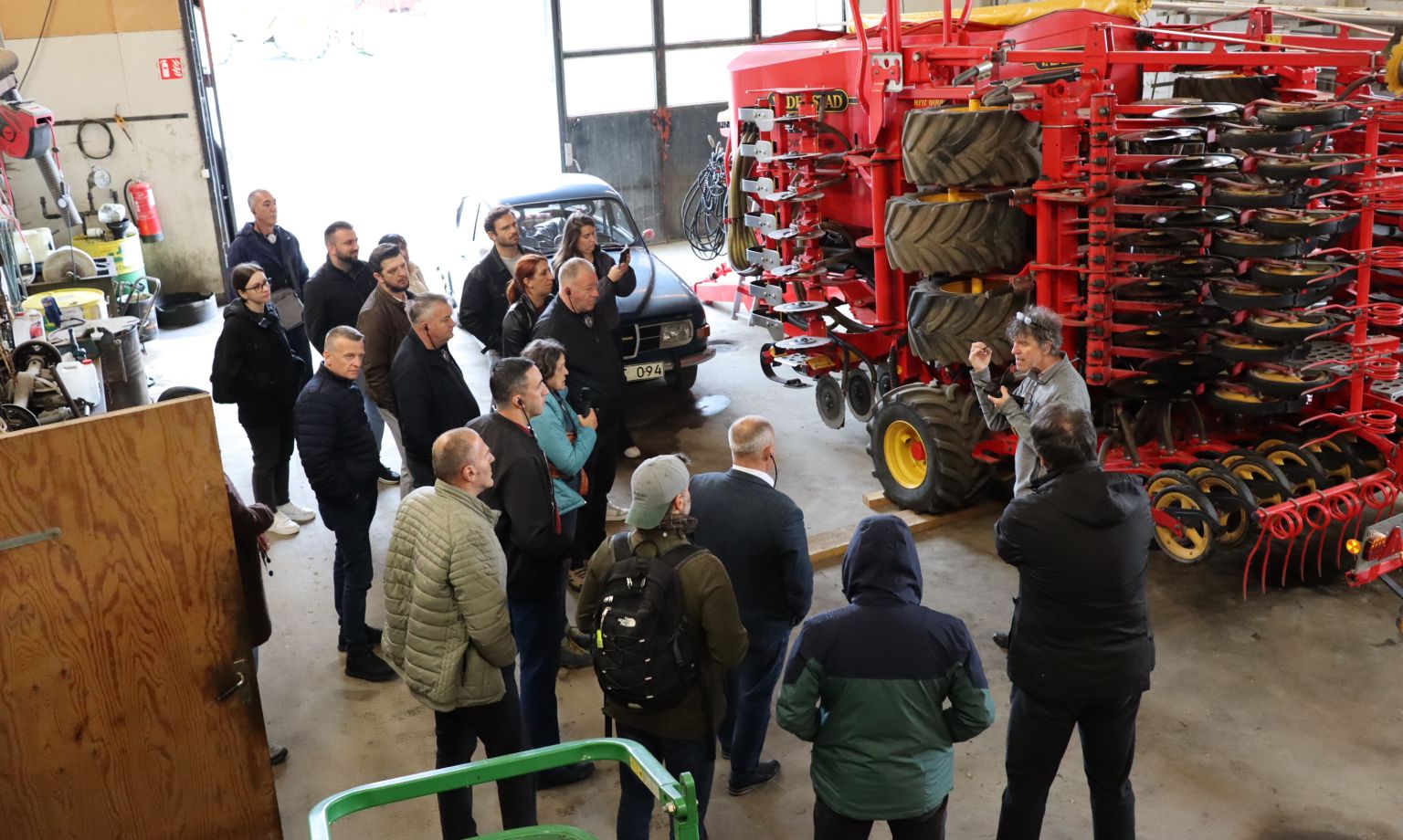
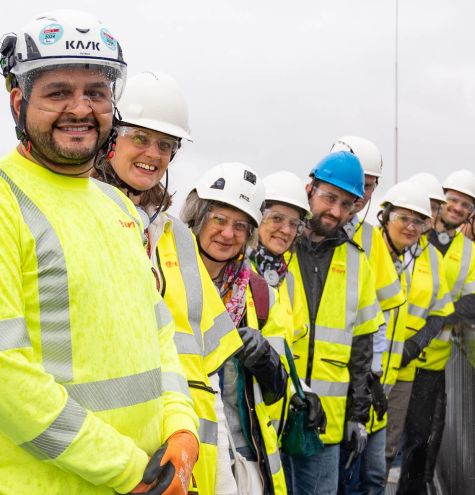
At Mariedals Farm, run by Ivar Virgin and his company, participants saw firsthand how modern grain farming and sustainable forestry are practiced in Sweden, including the use of advanced machinery and precision farming methods at farm level.
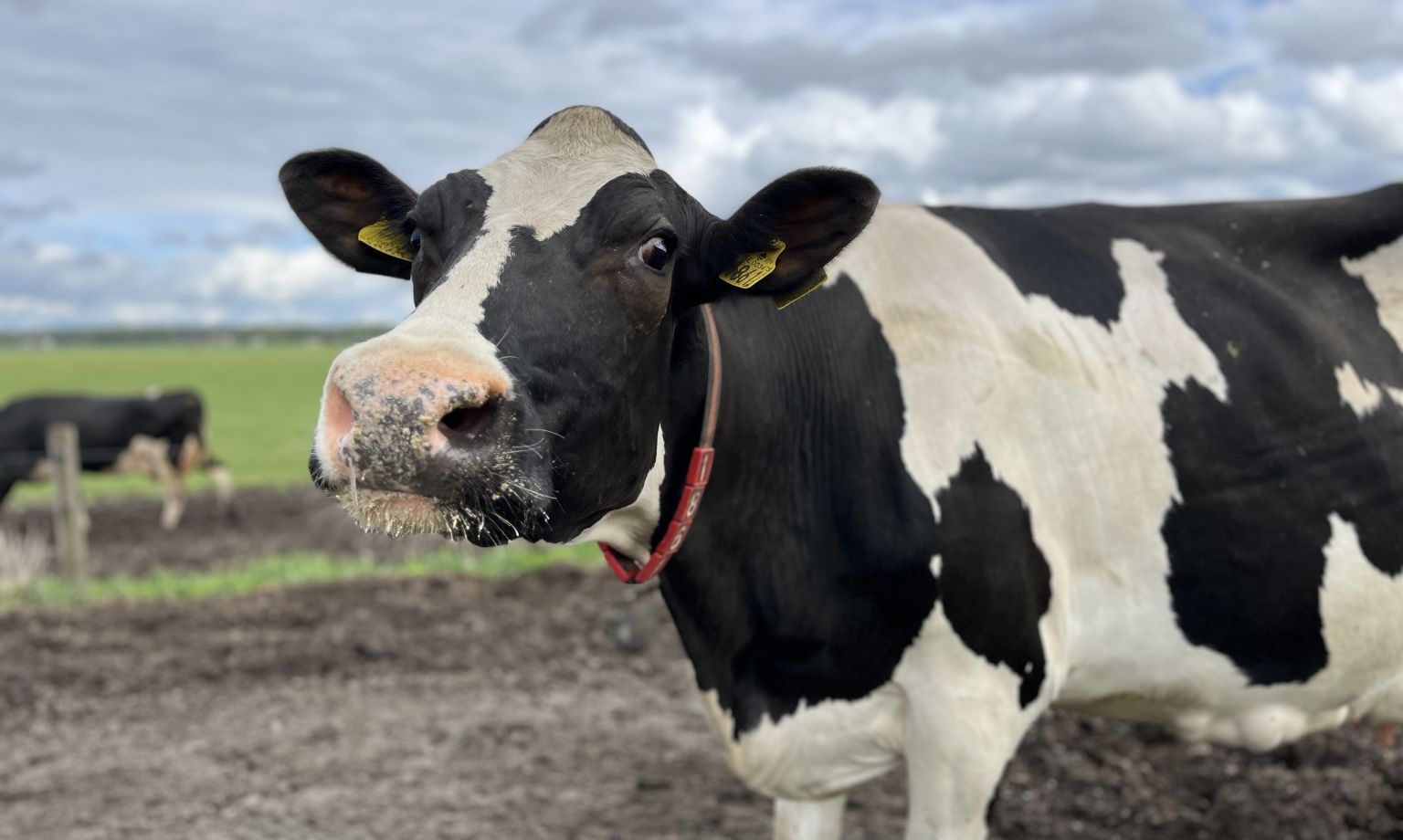
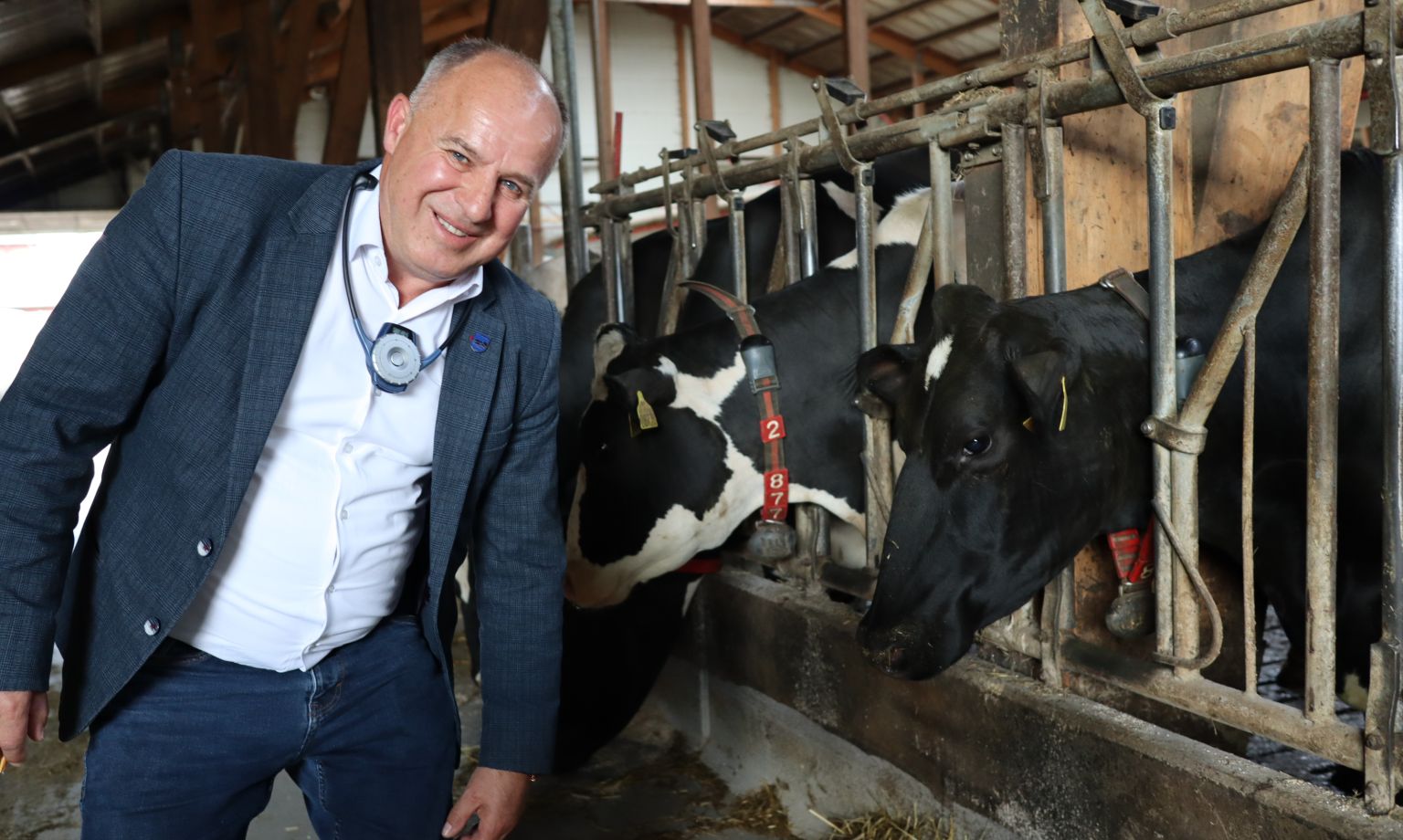
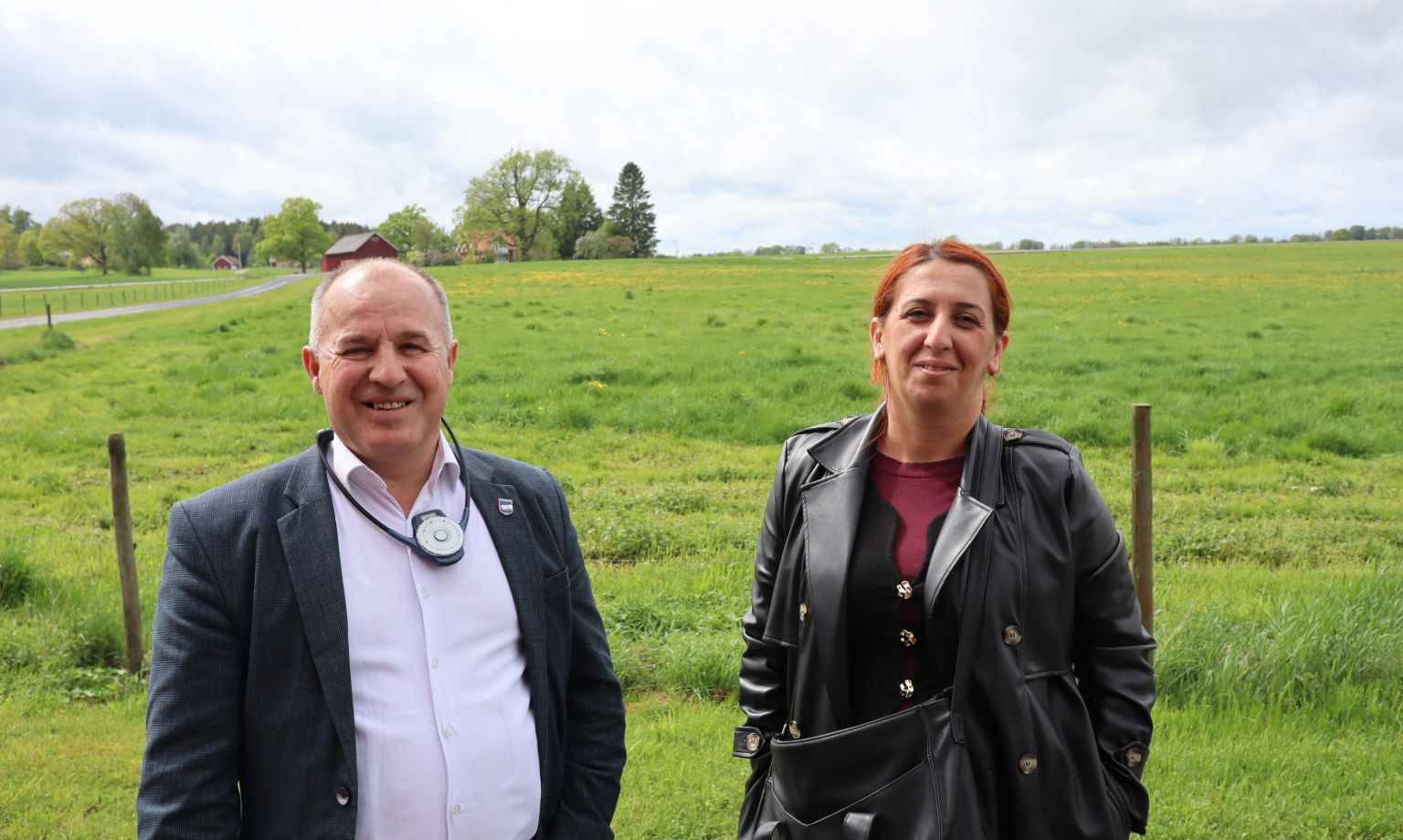
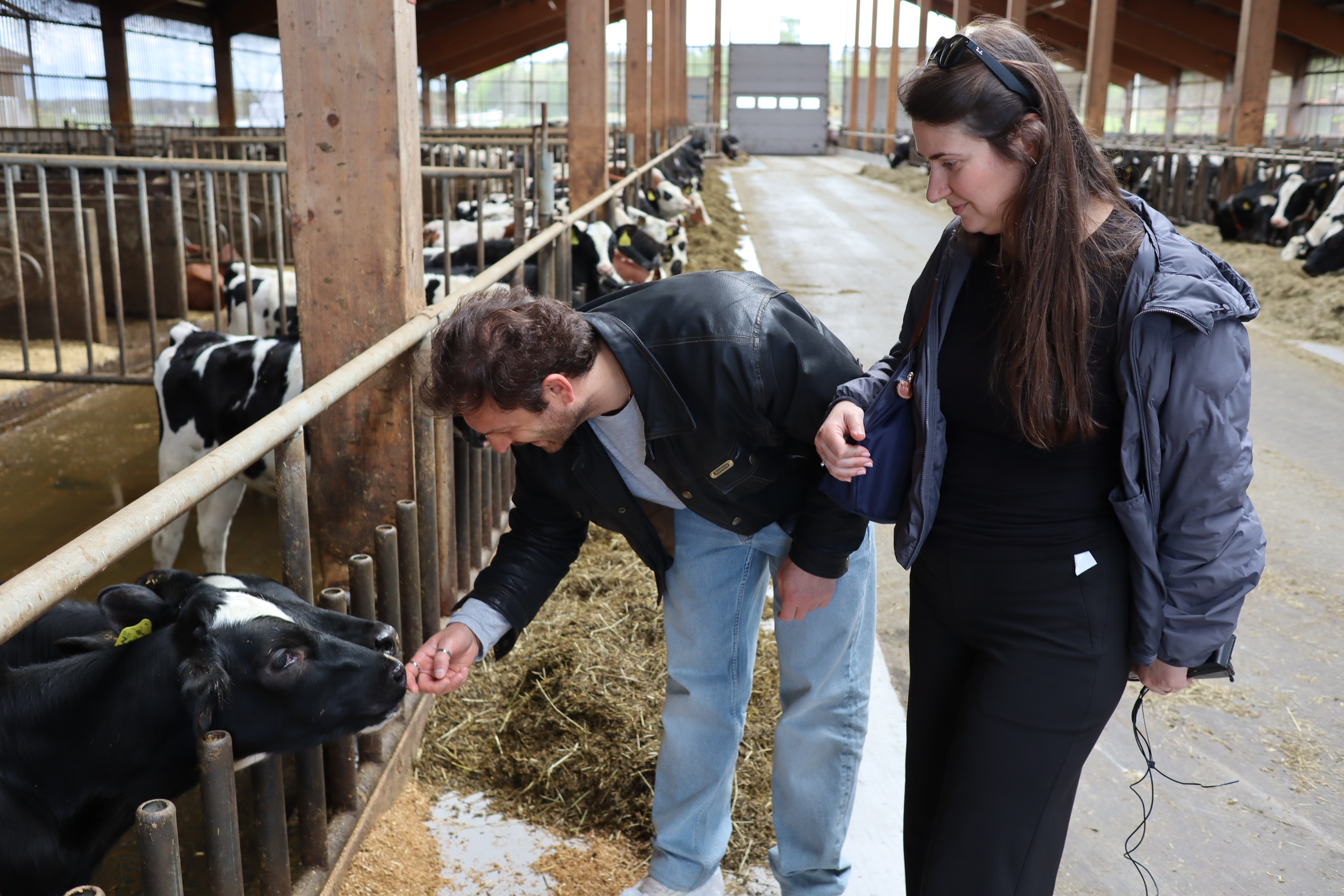
Finally – a meeting with dairy cows! The tour concluded with a visit to Lövåsa Farm, where the delegation learned about modern organic dairy farming and robotic technologies. They got to see the cows up close (around 400 cows at the facility), the smart and automated systems for milking, and they heard about how the company is focusing much effort in creating a working environment that is sustainable for all staff.
Study tour supports collaboration between Sweden and Bosnia and Herzegovina
The study tour created valuable opportunities for dialogue, exchange of experiences, and the development of new ideas on how more sustainable and resilient agricultural systems can be further developed in both Sweden and Bosnia and Herzegovina. The group was particularly inspired by the strong sense of personal responsibility embedded in Swedish society - from environmental responsibility and community- based knowledge-sharing – to the high level of trust and accountability within business relations. These values were recognized as essential foundations for long-term development and progress.
Beyond learning about innovative farming practices and rural entrepreneurship, the visit also highlighted the importance of cooperation and collective action in building stronger rural communities. As one participant concluded: “Farmers need to act - and act together - to associate, form partnerships, and invest jointly. The key lies in collaboration, partnership, and community.”
See the gallery below:
Discover the News and Updates section, delivering the latest updates and insightful content across various topics. Stay informed with most recent news articles, reports, and publications, of the BiH SuTra project.







 Banovici
 Breza
Breza
 Gacko
Gacko
 Gradiška
 Kakanj
 Ugljevik
 Živinice
 Ministarstvo vanjske trgovine i ekonomskih odnosa BiH
 Stockholm Environment Institute
 Sweden