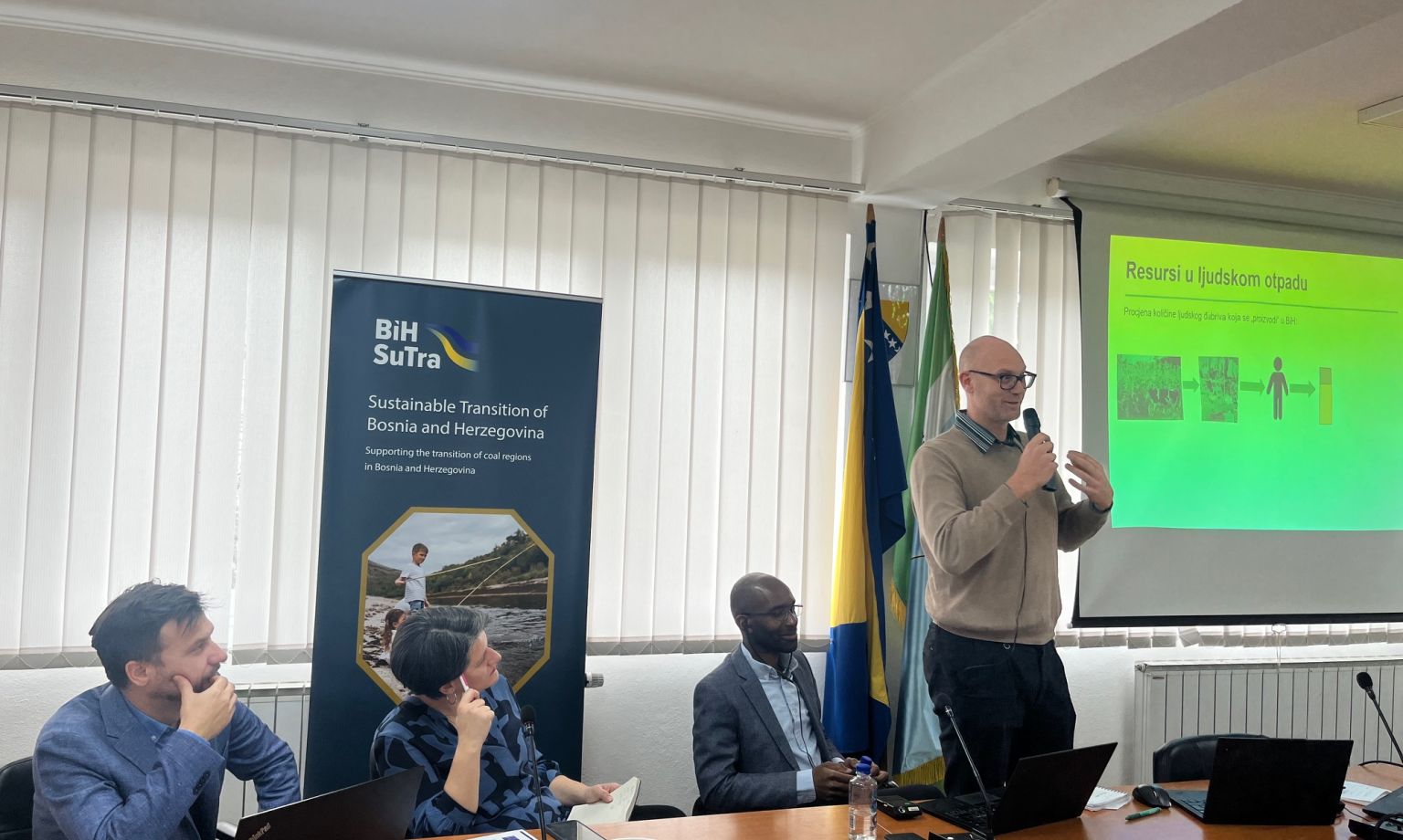
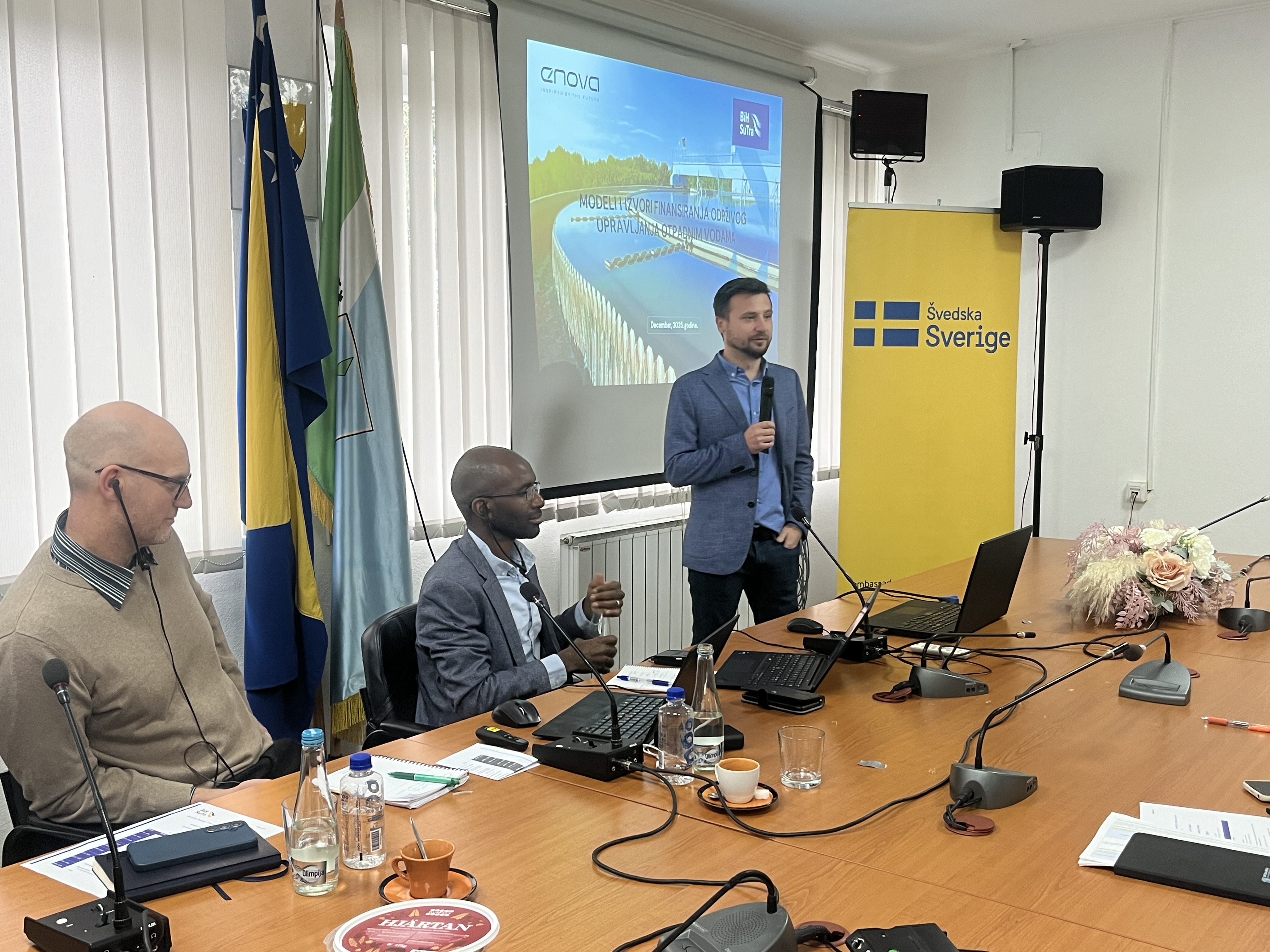
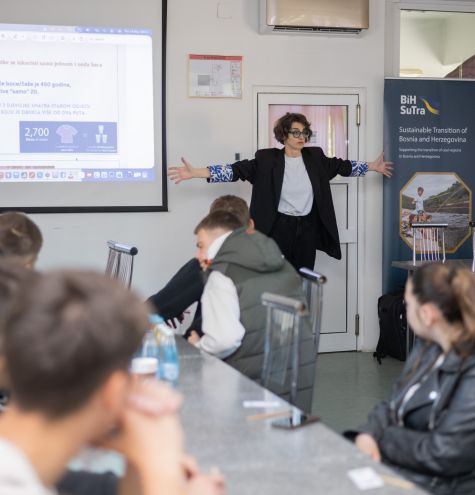
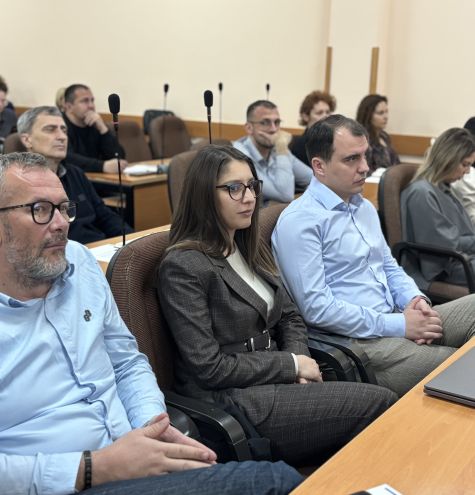
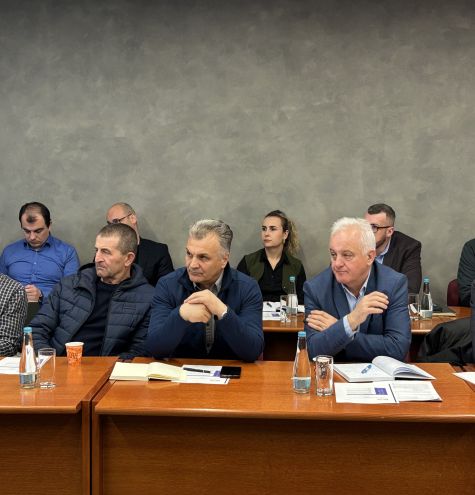
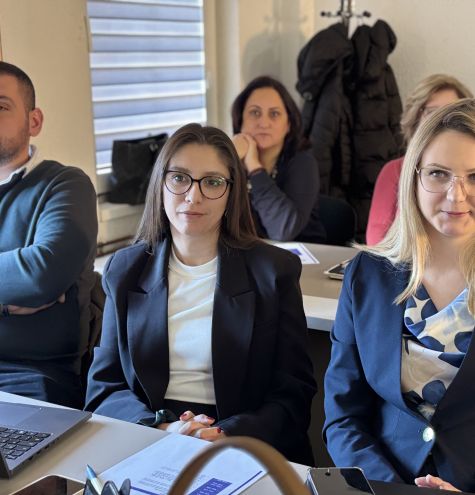
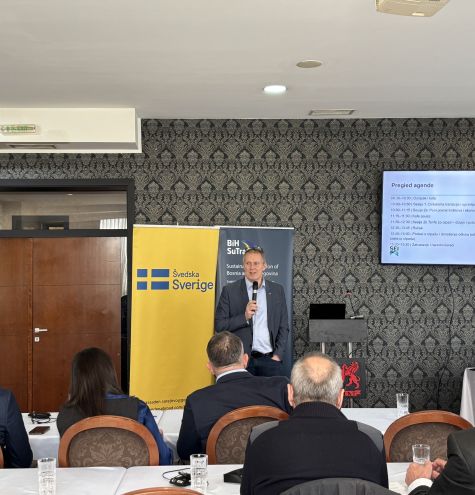
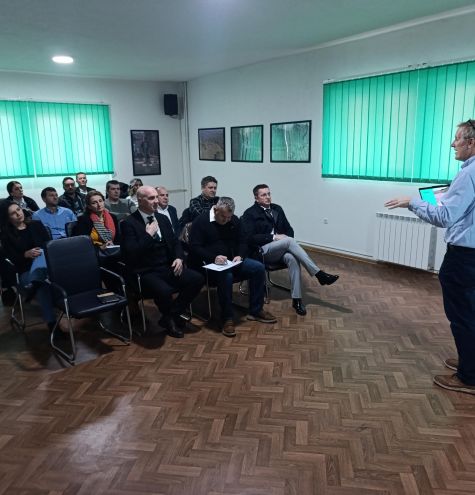
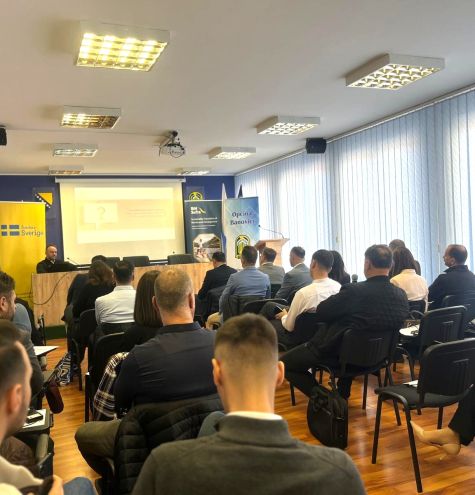
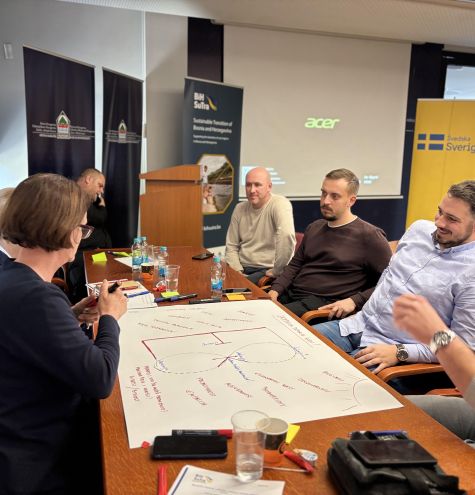
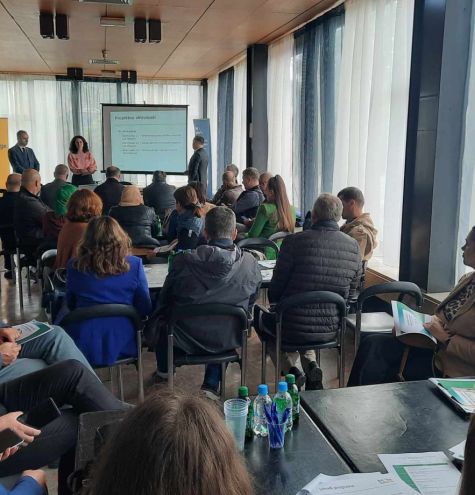
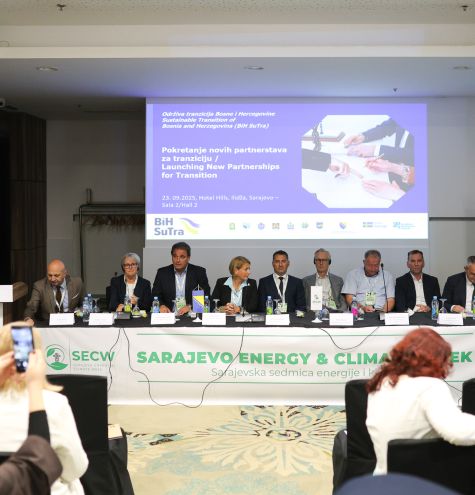
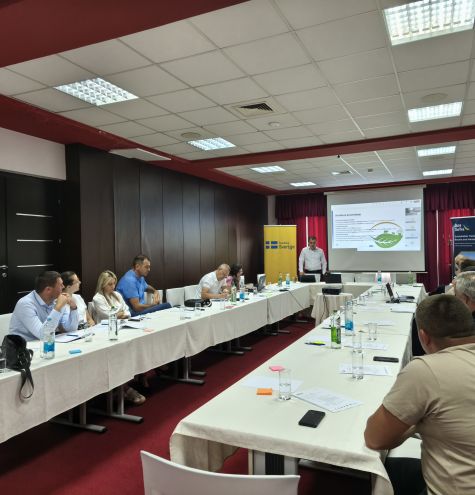
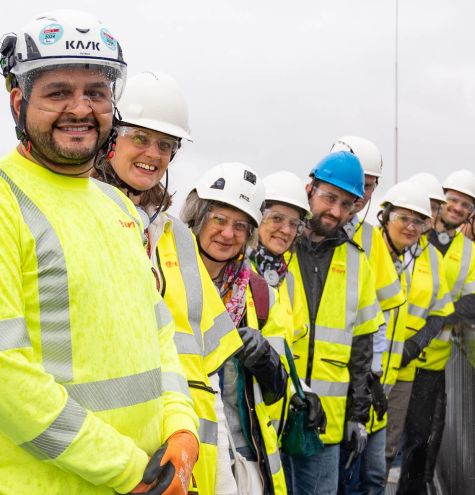
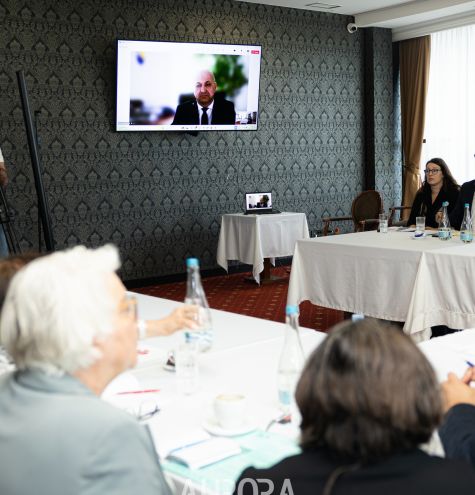
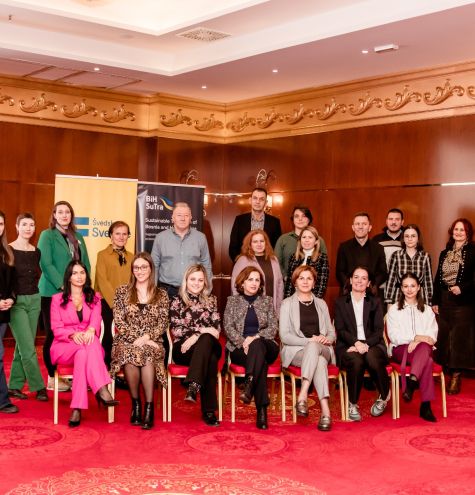
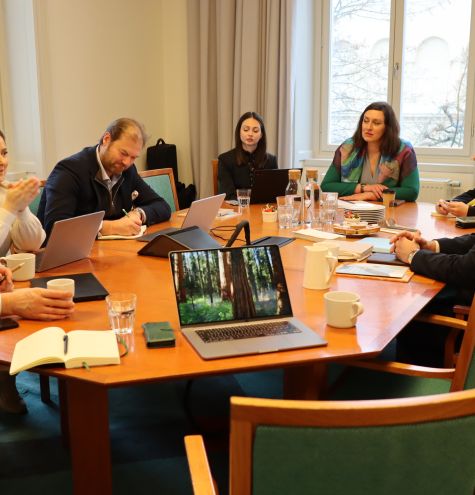
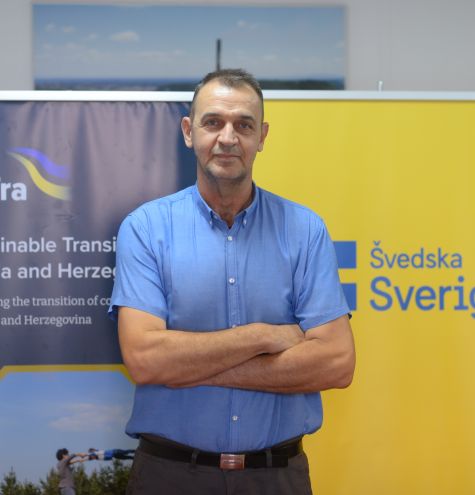
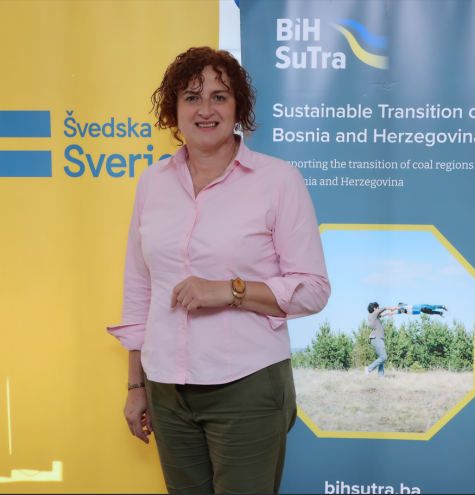
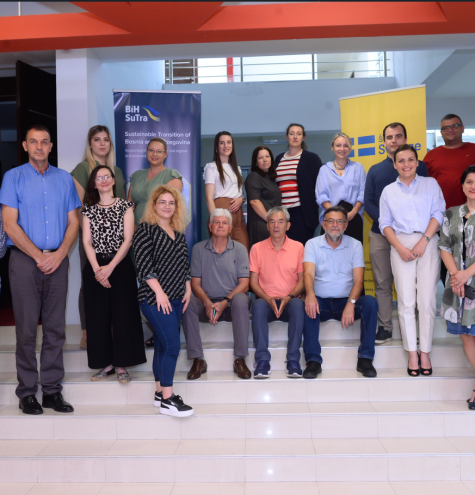
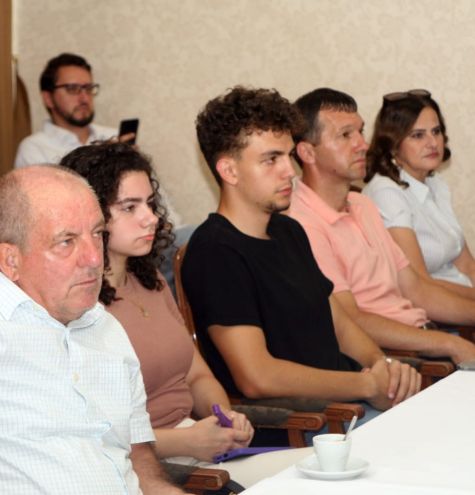
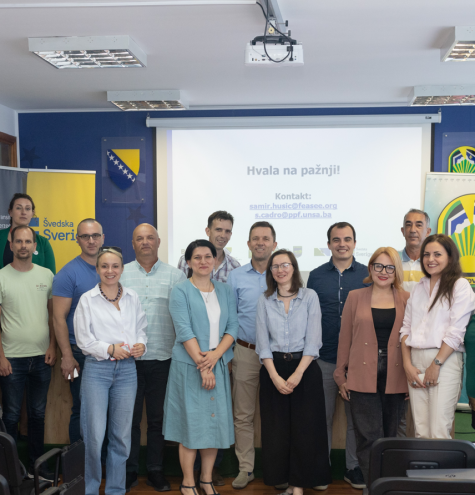
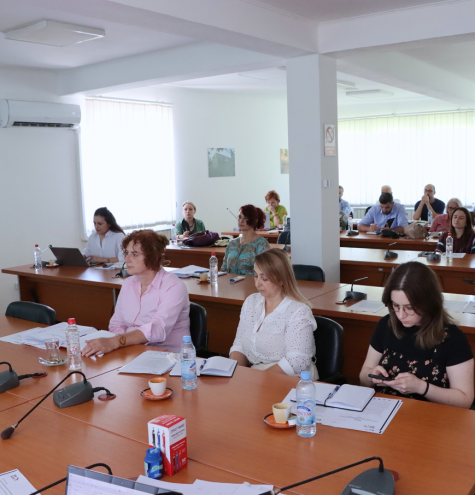
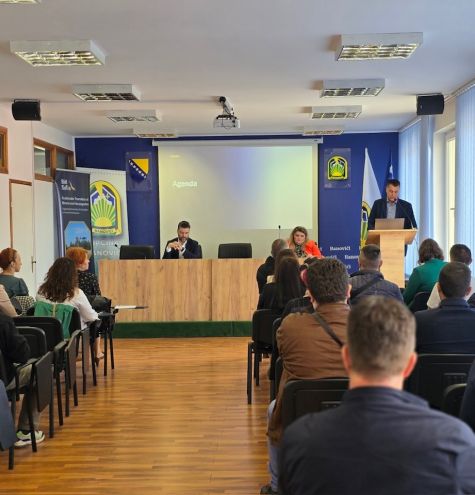
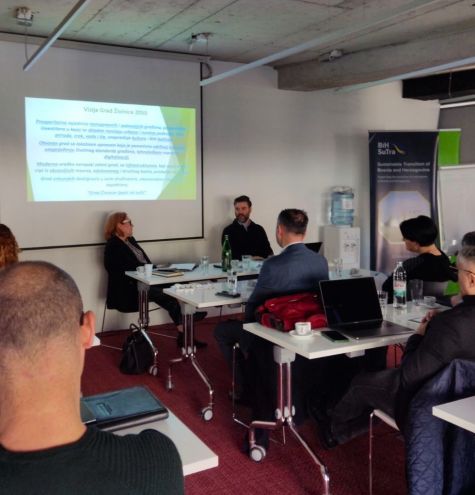
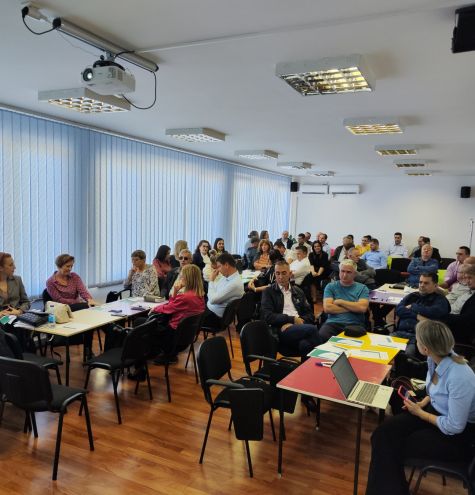
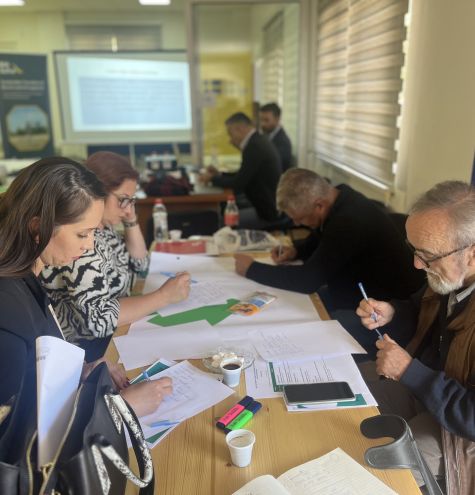
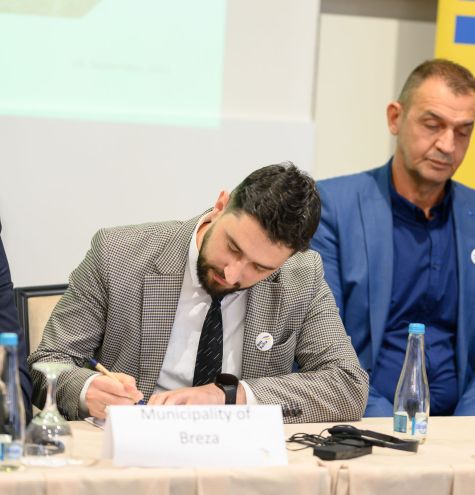
 Workshop in Breza. Photo: BiH SuTra.
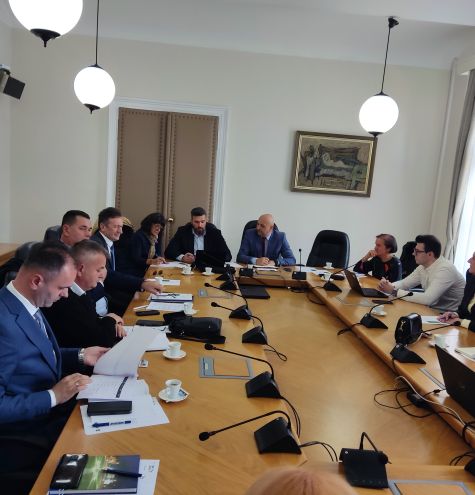
Workshop in Breza. Photo: BiH SuTra.
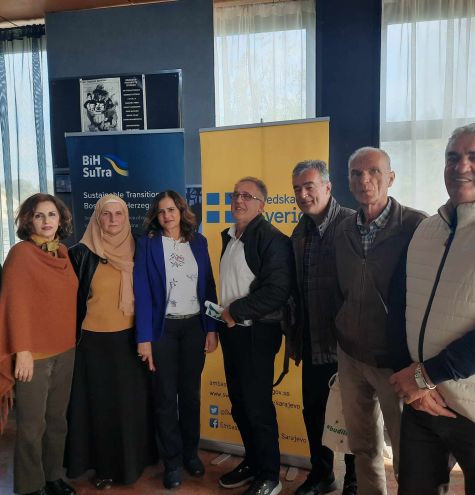
Workshop in Breza. Photo: BiH SuTra.
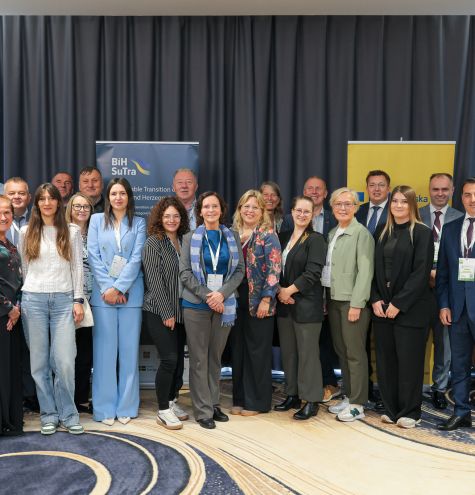
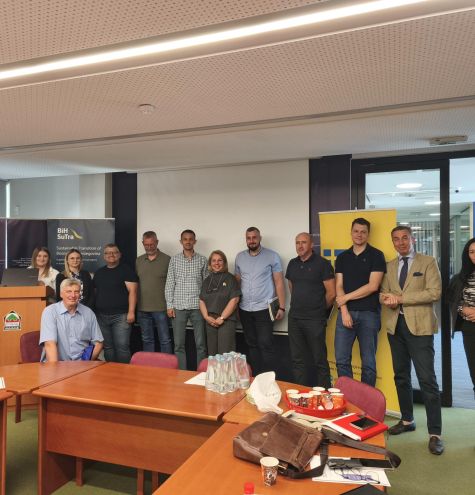
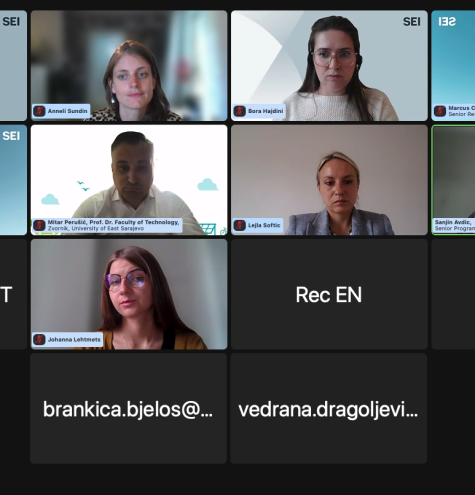
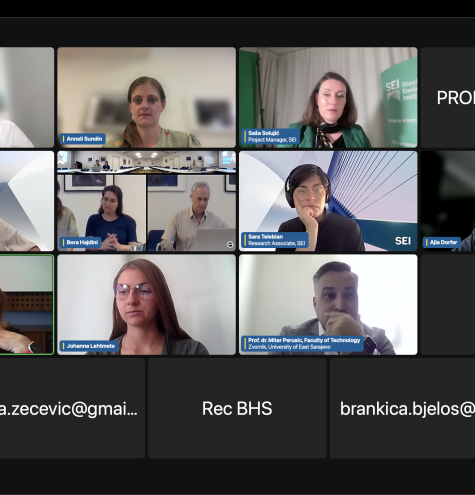
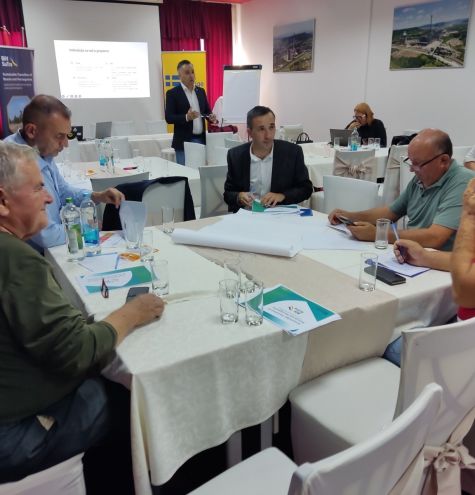
Representatives of local self-government units involved in the BiH SuTra project gathered in Breza on 2 December 2025 for the workshop “Enhancing Wastewater Management within Municipal and City Sustainability Transition Plans – Lessons from Sweden.”
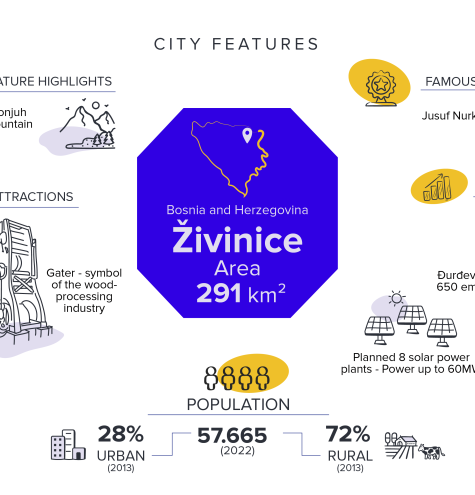
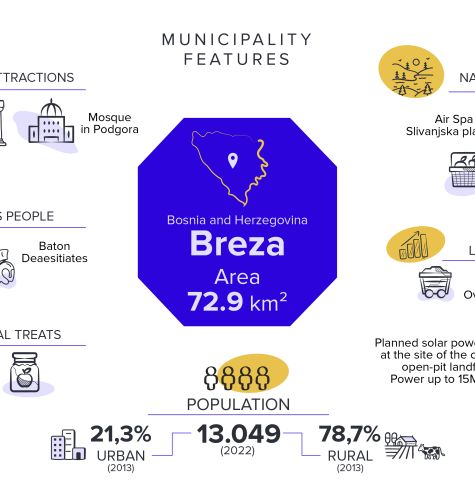
During the workshop, participants from the Municipality of Banovići, Municipality of Breza, Municipality of Gacko, City of Gradiška, Municipality of Kakanj, Municipality of Ugljevik and City of Živinice explored strategies for implementing sustainable wastewater management across their municipalities and cities. The event featured both Swedish and local experts, providing a mix of international best practices and practical local insights.
Sweden is widely recognized for its high-quality, circular wastewater management solutions, which serve as an inspiring example for countries in transition, such as Bosnia and Herzegovina. Daniel Ddiba and Linus Dagerskog from the Stockholm Environment Institute (SEI), implementing the BiH SuTra project with support from the Swedish International Development Cooperation Agency (SIDA), shared their extensive field experience, offering guidance on how Bosnian municipalities/cities can leapfrog outdated models and adopt modern, resource-efficient systems.
BiH’s advantage: Building modern systems without repeating outdated models
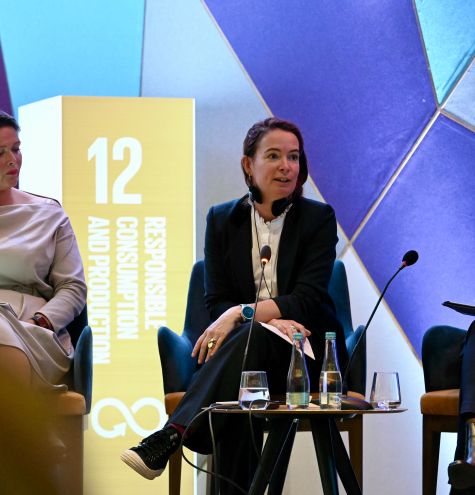
“Wastewater is not waste — it is a resource,” emphasized Daniel Ddiba, Research Fellow at Stockholm Environment Institute (SEI), at the workshop in Breza, highlighting that even smaller, rural, or less developed municipalities/cities can adopt circular and resource-efficient solutions. According to Ddiba, Swedish experiences show that decentralized systems — such as those in Södertälje or networks of smaller plants across rural areas — can successfully recycle nutrients, reduce local pollution and remain financially sustainable over the long term. “The key to success lies in clear standards, defined responsibilities and a well-functioning monitoring system,” he added.
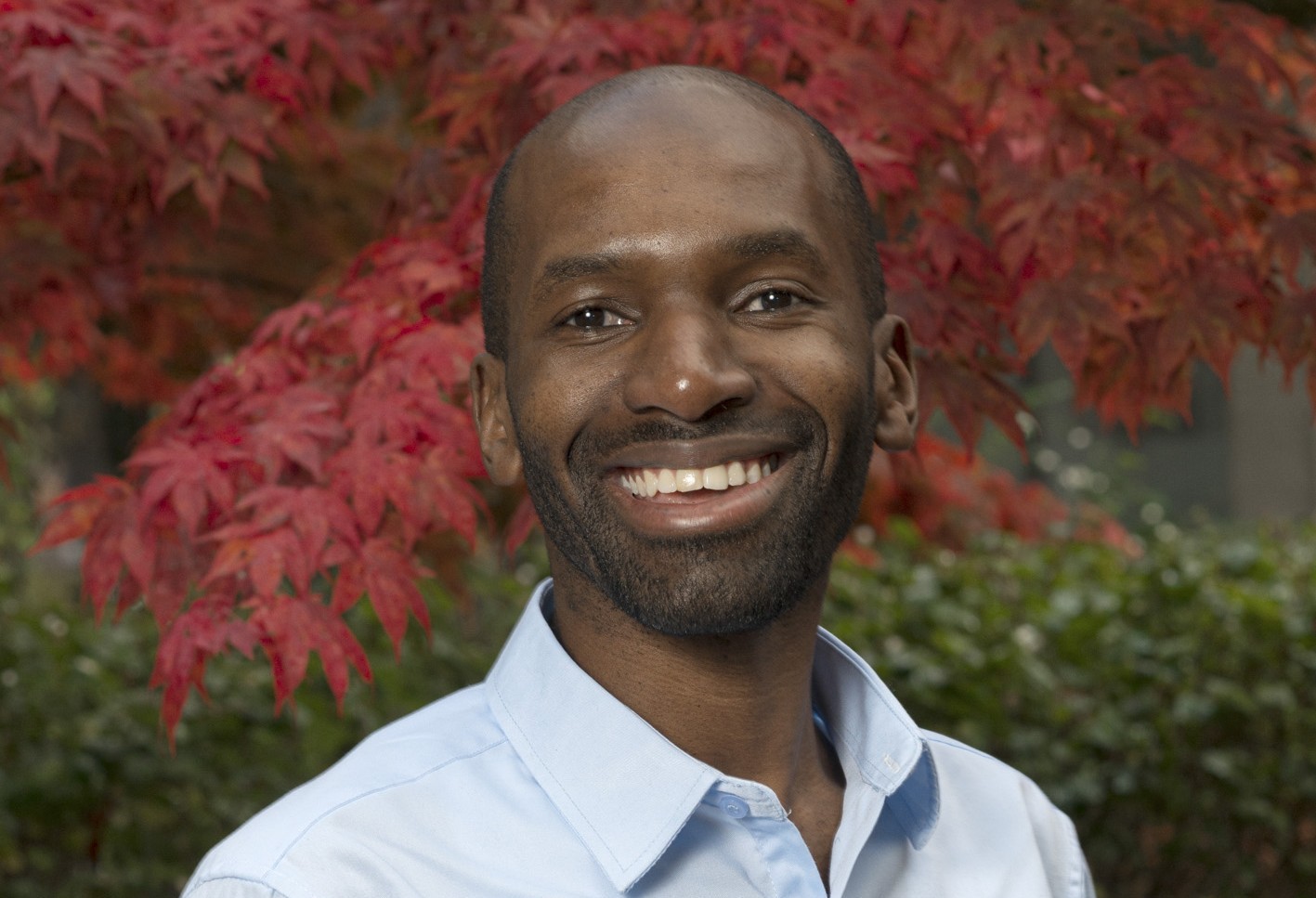
Ddiba stressed that Sweden’s progress in wastewater management was not achieved through infrastructure alone, but through strong institutions, well-defined regulatory frameworks and extensive inter-municipal cooperation. “Collaboration between municipalities/cities allows for joint planning and shared use of technical resources, significantly reducing costs and increasing efficiency,” he explained. Swedish joint water utilities, managing services across multiple municipalities, provide a model that could be highly beneficial for Bosnia and Herzegovina, particularly in areas with limited local capacities.
Bosnia and Herzegovina, Ddiba noted, has a rare advantage: much of its wastewater infrastructure is yet to be built. “Bosnia and Herzegovina does not need to repeat our mistakes — it can skip outdated models and move directly into the next generation of wastewater management,” he said. This includes climate-resilient systems, a smart combination of centralized and decentralized solutions, improved stormwater management and technologies that recover water, energy and nutrients — resources that are currently largely lost. “This is an opportunity to build sustainable, efficient and cost-effective wastewater management tailored to local needs,” Ddiba concluded.
Building on Sweden’s long-standing experience with resource-efficient and climate-resilient wastewater systems, experts from Sweden emphasized how Bosnia and Herzegovina can use this moment of transition to adopt modern, sustainable solutions.
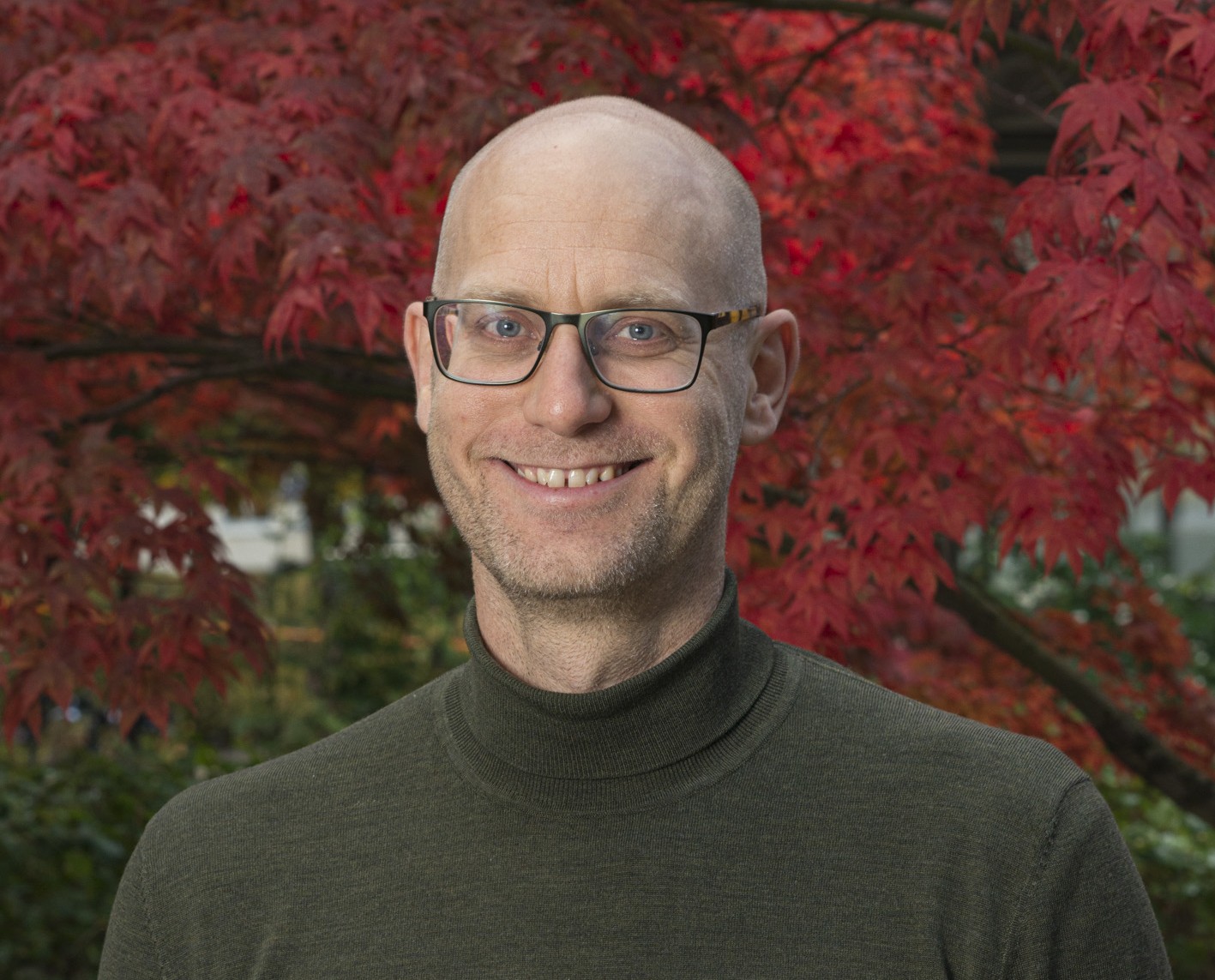
“Wastewater management not only reduces pollution, but can also support agriculture, the circular economy, energy provision and biodiversity if planned holistically with resource recovery and reuse. Local communities are now collaborating to address these challenges and knowledge-sharing networks from Sweden can be useful in Bosnia and Herzegovina as well. This is a key moment for the country: local communities are facing these issues for the first time, making investment decisions and have the opportunity to implement innovative, nature-based solutions and leapfrog unsustainable technologies, building efficient systems from scratch,” said Linus Dagerskog, a Research Fellow at SEI.
Local perspectives, financing and long-term planning
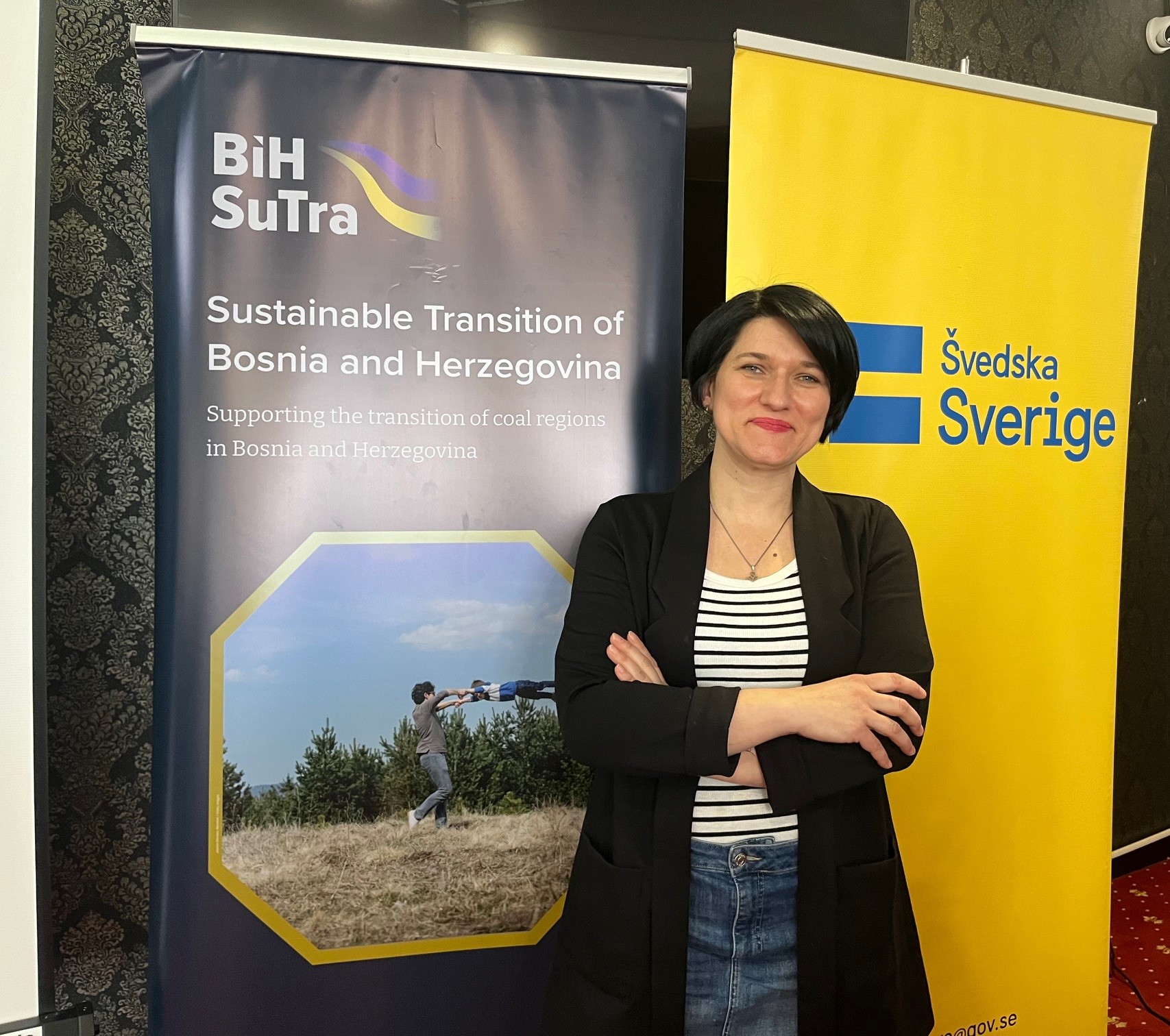
The workshop also highlighted the importance of local expertise. Melina Džajić-Valjevac, an expert in sustainable water and chemical management, emphasized that municipalities/cities must adopt a broader perspective to ensure sustainable financing and long-term benefits. “The goal is to encourage municipalities/cities to plan wastewater management across their entire territory, recognizing the importance of clean environments for public health and quality of life,” she explained.
Despite significant needs and available financing opportunities, the water sector in Bosnia and Herzegovina has been facing deeply rooted structural challenges for years. Experts warn that the focus is often placed solely on building infrastructure, while the elements crucial for long-term sustainability — management, financial viability and depoliticisation of the system — are overlooked. These challenges were highlighted at the workshop by Muris Mešetović, an expert in corporate and public finance. “Investments in the water sector in Bosnia and Herzegovina are most often reduced to the question of how to secure funds for constructing facilities, but the real problem emerges after they are built — how to manage them efficiently. We lack knowledge and planning of operational costs, which often leads to facilities not functioning properly. Water service prices are politically determined and artificially low, without a unified methodology. As a result, utility companies cannot cover even basic costs, let alone operate more complex facilities. Additional challenges include the lack of a legal framework for public-private partnerships, weak public administration capacities for project preparation and limited fiscal space in municipal and city budgets. Although different financing models exist, including loans and green bonds, political risks and regulatory shortcomings deter investors. The solution lies in gradually strengthening all these segments — from the financial framework and management capacities to the depoliticisation of tariffs — step by step, because a sustainable system cannot be built overnight.”
The workshop provided participants with practical tools, real-world examples and actionable insights to build resilient, climate-smart and circular wastewater systems aligned with EU standards and national priorities.
Discover the News and Updates section, delivering the latest updates and insightful content across various topics. Stay informed with most recent news articles, reports, and publications, of the BiH SuTra project.



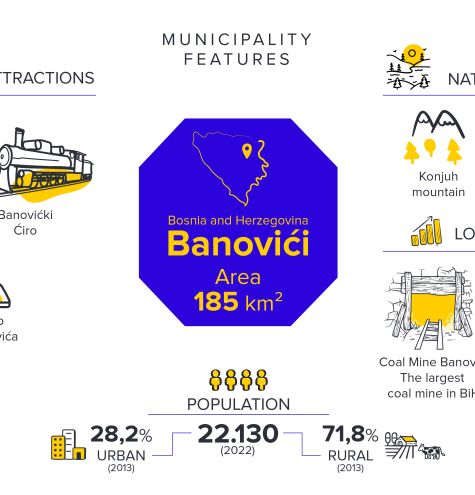
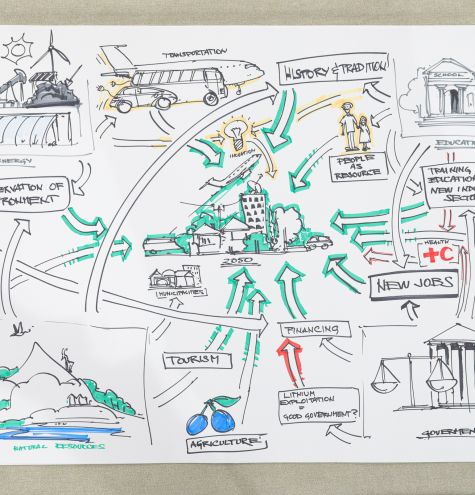

 Banovici
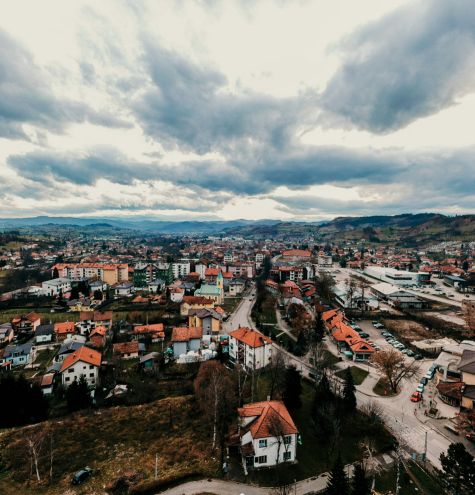
 Breza
Breza
 Gacko
Gacko
 Gradiška
 Kakanj
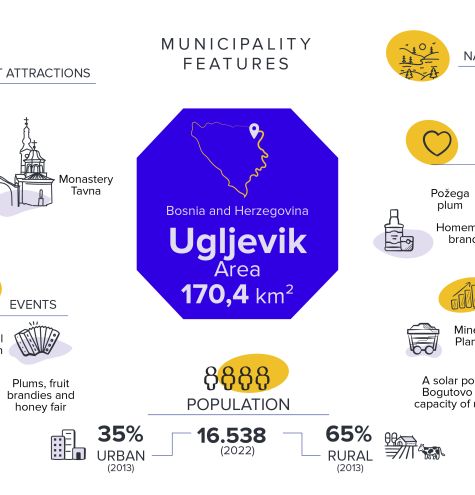
 Ugljevik
 Živinice
 Ministarstvo vanjske trgovine i ekonomskih odnosa BiH
 Stockholm Environment Institute
 Sweden