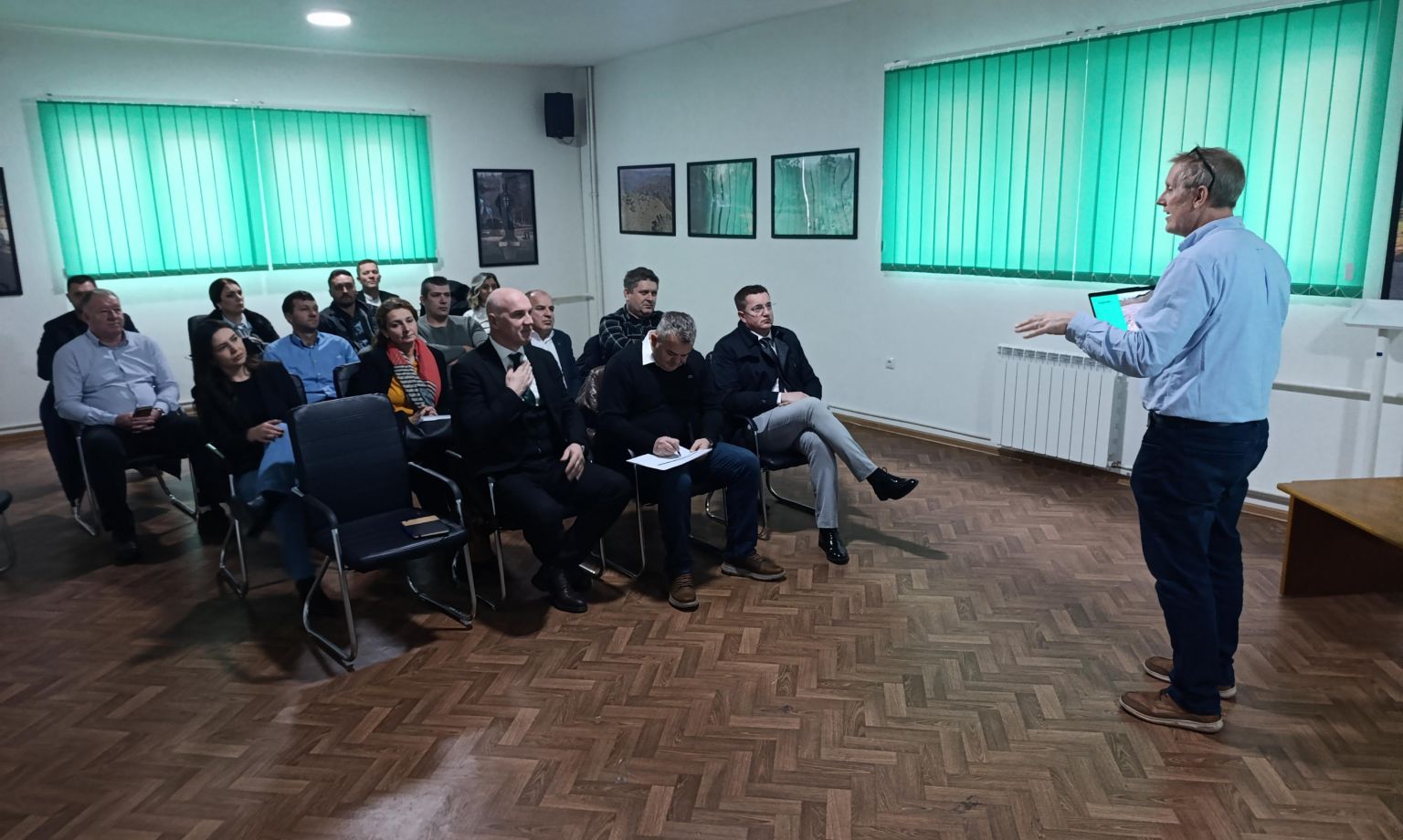
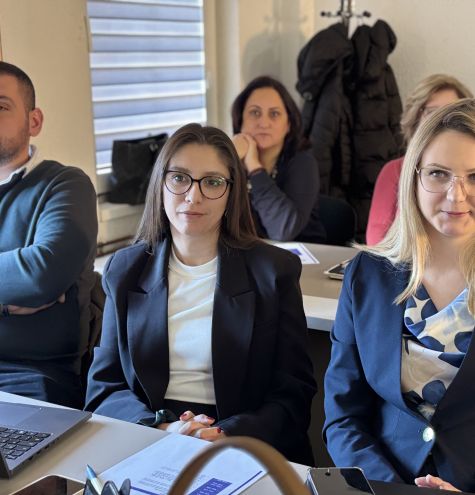
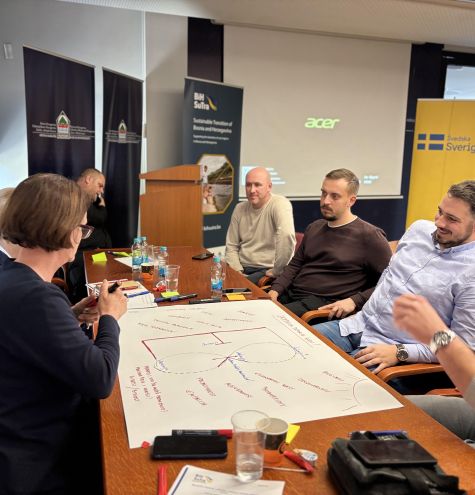
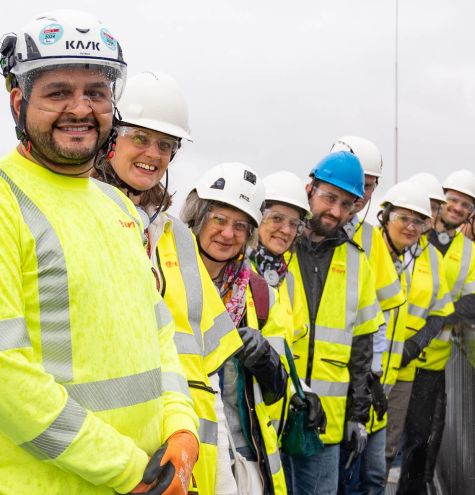
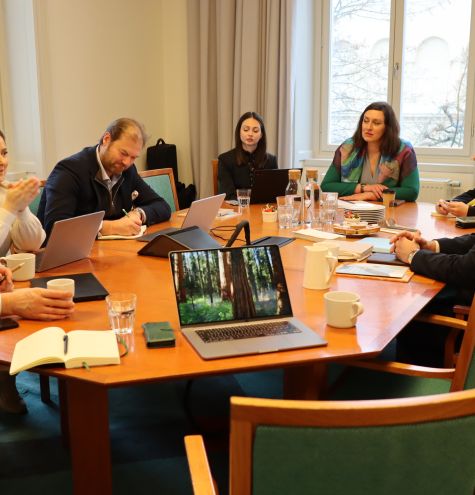
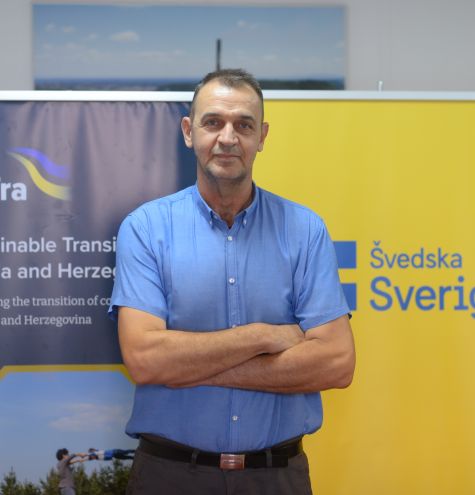
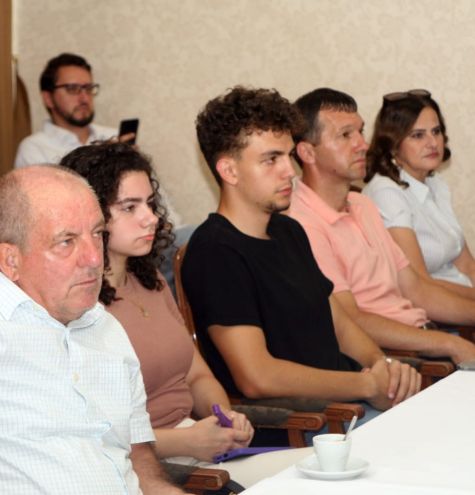
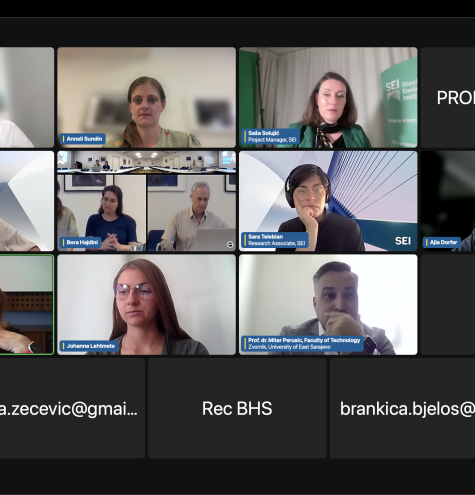
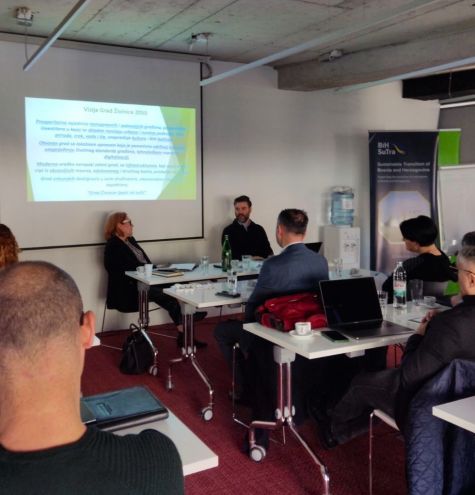
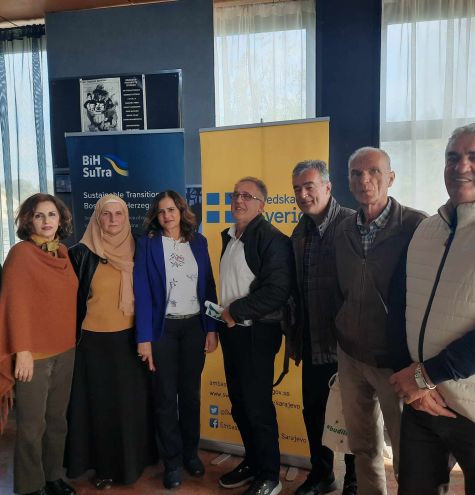
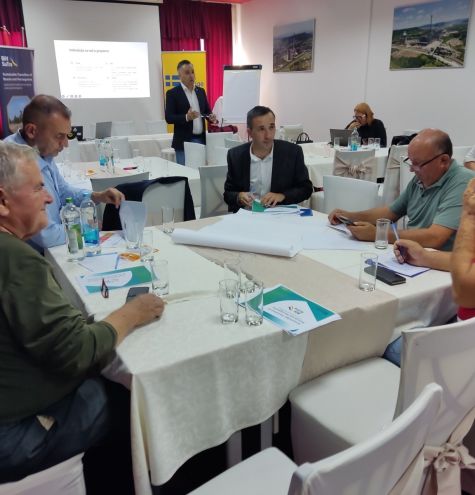
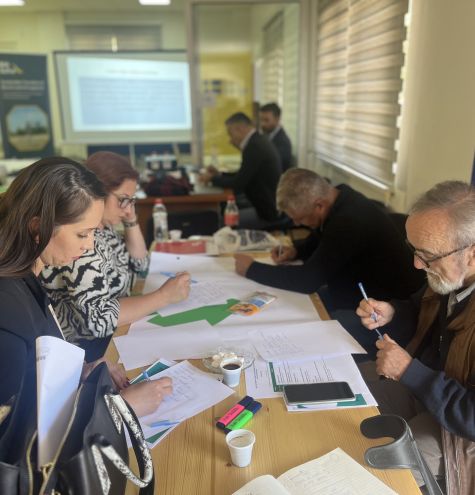
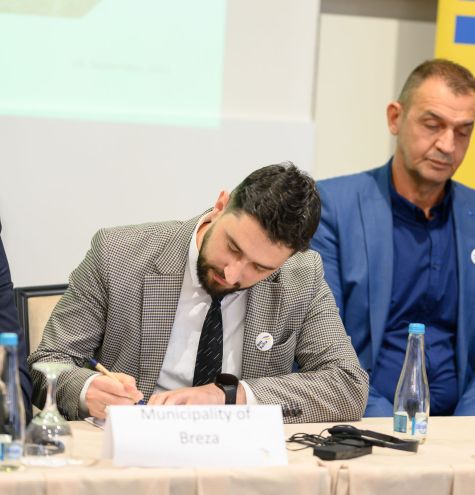
 Capacity building event. Photo: BiH SuTra
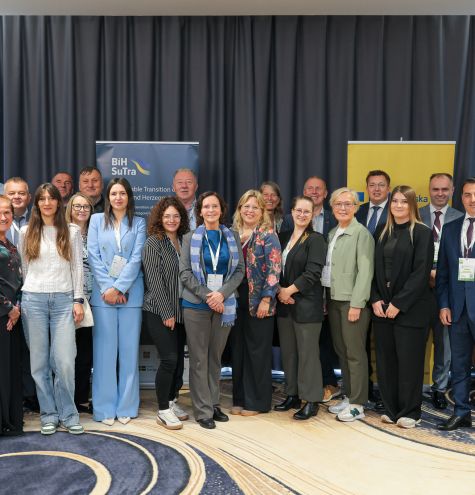
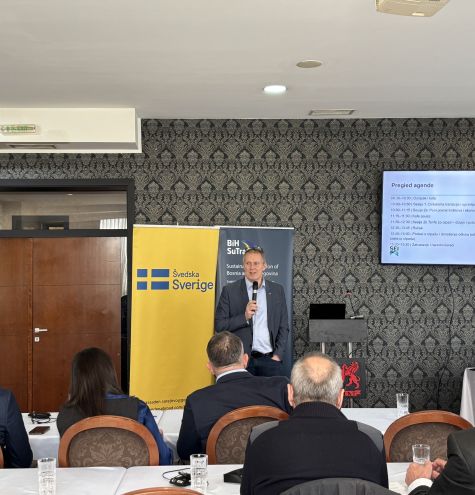
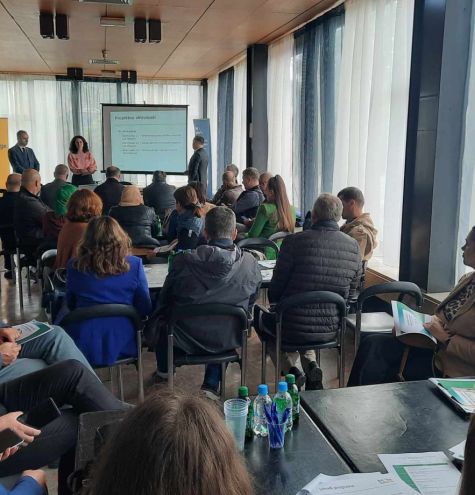
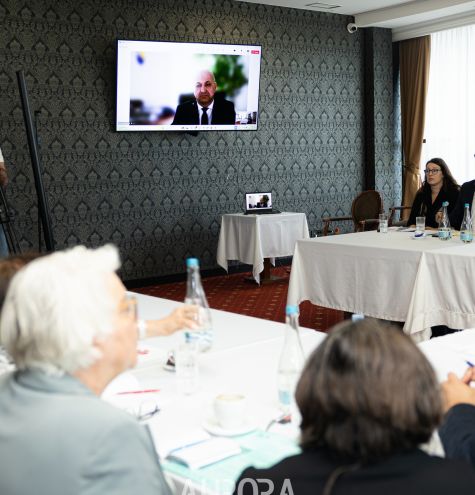
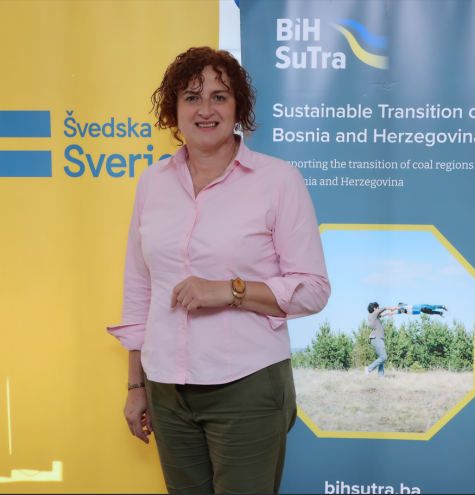
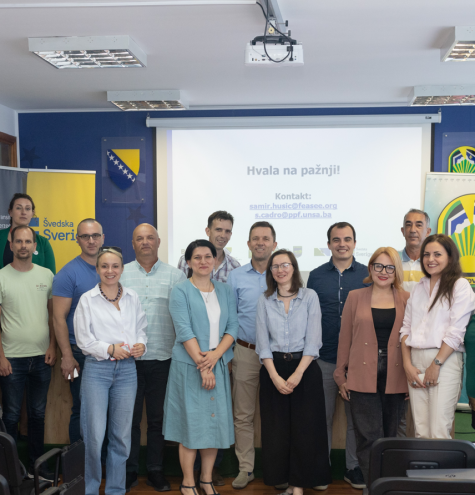
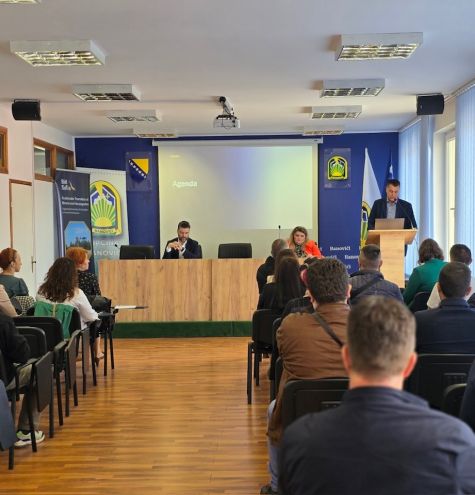
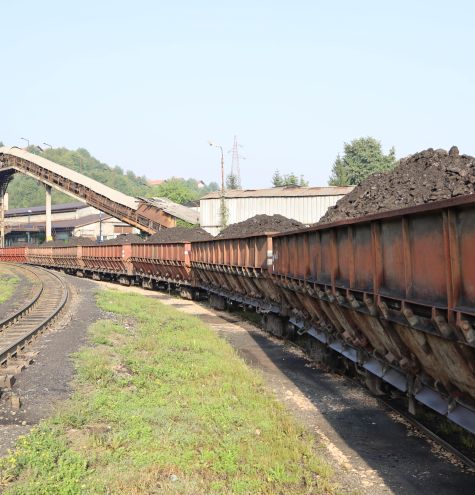
Capacity building event. Photo: BiH SuTra
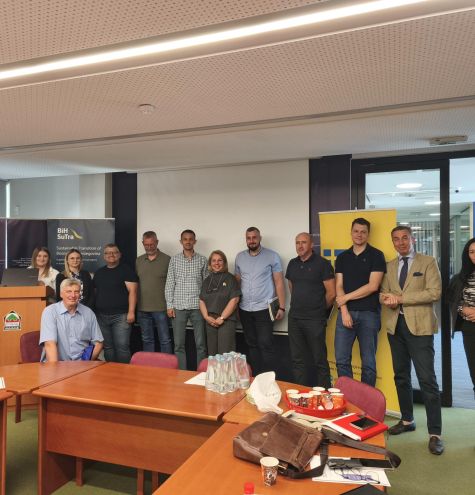
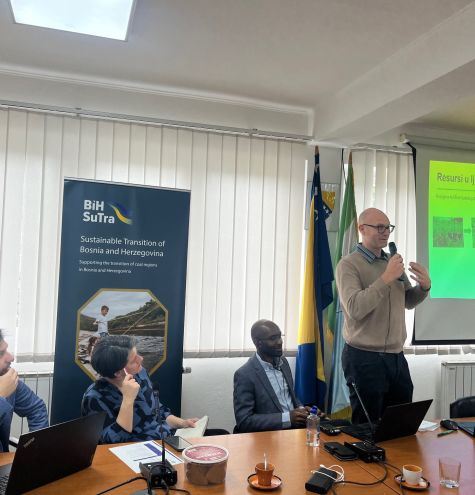
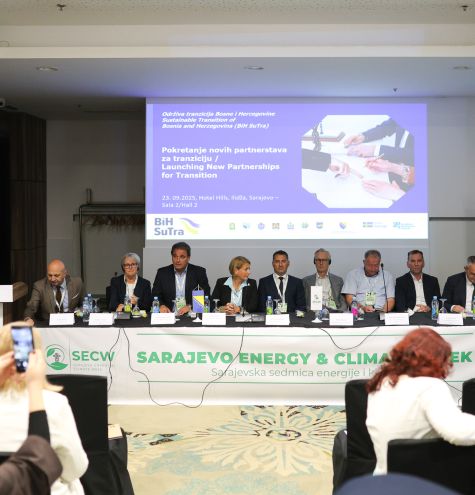
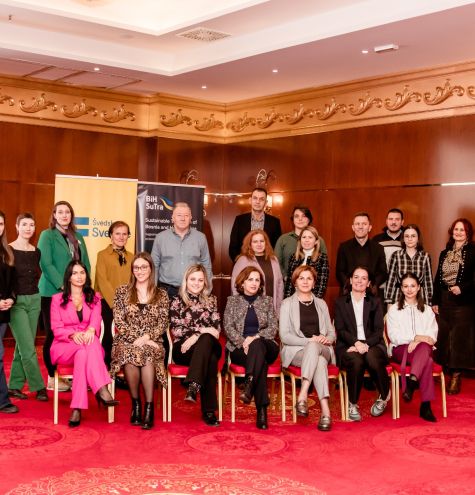
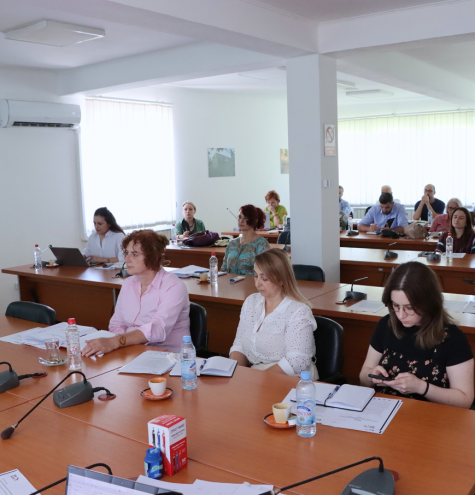
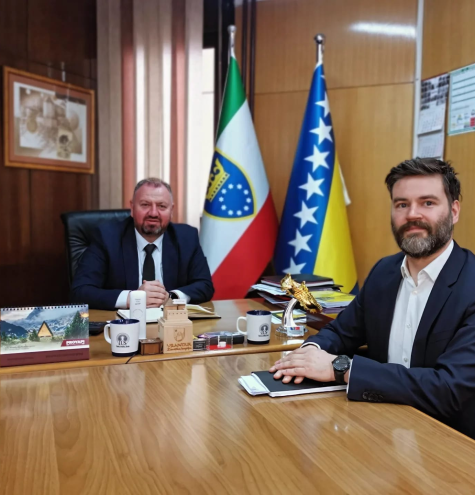
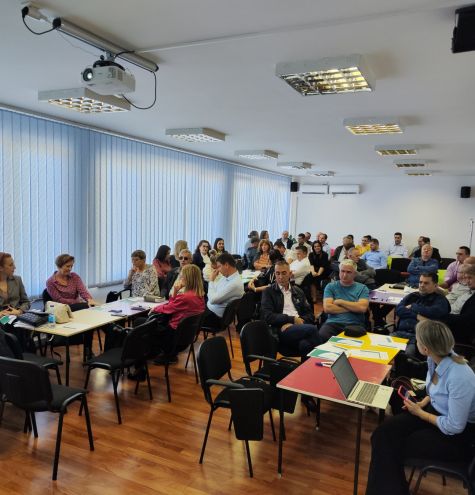
Capacity building event. Photo: BiH SuTra
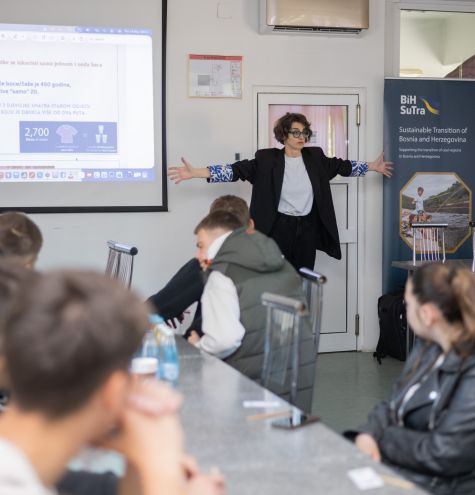
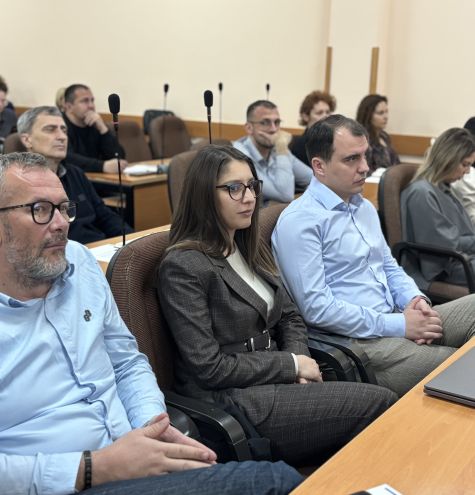
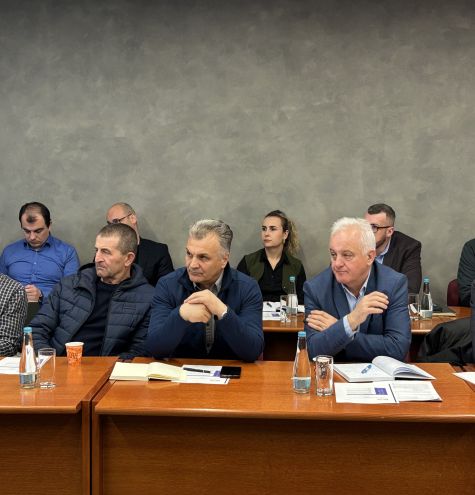
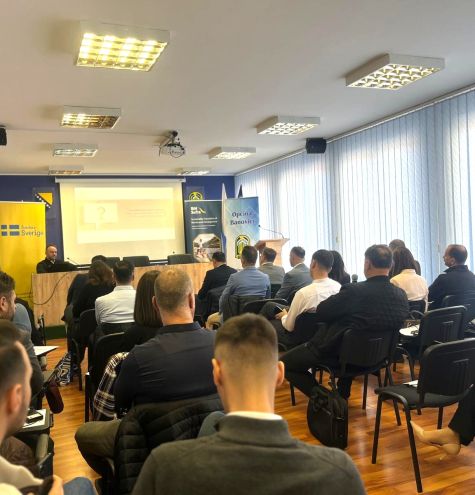
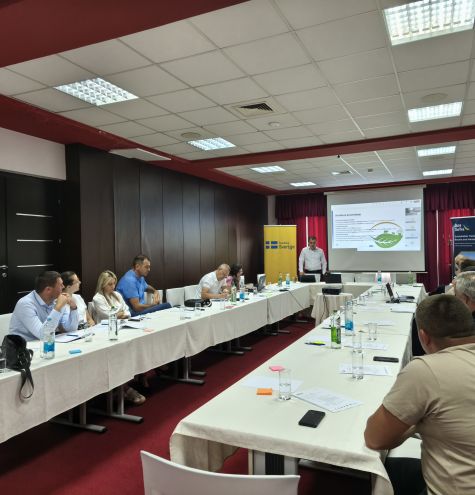
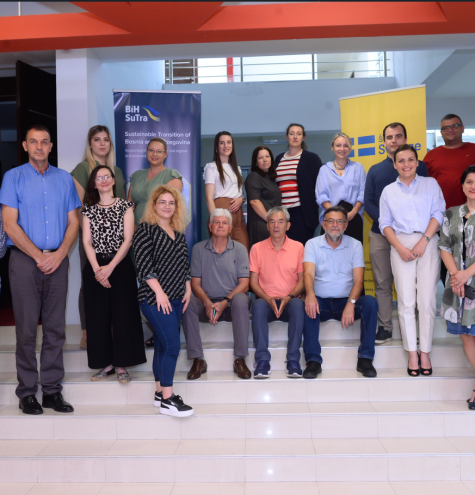
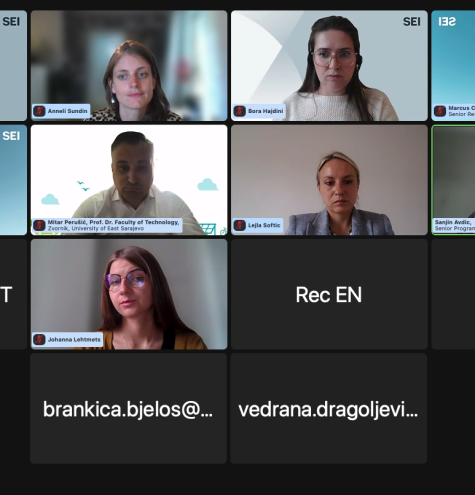
Sustainable waste management is one of the priority areas in the BiH SuTra project. On 16 December, representatives from municipalities and cities gathered in Banovići for a dedicated workshop about waste composition. This event marked an important step towards developing a harmonised and practical approach for analysing household waste in BiH.
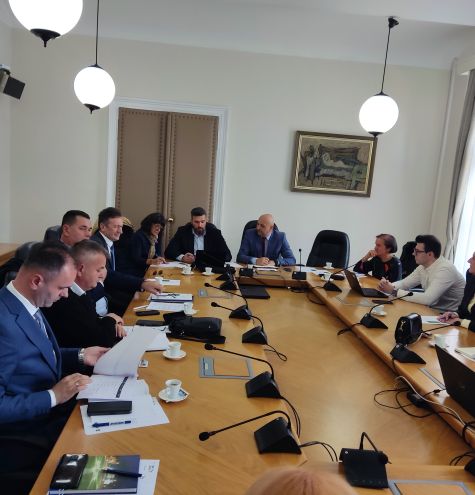
The workshop brought together mayors from BiH SuTra partner municipalities Banovici and Kakanj and the city of Živinice, senior municipal officials, and technical staff working with waste management, spatial planning, and environmental protection. Their active participation demonstrated both political ownership and a strong commitment to improving municipal waste management systems.
Strong local ownership and regional cooperation
The workshop was organised in close cooperation with Eko-Sep d.o.o., the regional sanitary landfill serving the city of Živinice and municipalities of Banovići, and Kalesija. These Local Self-Government Units (LSGUs) jointly own Eko-Sep, which has been developed with support from the Swedish International Development Cooperation Agency (Sida). Eko-Sep and its owner municipalities and city have played an important role in advancing discussions on waste data and landfill diversion, and their engagement reflects a clear understanding of the link between household waste composition and the performance of regional waste infrastructure. This cooperation underlines the importance of coordinated planning across municipal and city boundaries.
Why waste composition studies matter
Currently, BiH does not have a national methodology for waste composition studies. The lack of standardized methods limits the ability of municipalities and cities to compare results, monitor changes over time, and design effective measures to reduce landfilling.
The objective of this BiH SuTra workshop was therefore to support developing a robust, repeatable, and BiH-adapted methodology for waste composition analysis, with a primary focus on household residual waste. Understanding what is actually disposed of in household waste is a prerequisite for:
Participating municipalities and cities in BiH SuTra project have set an ambitious long-term goal of reducing landfilling by up to 90%. Achieving this target requires a data-driven approach. As one workshop participant expressed during the discussions:“Why didn’t we do this 15 years ago?”
From data gaps to data-driven strategies
The work within BiH SuTra is structured into four main steps, with the overall methodology development planned to be finalised by March 2026. The workshop was the first step in a needs assessment and review of local conditions.
During this first phase, discussions focused on:
Special attention was given to ensuring that the methodology will be practical and realistic, while still delivering statistically meaningful results. The discussions also highlighted the importance of adapting international best practice to local conditions, rather than simply copying methods used elsewhere.
International experience, local adaptation
The methodology development is led by Stockholm Environment Institute Senior Expert Tomas Thernström, who has extensive experience in municipal waste management in Sweden and internationally. While the Swedish waste composition methodology provides an important reference, Tomas has also conducted waste analyses in Asia and in mining communities, bringing valuable insights into how waste composition varies in different socio-economic and industrial contexts. This experience is particularly relevant for BiH SuTra municipalities and cities, many of which are in transition from coal-based economies.
Looking ahead: from municipalities to national standards
The long-term ambition is for the developed methodology to be applied consistently across all participating BiH SuTra municipalities and cities, and over time, scaled up to higher level to support regional planning and coordination. In the longer perspective, the methodology could form a foundation for a future national standard for waste composition studies in BiH. Reliable waste composition data will enable municipalities and cities to move from assumptions to evidence-based planning, helping them identify which waste fractions drive landfill volumes and which materials offer the greatest potential for prevention, recycling, or treatment.
The workshop concluded with a shared understanding that measuring waste is not a result in itself, but a powerful tool for change. With strong local self-governments’ backing, engaged technical staff, and close cooperation between municipalities and regional infrastructure operators, BiH SuTra is laying the groundwork for more sustainable, efficient, and circular waste management systems in BiH and these first steps set a strong foundation for the next phases of work ahead.
Discover the News and Updates section, delivering the latest updates and insightful content across various topics. Stay informed with most recent news articles, reports, and publications, of the BiH SuTra project.






 Banovici
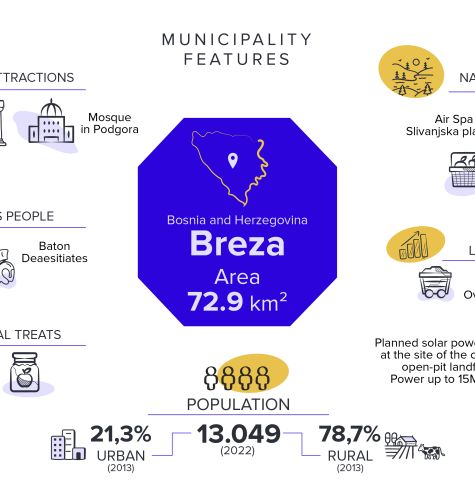
 Breza
Breza
 Gacko
Gacko
 Gradiška
 Kakanj
 Ugljevik
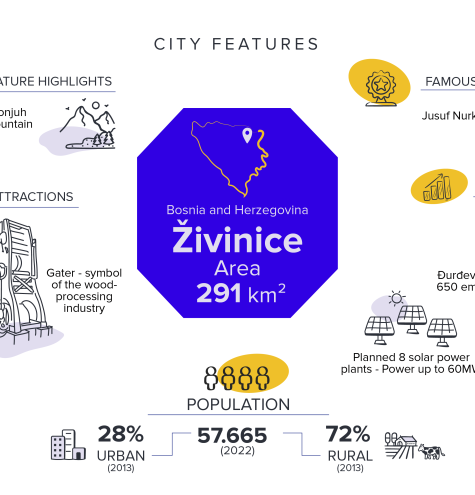
 Živinice
 Ministarstvo vanjske trgovine i ekonomskih odnosa BiH
 Stockholm Environment Institute
 Sweden