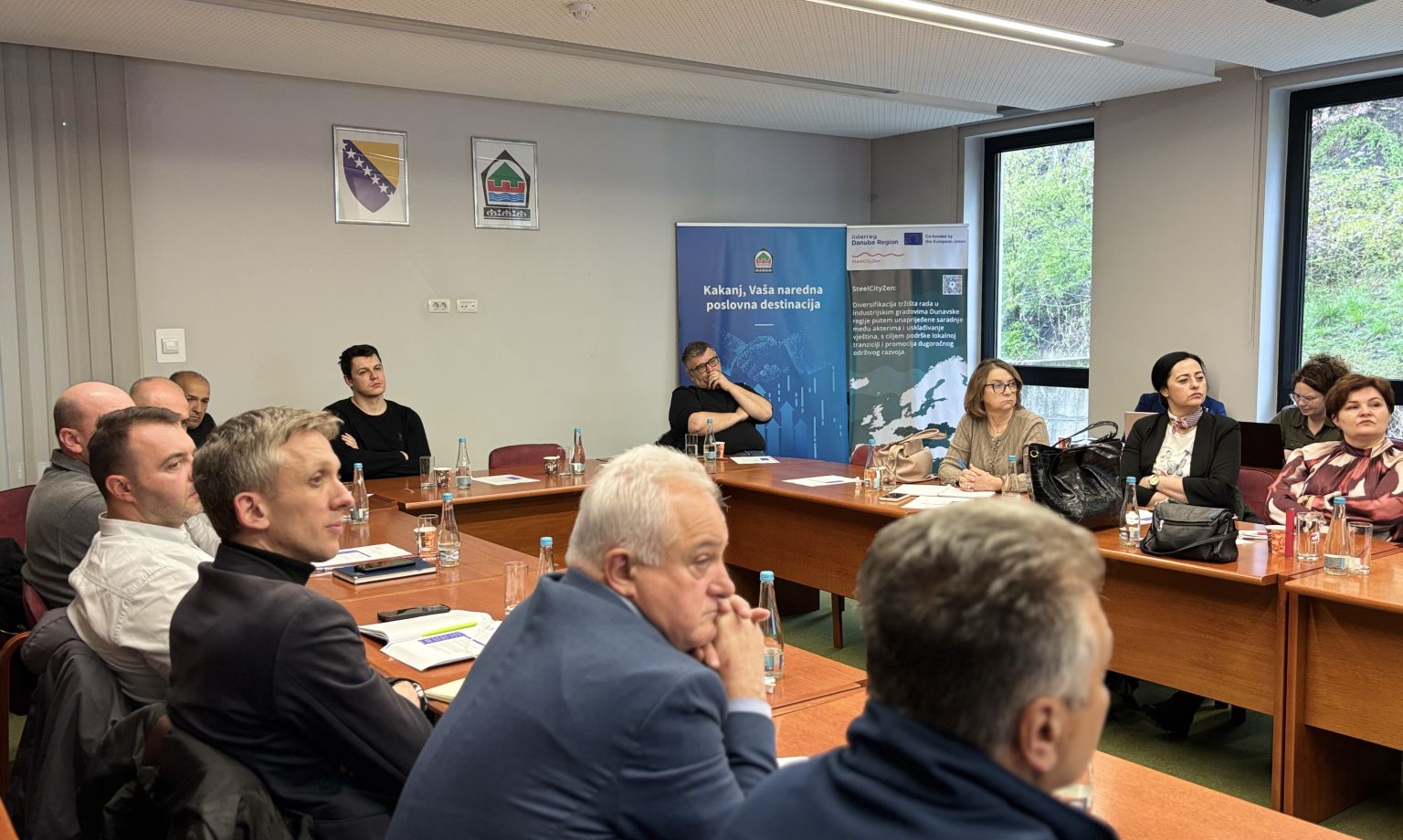
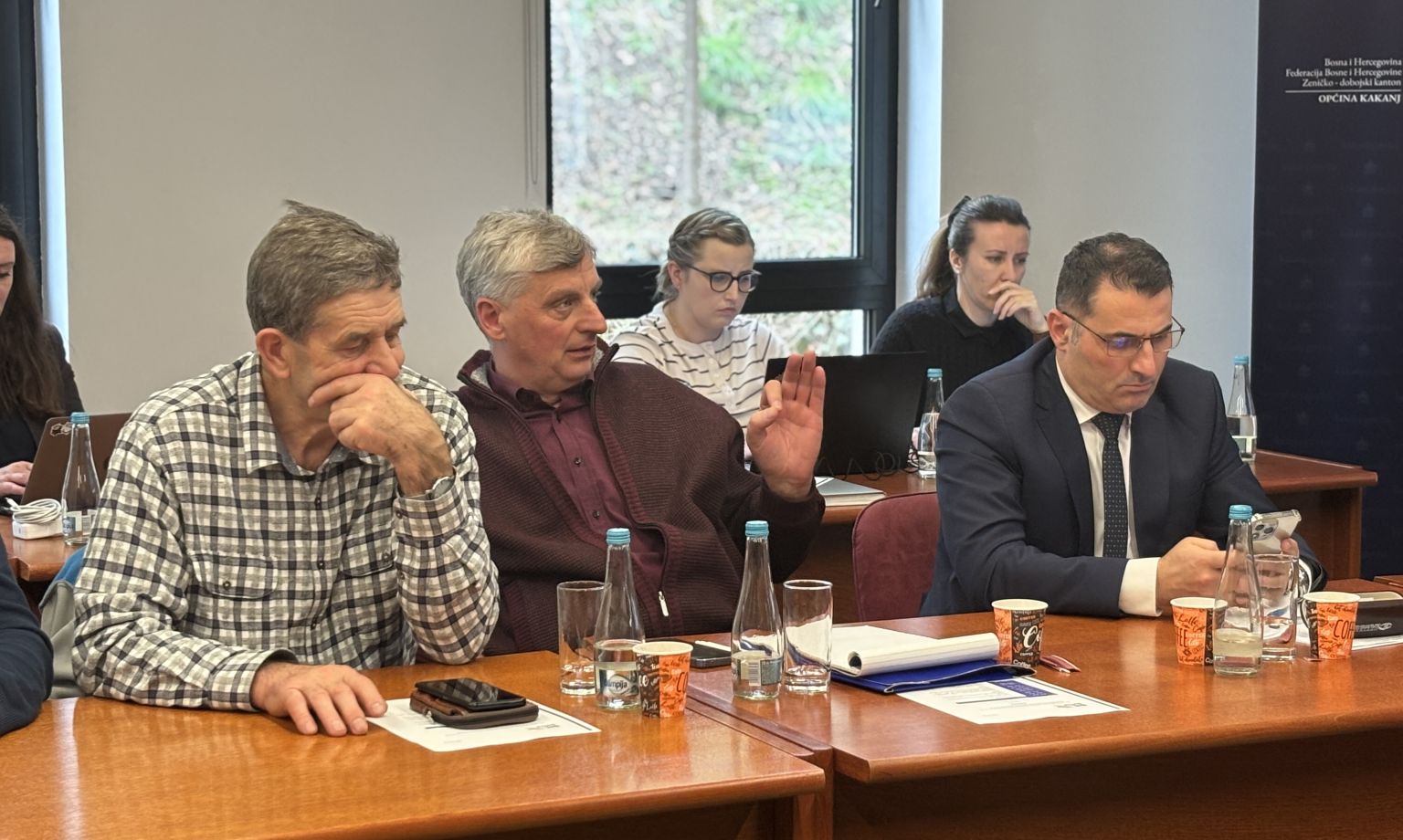
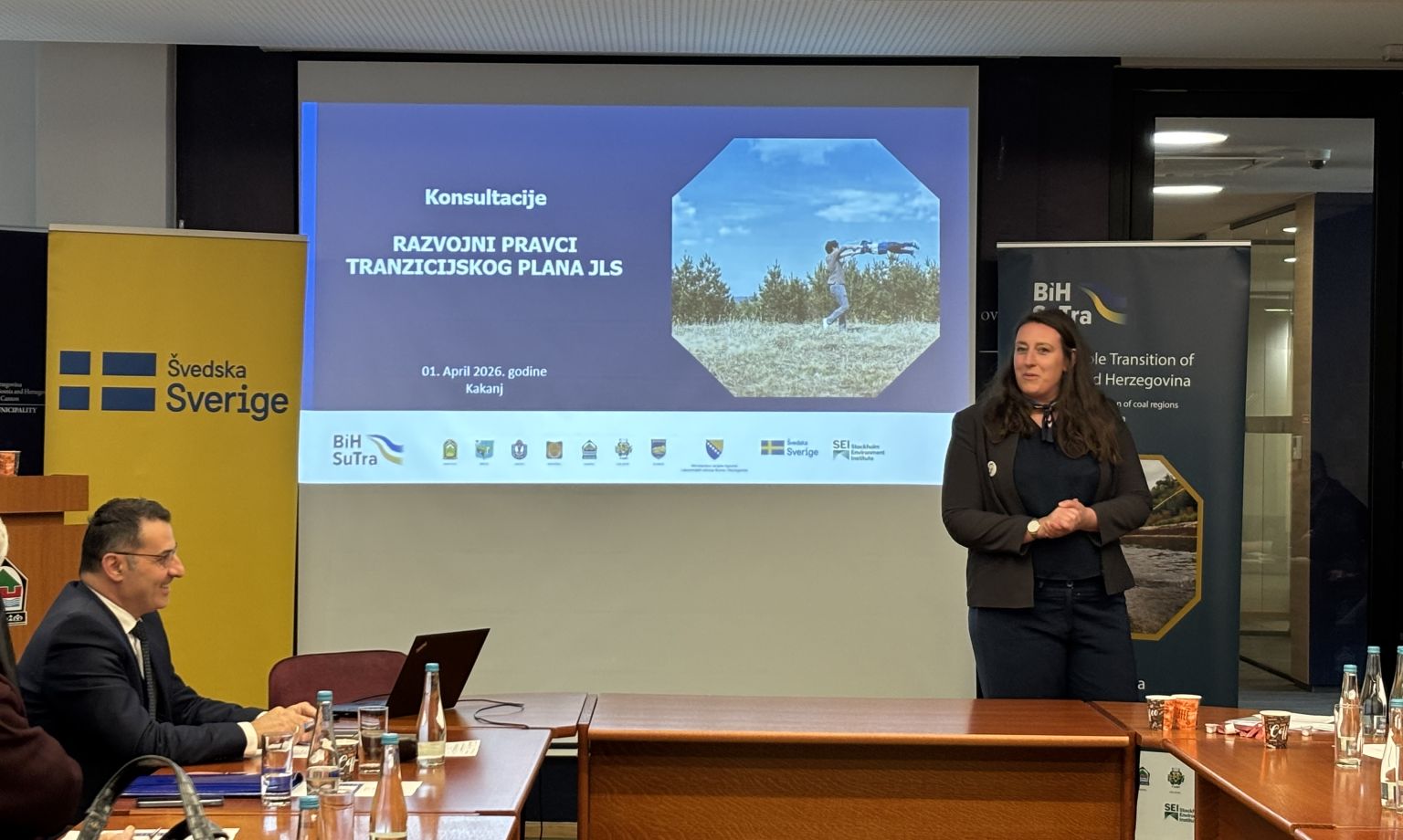
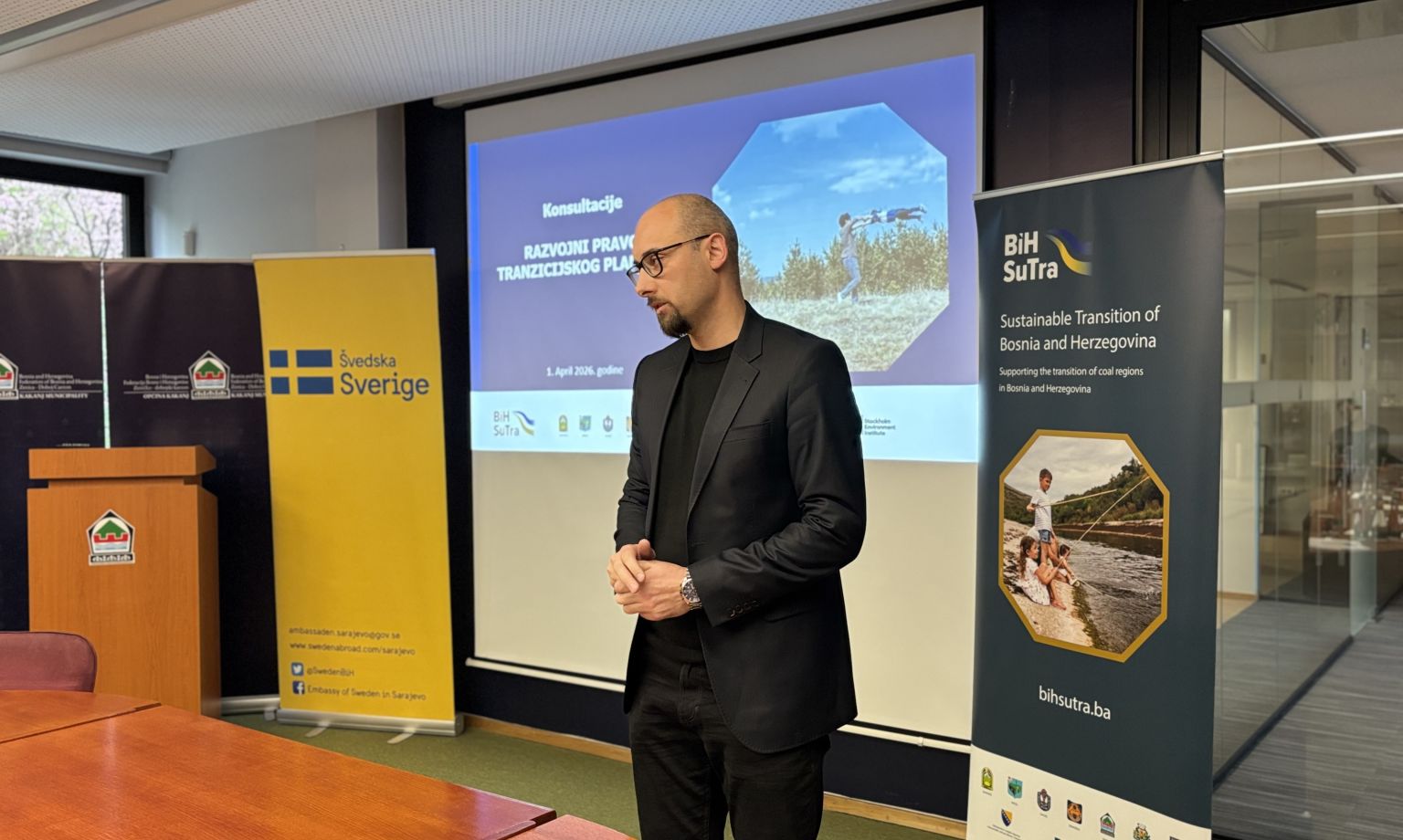
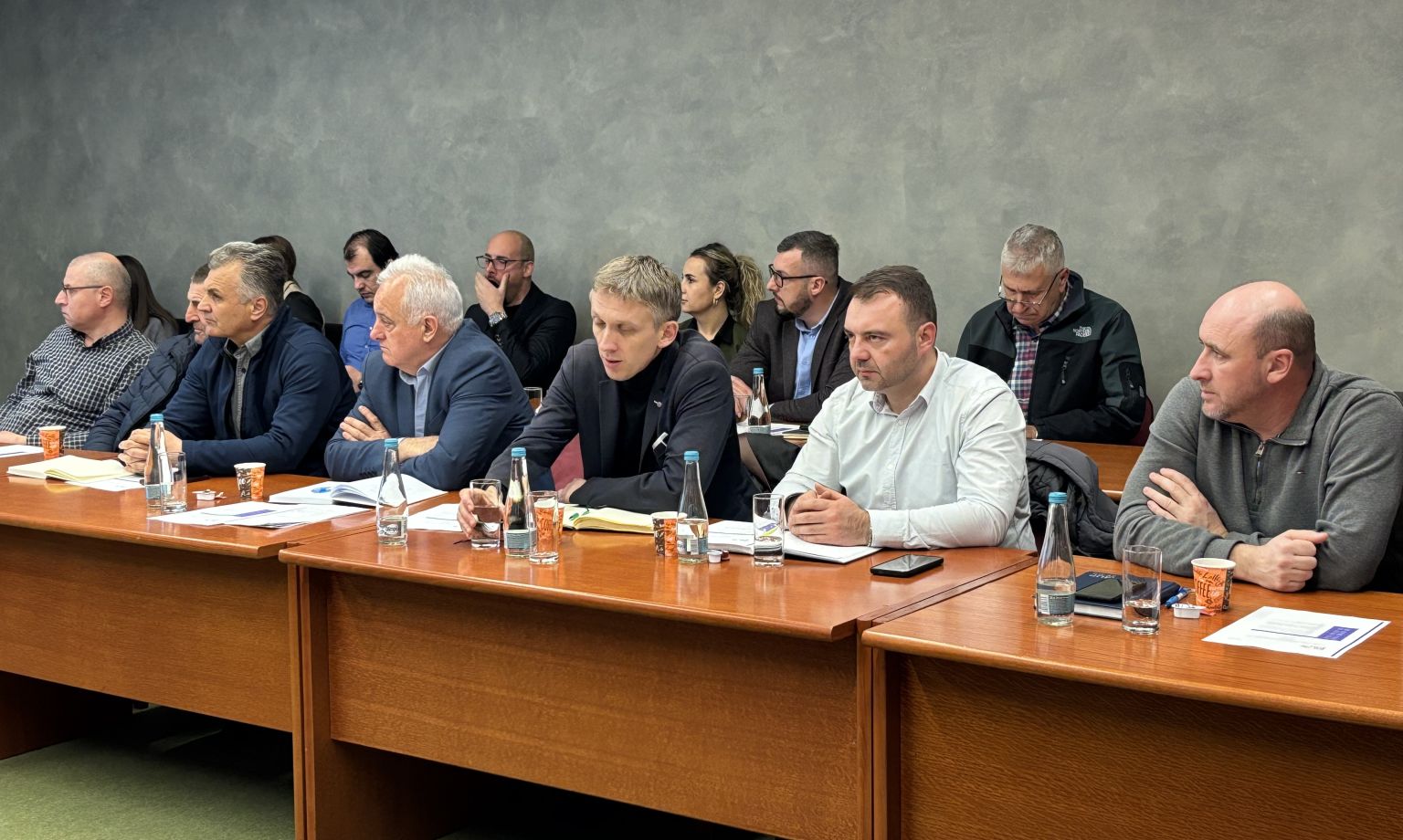
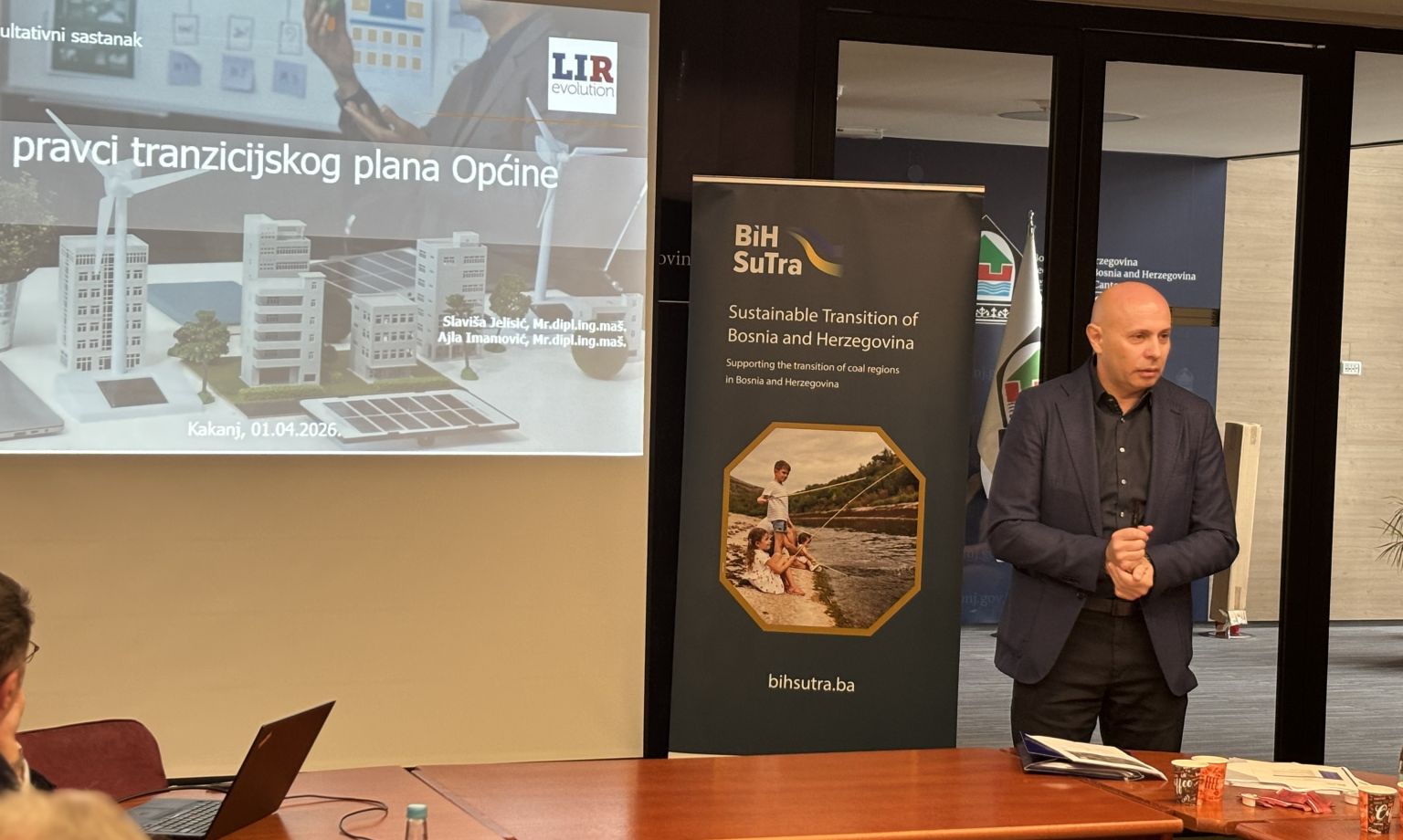
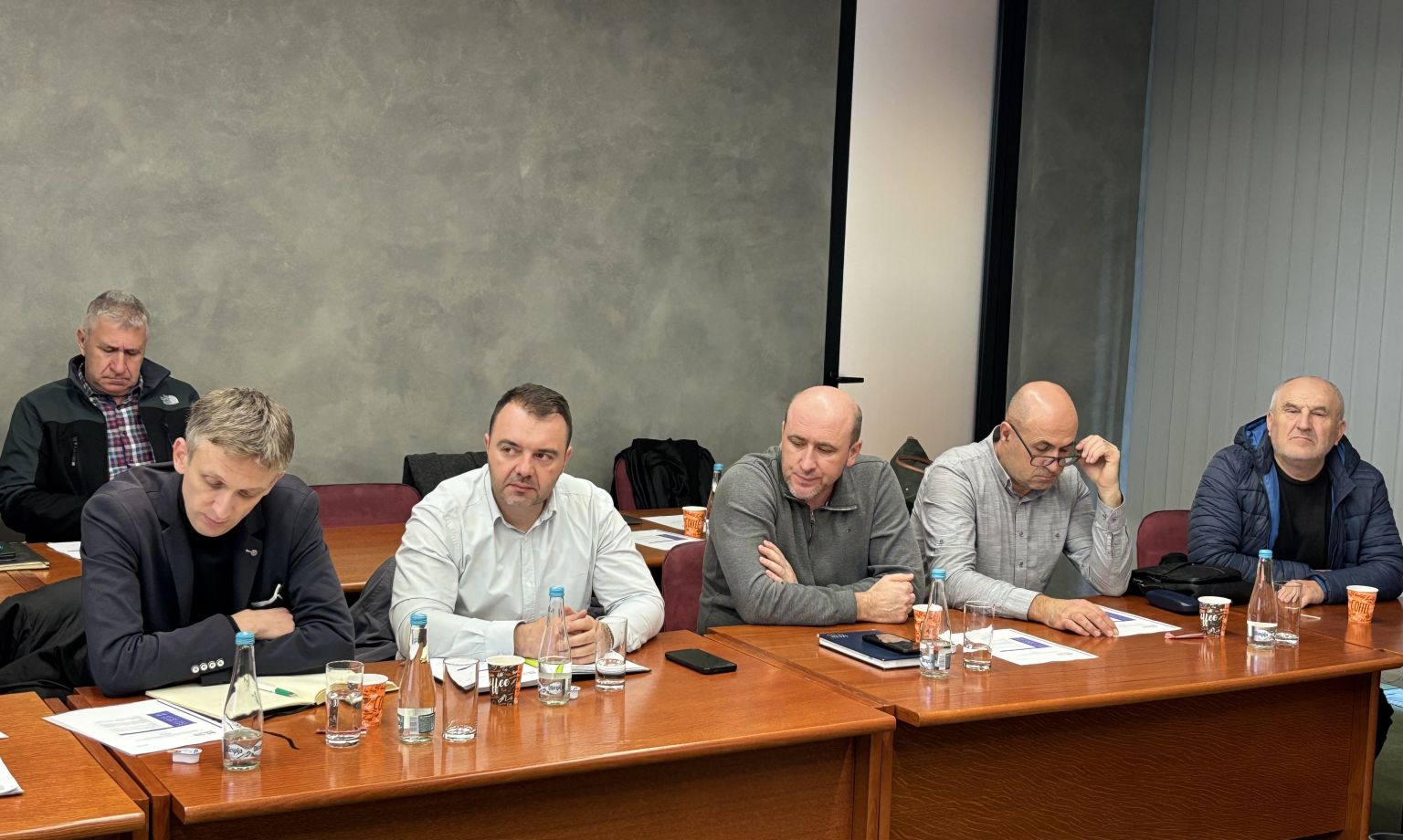
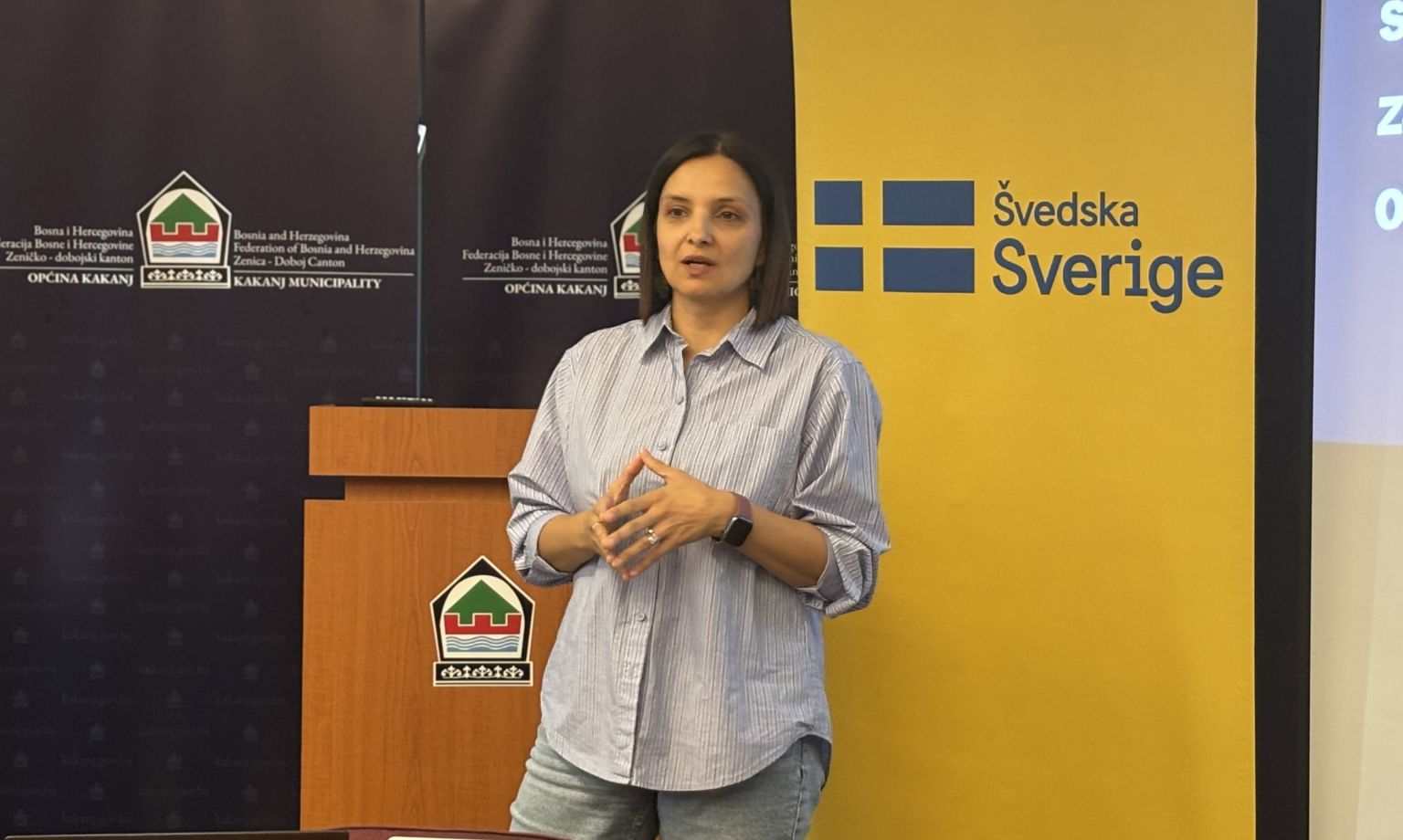
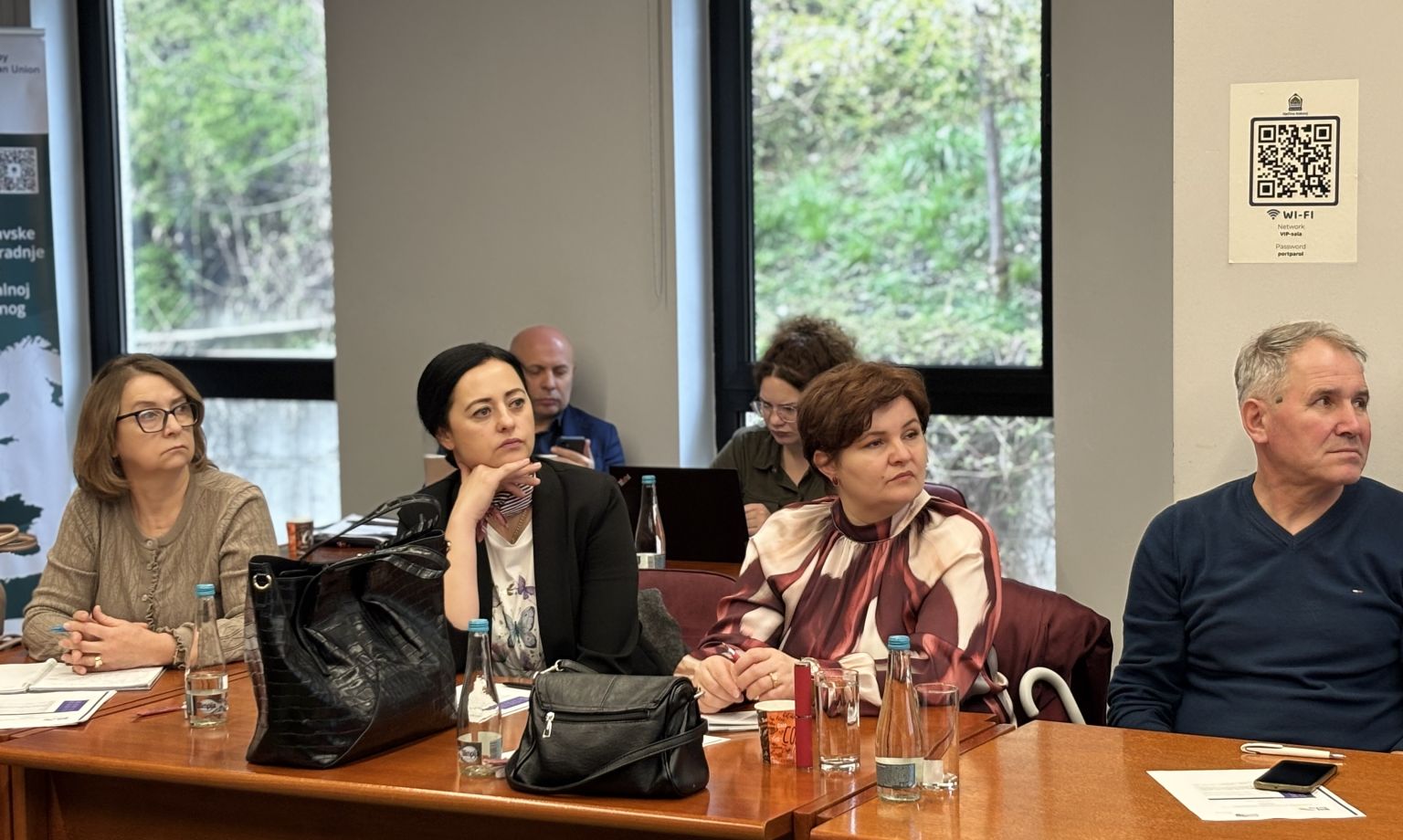
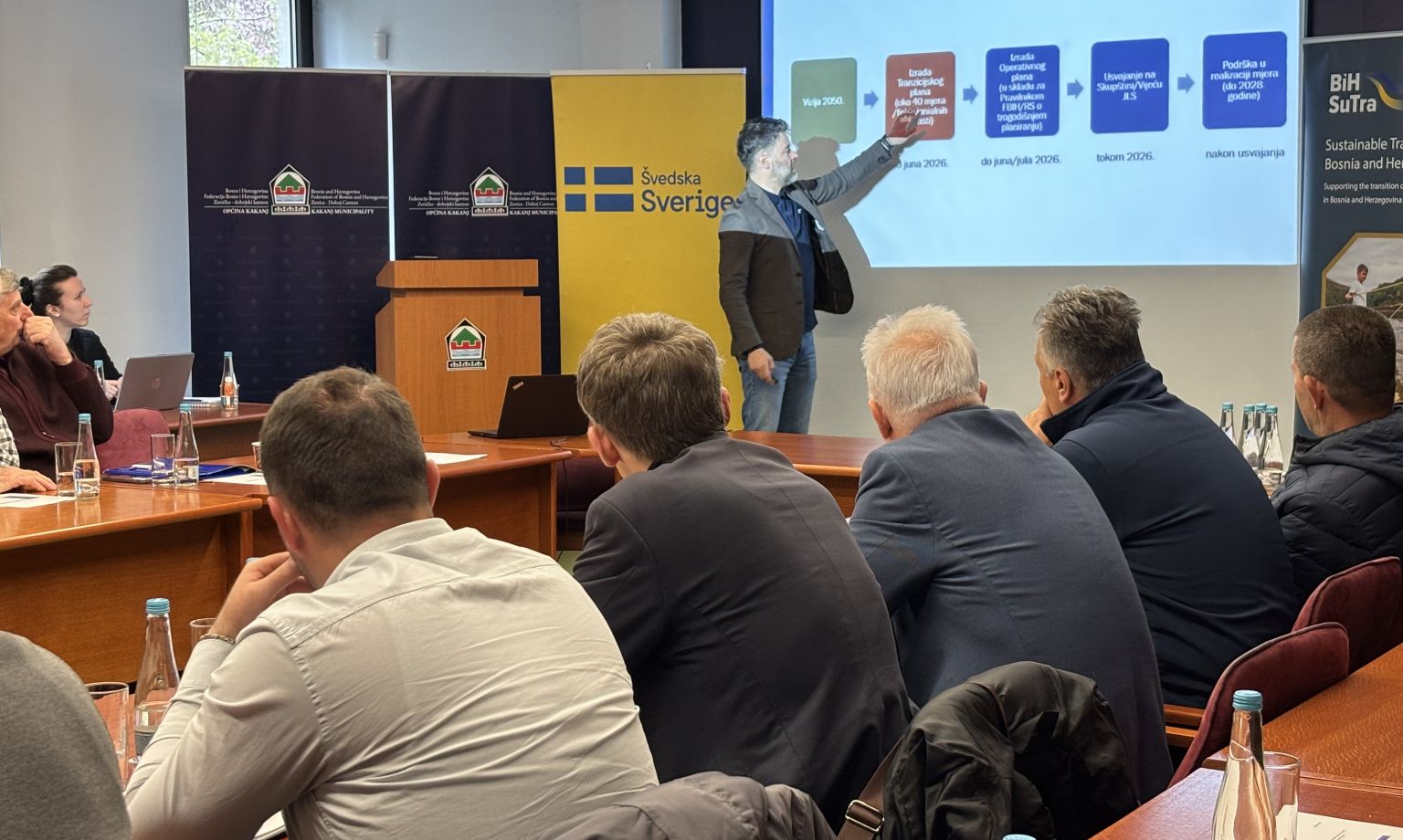
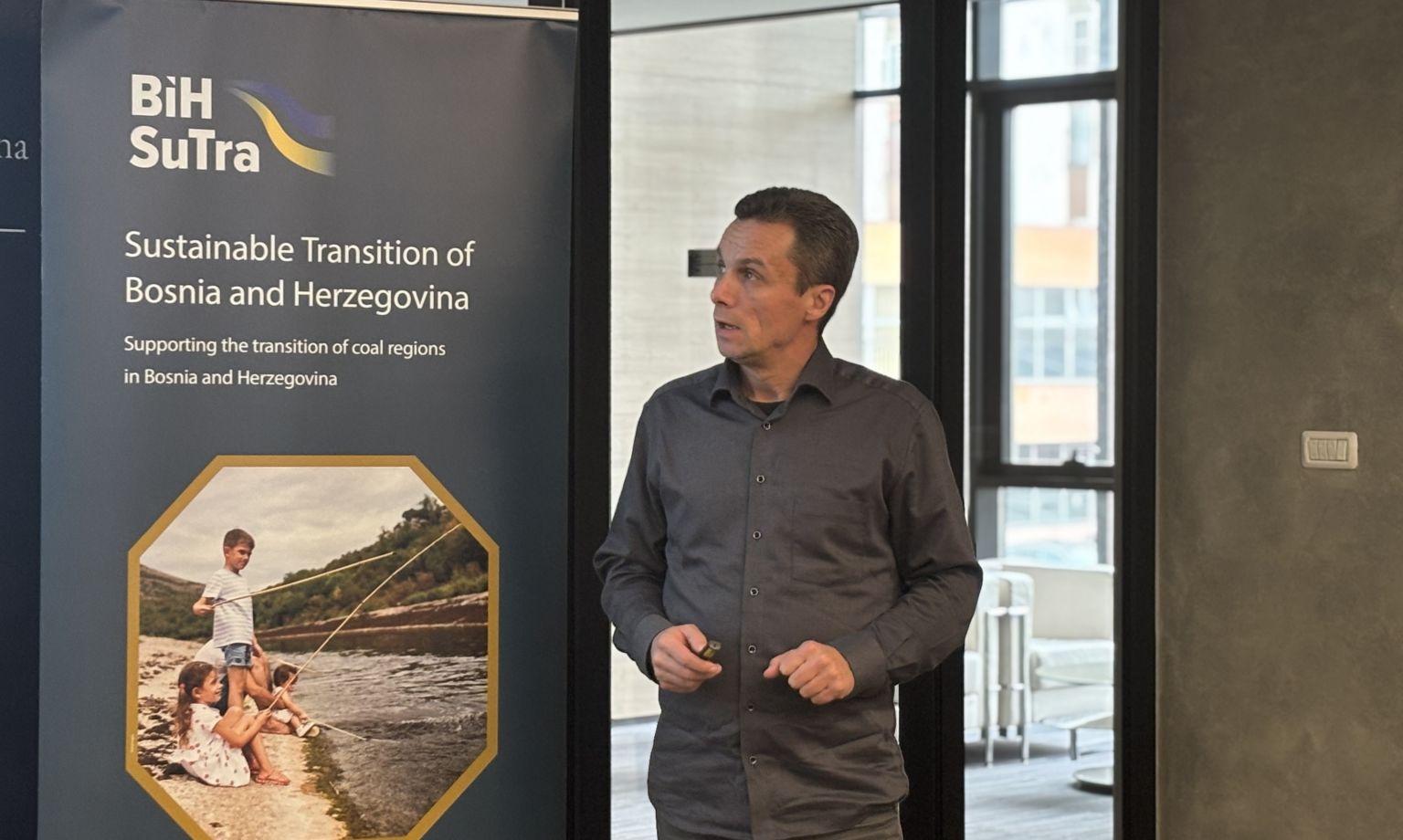
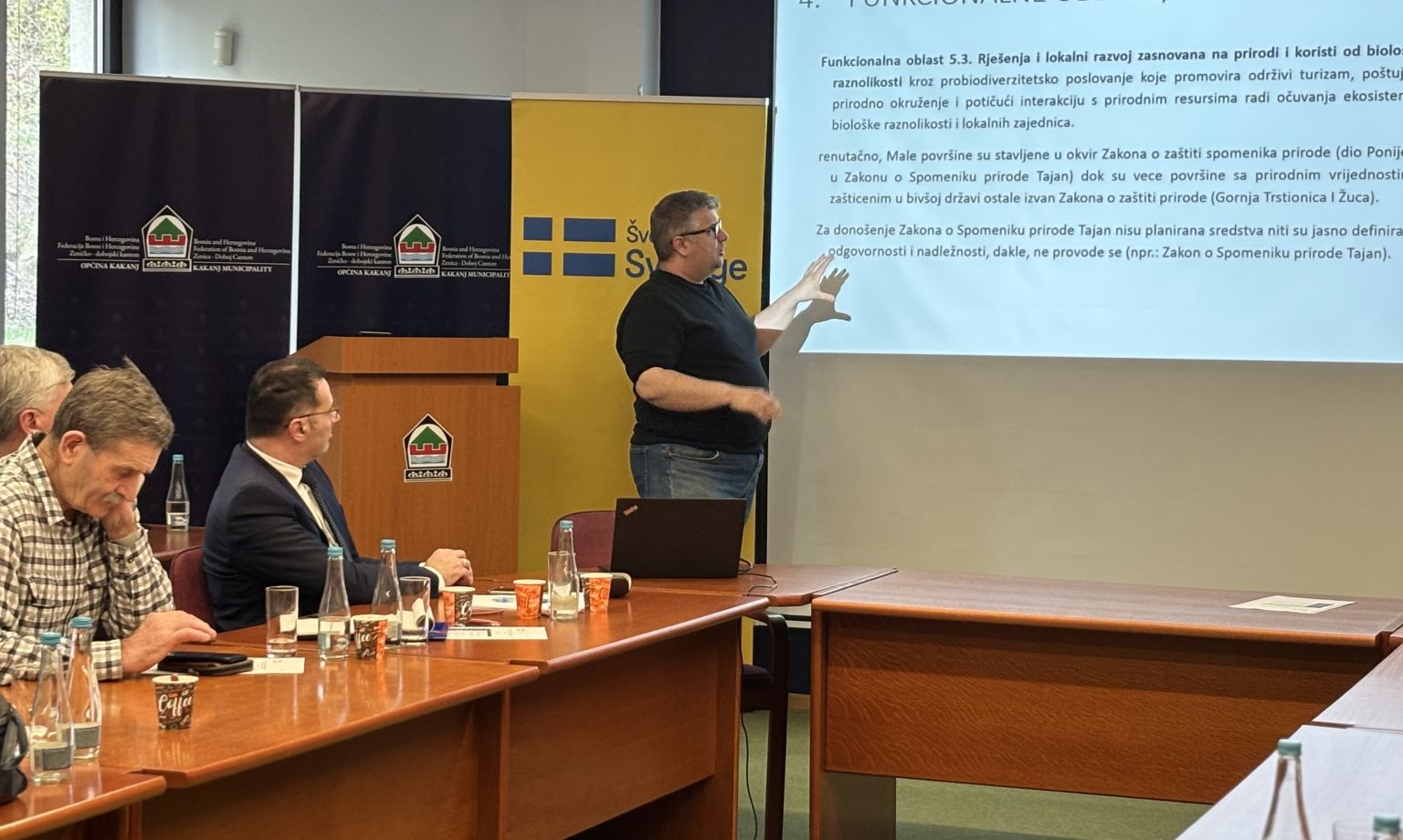
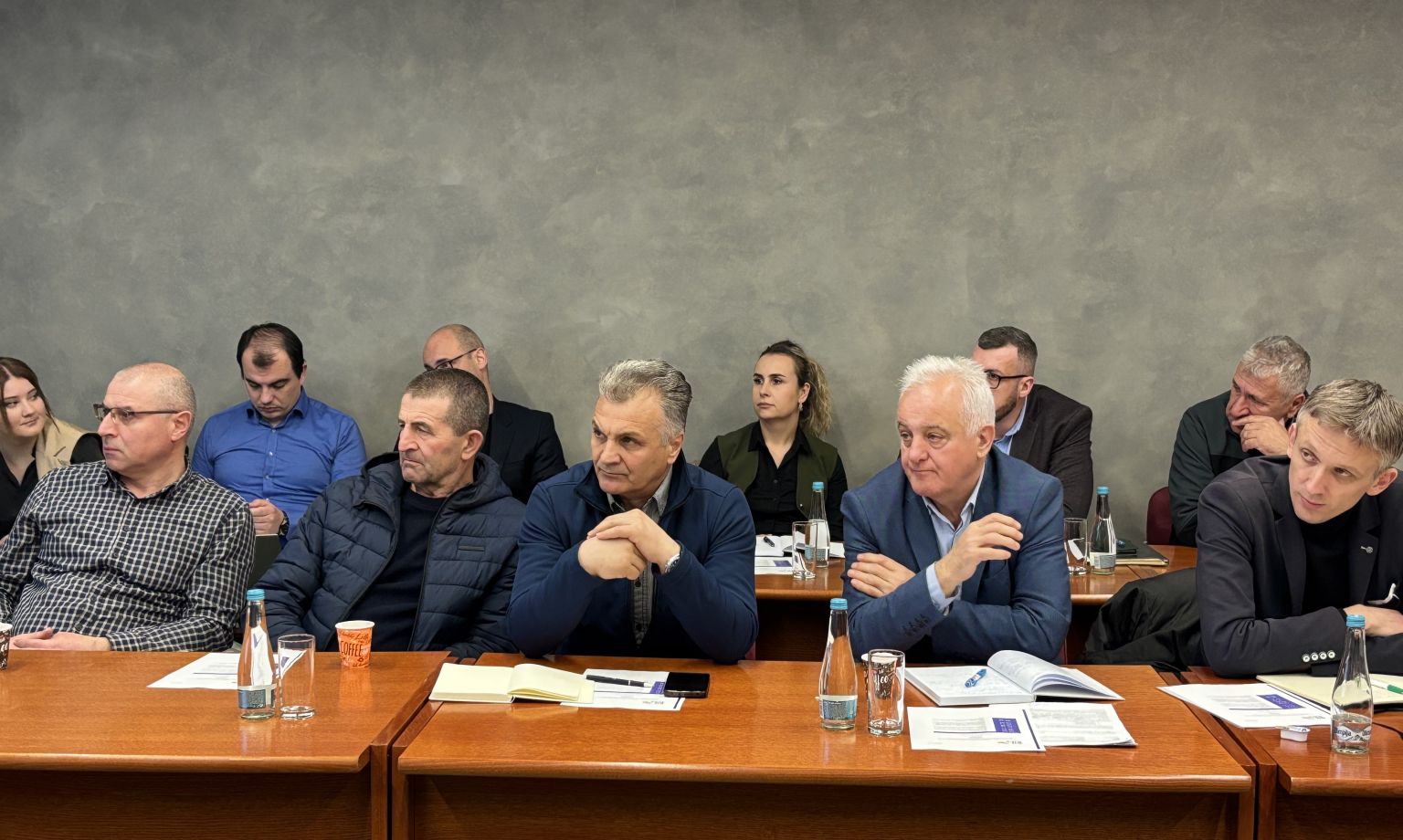
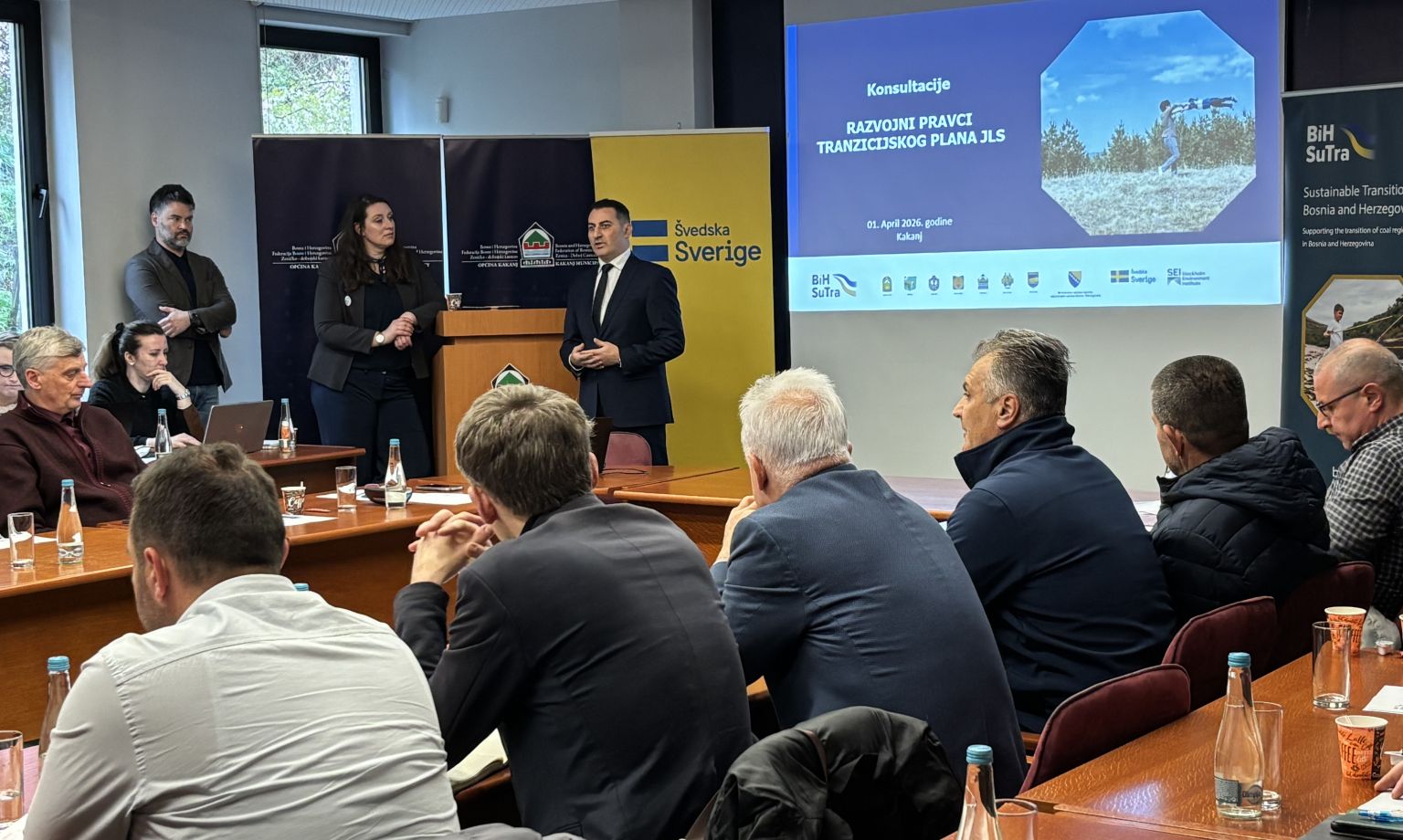
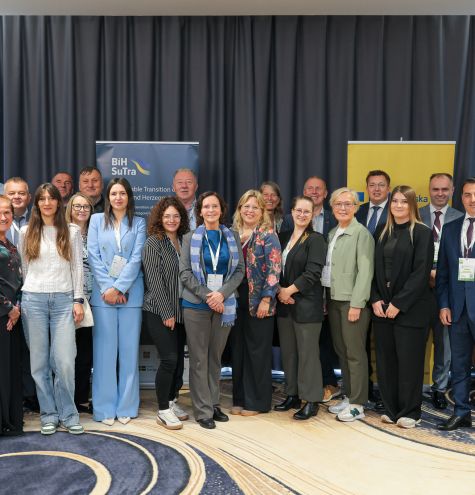
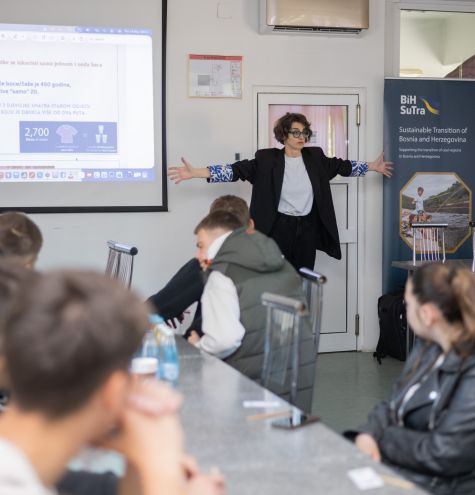
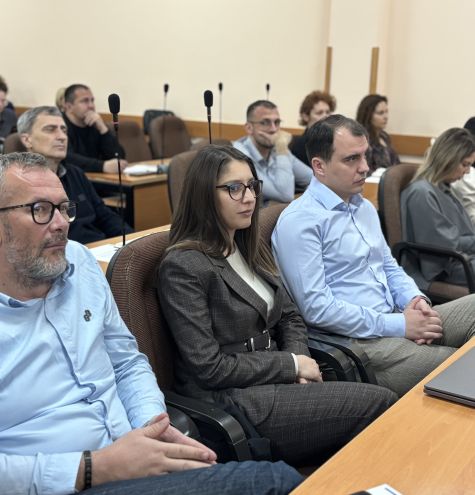
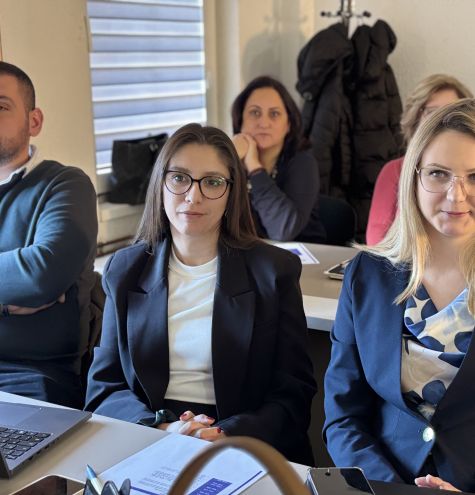
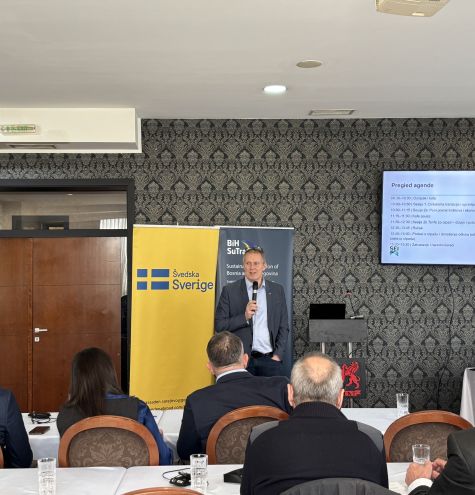
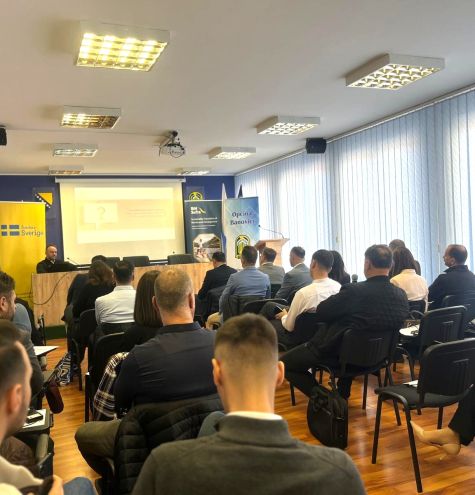
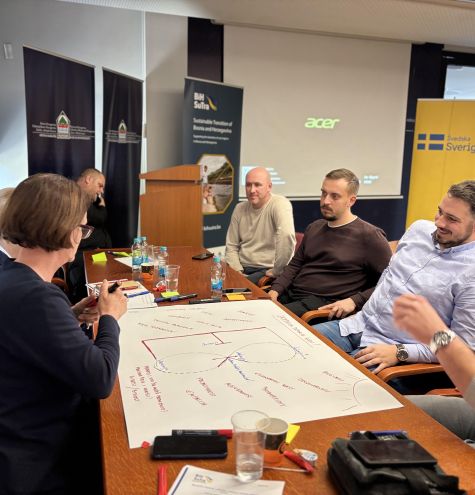
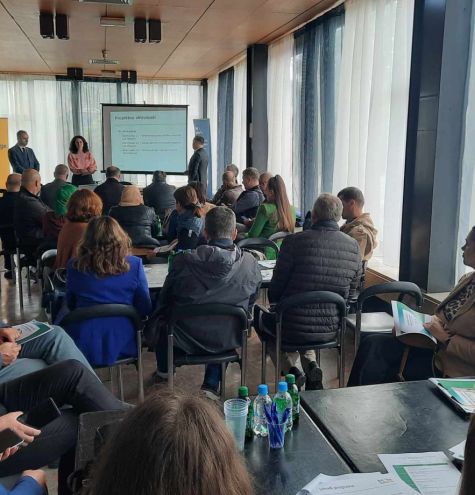
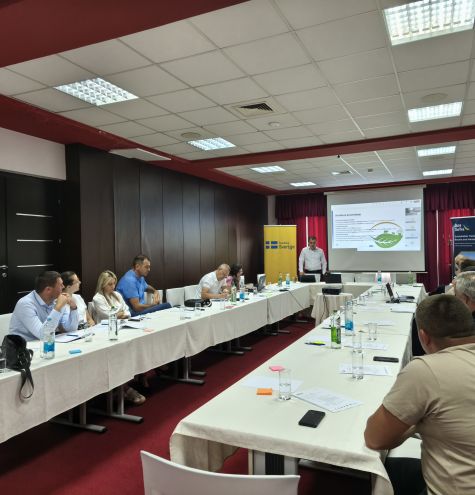
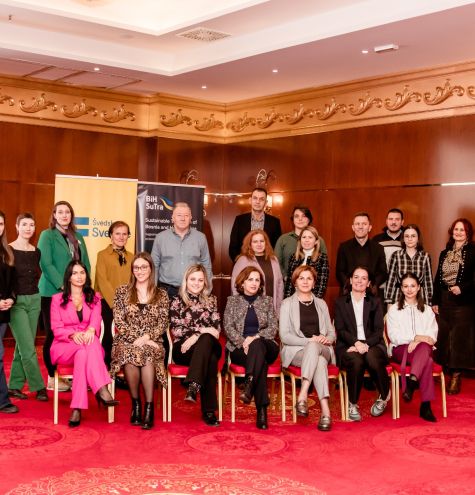
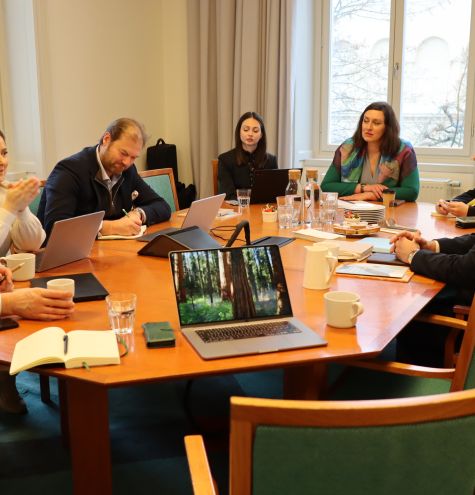
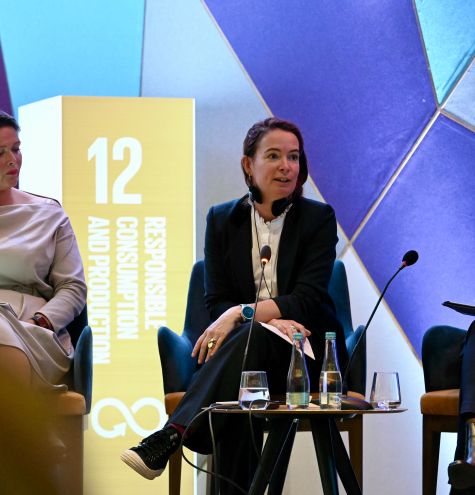
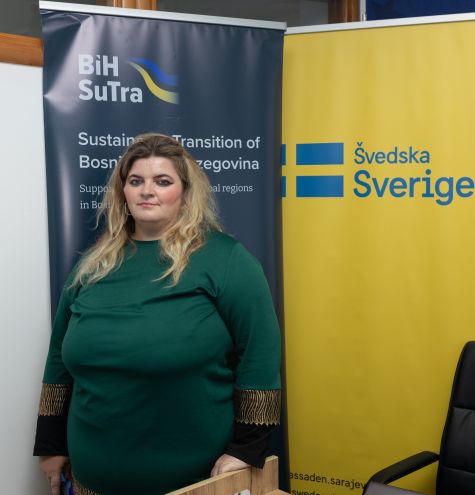
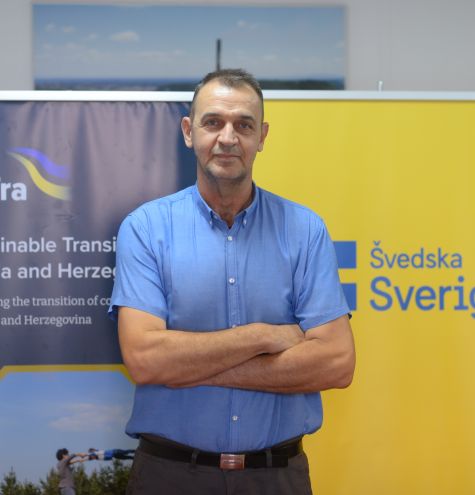
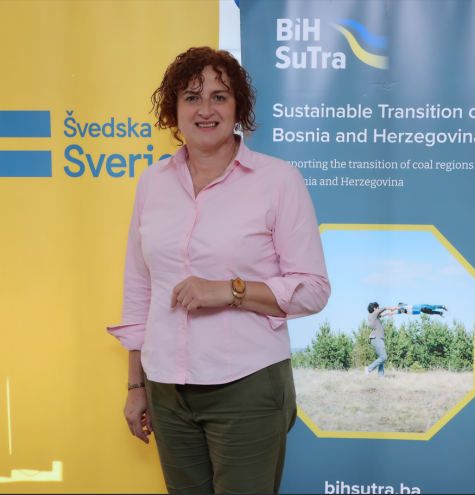
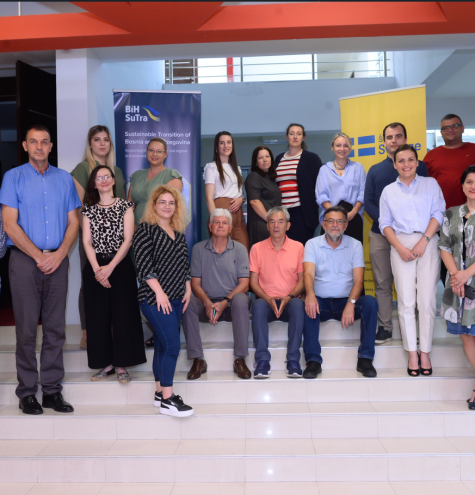
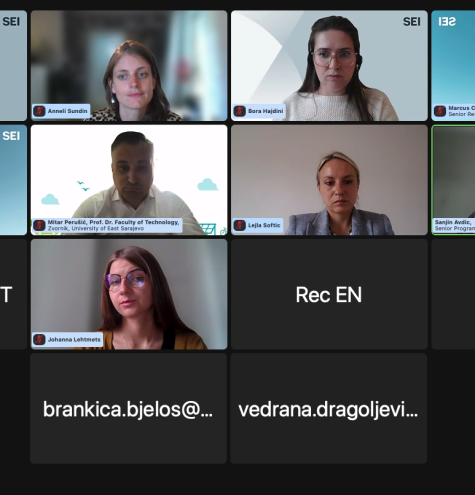
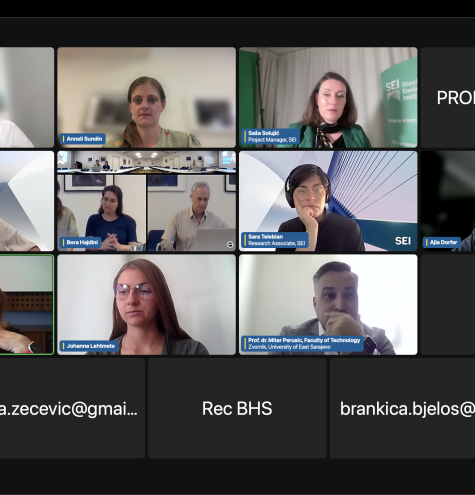
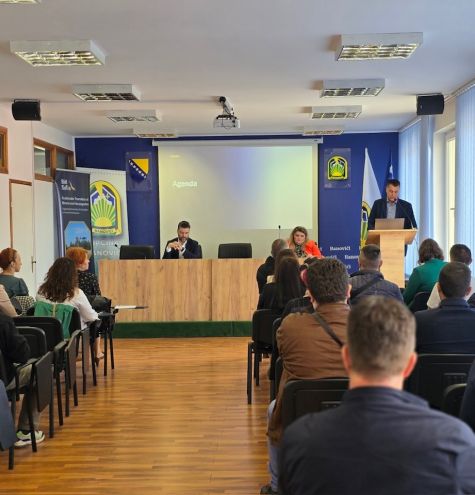
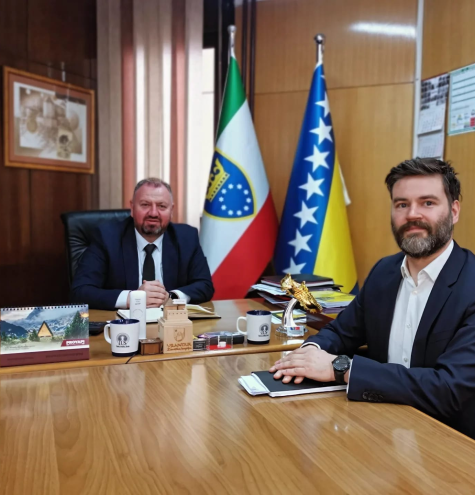
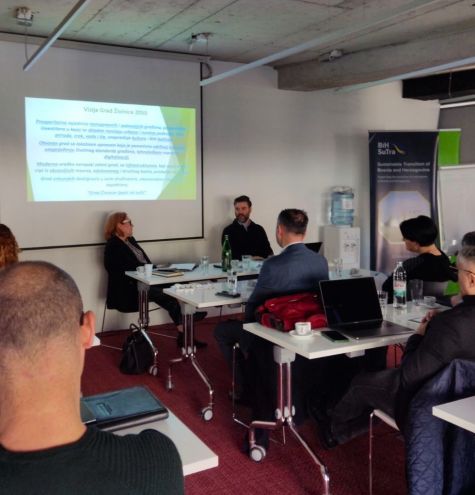
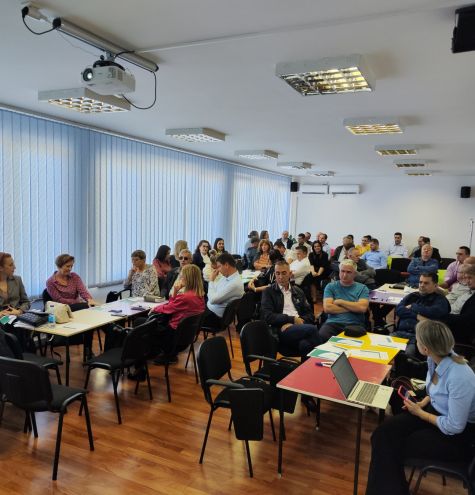
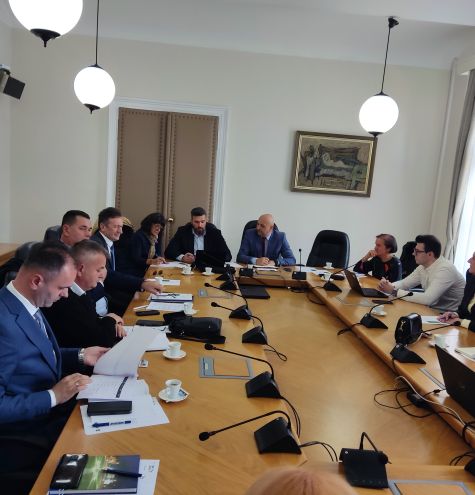
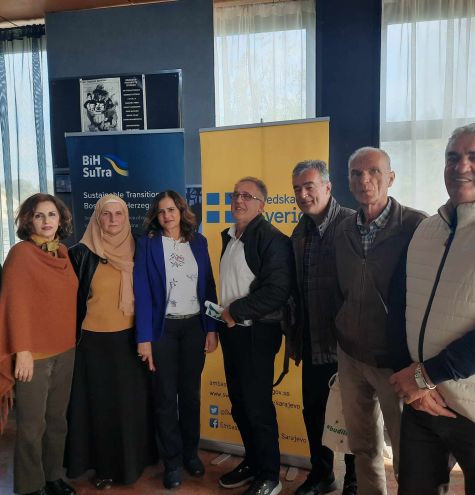
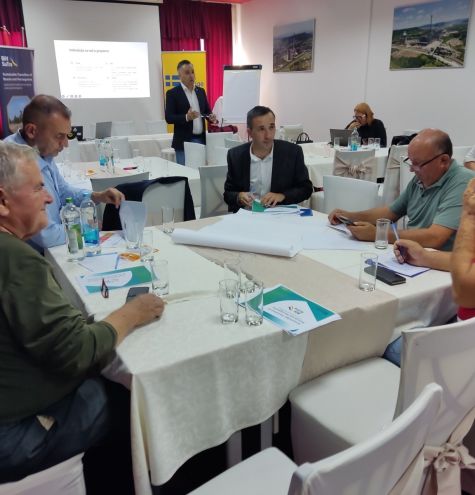
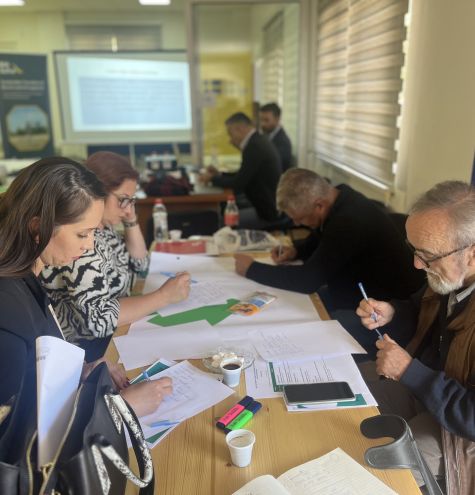
 Consultation meeting in Kakanj. Photo: BiH SuTra team.
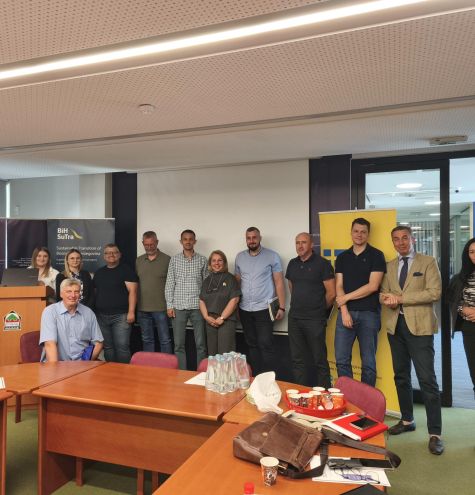
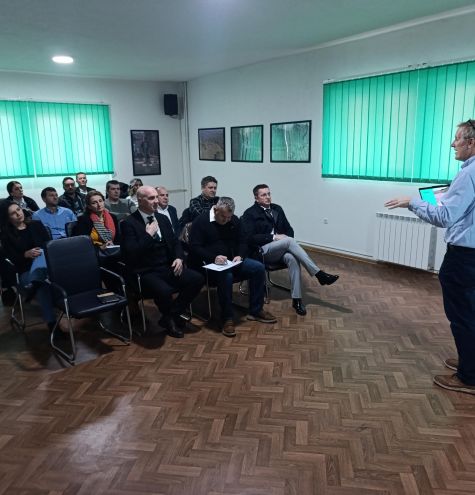
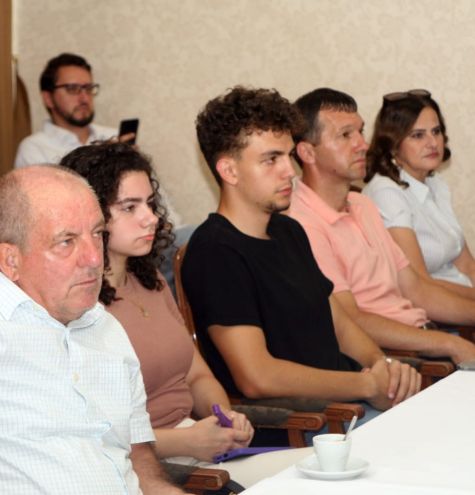
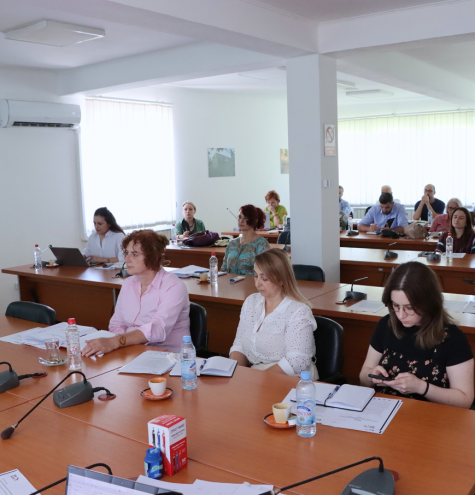
Consultation meeting in Kakanj. Photo: BiH SuTra team.
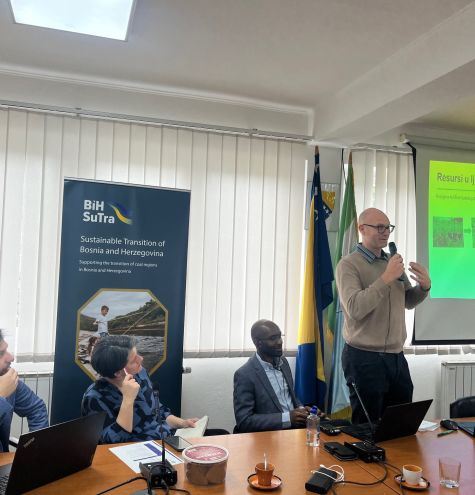
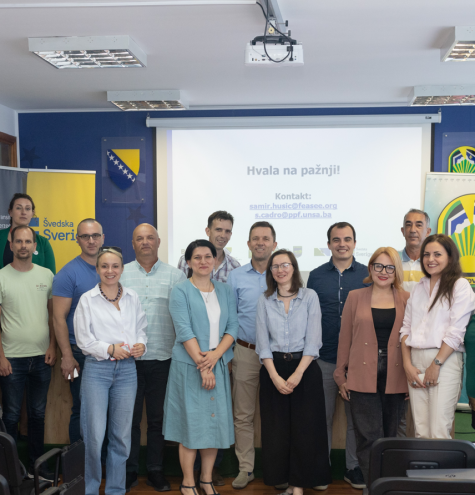
Consultation meeting in Kakanj. Photo: BiH SuTra team.
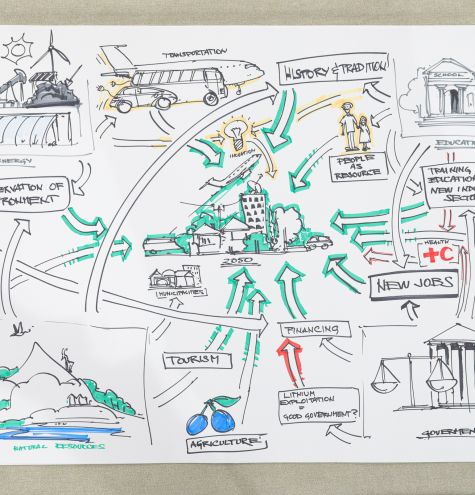
Following the successful first consultation meeting in Gacko, the BiH SuTra project continued its first round of events dedicated to development pathways for the Transition plans with a consultation meeting in Kakanj on 1 April. The meeting brought together representatives from public institutions, private companies, academia and civil society to discuss sustainable development priorities for the municipality.
Experts presented key measures, objectives and timelines across five development pathways: decarbonization, circular economy, pollution reduction, sustainable agriculture and nature and biodiversity protection, providing a framework for planning actions in the short term (three years), medium term (until 2035) and long term (up to 2050). These pathways align with the five pillars of the Green Agenda for the Western Balkans, addressing climate change, supporting the transition to a green economy and contributing to alignment with European Union environmental standards.
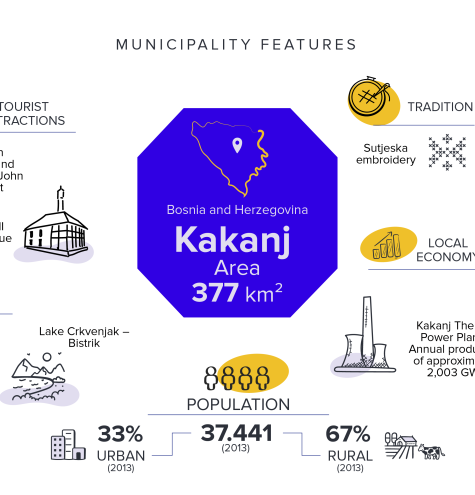
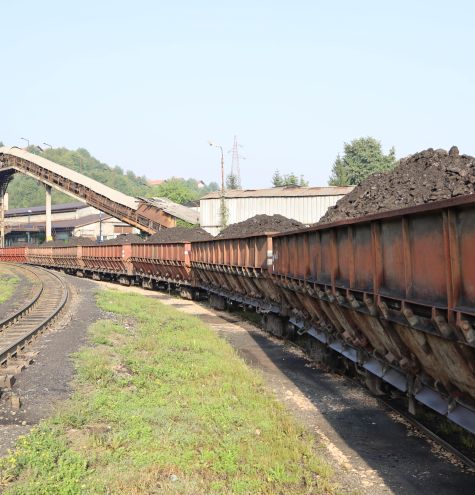
Kakanj’s development has traditionally relied on heavy industry, employing around 8,000 people directly or indirectly. Mayor Mirnes Bajtarević highlighted that while these industries remain important, the municipality is looking toward the future by fostering small business development and entrepreneurship and leveraging its geographic location and transport connections to access wider markets and attract new investments.
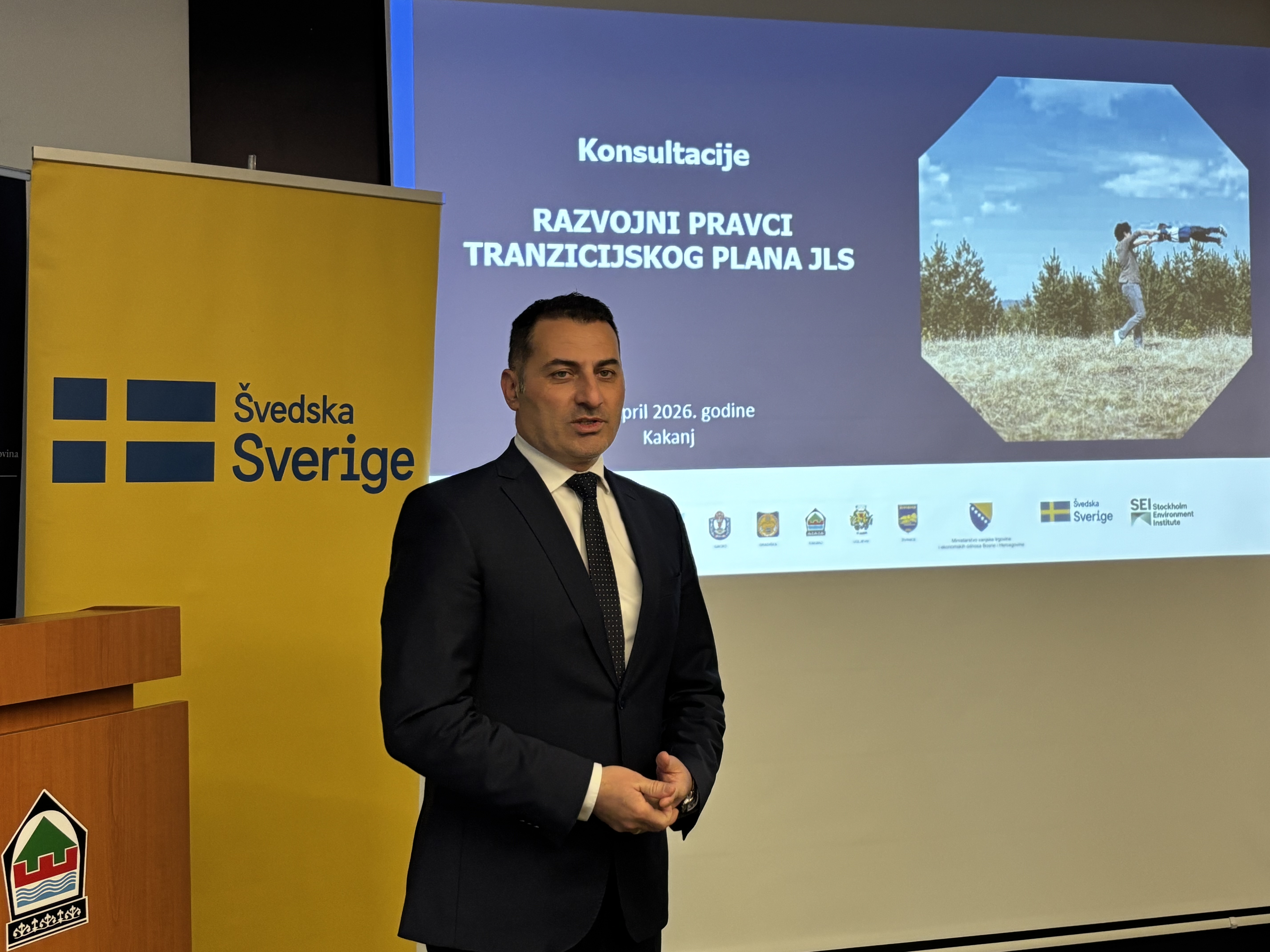
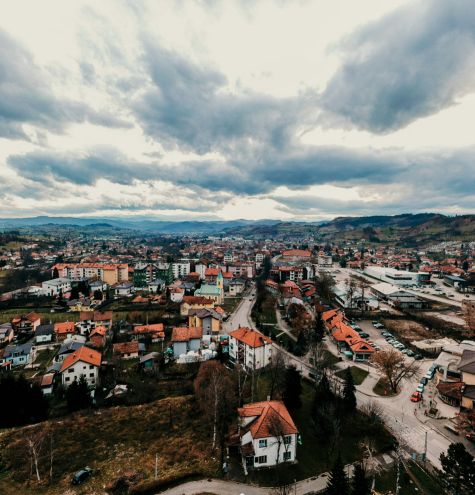
“We recognize significant potential in the development of small businesses, primarily through strengthening entrepreneurial awareness among citizens. Until now, we have largely relied on large industrial systems, but today we are witnessing a gradual awakening of the entrepreneurial spirit, which is encouraging and opens new development perspectives. Our geographical position provides an additional advantage. The proximity to Sarajevo Airport, the passage of Corridor Vc, as well as railway connections, create conditions for better connectivity and access to wider markets. This opens opportunities both for existing small and other companies, as well as for new business initiatives focused on exports and regional cooperation. While we are not yet a multi-day destination, through cooperation with Sarajevo and other local communities, we can create attractive and integrated tourism offers. We also see potential in agriculture adapted to our terrain, as well as in the sustainable use of forest and thermal water resources. At the same time, social programs will play an important role in ensuring a fair transition,” said Mirnes Bajtarević, Mayor of the Municipality of Kakanj.
The pollution reduction pathway in Kakanj aims to systematically address environmental pressures, taking into account both existing industrial activities and the broader energy transition. This approach complements other sustainable development efforts in the municipality, linking improvements in industry, municipal services and natural resource management.
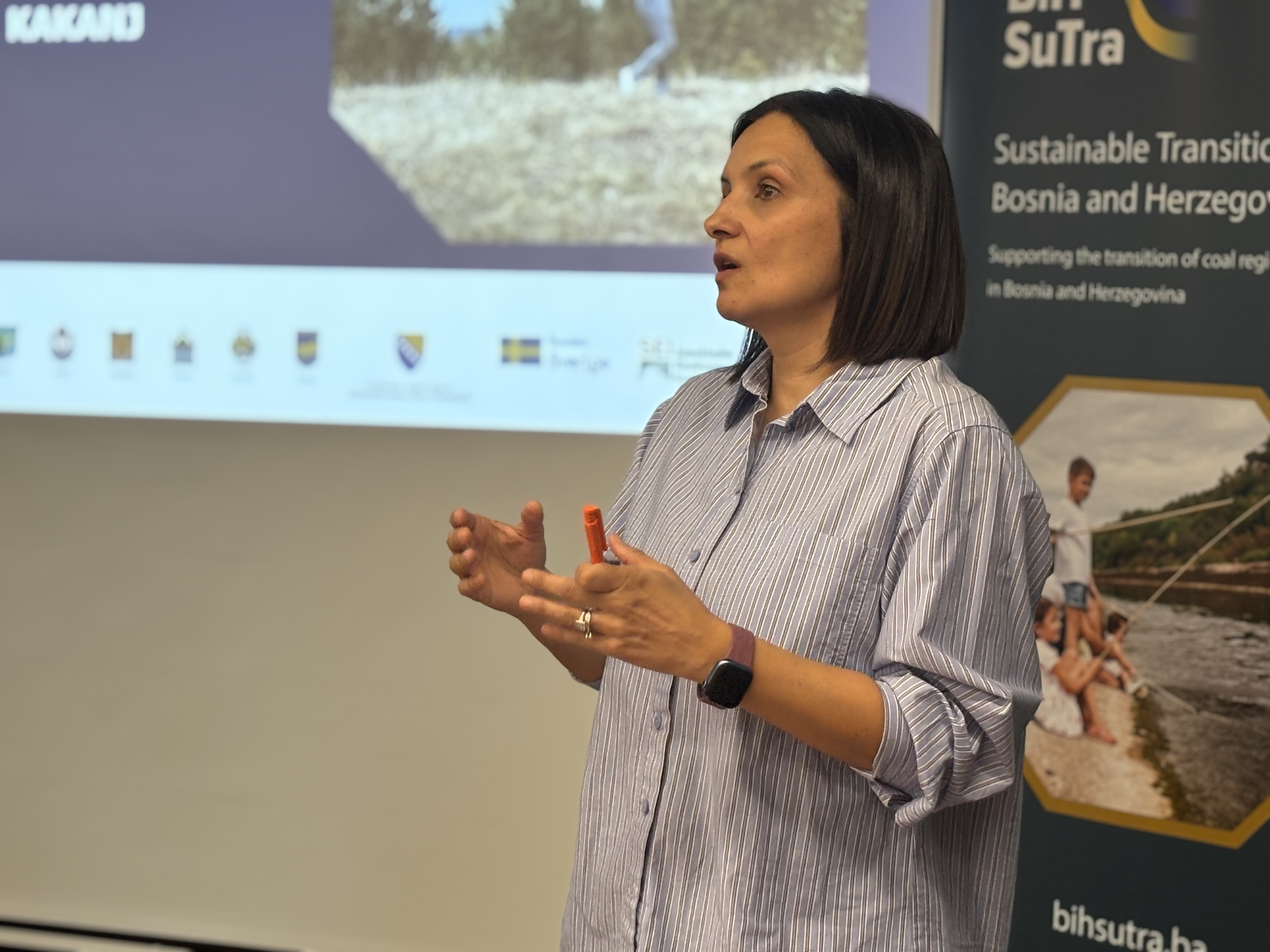
“While the name suggests a focus on pollution, this pathway encompasses much more than air quality. It also addresses water supply, wastewater management and overall environmental pressures from both industry and citizens. Although it may initially appear as a series of municipal infrastructure projects, it represents a much broader concept. Through this pathway, measures are planned to improve water and soil quality across multiple sectors—from municipal services to industry. A key priority is for the Municipality of Kakanj to clearly identify the main sources of environmental pressure, recognize those contributing most to pollution and direct its actions toward reducing these impacts,” said Maja Čolović Daul, BiH SuTra expert for pollution reduction.
The first drafts of the Transition plans for the newly joined partners are expected by June 2026. A second round of consultation meetings will follow in early June to refine the plans with local stakeholders, with finalization for Gacko, Kakanj and Gradiška planned for September 2026. The next consultation meeting is scheduled in Gradiška on 3 April, promoting a participatory and inclusive approach to shaping sustainable development pathways across Bosnia and Herzegovina.
BiH SuTra project is funded by the Swedish International Development Cooperation Agency in Bosnia and Herzegovina and implemented by the Stockholm Environment Institute.
Discover the News and Updates section, delivering the latest updates and insightful content across various topics. Stay informed with most recent news articles, reports, and publications, of the BiH SuTra project.





 Banovici
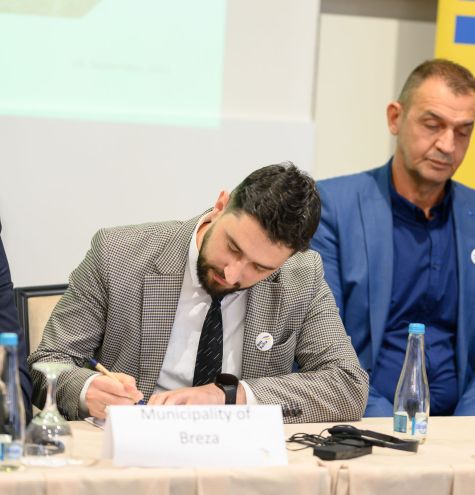
 Breza
Breza
 Gacko
Gacko
 Gradiška
 Kakanj
 Ugljevik
 Živinice
 Ministarstvo vanjske trgovine i ekonomskih odnosa BiH
 Stockholm Environment Institute
 Sweden