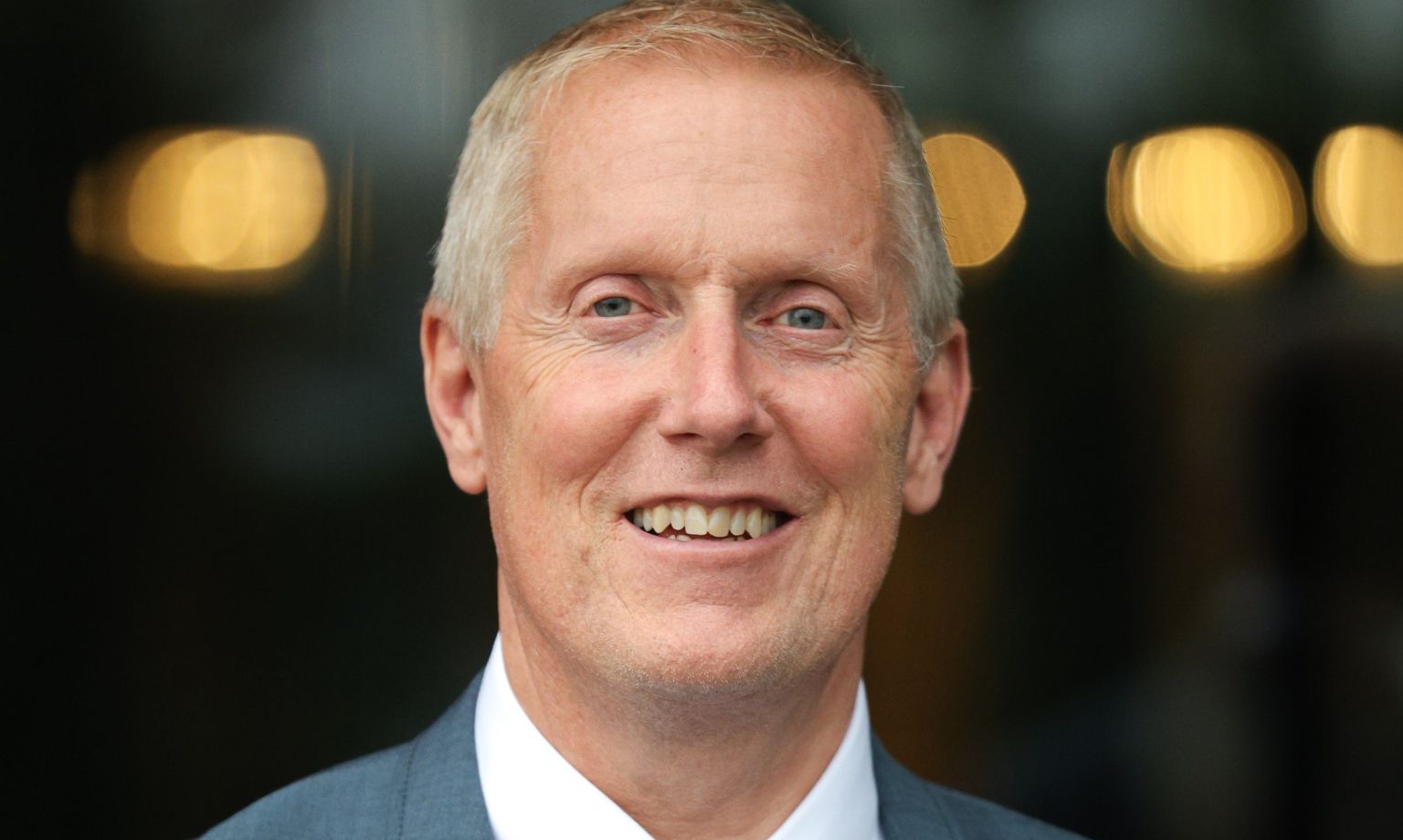
 Tomas Thernström. Photo: Jasmin Agović.
Tomas Thernström. Photo: Jasmin Agović.
Tomas Thernström. Photo: Jasmin Agović.
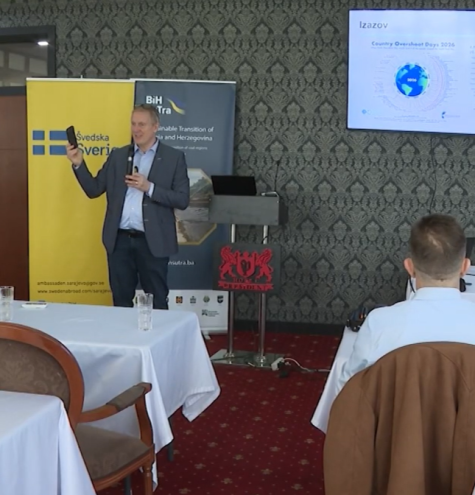
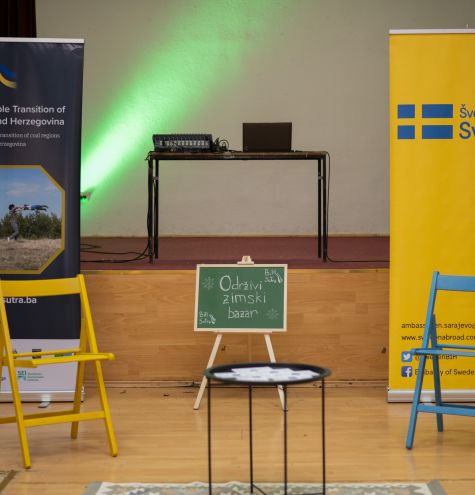
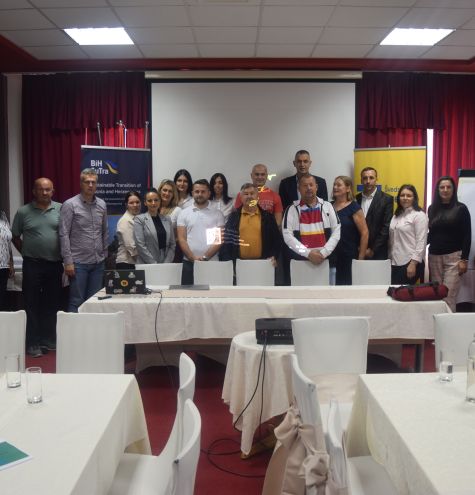
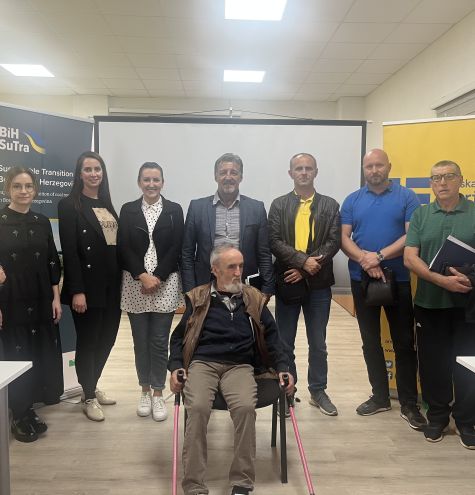
On the 3rd of March 2026 a leading Swedish expert on circular economy convened a workshop to help municipalities, cities and utilities in Bosnia and Herzegovina accelerate a circular transition. This was organised by the Sustainable Transition of Bosnia and Herzegovina project (BiH SuTra) and form a part of the implementation of the communities’ sustainable transition plans.
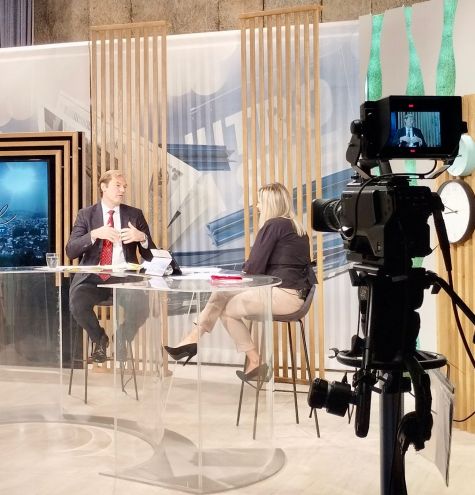
We had the opportunity to meet with the expert from the Stockholm Environment Institute, Tomas Thernström, to ask him about circular economy and waste management, Swedish experiences and more.
We often hear about the circular transition. Why is it becoming such a priority?
The circular transition is basically about making better use of the resources we already have in society. How we use resources is tied to enormous environmental problems. For example: approximately 90% of global biodiversity loss and water stress are driven by the extraction and use of natural resources, and researchers estimate that around half of global climate impacts are linked to resource use.
Recent crises like COVID-19, supply chain disruptions, and the war in Ukraine have also shown that how we use resources affects economic resilience. This has helped people see that managing waste well is not just about the environment.
The waste sector’s role is therefore broader than simply handling waste efficiently. It also provides important information on which materials are difficult to recycle or treat safely. This knowledge is important for preventing waste in the first place and for improving product design and material choices upstream. In that sense, waste management becomes a key element in the circular transition, not just the final step in the chain.
Waste financing is often described as complicated. What needs to work for a system to be financially sustainable?
Waste laws can be complex, but they are based on a simple idea: the polluter pays principle. This means if you create waste, you should pay for managing it properly. This principle underpins modern waste laws.
In practice, three main groups share responsibility. Households pay for the waste they produce. Companies cover their commercial waste costs. Producers also help by financing the collection and treatment of certain products, like packaging, through a small fee charged when the product is sold.
For the system to work over time, these three components must operate in alignment. Full cost recovery means the waste system brings in enough money to cover real costs like collection, transport, treatment, communication, and future investments. Without this, the system slowly breaks down.
Achieving full cost recovery is not just about raising household fees. It is about making sure costs are paid by the right parties. In Bosnia and Herzegovina, for example, producer responsibility systems do not work well because packaging fees are too low or missing. This forces municipalities and cities to cover the shortfall with higher fees or taxes.
How can waste tariffs be used to encourage better behaviour, not just cover costs?
Building on the polluter pays principle, the same applies to household waste. In many municipalities in Bosnia and Herzegovina, waste fees are flat, so households pay the same amount no matter how much waste they create. The fee might change a bit based on apartment size, but it usually does not reflect the actual waste produced.
From a circular economy view, this is a problem. To encourage people to reduce mixed waste and sort recyclables, the system needs to support that. So, a tariff reform is needed. EU laws and national rules are pushing for better cost alignment and incentives. But changing tariffs is not easy — it needs good administration, technical tools, political will, and public trust.
It is also important to be transparent. Waste costs are likely to increase in the coming years. At the same time, municipalities, cities and higher levels of government need to work towards a just transition. That may include affordability analyses and directed support measures for vulnerable households.
The key point is that tariffs can be designed to reward good practices. Systems with both fixed and variable fees, for example, can encourage households to reduce mixed waste and sort more. In Sweden, municipalities have used tariff structures successfully to incentivise source separation and even waste prevention. The lesson is clear. Pricing signals, when combined with good communication and reliable services, can shift behaviour in a positive direction.
During the workshop, you also focused on waste data. Why is data so central?
Because without data, decisions quickly become guesswork. Municipalities need to understand how much waste is generated, what it consists of, what it costs, and how well services actually perform. That kind of information supports planning, investment decisions, and communication with citizens.
Good data is also essential for reform. If you want to modernise waste tariffs or develop functioning Extended Producer Responsibility systems, you need evidence to support decisions. Municipal politicians should see this as a priority issue. No municipality or city wants to pay for someone else’s waste, and high-quality data provides a solid and credible basis for political decision-making.
For waste utilities, data is just as important. Using real numbers instead of estimates to build business plans and investment strategies helps make better decisions and improve services over time.
As part of the BiH SuTra project, creating a method for a waste composition study is a clear step to strengthen this foundation. The method looks at household mixed waste. Knowing what really ends up in mixed waste helps with prevention, better sorting, and designing improved collection systems.
Using a harmonized method also lets different municipalities carry out the same studies repeatedly. This helps them track progress, compare results, and check if policies and investments are working as planned.
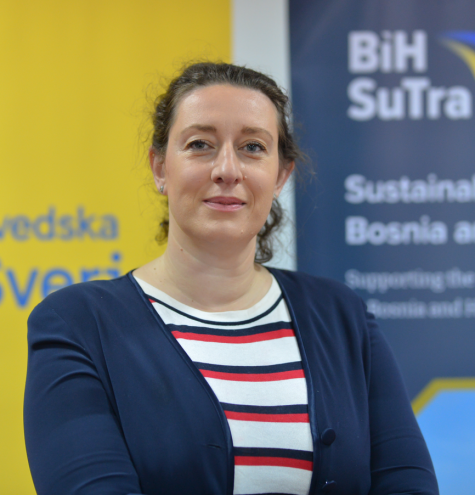
Tomas Thernström serves as a senior expert in circular economy and waste management at Stockholm Environment Institute, where he leads strategic initiatives and provides expert guidance on sustainable solutions for resource use, waste reduction, and circular systems.
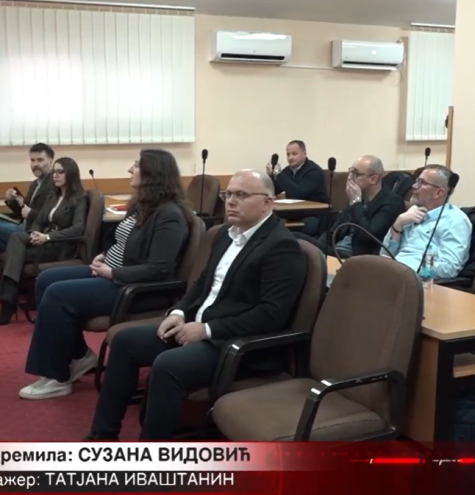
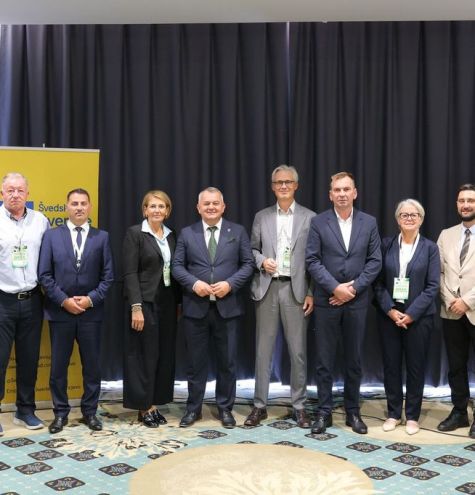
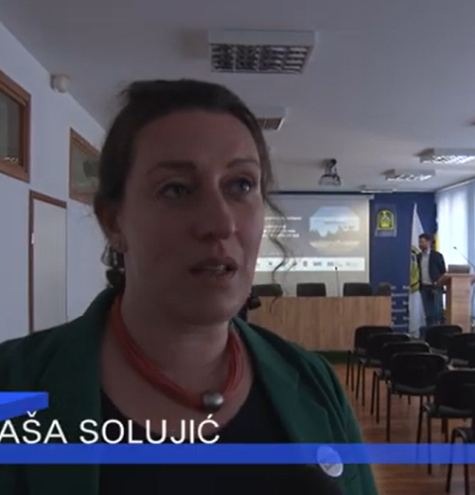
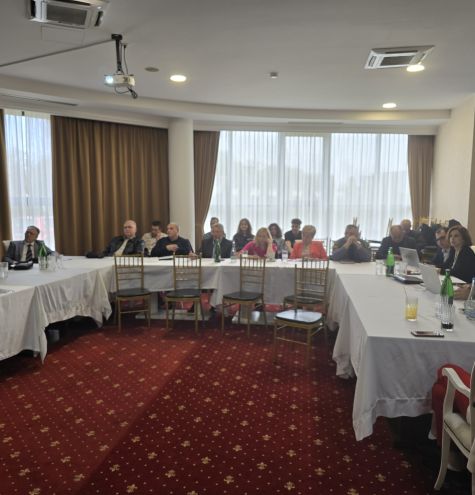
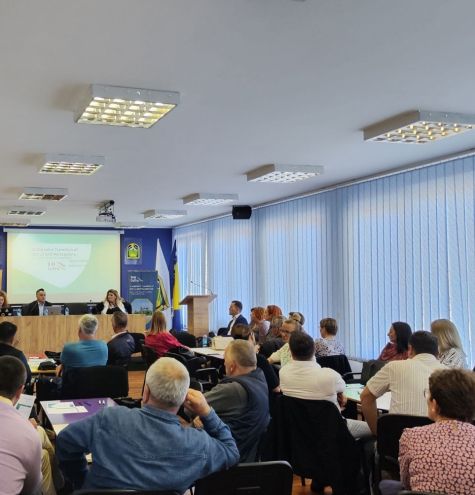
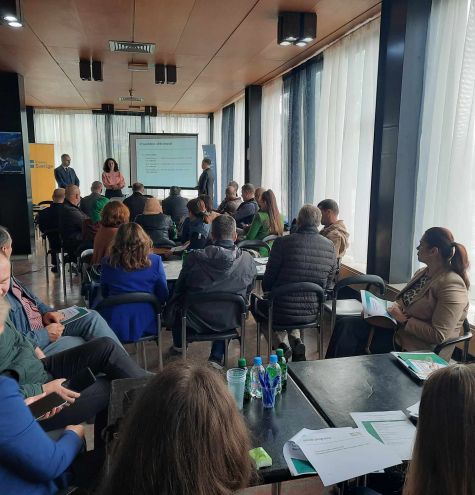
The workshop provided an overview of circular economy and sustainable waste management, combining EU frameworks, Swedish examples, and the BiH SuTra project context to explore practical pathways for a local transition in Bosnia and Herzegovina. Through sessions on full cost recovery, waste tariff design, and data-driven decision-making, participants discussed economic instruments, system financing, and the role of reliable waste data in strengthening local planning, investment, and policy development. Representatives of the seven local self-government units participating in the BiH SuTra project (Banovići, Breza, Ugljevik, Živinice, Kakanj, Gacko, and Gradiška), as well as public utility companies (Eko-Sep, Gradska čistoća a.d. Gradiška, Enterprise Vodokom Kakanj, and Akva Invest Ltd. Živinice.) took part in the event.
This media article has been featured on several news portals. See the full list below:
Discover the News and Updates section, delivering the latest updates and insightful content across various topics. Stay informed with most recent news articles, reports, and publications, of the BiH SuTra project.




 Banovici
 Breza
Breza
 Gacko
Gacko
 Gradiška
 Kakanj
 Ugljevik
 Živinice
 Ministarstvo vanjske trgovine i ekonomskih odnosa BiH
 Stockholm Environment Institute
 Sweden