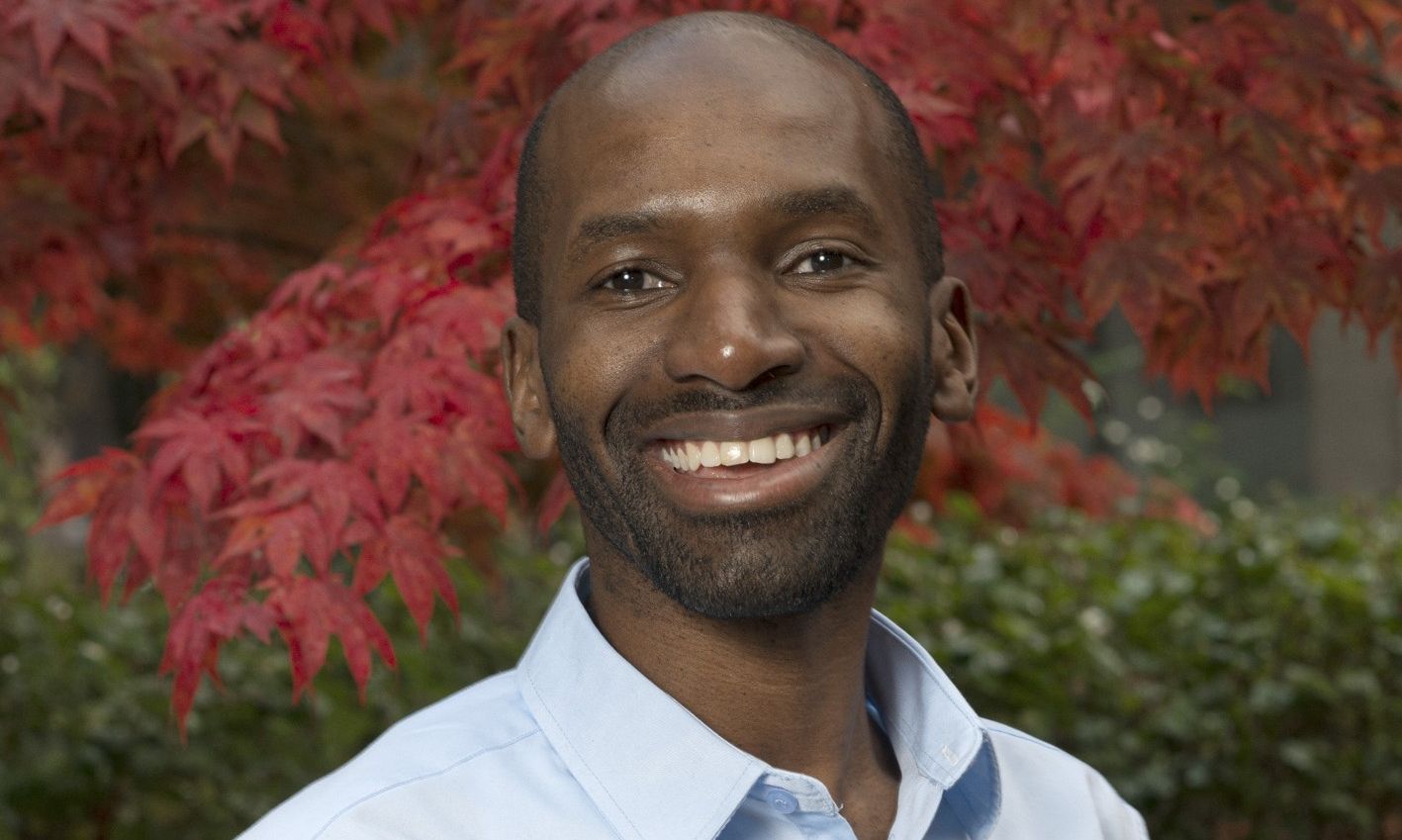
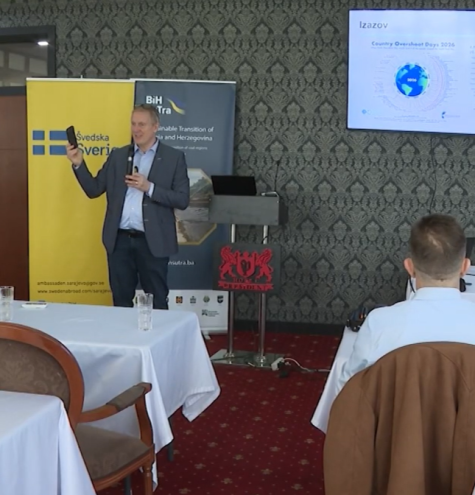
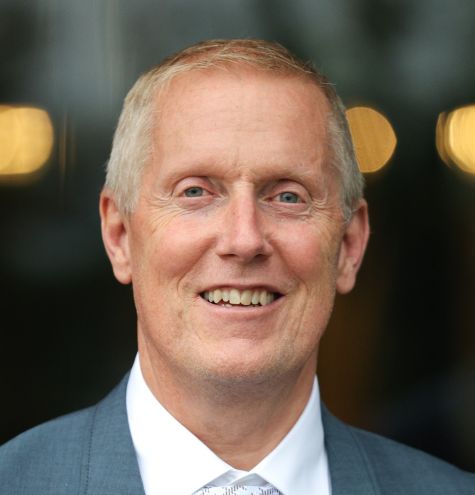
 Daniel Ddiba, Research Fellow at SEI Headquarters. Photo: Image provided by Daniel Ddiba.
Daniel Ddiba, Research Fellow at SEI Headquarters. Photo: Image provided by Daniel Ddiba.
Daniel Ddiba, Research Fellow at SEI Headquarters. Photo: Image provided by Daniel Ddiba.
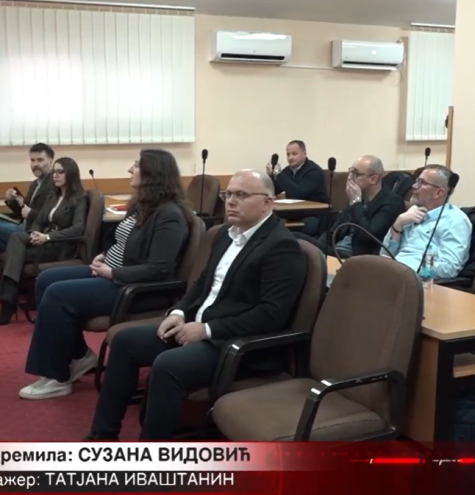
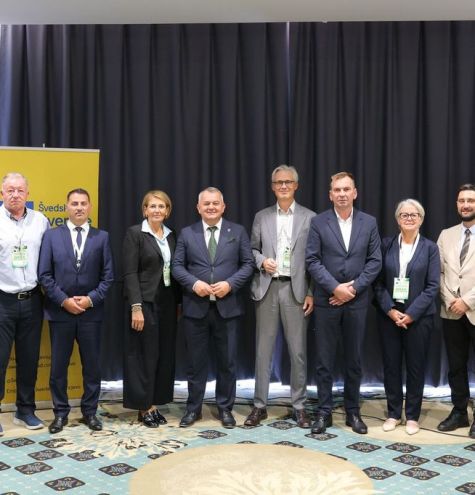
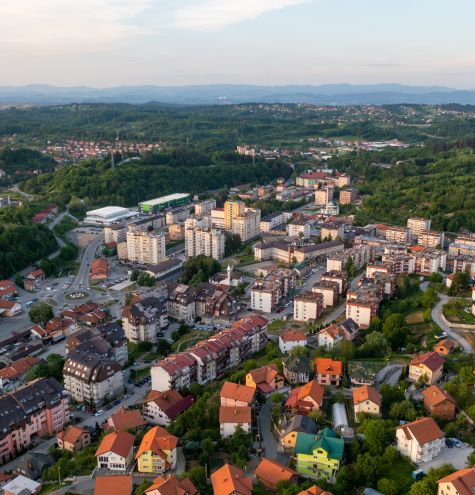
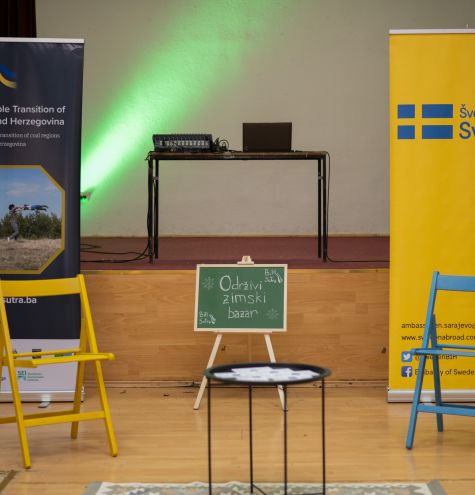
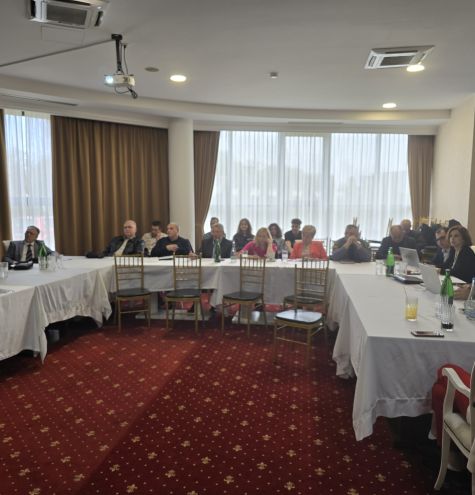
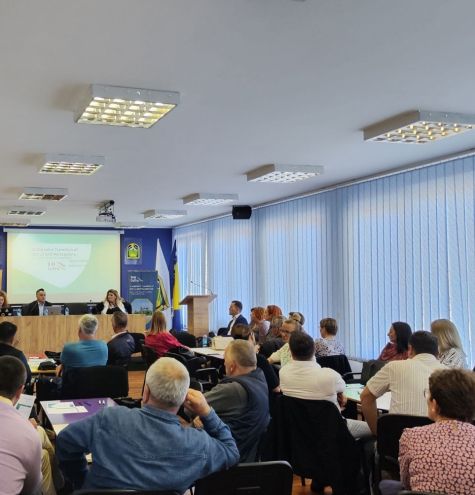
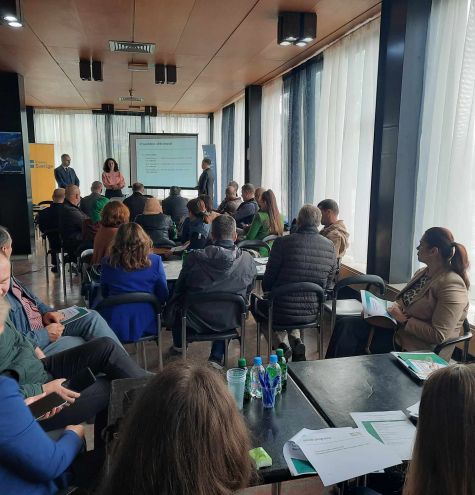
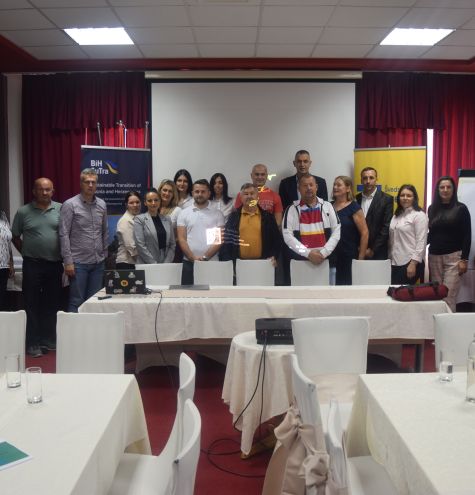
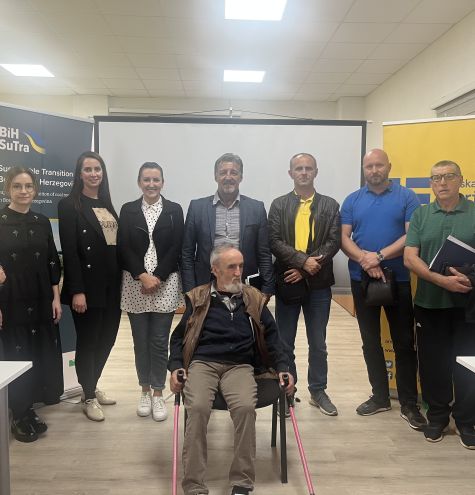
On the 2nd of December 2025 leading Swedish and local expertise convened a workshop in Breza to help municipalities, cities and utilities in Bosnia and Herzegovina accelerate sustainable wastewater management as part of the implementation of their sustainability transition plans.
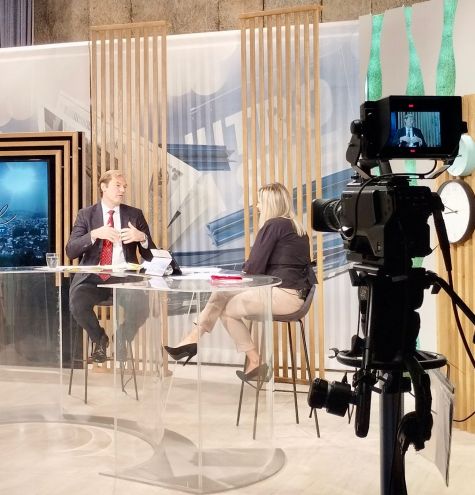
We had the opportunity to meet with one of the experts from the Stockholm Environment Institute, research fellow Daniel Ddiba, to ask him about circular wastewater solutions, decentralisation, Swedish experiences and much more.
1. Your research takes place in the framing of sustainability transitions. How can wastewater systems shift from traditional “end-of-pipe” solutions to circular, resource-recovering models, especially in smaller or more rural municipalities?
A transition begins by recognising that wastewater is not just a waste stream but a source of water, nutrients, organic matter, and energy. Our work shows that even decentralised or on-site systems, whether urine-diverting toilets, on-site grey-water collection and reuse, or community scale package plants, can recover significant quantities of nutrients for localized reuse, and reduce pollution in the community.
For rural municipalities, the shift does not require large, complex treatment plants. Instead, the first step is tailoring sanitation technologies to local density of the wastewater, topography, and environmental sensitivity, and then ensuring that these systems are operated and monitored effectively. Swedish examples, such as the blackwater system in Södertälje town or widespread urine-diverting dry toilets, show that decentralised solutions can deliver a reduction in pathogens, nutrient recycling, and cost-effectiveness when supported by clear standards and municipal oversight.
2. What lessons from Sweden’s evolution in wastewater management do you think are most relevant for BiH today?
Three lessons stand out.
First, Sweden’s progress did not come from infrastructure alone but from building strong institutional capacity through clear regulatory mandates at national level and municipal responsibility for the whole water cycle. Also, trade organisations such as Svenskt Vatten and Avloppsguiden, provide continuous technical support, training, and knowledge exchange.
Second, inter-municipal cooperation has been critical in Sweden. About a quarter of all Swedish municipalities manage water and sanitation services in a joint organization with one or more neighbouring municipalities. Utilities like NSVA or the Käppala Association demonstrate how joint planning and shared technical expertise can lead to economies of scale that make wastewater management more cost-effective. The Master Plan established in 2024 for wastewater agglomerations in BiH includes several agglomerations where such collaboration could also work, particularly within the same entity or canton.
Third, municipalities in Sweden are increasingly optimising existing wastewater plants into resource-recovery facilities. Measures include nitrogen recovery from sludge reject water, improved sludge quality under the so called REVAQ certification scheme, and improved stormwater handling. Alongside this, some municipalities are piloting source-separating options, such as separate blackwater collection, urine drying, and vacuum-based systems, mainly in new developments. This double-pronged strategy partly reflects the sunk costs (a past expense that cannot be recovered) and technological lock-ins in Sweden’s large, centralized wastewater treatment plants.
For BiH, which will build much of its wastewater infrastructure in the coming decades, there is an opportunity to leapfrog directly to future-ready, climate-resilient and resource-recovering systems rather than locking into outdated linear models. This means avoiding technologies that struggle to meet modern expectations for pollution control, circularity, and climate resilience. Instead, BiH has an opportunity to:
3. Decentralised and on-site systems are increasingly discussed. In what types of geographies or city/municipal contexts do these solutions make the most sense, and what misconceptions do you often encounter about them?
Decentralised systems are most suitable in municipalities/cities with dispersed settlements, challenging topography, or limited budgets for large sewer networks. In Sweden, Örnsköldsvik and Norrtälje are examples of municipalities that operate dozens of small treatment plants and manage tens of thousands of on-site systems due to hilly terrain, islands, or seasonal housing. Their experience mirrors BiH municipalities/cities like Ugljevik or Gradiška, where scattered agglomerations perhaps make fully centralised networks unrealistic.
A common misconception is that decentralised systems are inferior or temporary. In reality, when designed and regulated properly, they can provide high environmental protection, reduce nutrient discharge, and even offer better opportunities for local reuse. Another misconception is that on-site systems “take care of themselves.” Swedish practice shows the opposite: they require clear permit processes, regular inspections, and technical support or knowledge platforms for households that have these systems, otherwise their performance declines.
4. Financing remains a major barrier. From your perspective, what realistic pathways exist for municipalities/cities to sustainably fund both new infrastructure and long-term operations—especially when budgets are tight?
The investment needs for wastewater management in BiH (around €3.5 billion for compliance with EU requirements) are substantial. However, it must be stressed that long-term sustainability depends on how systems are organised and financed, not just on construction. Several pathways are possible here.
First, designing systems that match the scale of agglomerations is essential. Building oversized plants or networks leads to under-utilisation, high operational costs, and financial strain, as seen in several BiH wastewater treatment plants operating far below design capacity. Tailored decentralisation can potentially avoid unnecessary capital costs.
Second, cost-recovery mechanisms used in Sweden could be insightful, where tariffs cover actual operational and investment costs under principles of equity. This does not mean immediate high fees, but a gradual alignment of tariffs with real costs, backed by transparent communication with users to ensure political palatability. Swedish municipalities use a mix of connection fees, volumetric charges, and specific service fees for on-site systems. They all are within a clear legal framework and this indicates that a tailored tariff framework with various components is possible.
Third, inter-municipal cooperation can help reduce operational and capital costs by sharing technical staff, laboratory services, sludge management facilities, and planning capacities etc. Finally, external financing such as EU funds, development banks, and donor-supported programmes will all play a crucial role, but these investments are most effective when combined with strong local planning and realistic operational budgets.
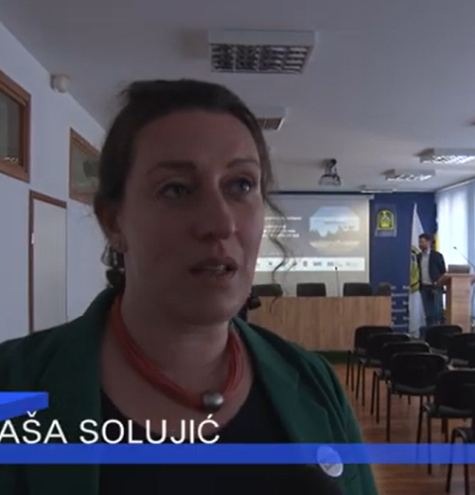
Daniel Ddiba presented and facilitated the workshop in Breza alongside SEI research fellow Linus Dagerskog and local experts Melina Džajić Valjevac (sustainable water and chemical management) and Muris Mešetović (corporate and public finance). Representatives from the BiH SuTra partner municipalities as well as delegates from key municipal and utility enterprise associations took part of the event. Participants gained practical tools, real-world examples, and actionable insights to build resilient, climate-smart, and circular wastewater systems that meet national priorities and align with EU standards.
This media article has been featured on several news portals. See the full list below:
Discover the News and Updates section, delivering the latest updates and insightful content across various topics. Stay informed with most recent news articles, reports, and publications, of the BiH SuTra project.




 Banovici
 Breza
Breza
 Gacko
Gacko
 Gradiška
 Kakanj
 Ugljevik
 Živinice
 Ministarstvo vanjske trgovine i ekonomskih odnosa BiH
 Stockholm Environment Institute
 Sweden