 Photo: Anneli Sundin/SEI
Photo: Anneli Sundin/SEI
Photo: Anneli Sundin/SEI
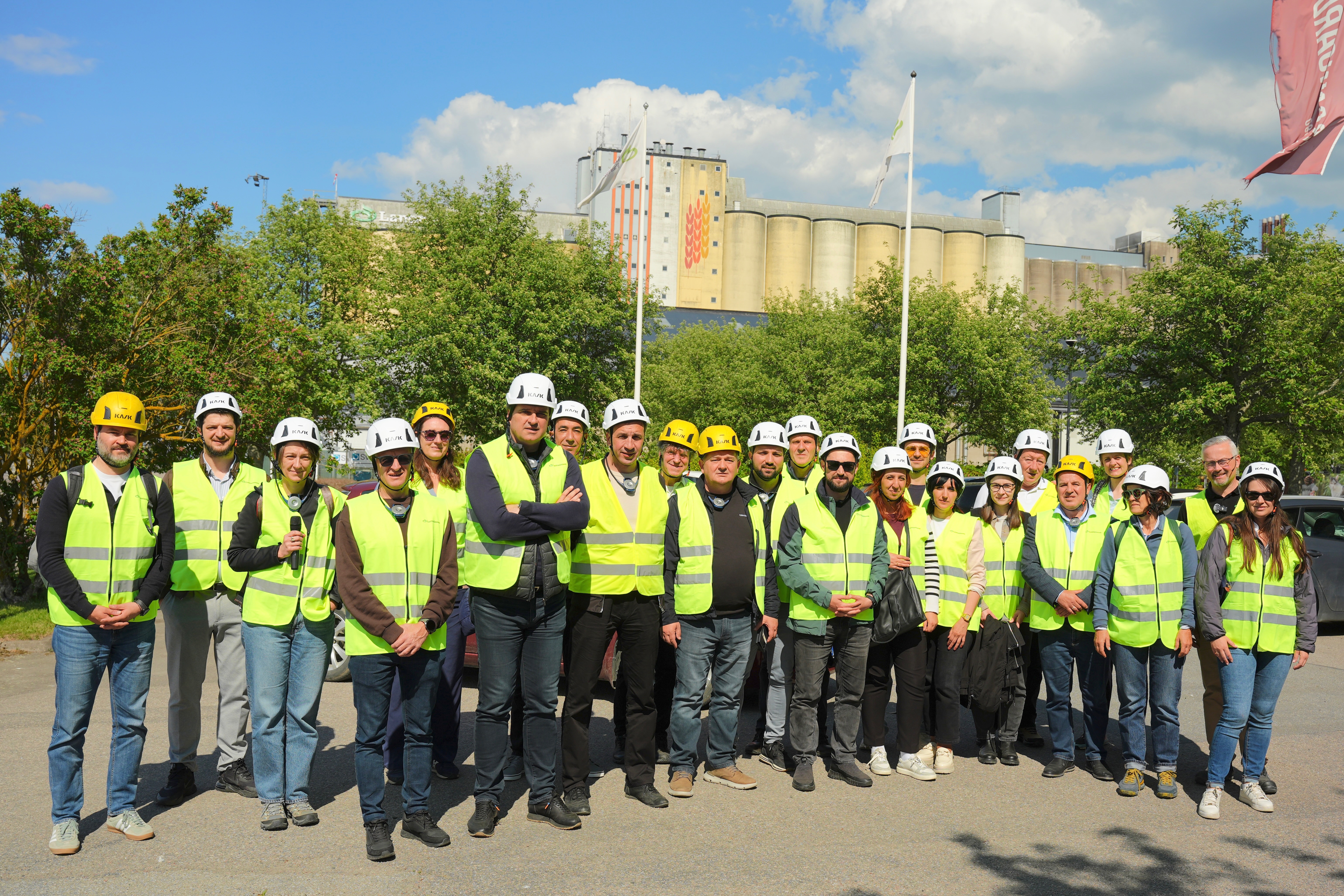
In May 2026, representatives of municipalities and cities from Bosnia and Herzegovina visited Sweden as part of the study tour on sustainable agriculture run by the BiH SuTra project. The visit brought together local government representatives, experts and practitioners to explore how agriculture in BiH can become more productive, environmentally responsible and better connected to local development.
But the study tour was not only about seeing Swedish farms or learning about advanced technologies. It was also about a more practical question: what can municipalities in BiH realistically take from these examples and adapt to their own contexts?
Watch this insight video about the agricultural study tour, with interviews with delegates.
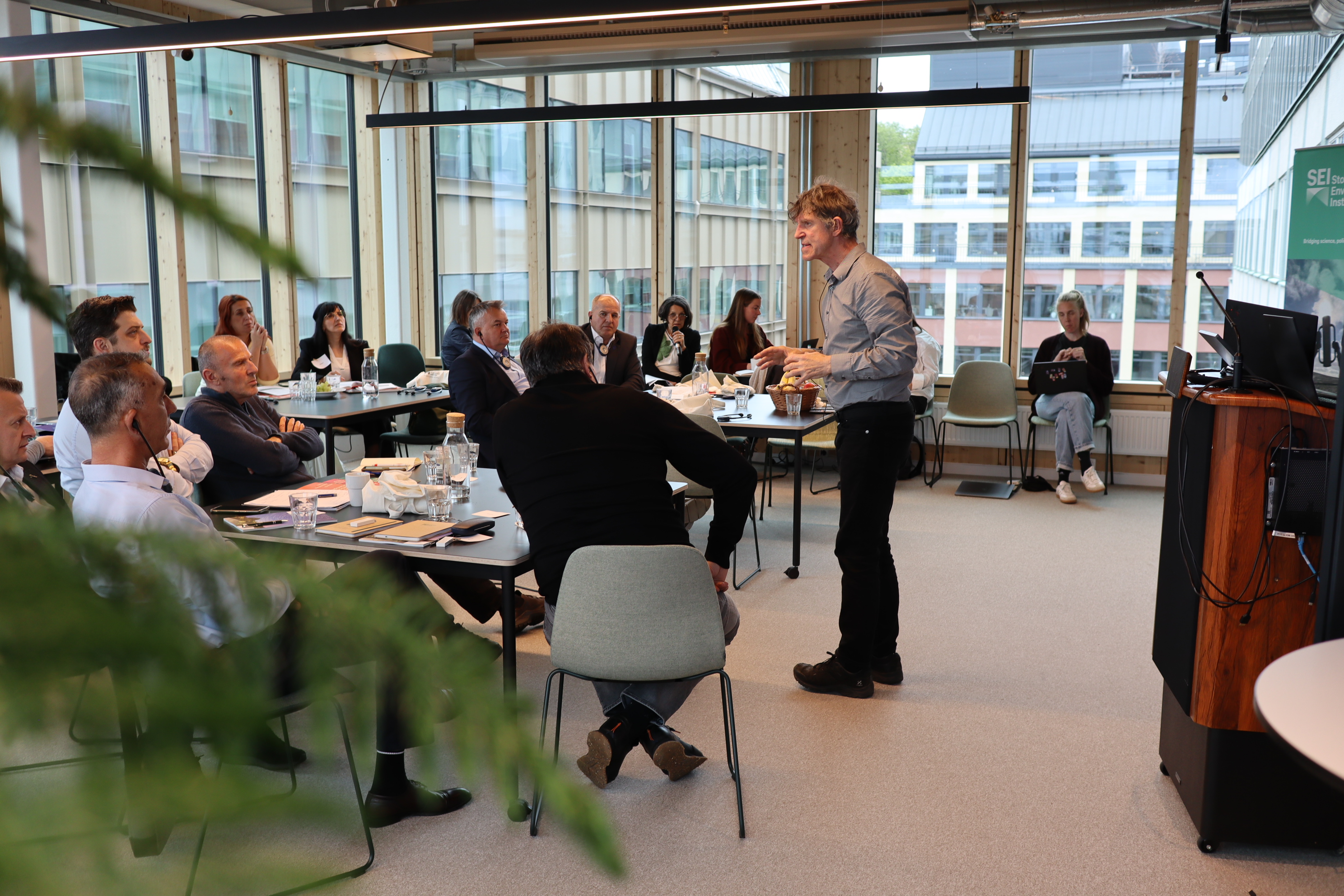
The program began at the headquarters of the Stockholm Environment Institute (SEI) in Stockholm, where participants were introduced to the broader ideas behind sustainable agriculture and land use. Discussions on multifunctional landscapes, agroecology, nature restoration and food system transformation helped frame agriculture not as a single sector, but as part of a wider system involving land, water, forests, biodiversity, rural livelihoods and governance.
One key message was that sustainable agriculture requires more than individual action. It depends on cooperation between farmers, municipalities, research institutions, policymakers and businesses. Participants reflected that this was highly relevant for BiH, where fragmented land ownership, administrative complexity and limited municipal land can make new approaches difficult to introduce. Even so, municipalities and cities have an important role in creating better conditions for cooperation, supporting local producers, connecting stakeholders and encouraging more strategic use of land and natural resources.
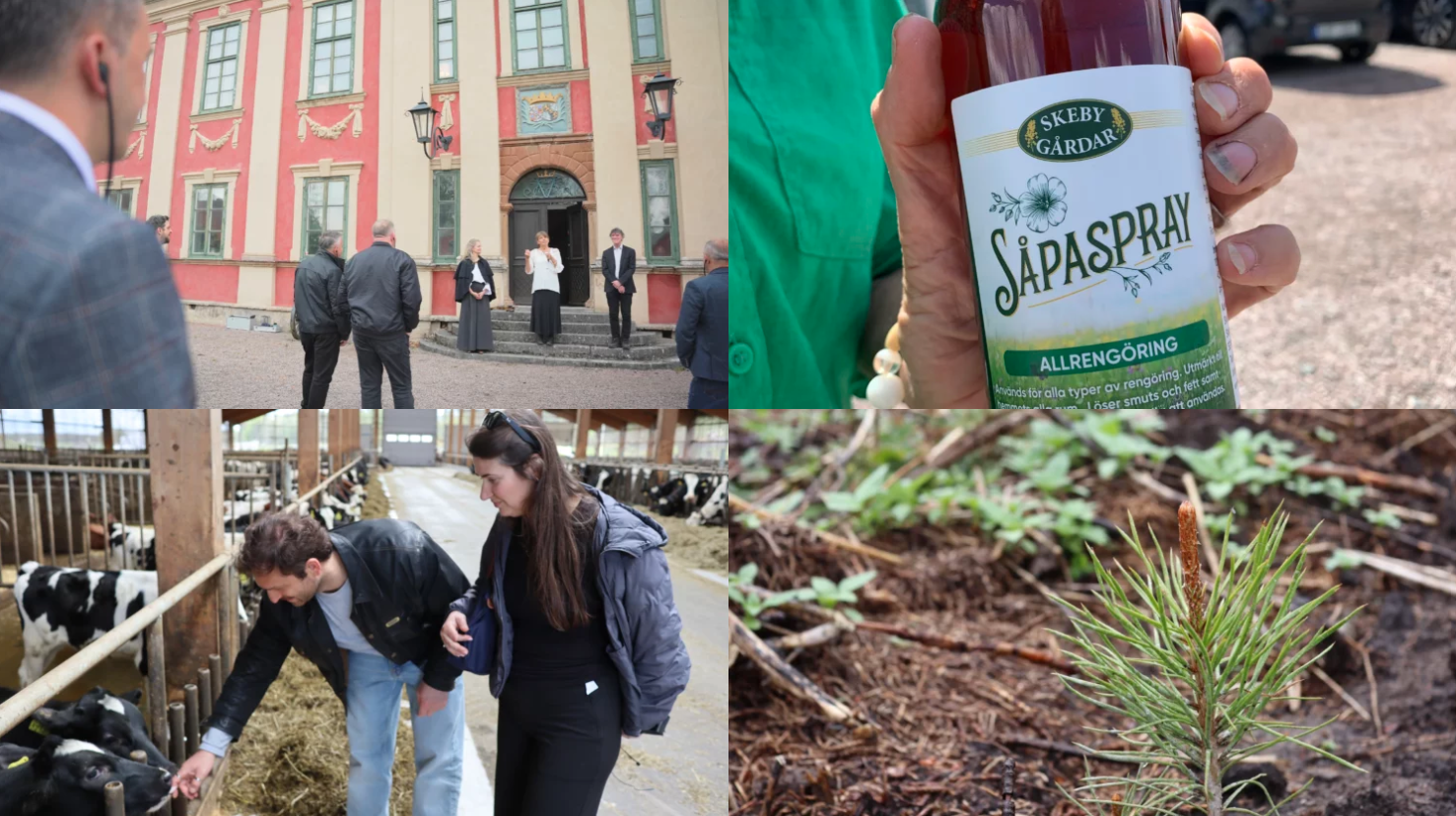
The Swedish examples also highlighted the move from primary production towards value addition. During field visits in western Sweden, participants saw how agricultural products can become part of broader value chains, from rapeseed processing and food products to large-scale biorefinery solutions using wheat and legumes. This resonated with several participants, who pointed to the need to support processing capacities, strengthen local value chains and help farmers capture more value from what they already produce.
For many participants, the most powerful lessons came from seeing cooperation work in practice. Visits to farms and rural enterprises showed that successful sustainable agriculture is often built on partnerships, trust and shared investment, whether through farmer cooperation, links with innovation hubs or collaboration between research and practice. Individual producers, in short, are stronger when they are connected.
This echoed one of the clearest messages from the discussions. Several participants noted that farmers in BiH need to associate more, form partnerships and invest jointly, pooling human, financial, infrastructural and knowledge resources. For the local level, this points to a practical role: helping farmers organize, supporting cooperatives or producer associations, and creating platforms where farmers, institutions and businesses can work towards common goals.
Innovation was another strong theme. At the Swedish University of Agricultural Sciences and Agroväst, participants learned about precision farming, soil health, conservation and the role of regional innovation platforms, and saw how science and technology can support better decision-making at farm level, from improving productivity to protecting soil and adapting to climate change. They particularly valued the connection between research and practice: knowledge must not remain in institutions but should be translated into tools, advice and practical support for farmers.
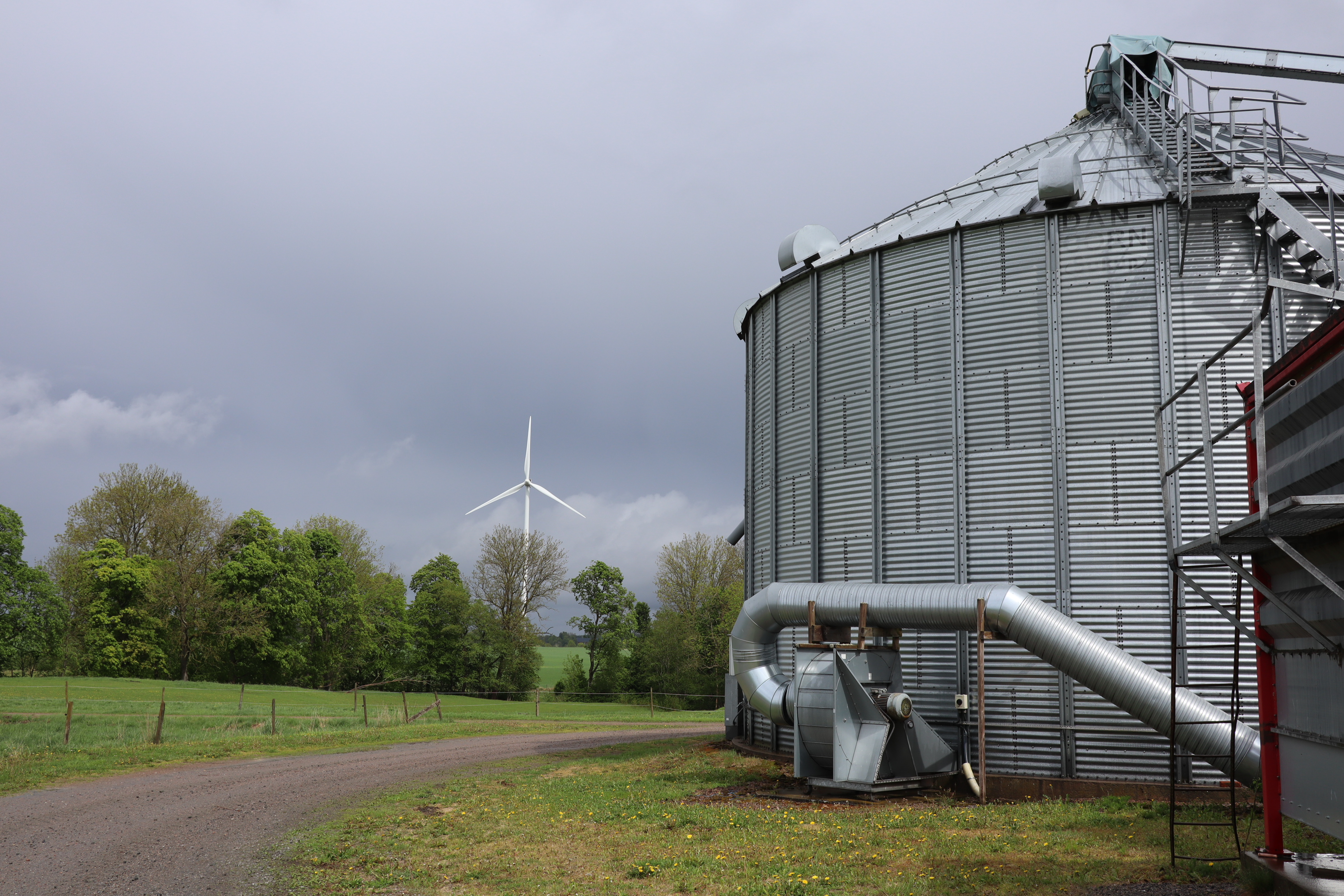
Visits to modern grain, forestry and dairy operations gave a closer look at how technology, environmental standards and management practices come together. Precision farming, robotics, organic dairy production and sustainable forestry showed that modernisation and sustainability do not need to be separate goals, and that agriculture can be both economically viable and environmentally responsible when supported by smart management, investment and long-term commitment.
The visit did not present Sweden as a model to be copied. Participants were clear that BiH faces different realities, including complex governance structures, fragmented agricultural land, limited resources and long-standing habits that are difficult to change, and that the country is still far from applying many of the practices on show. That did not make the visit less useful; if anything, it helped participants think more concretely about what adaptation could look like.
One municipality representative noted that the experience could support ongoing work to establish an agricultural cooperative. Another saw opportunities to adapt incentive measures so that municipal budgets could support on-farm processing and encourage producers to organize around specific types of production. Others mentioned promoting local products, improving land management, supporting organic milk production and integrating sustainable agriculture principles into future project proposals.
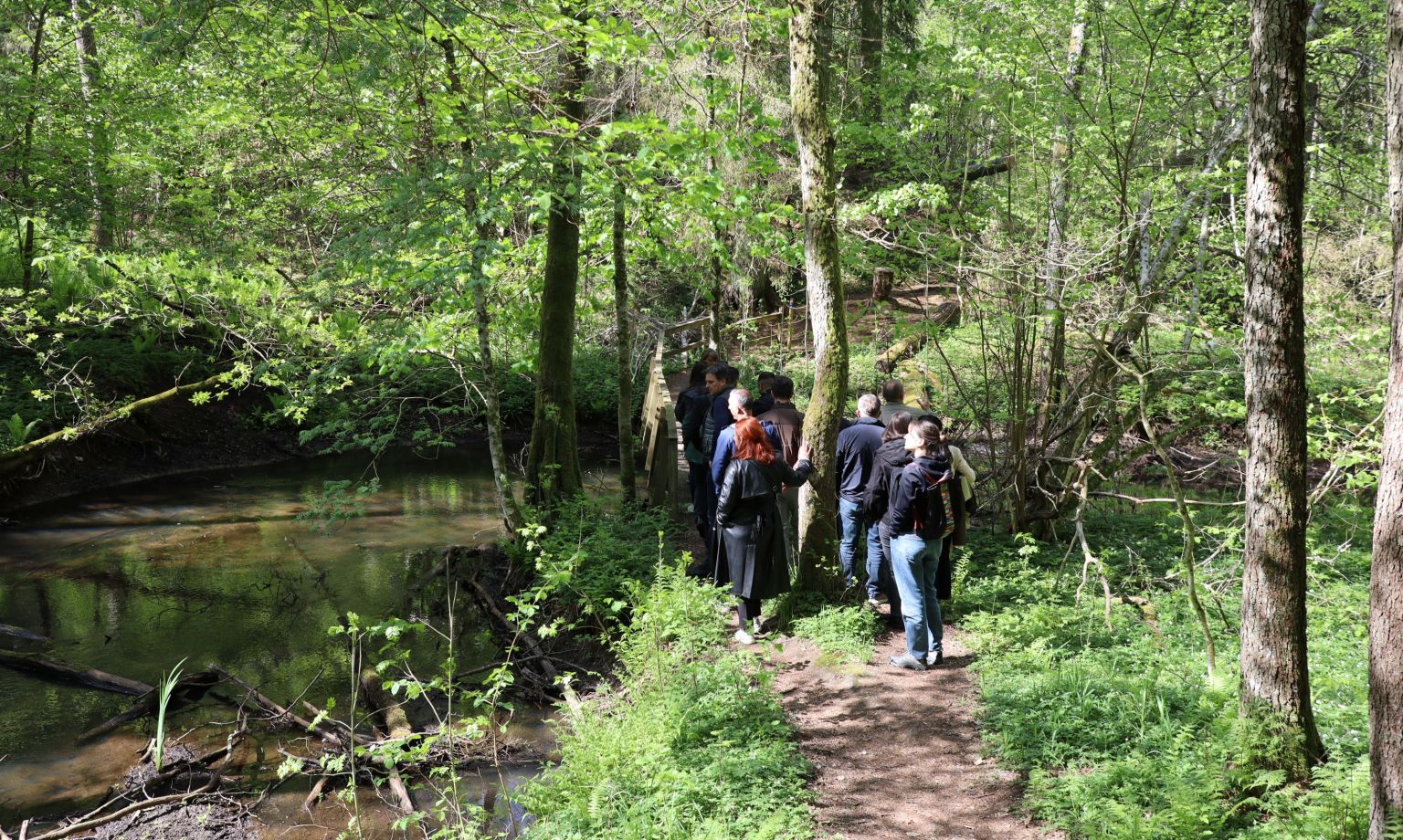
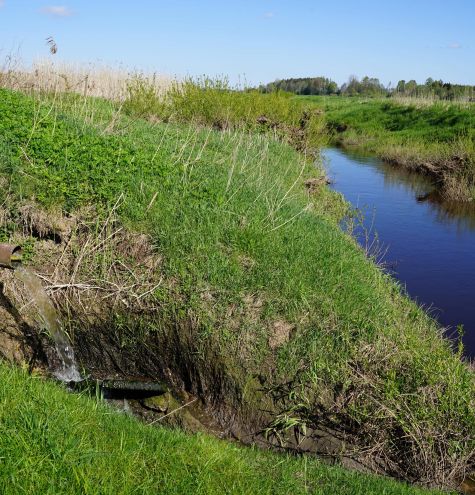
The tour also strengthened awareness of biodiversity and nature restoration as part of agricultural and rural development. Sessions on multifunctional landscapes and rewilding showed how forests, wetlands, rivers, soil and species diversity contribute to resilient local economies, something especially relevant for municipalities in BiH, where sustainable agriculture is closely linked with water protection, forest management, land quality and rural tourism potential.
By the end, many participants left not only with new information but with clearer ideas about what could be done differently at home. The strongest impressions came from seeing sustainable agriculture in practice: farmers cooperating, research being applied on the ground, technology supporting better production and local actors working around shared goals. For many delegates, these examples made the topic feel less abstract and more connected to their daily work with farmers, rural communities and municipal development.
The central lesson from Sweden was clear: sustainable agriculture is not built through technology alone. It requires cooperation, trust, responsibility, good governance, knowledge exchange and a shared understanding that agriculture is connected to the wider ecosystem and to local development.
For municipalities and cities in BiH, the next step is to translate these lessons into realistic local action: supporting farmer networks, improving cooperation with research and educational institutions, encouraging value addition and local processing, or integrating biodiversity and land management into municipal development planning. The Swedish examples offered inspiration, but the real value of the study tour will be seen in how these ideas are adapted, tested and carried forward in BiH.
One participant summed it up simply: the future lies in sustainable agriculture. The study tour showed that this future will depend not only on farms and technologies, but on people, partnerships and municipalities willing to connect them.
Discover the News and Updates section, delivering the latest updates and insightful content across various topics. Stay informed with most recent news articles, reports, and publications, of the BiH SuTra project.









 Banovici
 Breza
Breza
 Gacko
Gacko
 Gradiška
 Kakanj
 Ugljevik
 Živinice
 Ministarstvo vanjske trgovine i ekonomskih odnosa BiH
 Stockholm Environment Institute
 Sweden