 Photo: Johanna Lehtmets/SEI
Photo: Johanna Lehtmets/SEI
Photo: Johanna Lehtmets/SEI
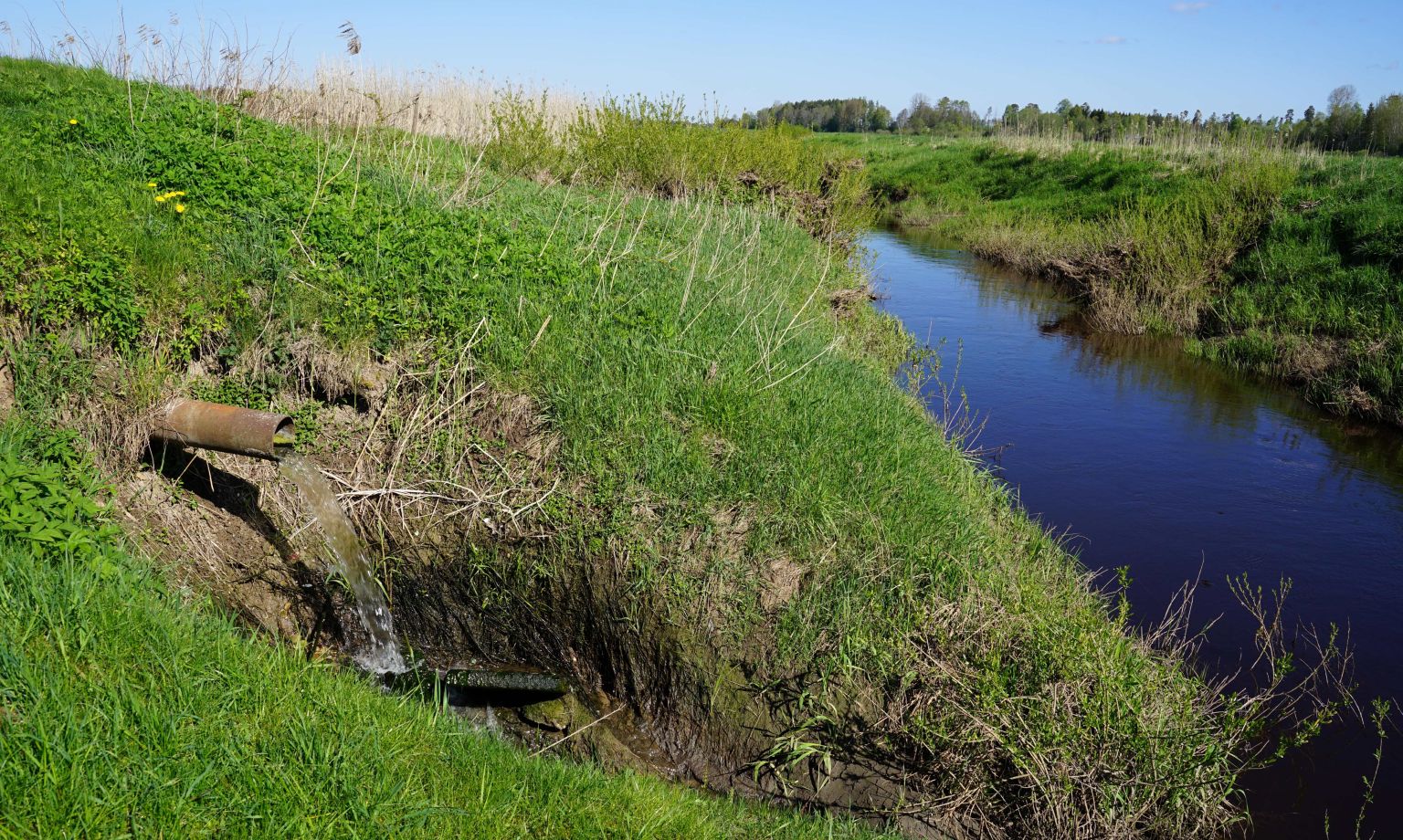
Every year on 22 March, known as World Water Day, we turn attention to the value of water and the urgent need to manage it sustainably. Yet one critical part of the water cycle often receives far less attention than the drinking water supply or marine protection: this is wastewater treatment.
What happens after water leaves our homes, businesses, and industries is just as important as where it comes from. Without effective wastewater treatment, rivers, lakes and groundwater become polluted, ecosystems are damaged, and public health is put at risk. Properly managed wastewater systems, on the other hand, protect the environment, enable safe water reuse, and even allow the recovery of valuable resources such as energy and nutrients. As climate change increases pressure on water resources, experiences from
Across Europe, improving wastewater treatment remains a key priority under the EU Urban Wastewater Treatment Directive. For Bosnia and Herzegovina, as a candidate country for EU accession, the challenge is especially significant. The country faces substantial investment needs to meet EU standards, estimated at around €3.5 billion, roughly 15% of national GDP as of 2024.
At present, only about 20 wastewater treatment plants are operating across the country. Many of these facilities function below their design capacity and face operational challenges such as limited maintenance and insufficient sludge management systems. A recently completed Master Plan has identified 338 agglomerations (areas where population and economic activities are concentrated enough to require wastewater collection and treatment) across the country where wastewater collection and treatment will be required, providing, for the first time, a comprehensive planning basis for the expansion of wastewater services. Turning this plan into reality will require not only significant investment but also effective institutional arrangements at every level.
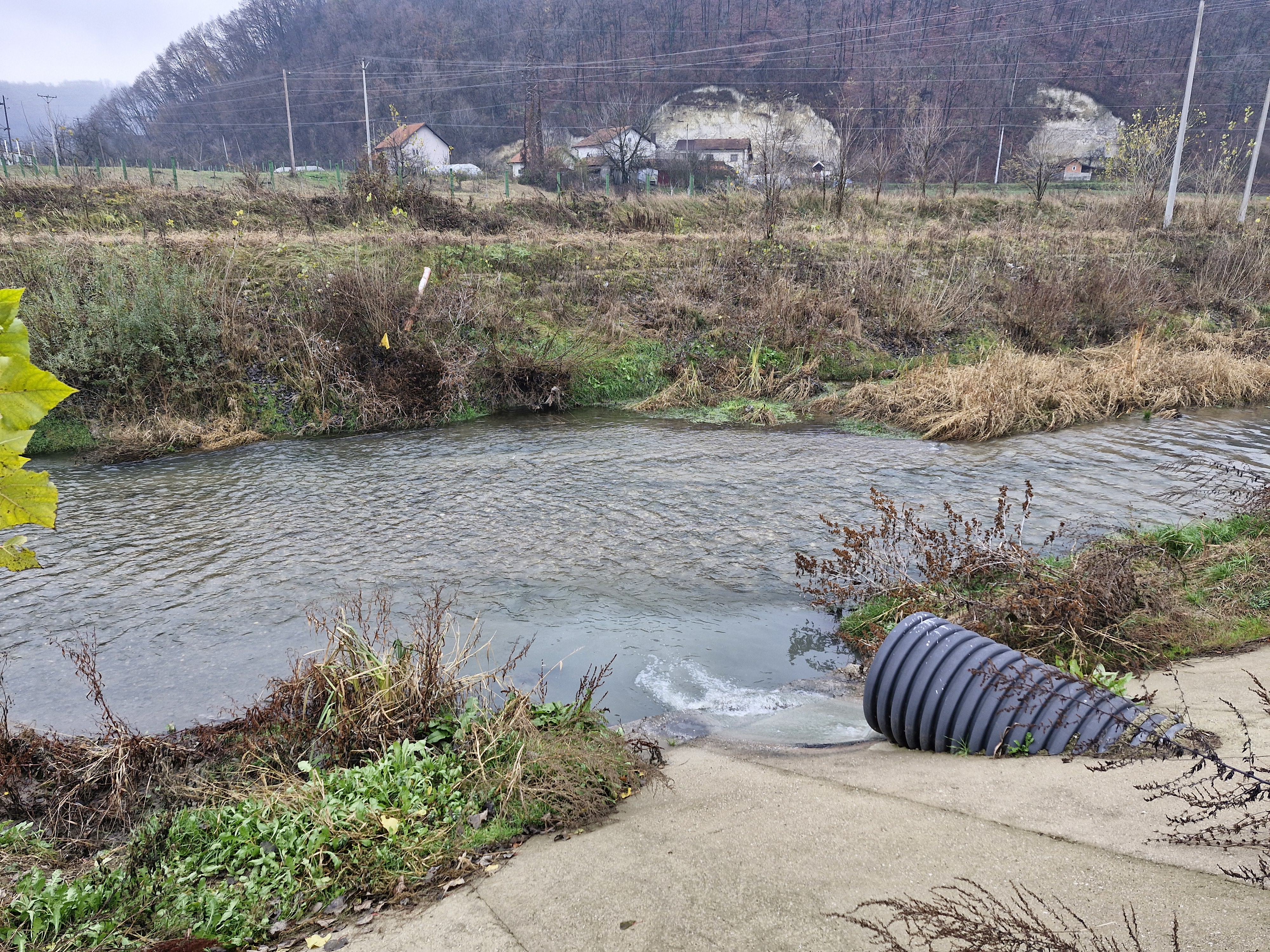
However, building treatment plants alone will not guarantee long-term success. Sustainable wastewater management requires more than infrastructure. It depends on effective financing mechanisms, skilled operators, cooperation between municipalities, and strong institutions including dedicated sector organizations that can provide ongoing technical support, training and quality standards. Without these elements, even the most modern facilities risk underperforming. This is where international experience can offer valuable lessons.
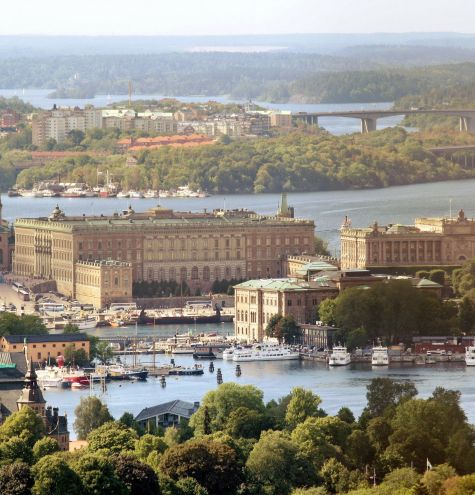
Countries like Sweden demonstrate how strong sector organization can support efficient wastewater management. Over decades, Swedish municipalities have developed systems for sharing expertise, coordinating technical standards, and strengthening operational capacity. Trade organizations such as Svenskt Vatten and knowledge platforms like VA-guiden and Avloppsguiden play an important role in supporting municipalities by providing training and certification, developing technical standards, enabling benchmarking, and offering practical guidance on both municipal systems and small-scale on-site solutions. These types of sector platforms help ensure that even smaller municipalities can access the knowledge and technical support needed for reliable wastewater operations.
For Bosnia and Herzegovina, similar approaches could help address the fragmented institutional landscape of the water sector. Encouraging inter-municipal cooperation, for example, could significantly improve cost-effectiveness and strengthen operational expertise. The country's Master Plan has already identified agglomerations that span municipal boundaries, and there are further cases where merging agglomerations across cantonal borders within the Federation of BiH could yield significant benefits. Within the country’s current governance framework, promoting such cross-municipal and cross-cantonal collaboration within entities represents a realistic and practical starting point.
At the same time, wastewater solutions should reflect the diversity of communities they serve. Large centralized treatment plants are essential for major urban areas, but decentralized systems can be more effective in smaller settlements, peri-urban areas, and rural communities. Recognizing the role of individual or small-scale wastewater systems, and establishing clear standards and oversight for them, will also be important for ensuring environmental protection.
Looking ahead, Bosnia and Herzegovina has a unique opportunity. Because much of its wastewater infrastructure still needs to be developed, the country has the opportunity to design new systems based on circular economy principles from the outset, rather than adapting existing infrastructure, as countries like Sweden are now required to do. Sludge management is already a pressing challenge at existing treatment plants in Bosnia and Herzegovina. Experience from Sweden shows that this challenge can be turned into an opportunity. Through quality certification for sludge reuse on farmland and nutrient recovery from source-separated wastewater fractions, it is possible to recover energy, nutrients, and even reusable water, while reducing environmental impact and long-term costs.
An upcoming BiH SuTra report will explore these challenges and opportunities briefly discussed in this blog in greater detail, examining how lessons from Sweden could help inform the development of more sustainable and effective wastewater management in Bosnia and Herzegovina. The report will be published on the project website https://bihsutra.ba/en/news/publications
Discover the News and Updates section, delivering the latest updates and insightful content across various topics. Stay informed with most recent news articles, reports, and publications, of the BiH SuTra project.










 Banovici
 Breza
Breza
 Gacko
Gacko
 Gradiška
 Kakanj
 Ugljevik
 Živinice
 Ministarstvo vanjske trgovine i ekonomskih odnosa BiH
 Stockholm Environment Institute
 Sweden