 Photo: Helena Lopes/Pexels
Photo: Helena Lopes/Pexels
Photo: Helena Lopes/Pexels
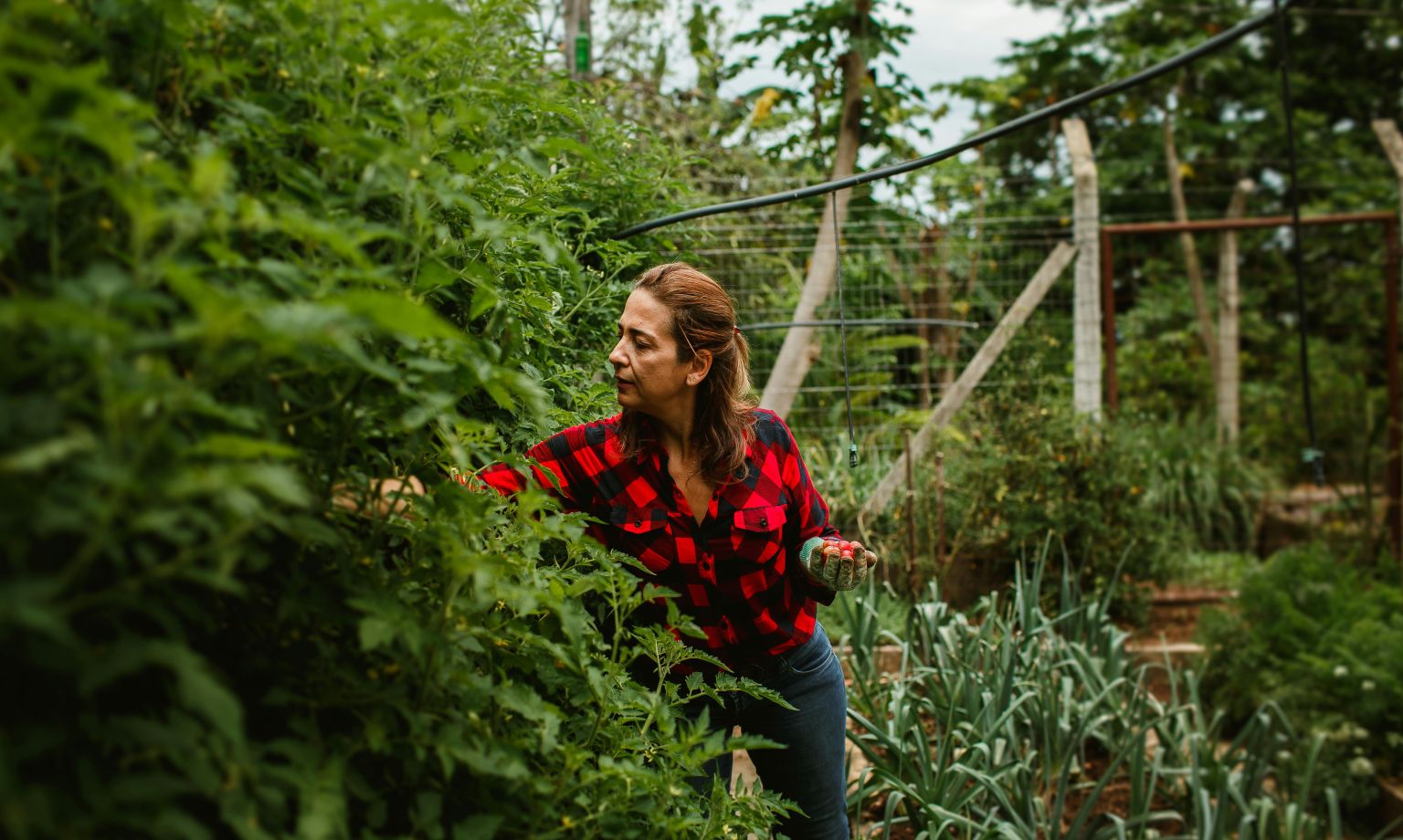
Across the world, women are the backbone of rural food systems. They grow food, manage livestock, process dairy, sustain family farms while safeguarding traditional knowledge. Yet their work is often undercounted, undervalued or invisible in official statistics.
Recognizing both the contributions and the inequalities women face, the United Nations (UN) has declared 2026 the International Year of Women Farmers. This global initiative calls for greater recognition, support and investment in the women who sustain food systems, agriculture and rural economies. As we celebrate International Women's Day on the 8th of March, this topic resonates strongly also at the local level in Bosnia and Herzegovina.
In Bosnia and Herzegovina, agriculture continues to provide income and food security for many communities. Women are active across multiple parts of the sector, from crop production and livestock care to food processing and informal rural activities.
However, the agricultural sector in Bosnia and Herzegovina faces significant gender disparities. According to the Country Gender Assessment on agriculture and rural livelihoods, developed by UN Women and the Food and Agriculture Organization of the United Nations, women contribute significantly to agricultural labour and rural economies. However, much of this work remains unpaid or informal. Similar to global trends, women are less likely than men to own land, access credit, benefit from advisory services or participate in agricultural decision-making.
According to the UN, women account for nearly half (49%) of the BiH rural population and 20% of employed women work in the agriculture sector, yet only 18% of farms are managed by women and only 38% of women own or have part-ownership of agricultural land.
This gap in ownership has practical implications. Without formal ownership or registration, women can face barriers in accessing agricultural subsidies, credit and financial support programs. In other words, access to land often determines access to opportunity. In addition, women often carry a disproportionate burden of unpaid care work alongside agricultural tasks. This reduces the time available for participation in formal economic activities, training, networking and leadership roles.
These structural issues matter in the context of sustainability transition. Climate change and rural depopulation are only some of the issues reshaping agriculture in Bosnia and Herzegovina. Ensuring that women have equal access to resources, services and decision-making is not only a matter of equity but it is essential for building a resilient and future-oriented agricultural sector.
Addressing these barriers requires both policy changes and practical local-level action. As Alma Midžić, gender expert and Gender Equality, Social Equity, and Poverty (GESEP) Consultant in the BiH SuTra project highlights, solutions must focus on improving access to services, strengthening women’s economic opportunities and ensuring that policies are designed with women’s realities in mind.
“To effectively address the challenges faced by women in rural areas due to gender roles and caregiving responsibilities, it's important to implement concrete measures such as incentive policies and improved public services. Additionally, raising public awareness about inheritance issues is essential.”
Ms. Midžić highlights as an opportunity that local governments frequently support local media outlets, especially radio and television stations. In partnership with civil society organizations, these platforms can be utilized to create educational campaigns focused on inheritance practices and their effects on women’s economic status. However, for these initiatives to be effective, the involvement of local leaders and influential community figures is essential. It is important for trusted individuals who are respected in the community to actively engage in these efforts.
“It is essential to enhance the professional status of women in rural areas by ensuring they have adequate access to financial support, training, and advisory services for starting entrepreneurial or income-generating activities. Additionally, practical assistance should be provided to help them apply for subsidies or grants. Often, it is overlooked that women in rural areas may lack the necessary knowledge, information, or time to navigate complex application procedures. This could be organized through the establishment of offices for this purpose, or even with mobile teams that can provide in-person assistance. This depends mainly on local conditions and available resources,” adds Midžić.
She emphasizes that improving access to public services such as childcare or healthcare is also critical, although these interventions require larger investments. One possible approach is the use of gender-responsive budgeting as a tool to better identify women’s needs and allocate resources accordingly. “I had the opportunity to participate in a workshop on this methodology with representatives of local governments. Participants from the city of Gradiška, which is also BiH SuTra partner city, and which has a large number of rural communities, identified the lack of a mobile mammography unit as a key issue and highlighted the significant benefits such a service would bring to women in their rural communities.”
Policy design also plays a crucial role. Incentives and support programs should be developed through participatory and consultative processes that include the perspectives of rural women themselves. Too often, measures are implemented without a clear understanding of the needs of those they are intended to support.
Alma Midžić gives an example of the distribution of European Union funds to combat energy poverty in Bosnia and Herzegovina, as it illustrates the consequences of overlooking different perspectives. The measures taken were not gender-sensitive and ignored factors that contribute to vulnerability to energy poverty.
Calls for applications did not include affirmative measures for women-headed households or administrative simplifications for vulnerable groups. Property ownership, which was one of the eligibility requirements, significantly limited women’s ability to apply for support measures.
The only gender-related criterion included in the call for private sector applicants was introduced at the request of the donor. This example highlights the importance of involving women and target groups in the design of policy measures and funding structures to ensure fair and gender-responsive distribution of support.
Recognizing women farmers, therefore, is not only about raising awareness. It is about redistributing access, power and opportunity in a sector. Ensuring that women have equal access to land, resources and decision-making will be essential for building a more resilient and inclusive agricultural sector in Bosnia and Herzegovina and beyond.
Discover the News and Updates section, delivering the latest updates and insightful content across various topics. Stay informed with most recent news articles, reports, and publications, of the BiH SuTra project.

















 Banovici
 Breza
Breza
 Gacko
Gacko
 Gradiška
 Kakanj
 Ugljevik
 Živinice
 Ministarstvo vanjske trgovine i ekonomskih odnosa BiH
 Stockholm Environment Institute
 Sweden