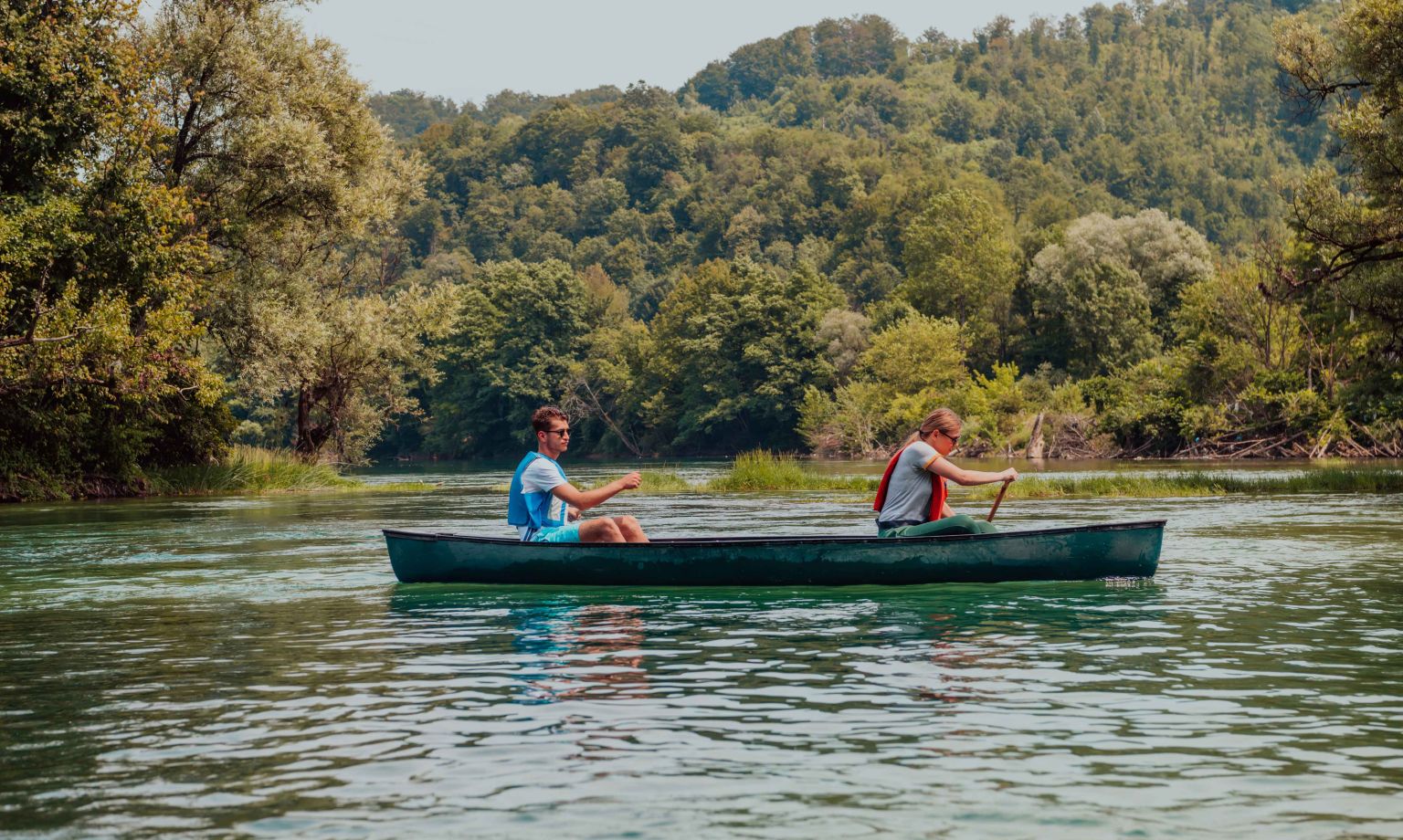
 Photo: .shock/ Getty Images
Photo: .shock/ Getty Images
Photo: .shock/ Getty Images
As part of the BiH SuTra project, we work to support a sustainable and just transition through institutional reforms and inclusive local processes. In doing so, it became clear that effective action requires a better understanding of how people in Bosnia and Herzegovina perceive environmental change, the energy transition, and the concept of a just transition more broadly.
To inform our work, we reviewed recent studies and surveys examining public awareness, concerns, and expectations related to the sustainable transition. Our aim was to identify existing knowledge gaps, sources of uncertainty, and preferred modes of communication and participation. These insights help ensure that our activities (particularly at the local level) are responsive to people’s realities and support meaningful engagement in the transition process.
The transition toward a sustainable future, often referred to as a “just transition,” aims to reduce environmental impact while protecting local communities and livelihoods. In BiH, awareness of this concept remains low, and public engagement is only beginning to take shape. Nevertheless, environmental attitudes play a crucial role in shaping public support for environmental policies and broader societal change.
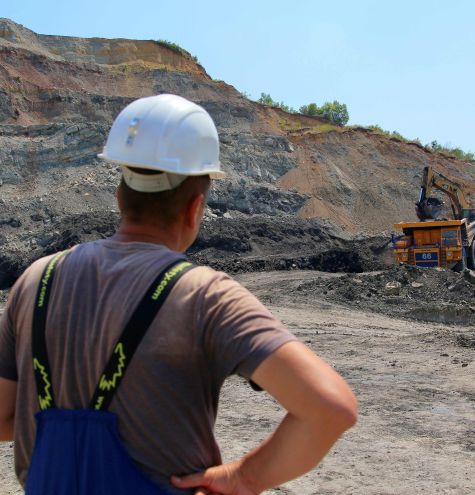
Recent surveys show that about 80% of citizens in BiH are unfamiliar with the just transition concept, and 69% are unaware of regional efforts promoting renewable energy. In the Western Balkans the average awareness remains low, making BiH no exception. This lack of knowledge can impact people´s fears of the unknown, as many people express their concerns about the future. Nearly half of residents in coal regions worry that the shift away from coal could negatively affect their households, with job losses (57%) and rising energy costs (53%) as the main concerns.
Yet, around one-third of respondents see environmental benefits, from cleaner air where they live to positive global climate impacts, reflecting cautious optimism amid uncertainty.
The concerns translate into a strong willingness to engage in decision-making processes, particularly when participation is rooted in local communities and directly linked to people’s everyday realities. This suggests that participation may be a key entry point for building both awareness and trust.
Across the Western Balkans, 73% of people want direct involvement in energy transition decisions. In BiH’s coal regions, 67% prefer participating through local community bodies. 44% expect the just transition to ultimately succeed, identifying financial support and political pressure from the EU and the energy community and actors as crucial factors for success. This highlights the importance of proximity, transparency, and trust in building meaningful engagement. We believe that empowering citizens to shape solutions can also ease anxieties. Clear communication about potential job opportunities, renewable energy initiatives, and local impacts is critical. That´s why the process of creating local Transition Plans in BiH SuTra partner local self-government units is highly participatory, enabling local people to make their voices heard and jointly imagining the common future.
Engaging youth is a key to the future. From the existing studies, we see that young people are deeply aware of climate change and motivated to act, but many feel unsure how. Studies show that children and adolescents in BiH understand actions like recycling, walking, and cycling. However, greater awareness is still needed around other areas—particularly the benefits of public transport and sustainable fashion.
Schools and social media are essential channels for climate education. By reaching youth where they are, projects can harness their energy and creativity. Initiatives like school gardens, upcycling workshops, and sustainability challenges teach practical skills while fostering community engagement. The World Vision report (2023) highlights the importance of ensuring that young people are heard in every space where decisions about their future are made. Beyond amplifying youth voices, the report calls for a transformation of climate education-one that equips children and young people not only with scientific knowledge, but also with an understanding of climate change’s human impacts and clear pathways to participate in shaping solutions. Supporting youth-led initiatives, strengthening disaster preparedness through practical skills and community readiness, and prioritizing mental health support are all essential to enabling meaningful youth engagement. Together with increased transparency, accountability, and genuine collaboration, these measures can help build trust and ensure that young people’s ideas and energy drive lasting and inclusive climate action.
BiH SuTra has already piloted sustainable bazaars in several municipalities, encouraging waste reduction and reuse in a fun, social setting. Other community-driven ideas are planned in the upcoming years.
According to last year’s Digital News Report, globally, we see a continued overall decline of the public digesting news and information from institutional media and traditional journalism, and a sustained surge in consumption via social media and video platforms.
However, studies show that television reports and expert discussions are the most effective way to inform citizens about the just transition. Clear, transparent, and responsive communication (especially around concerns like jobs and energy costs) is crucial for building public confidence.
A successful green and just transition in BiH depends on inclusive participation, youth engagement, and strong community involvement. Combining hands-on initiatives with digital outreach, and ensuring citizens’ voices are heard, can help BiH manage a challenging transition more fairly and positively as we move ahead.
List of used studies:
Discover the News and Updates section, delivering the latest updates and insightful content across various topics. Stay informed with most recent news articles, reports, and publications, of the BiH SuTra project.








 Banovici
 Breza
Breza
 Gacko
Gacko
 Gradiška
 Kakanj
 Ugljevik
 Živinice
 Ministarstvo vanjske trgovine i ekonomskih odnosa BiH
 Stockholm Environment Institute
 Sweden