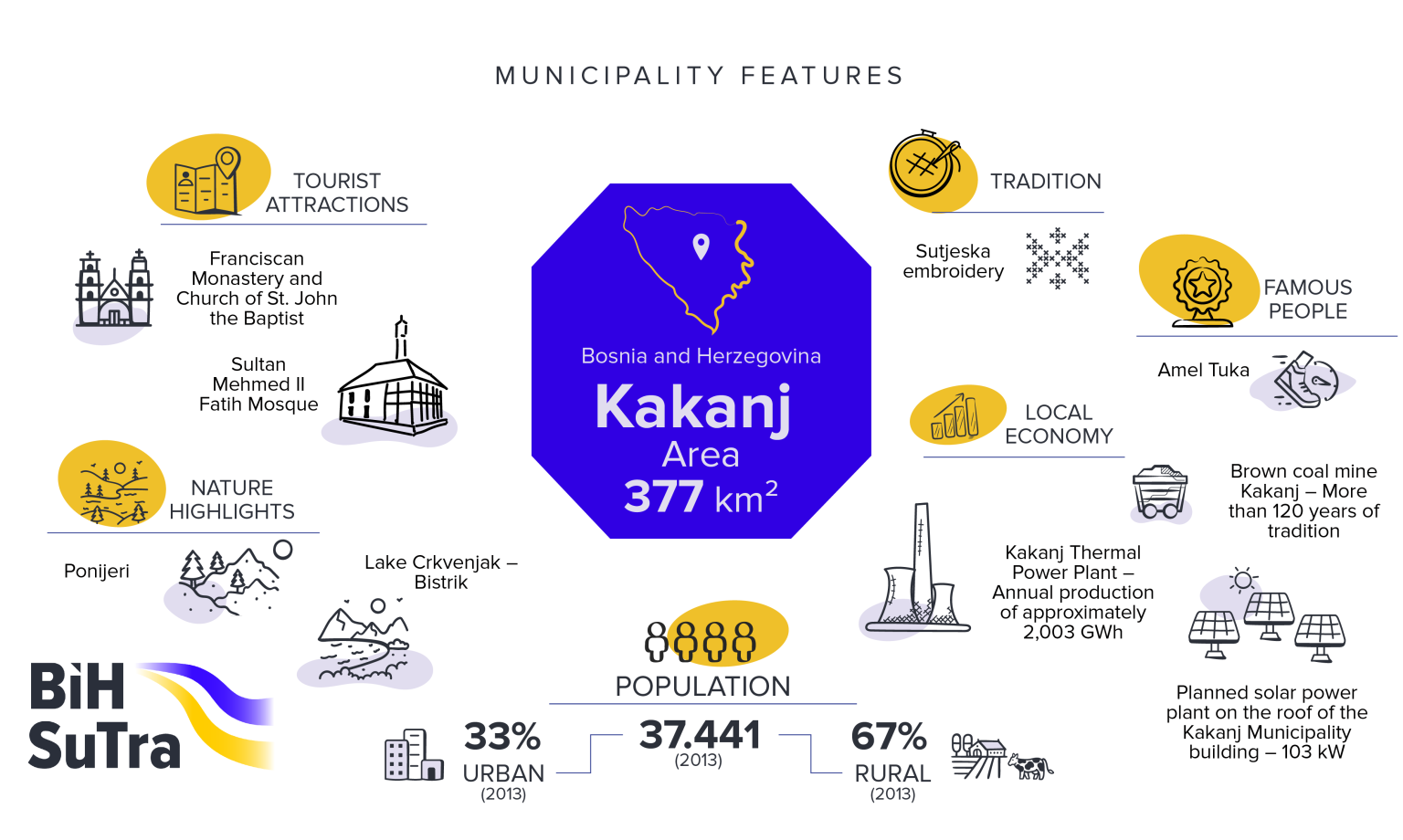
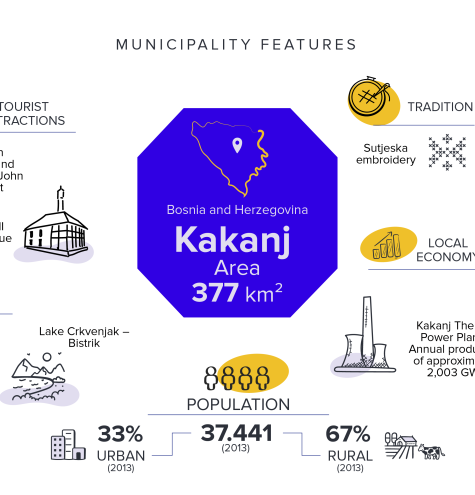
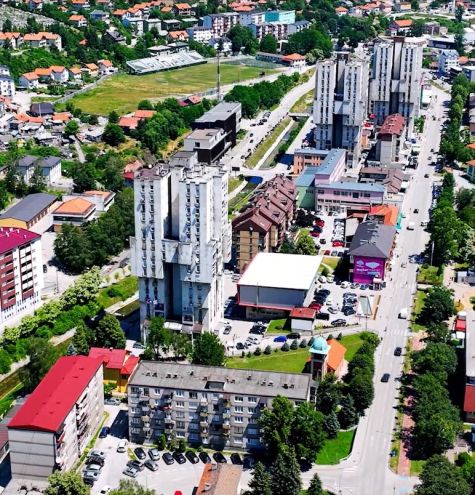
A visual presentation of the municipality of Kakanj
As one of the communities within the BiH SuTra project, Kakanj is working towards a sustainable future aligned with the EU Green Agenda for the Western Balkans.
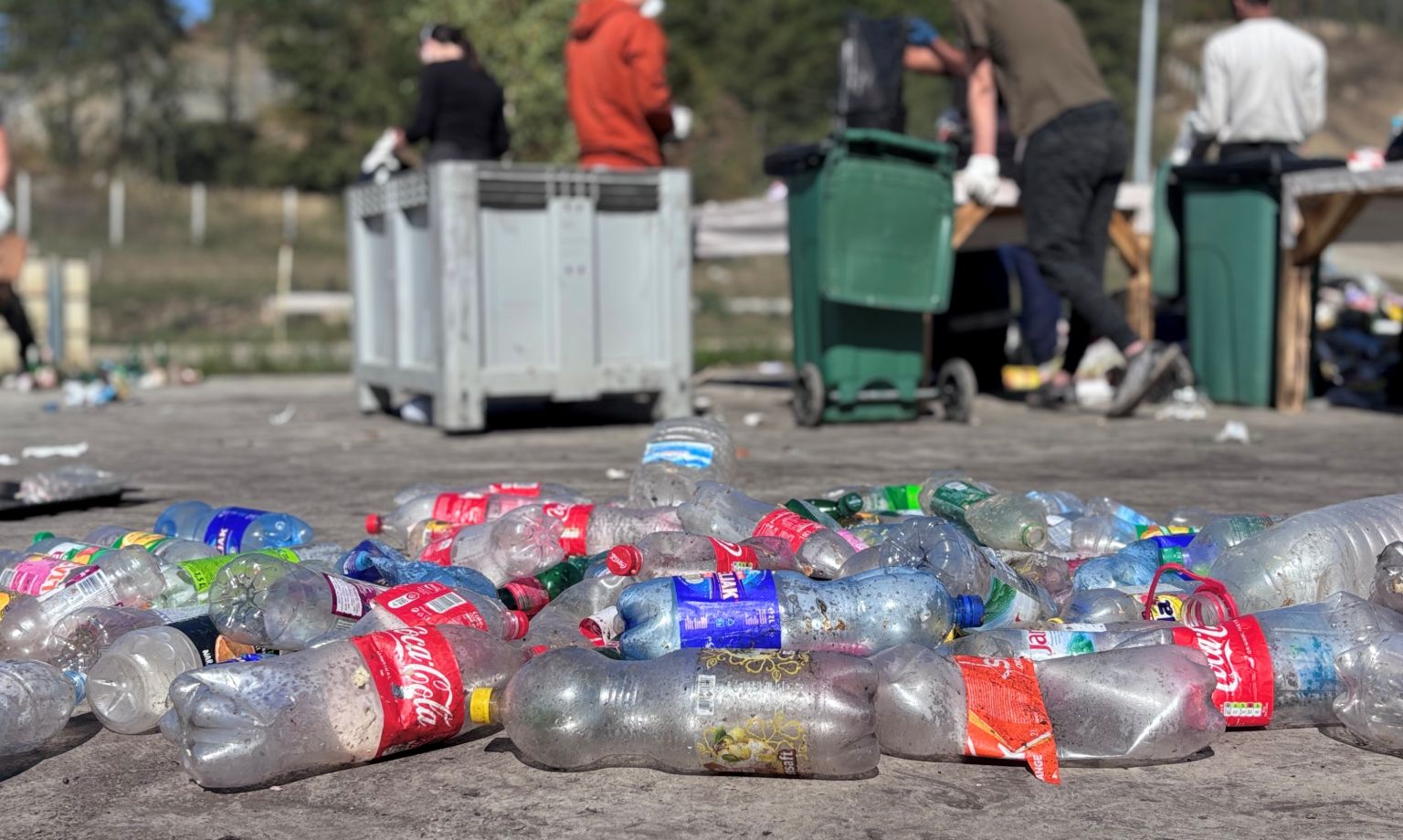
Digging into the value of our household waste
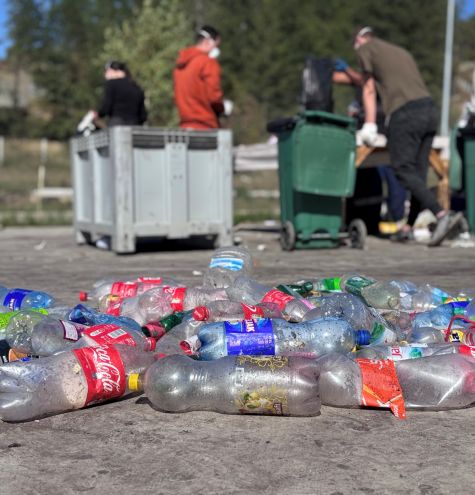
Almir Salkić’s working day at the Eko-Sep landfill in Živinice starts at around six in the morning, when the first trucks arrive. “When you tell someone that you work at a landfill, the first reaction is often one of shock,” he said. “I see it differently. To me, waste is not simply something that needs to be thrown away – waste is an unused resource.”
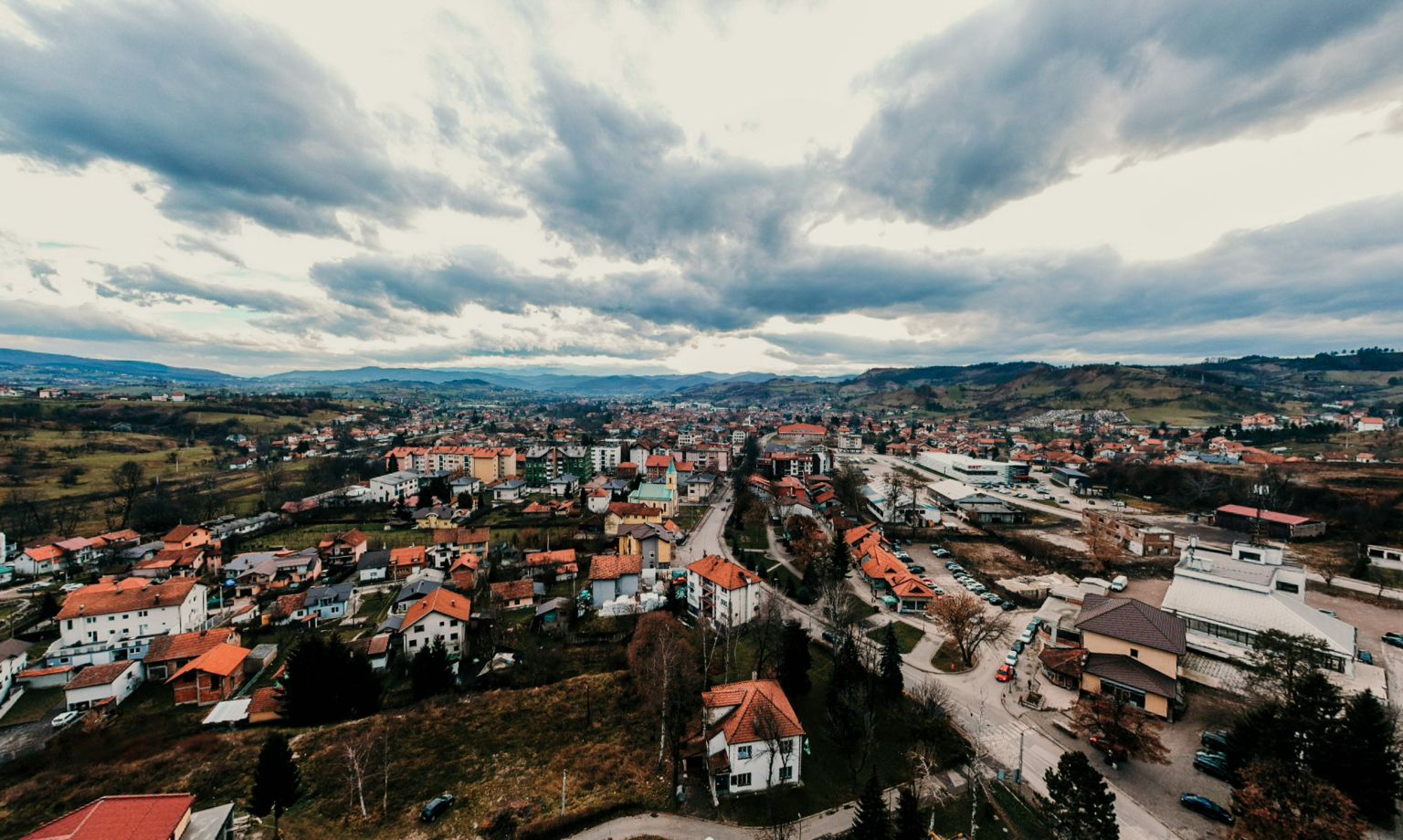
Breza updates its Operational Plan for sustainable transition for 2026–2028
The Municipality of Breza has updated its Operational Plan for sustainable transition for the period 2026 – 2028. The new version builds on the plan developed and adopted by Breza in 2024 for the 2025 –2027 period. It continues to support the municipality’s vision for sustainable transition, while focusing on measures that respond to current local needs and opportunities.
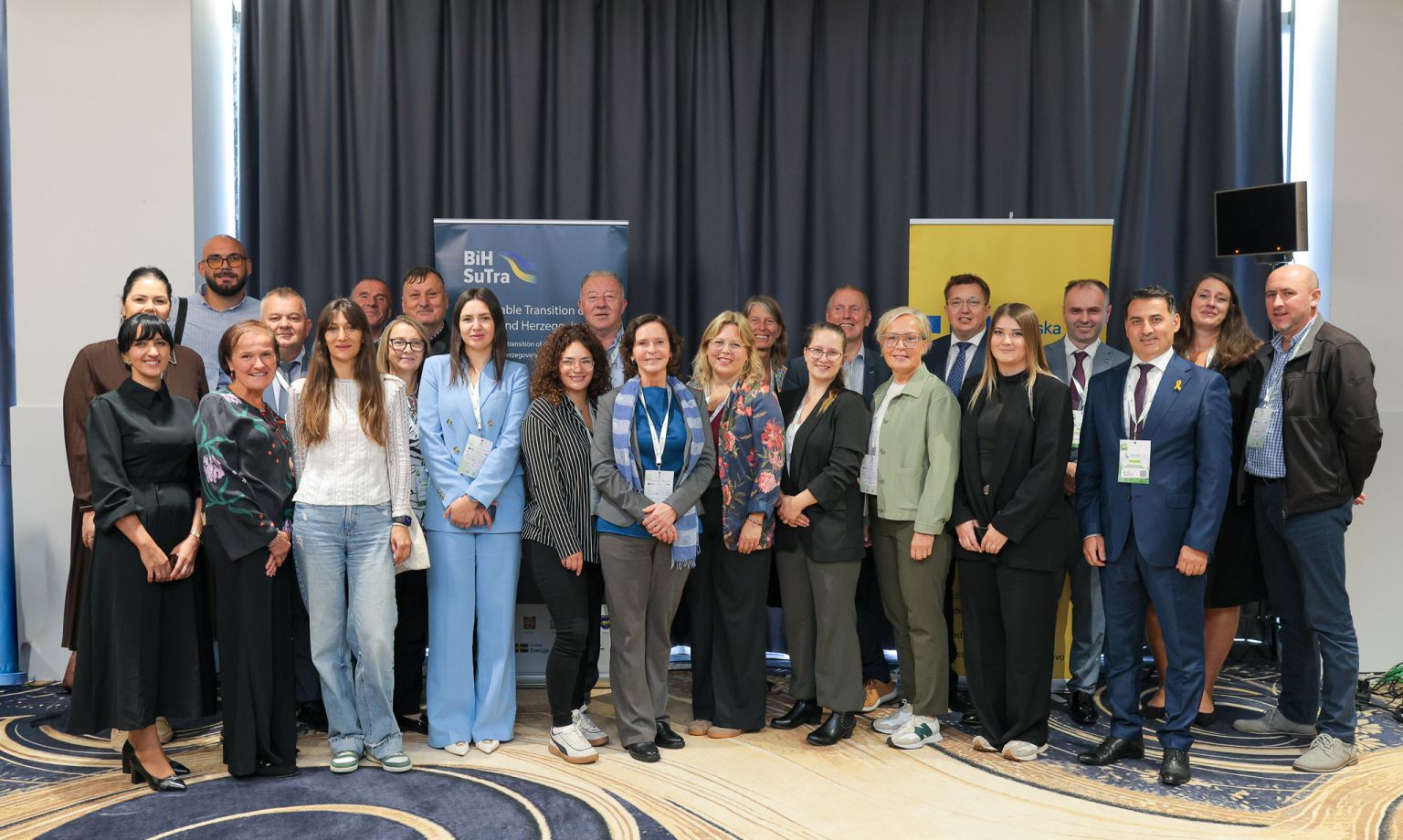
BiH SuTra fosters local action for a sustainable transition
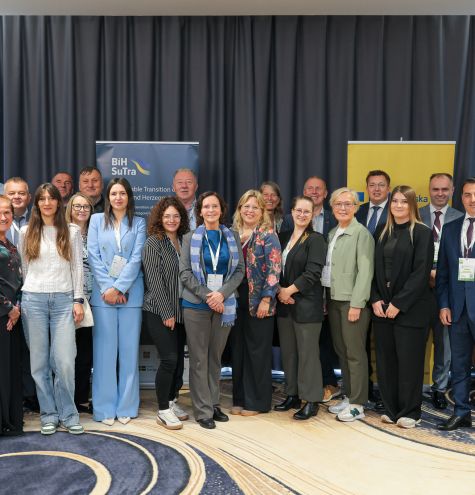
How can local communities share ideas and turn their knowledge into real solutions for a more sustainable future? How can Sweden’s experience help communities in Bosnia and Herzegovina shape these solutions? These questions were central to the BiH SuTra side event during the Sarajevo Energy and Climate Week 2026 (SECW). The event gathered institutions, municipalities, and partners from Bosnia and Herzegovina and Sweden. They discussed practical ways to support sustainable local development, especially in waste management and circular economy.
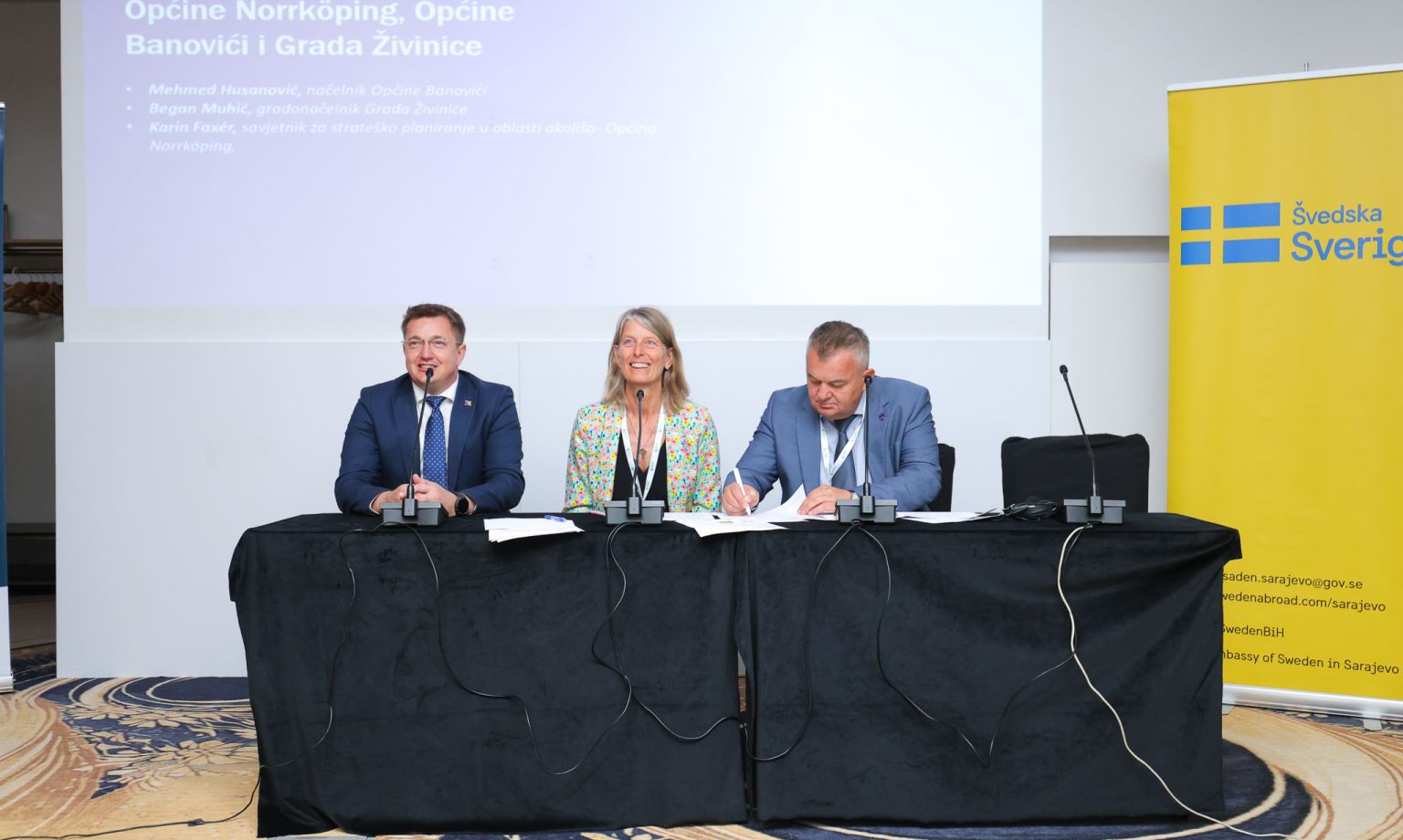
BiH SuTra presents key achievements and fosters cooperation towards a sustainable transition in Bosnia and Herzegovina
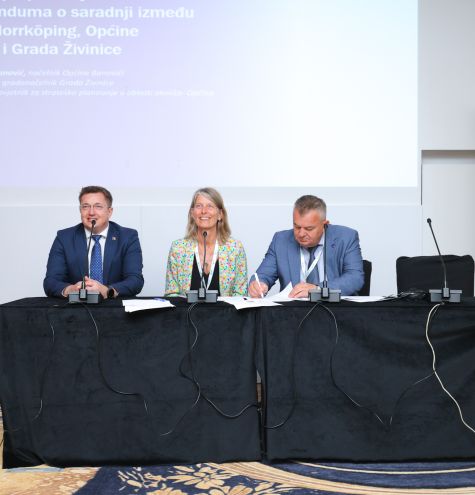
A side event of the Sustainable Transition of Bosnia and Herzegovina (BiH SuTra) project, held as part of the Sarajevo Energy and Climate Week (SECW 2026), brought together local and international partners around two key developments: the signing of two Memorandum of Understanding (MoU) agreements between Norrköping Municipality, Sweden, and the Municipality of Banovići and the City of Živinice, Bosnia and Herzegovina, and the presentation of a Waste Composition Study (WCS) supporting more effective waste management and circular economy planning.
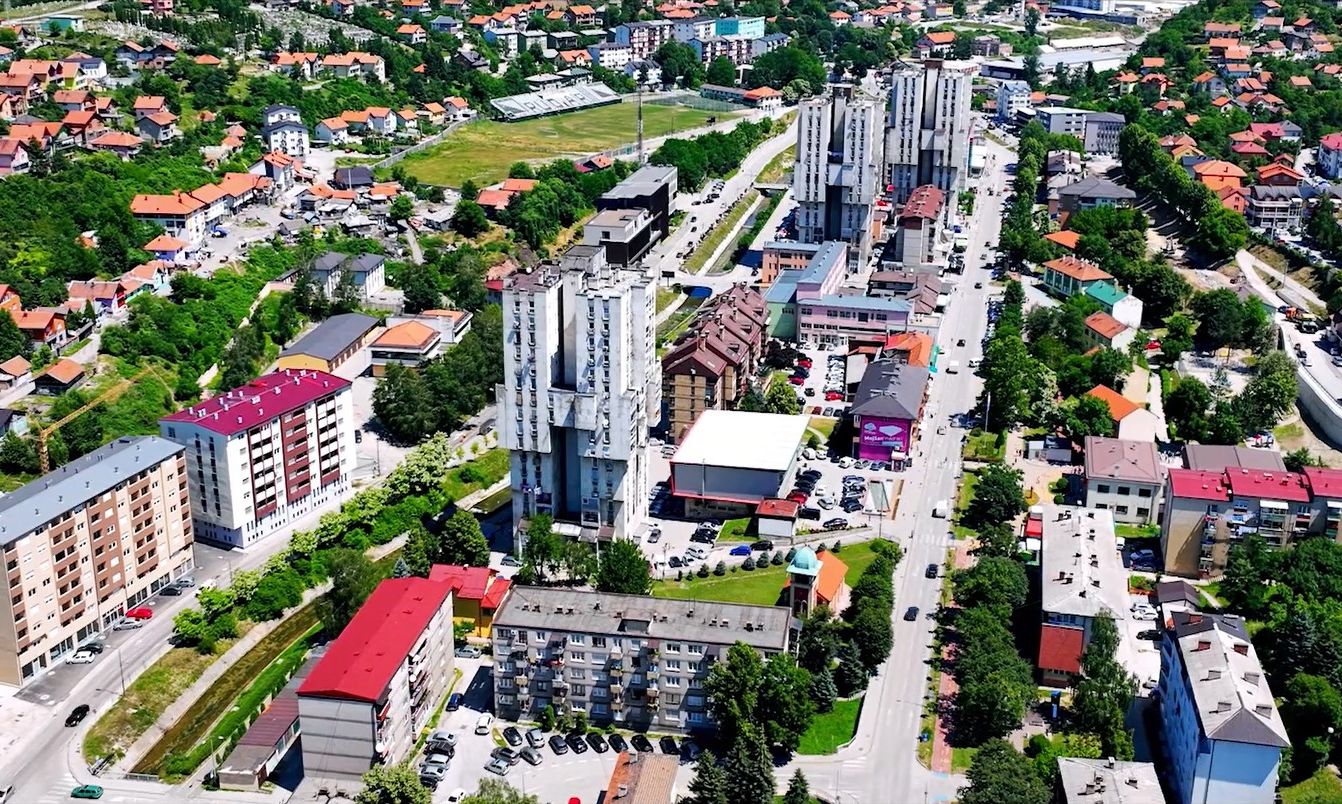
Municipality of Kakanj adopts Operational Plan for Sustainable Transition as part of the BiH SuTra project
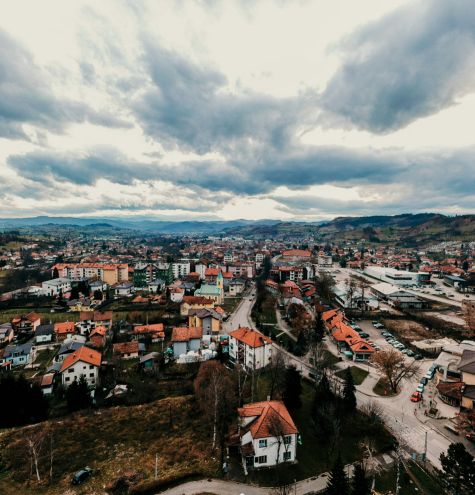
The Municipality of Kakanj is one of seven local communities participating in the BiH SuTra project. Following a year-long preparatory process, including public consultations earlier in 2026, Kakanj has officially adopted its Operational Plan for Sustainable Transition. This is a concrete step toward reshaping how the municipality aims to improve the environment and quality of life for its residents. Kakanj's plan is also aligned with the EU Green Agenda for the Western Balkans and addresses the particular challenges facing municipalities in mining regions.
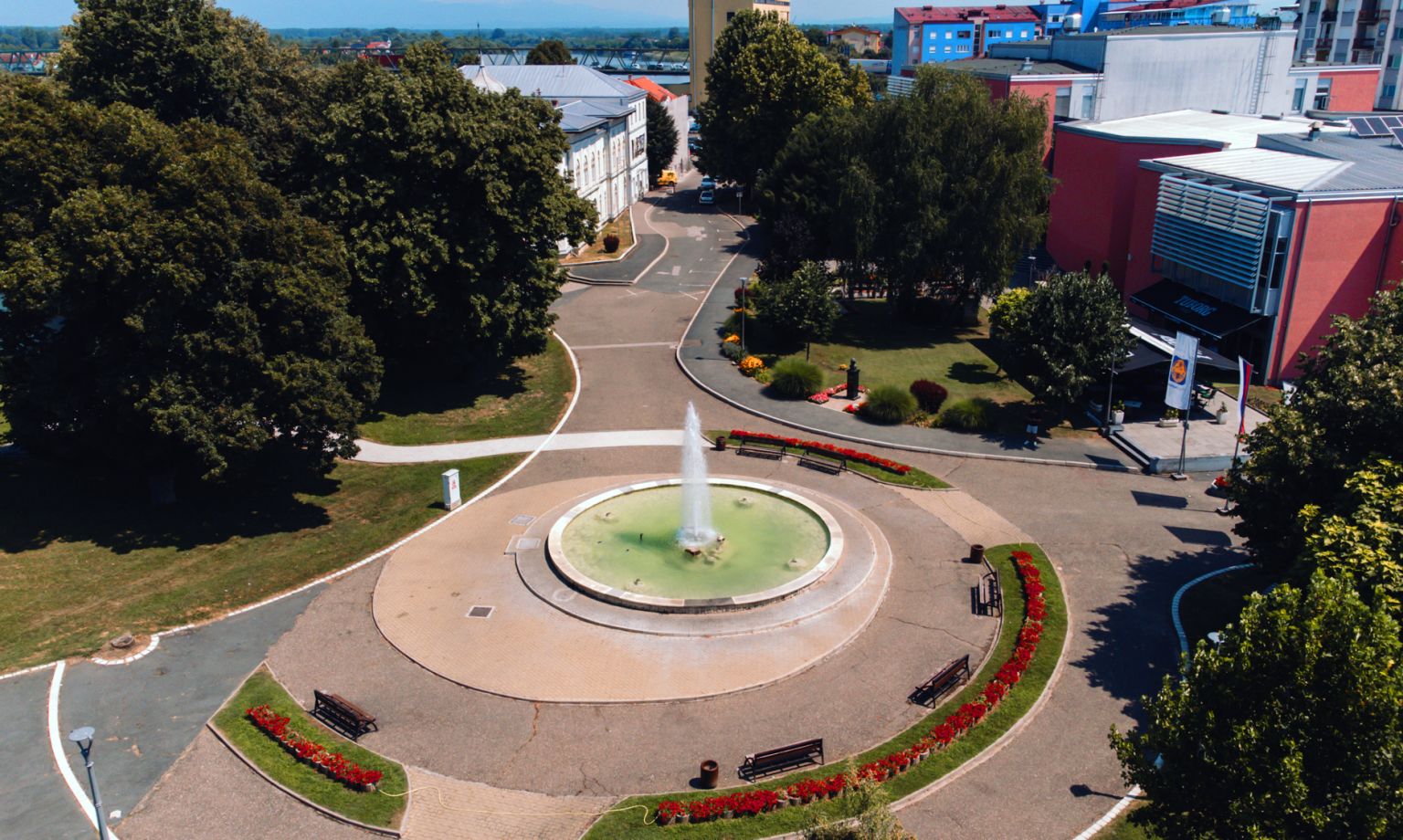
City of Gradiška adopts Operational Plan for Sustainable Transition aligned with EU Green Agenda for the Western Balkans
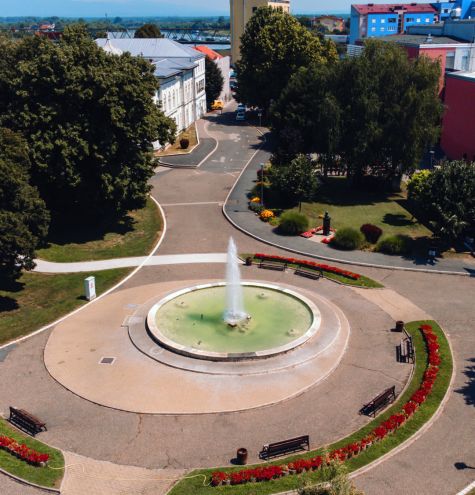
The City of Gradiška is one of seven local self-government units participating in the BiH SuTra project. Following a year-long preparatory process, Gradiška has officially adopted its Operational Plan for Sustainable Transition. The BiH SuTra project is committed to advancing the sustainable transition of Bosnia and Herzegovina, with a focus on developing and implementing concrete measures at the local level. The plan adopted by Gradiška is aligned with the EU Green Agenda for the Western Balkans and aims to improve living conditions for citizens in municipalities located in mining regions.
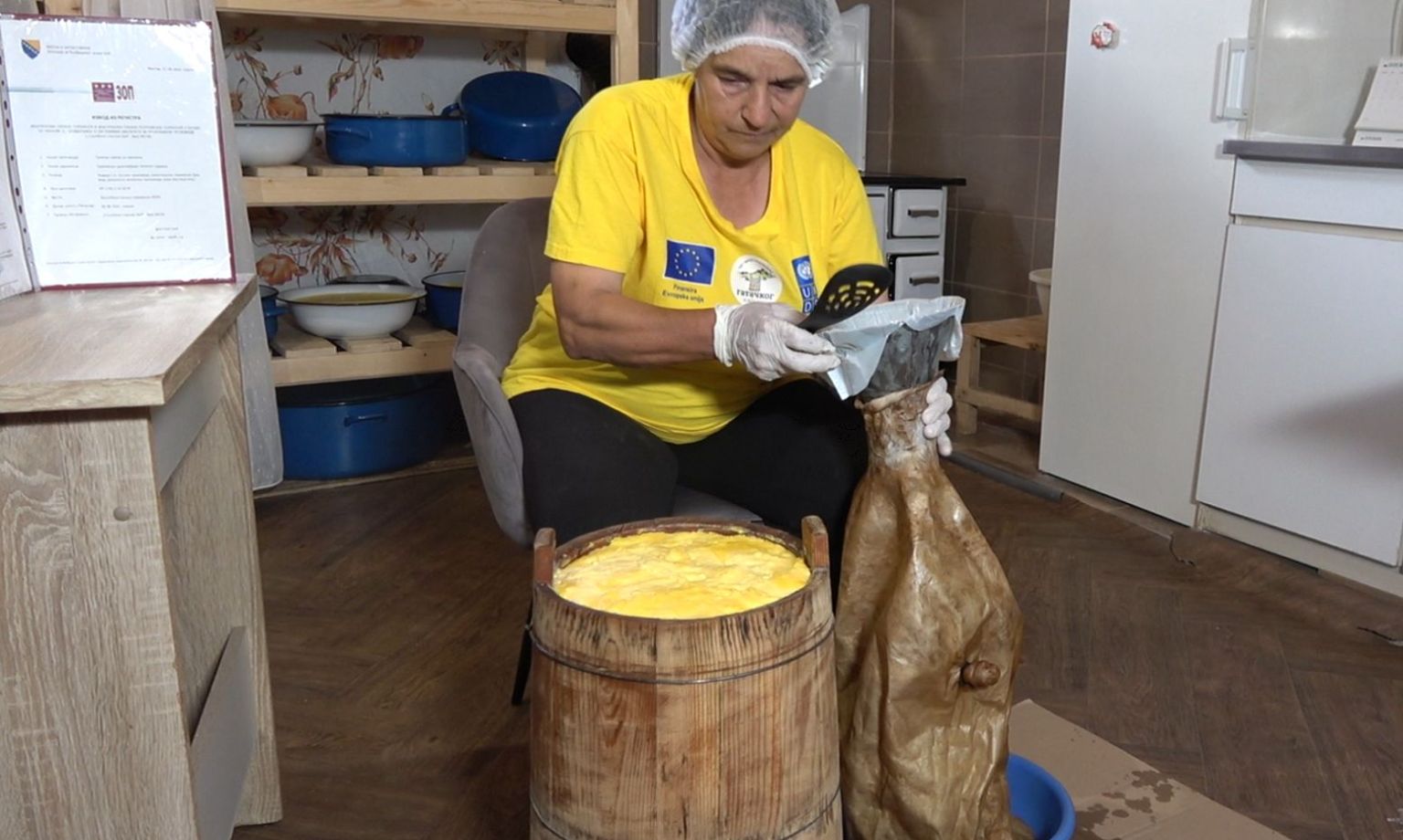
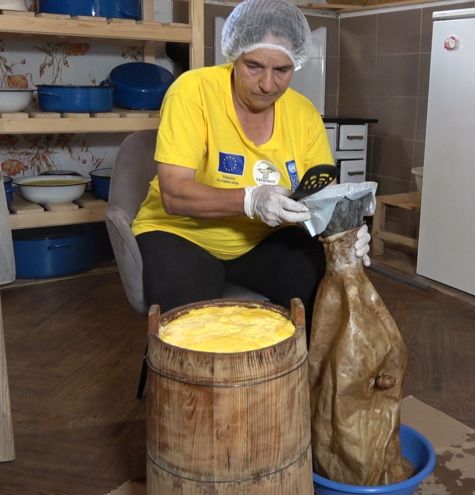
Traditional food as a driver for sustainable rural development
Traditional know-how preserved
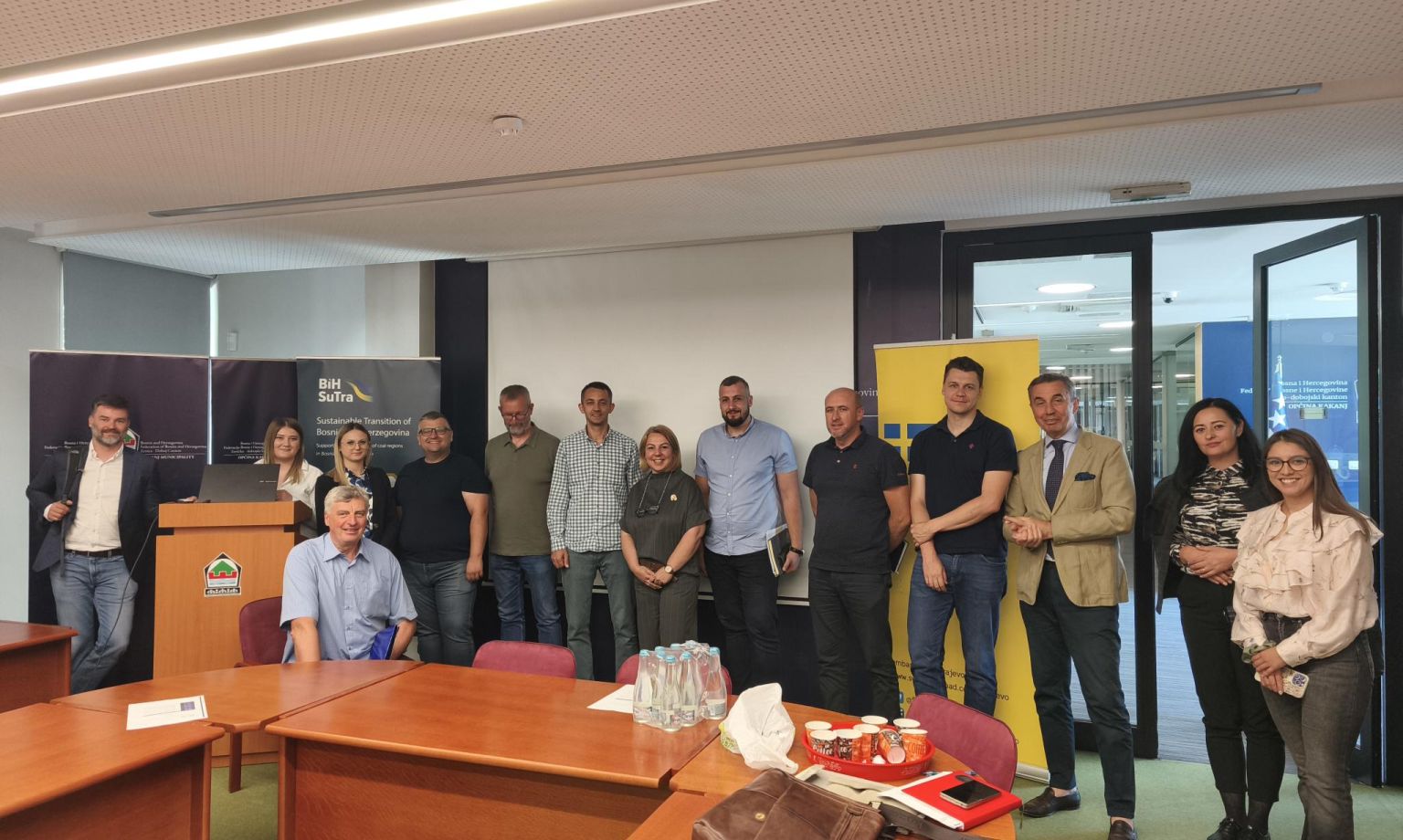
The path to a sustainable future: second round of consultation meetings completed in Gacko, Kakanj and Gradiška
With the consultation meeting held in Gradiška on 12 June 2026, the BiH SuTra project successfully concluded the second round of consultation meetings in its partner local communities. Previous events in Gacko (8 June) and Kakanj (10 June) brought together representatives of public institutions, experts, and civil society organisations to jointly define concrete steps for the development of Transition Plans extending to 2050.
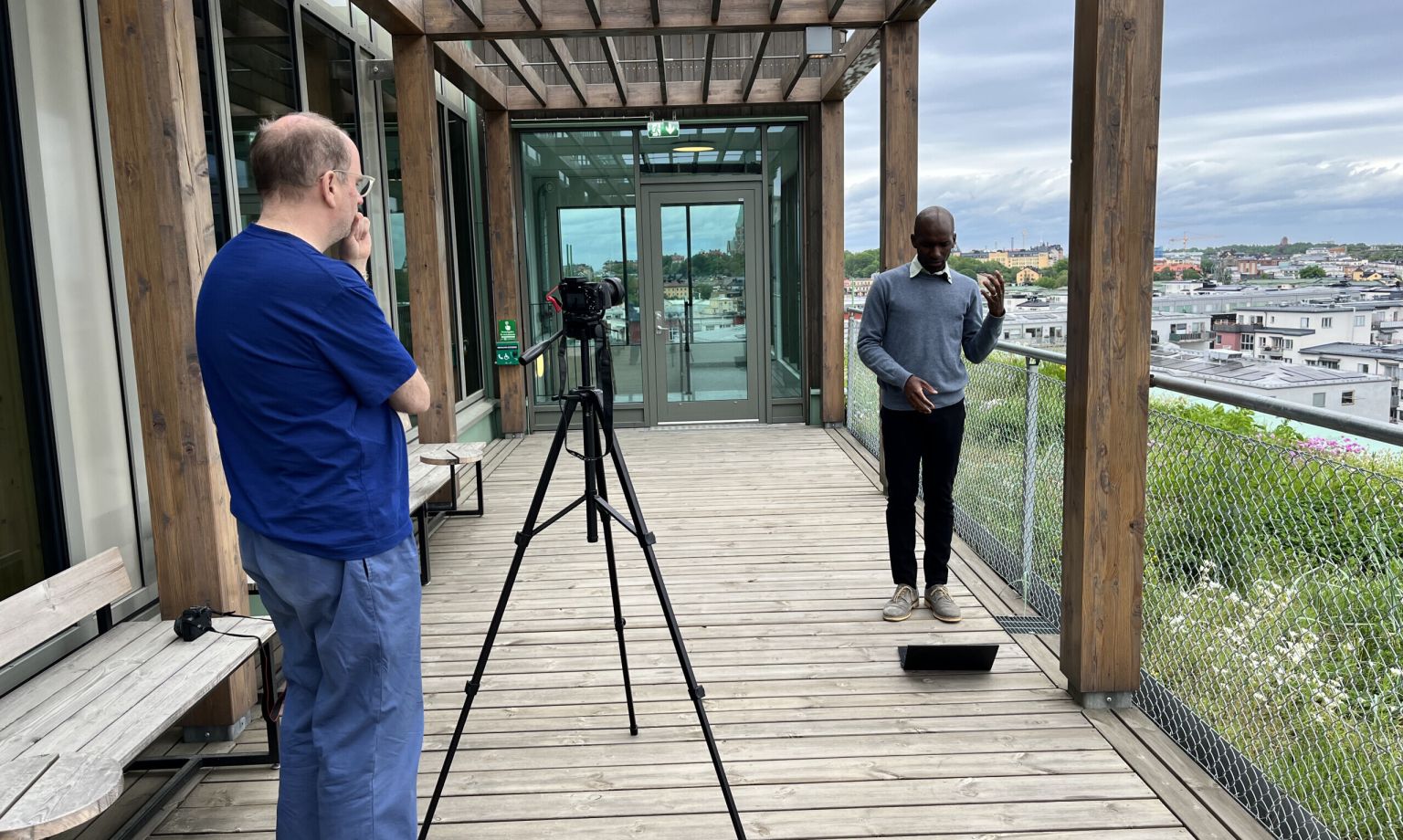
Beyond infrastructure: wastewater lessons from Sweden for Bosnia and Herzegovina
What can other countries, such as Bosnia and Herzegovina (BiH) learn from Sweden’s approach to wastewater management? In this interview we talked with one of the authors, SEI Research Fellow Daniel Ddiba, of the newly launched report Towards sustainable wastewater management in Bosnia and Herzegovina: insights from Sweden to hear about its key findings and recommendations.
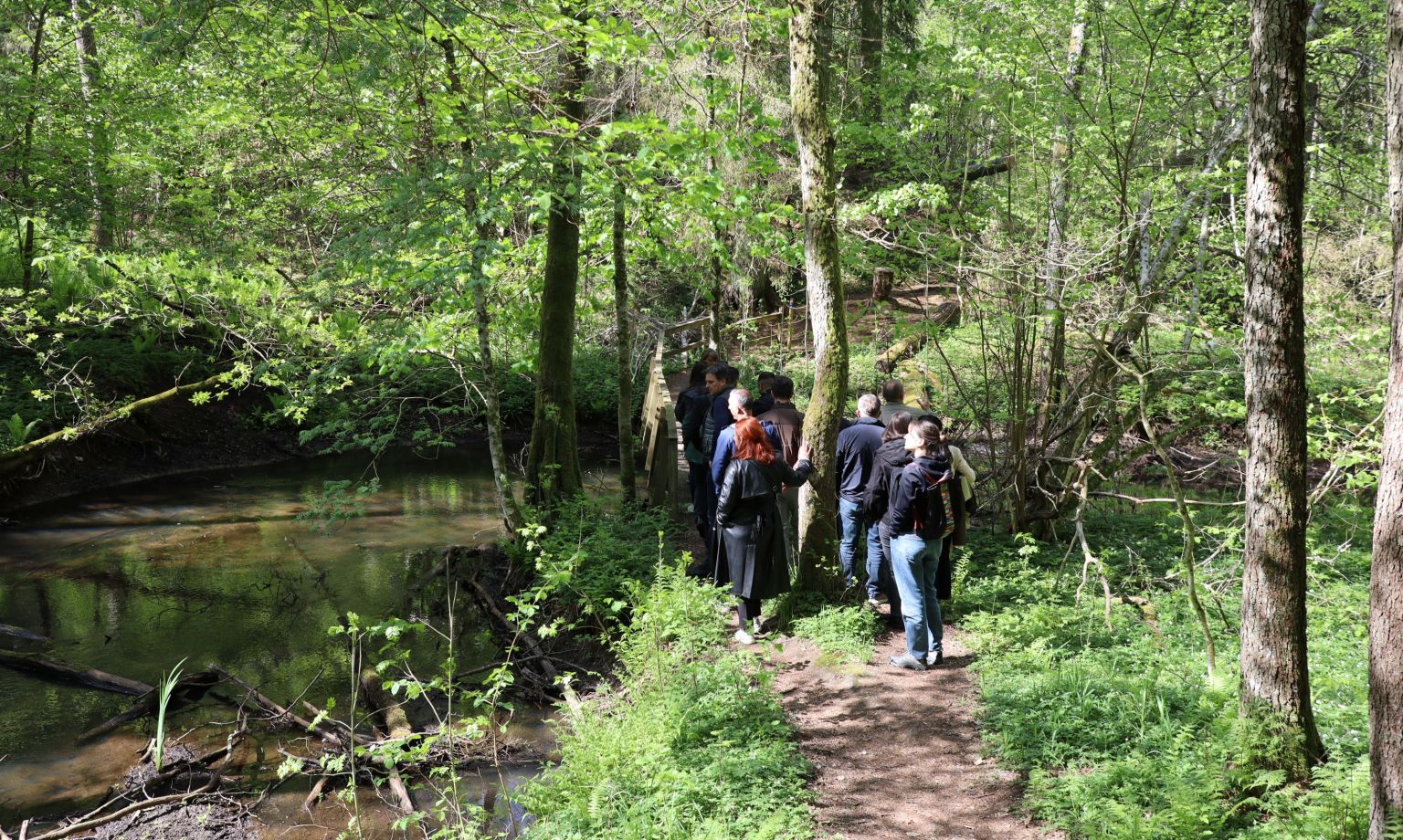
Sustainable agriculture in Sweden: lessons for BiH communities
In May 2026, representatives of municipalities and cities from Bosnia and Herzegovina visited Sweden as part of the study tour on sustainable agriculture run by the BiH SuTra project. The visit brought together local government representatives, experts and practitioners to explore how agriculture in BiH can become more productive, environmentally responsible and better connected to local development.
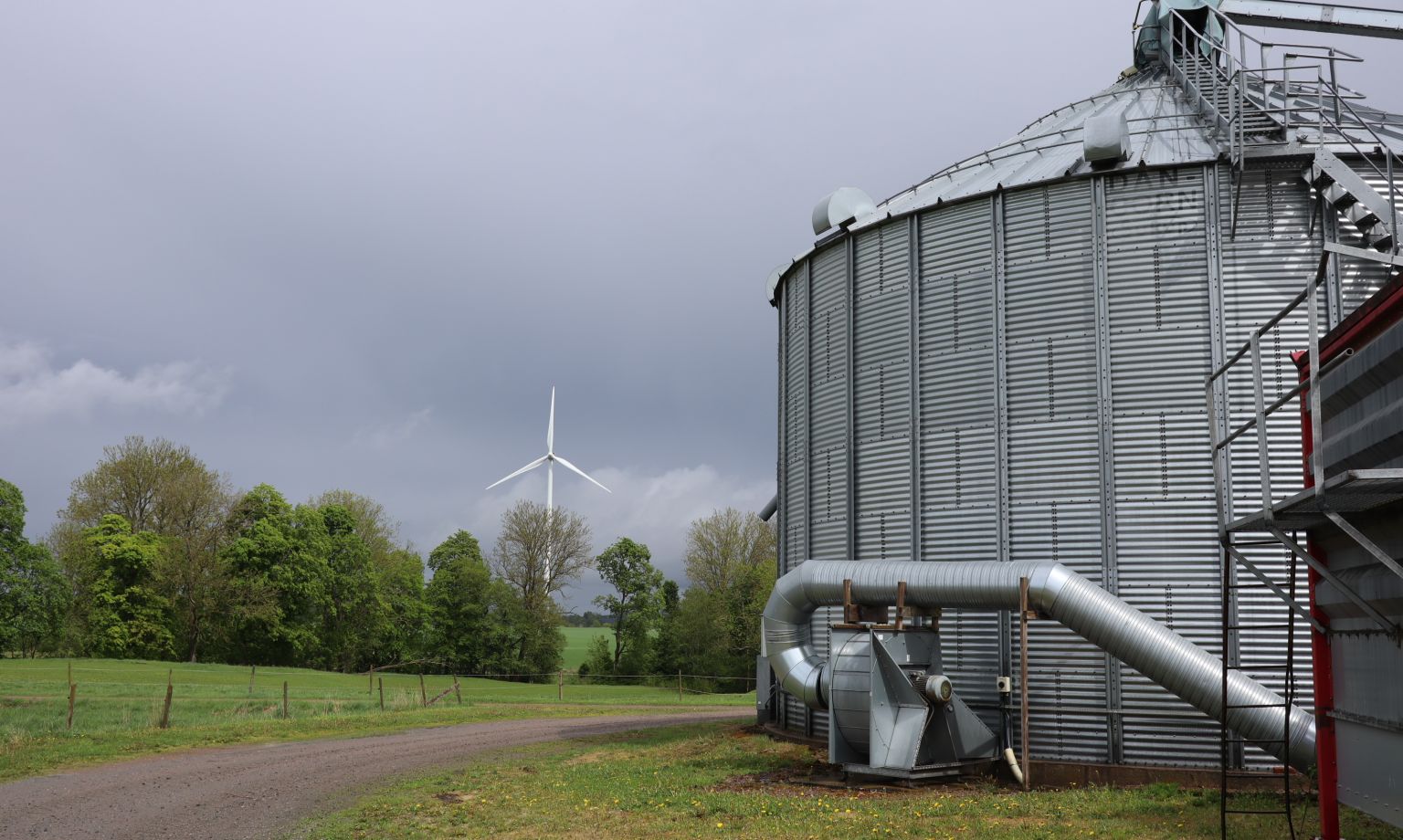
BiH communities visit Sweden to harvest ideas for sustainable agriculture
Representatives from our seven partner municipalities and cities in Bosnia and Herzegovina came to Sweden last week to take part in a study tour organized by Stockholm Environment Institute (SEI), with a focus on sustainable agriculture.
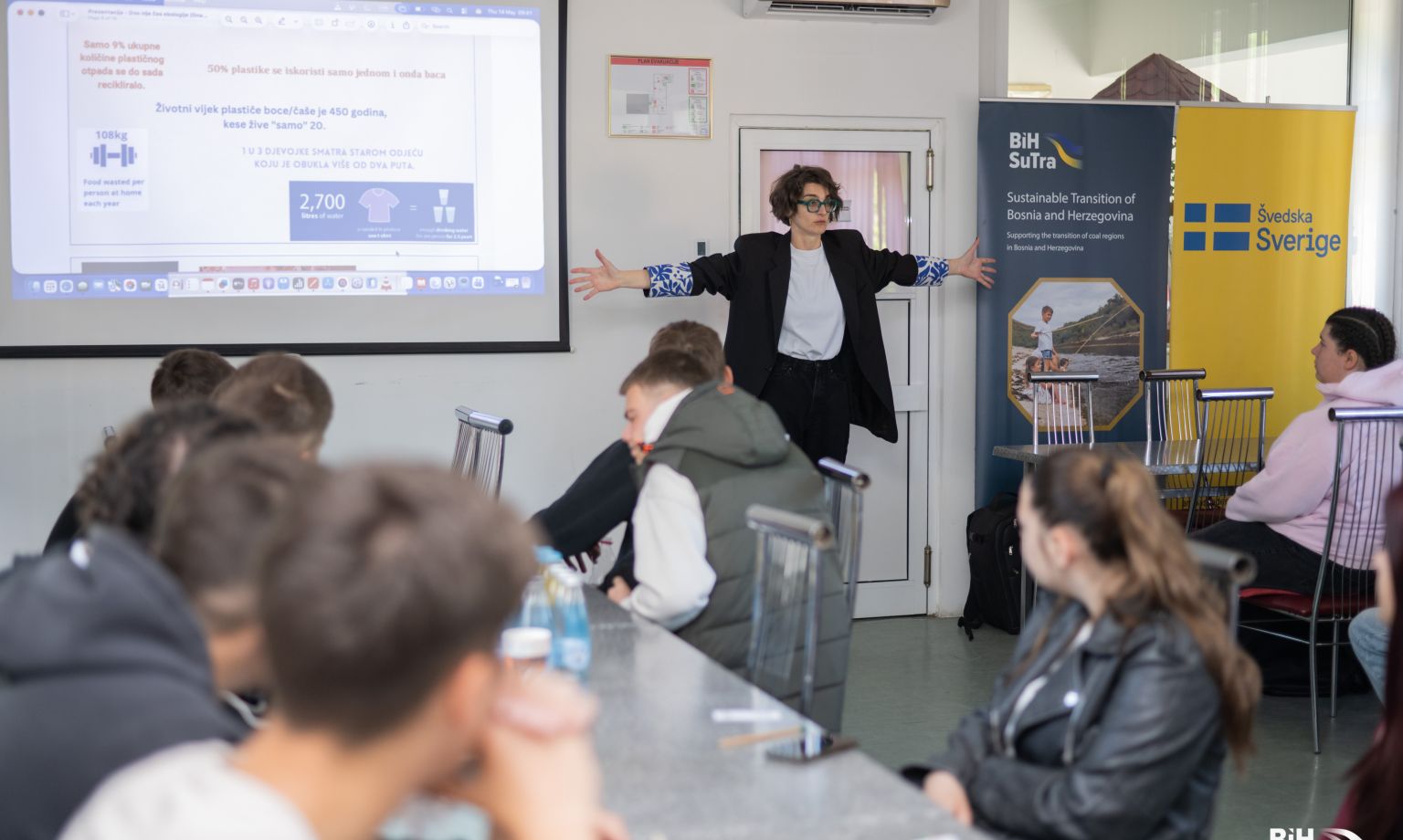
High school students in Breza explored sustainability through BiH SuTra “Zero Waste” workshops “Eco Influencer for a Day”
As part of the BiH SuTra project, two educational workshops for high school students were successfully held on 14 May 2026 in Breza, organized in cooperation with the Municipality of Breza, one of the project’s partner municipalities.
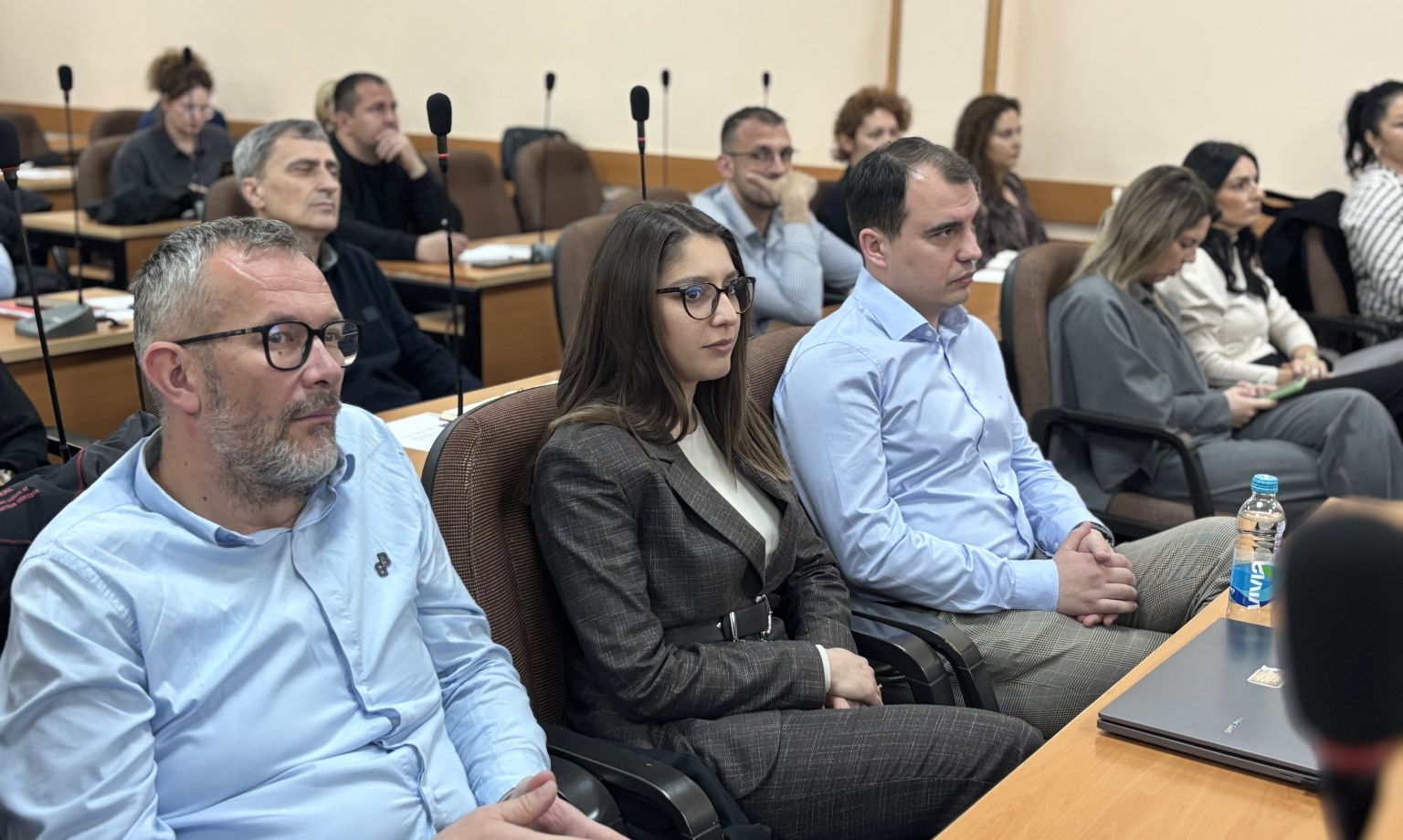
Green steps forward: Gradiška concludes first round of BiH SuTra meetings
On 3 April 2026, with a meeting in the City of Gradiška, the BiH SuTra project concluded its first series of consultation meetings with newly joined partner communities. Earlier sessions in Gacko (30 March) and Kakanj (1 April) were part of the same series. The goal of this first round was to present and discuss development pathways for the communities’ Transition plans.
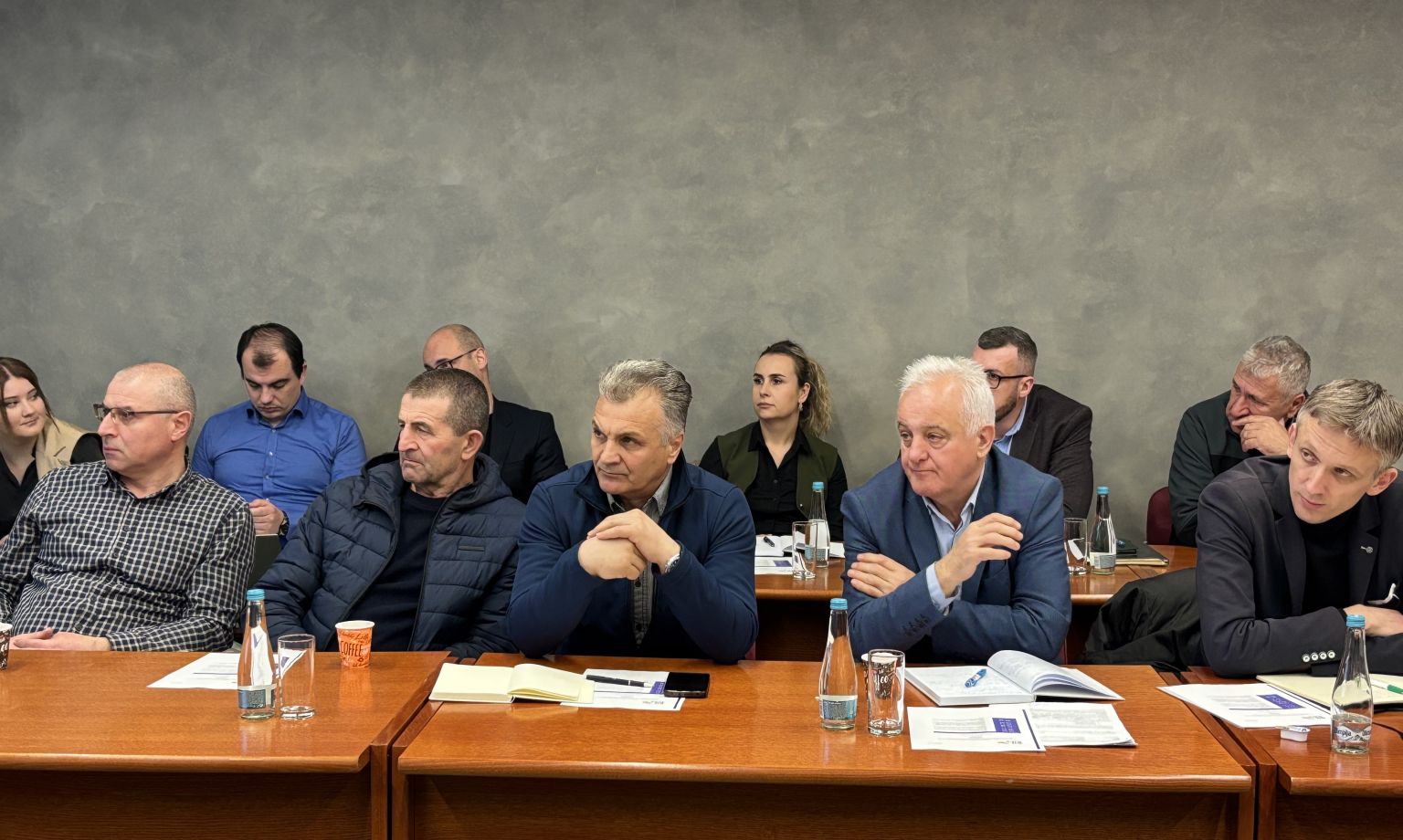
From industry to innovation: Kakanj hosted consultation meeting
Following the successful first consultation meeting in Gacko, the BiH SuTra project continued its first round of events dedicated to development pathways for the Transition plans with a consultation meeting in Kakanj on 1 April. The meeting brought together representatives from public institutions, private companies, academia and civil society to discuss sustainable development priorities for the municipality.
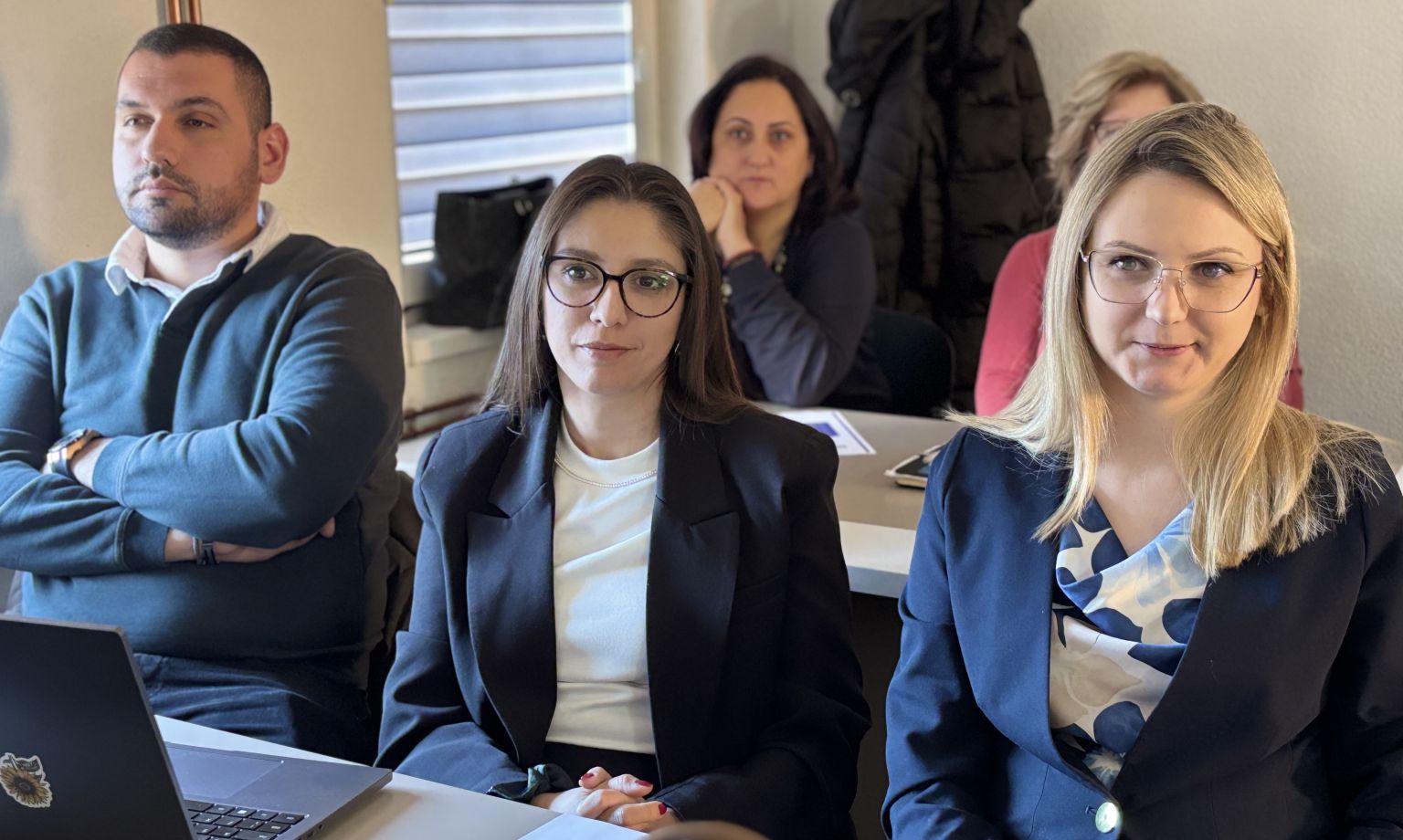
Gacko’s first consultation meeting charts sustainable pathways from Indigenous cattle to Kajmak
The BiH SuTra project has launched the first round of consultation events dedicated to defining development pathways for Transition Plans in the newly joined project municipalities: Gacko, Kakanj and Gradiška. These pathways are grounded in the five pillars of the regional Green Agenda for the Western Balkans, aimed at addressing climate change, supporting the transition to a green economy, and aligning environmental standards with those of the European Union.
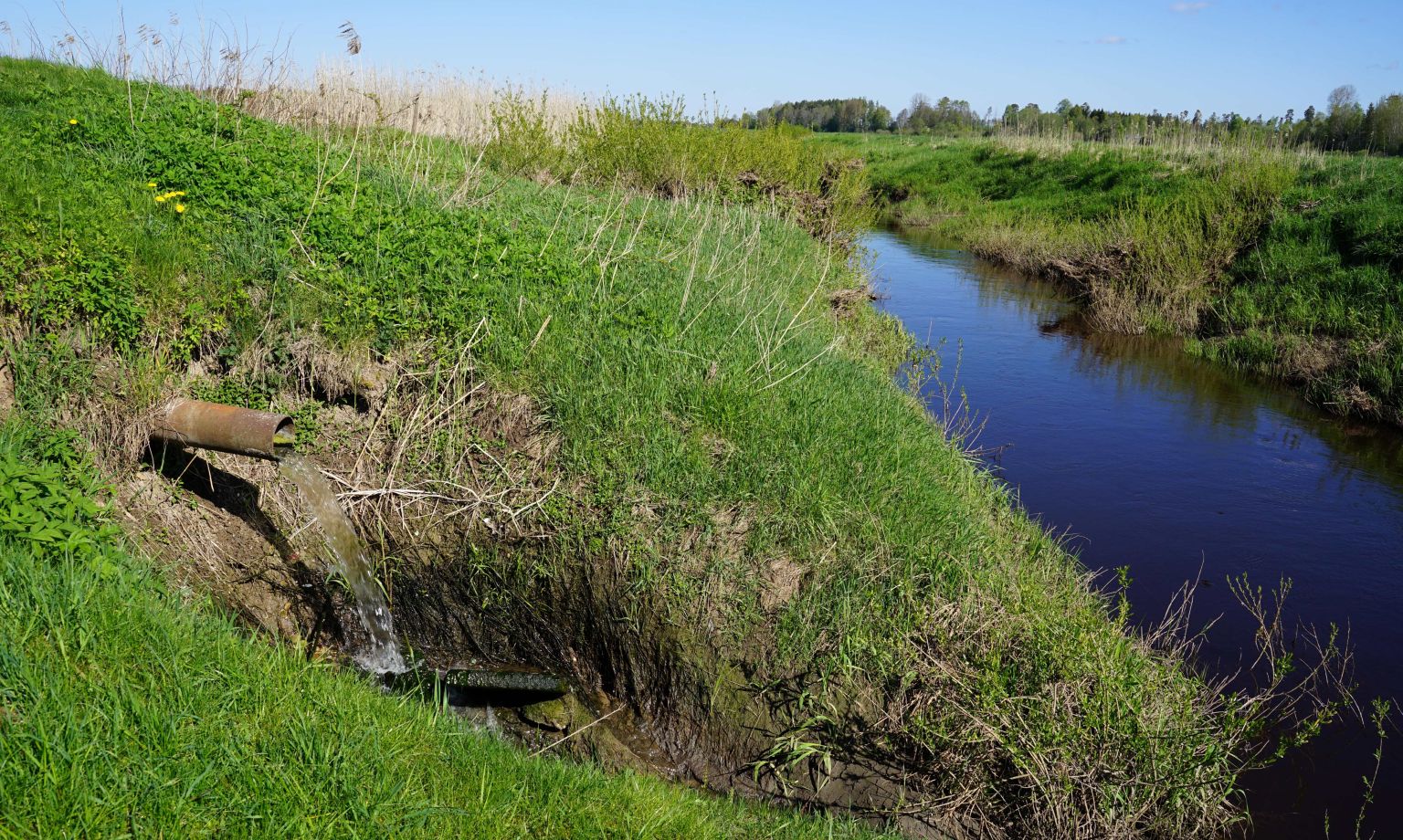
Let´s talk about the wastewater - beyond pipes and plants
Every year on 22 March, known as World Water Day, we turn attention to the value of water and the urgent need to manage it sustainably. Yet one critical part of the water cycle often receives far less attention than the drinking water supply or marine protection: this is wastewater treatment.
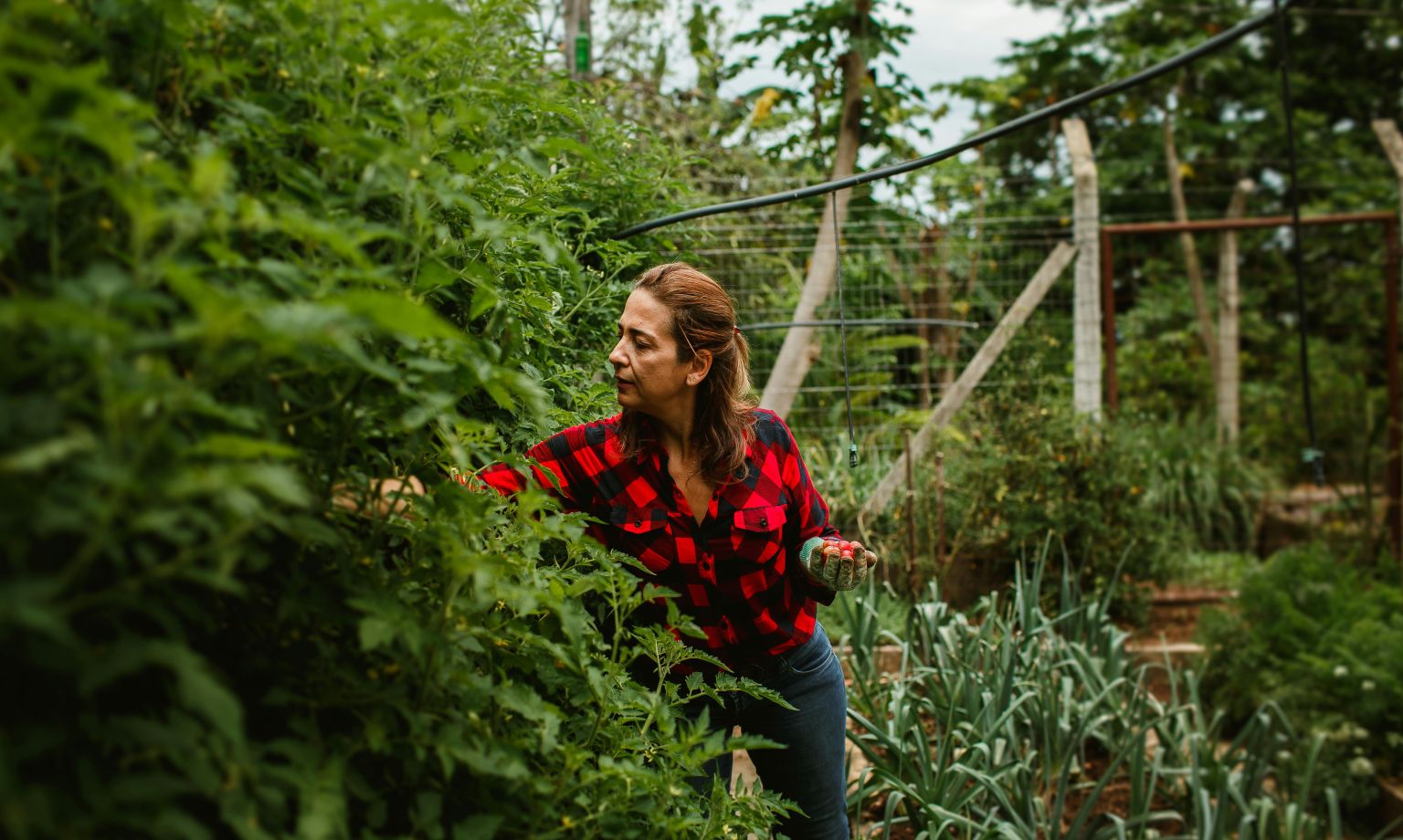
Why gender equality matters for agriculture in Bosnia and Herzegovina
Across the world, women are the backbone of rural food systems. They grow food, manage livestock, process dairy, sustain family farms while safeguarding traditional knowledge. Yet their work is often undercounted, undervalued or invisible in official statistics.
Municipalities and cities gather in Živinice to advance on circular waste solutions
On 3 March 2026, representatives of the project partner municipalities and cities gathered in Živinice for a capacity building workshop aimed at strengthening municipal waste management capacities. The event was part of the broader effort to support municipalities and cities in advancing their sustainable transition plans and improving local waste management systems.
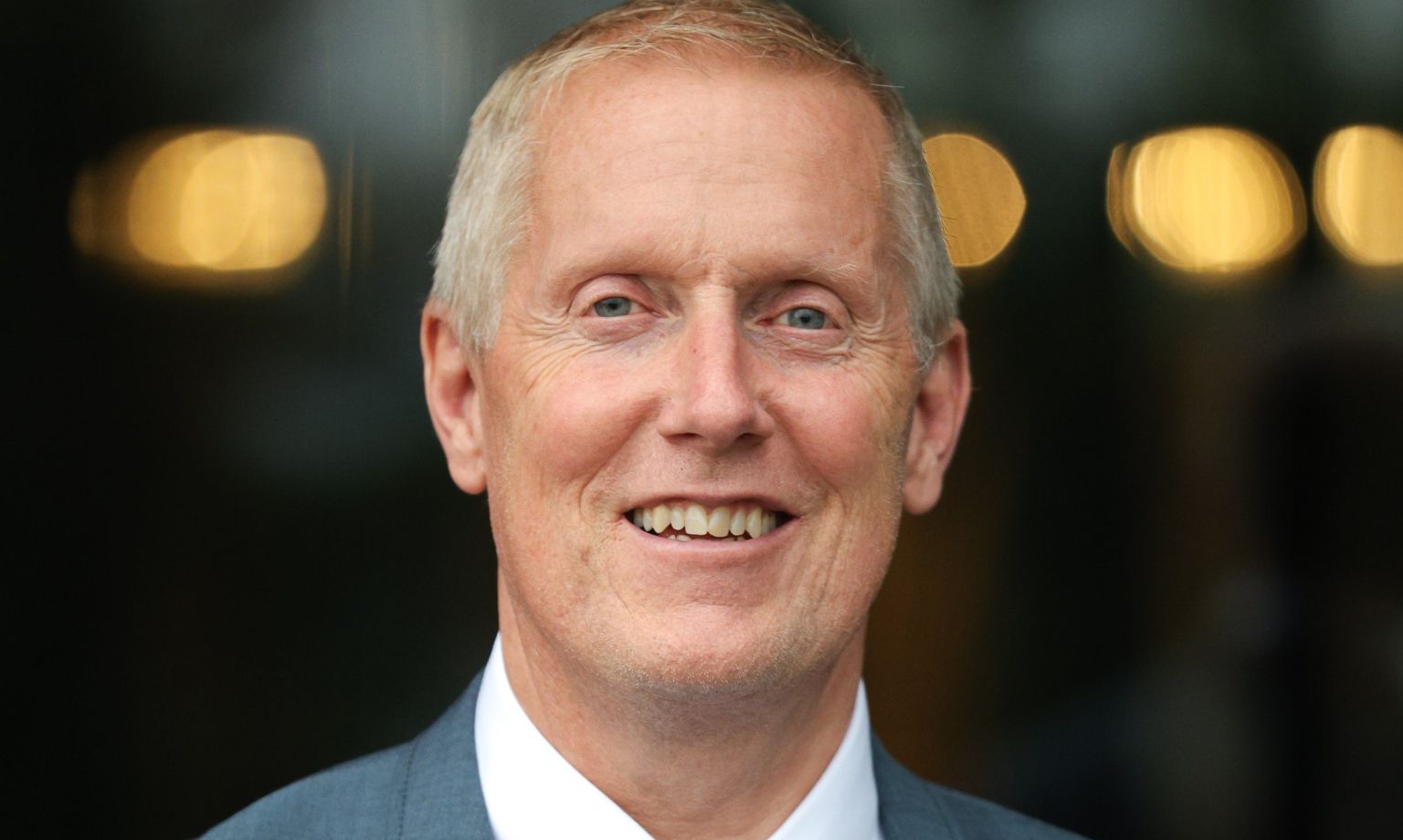
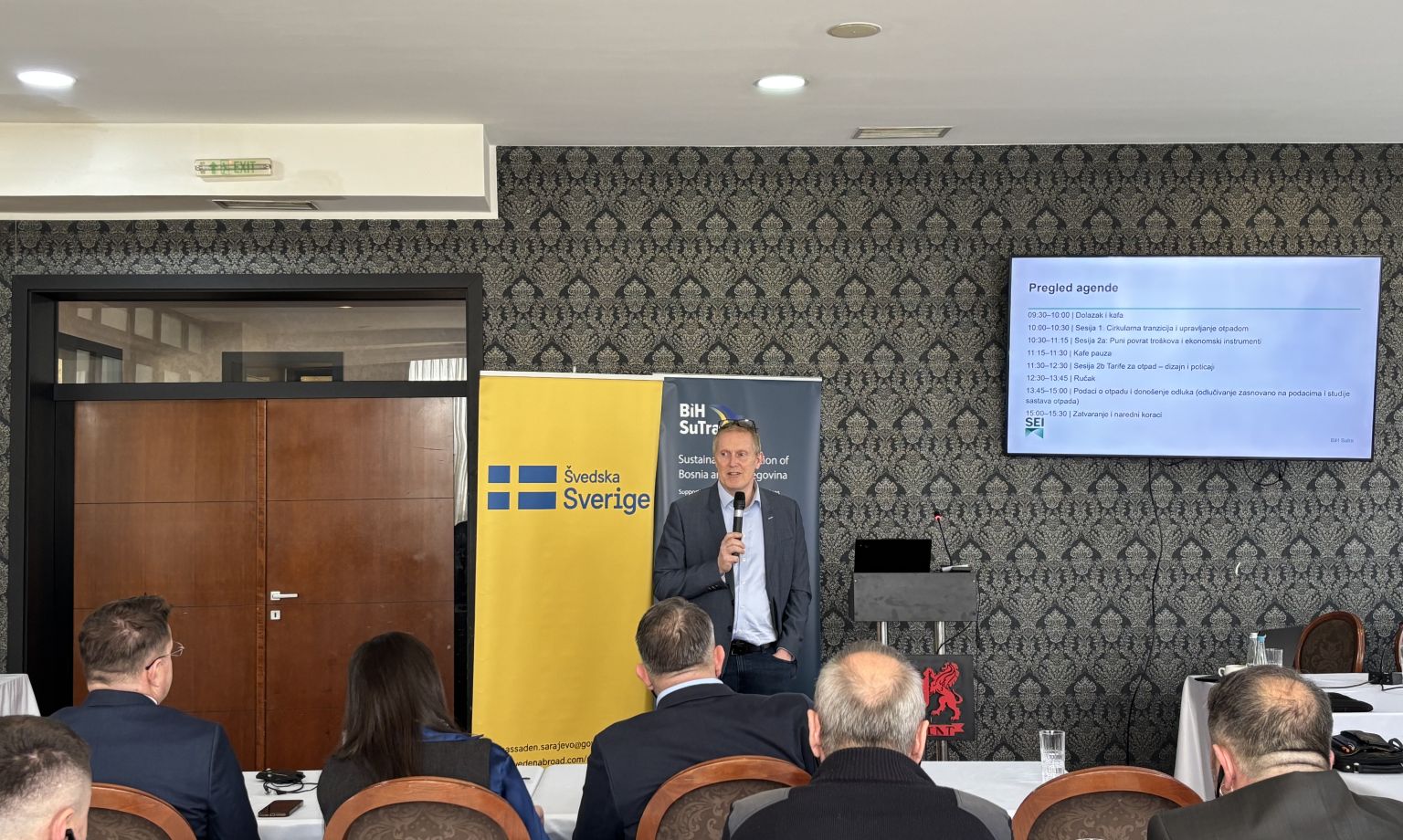
Waste is not the end – how smart financing, tariffs and data can drive circular change
On the 3rd of March 2026 a leading Swedish expert on circular economy convened a workshop to help municipalities, cities and utilities in Bosnia and Herzegovina accelerate a circular transition. This was organised by the Sustainable Transition of Bosnia and Herzegovina project (BiH SuTra) and form a part of the implementation of the communities’ sustainable transition plans.
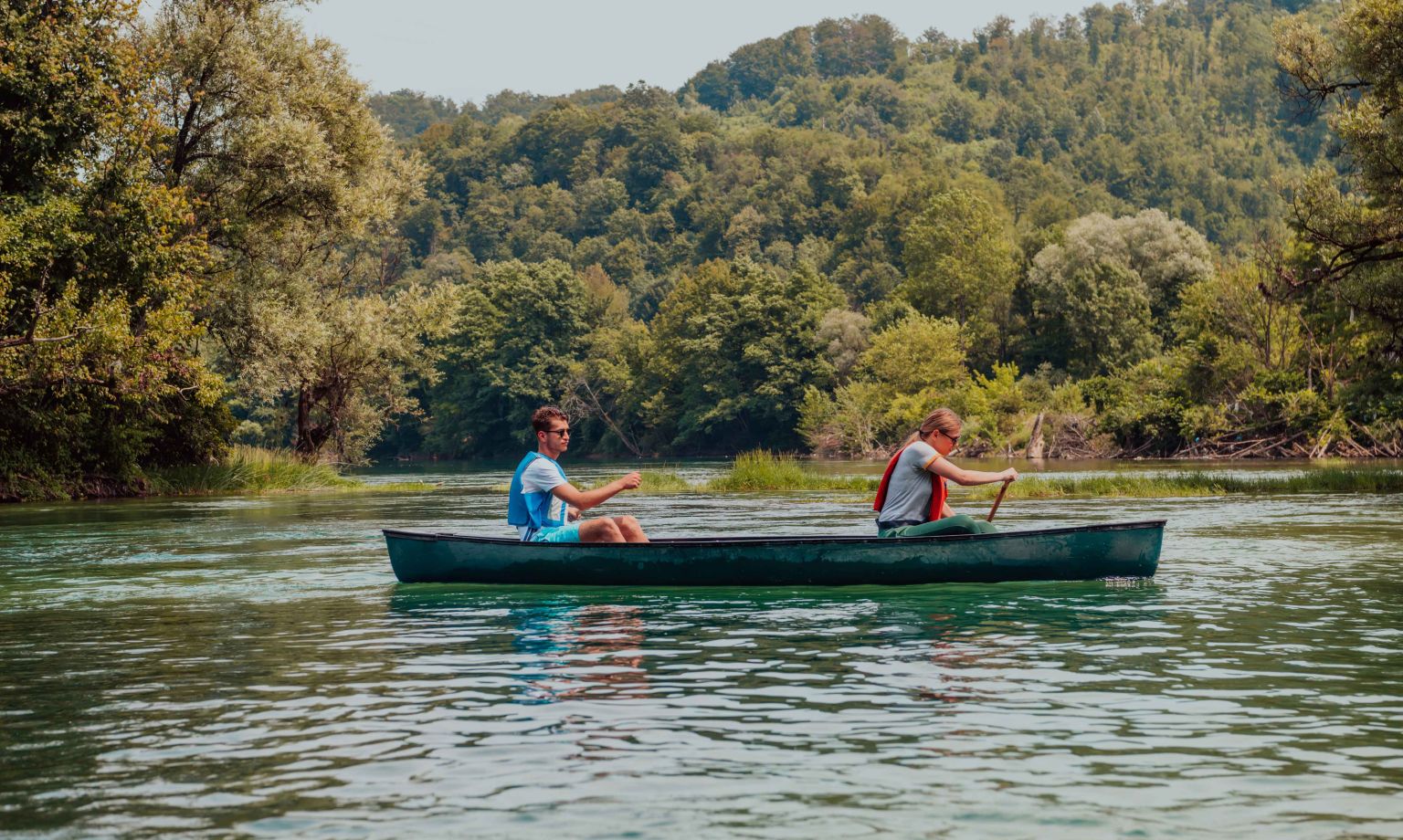
From awareness to action: environmental attitudes in BiH
As part of the BiH SuTra project, we work to support a sustainable and just transition through institutional reforms and inclusive local processes. In doing so, it became clear that effective action requires a better understanding of how people in Bosnia and Herzegovina perceive environmental change, the energy transition, and the concept of a just transition more broadly.
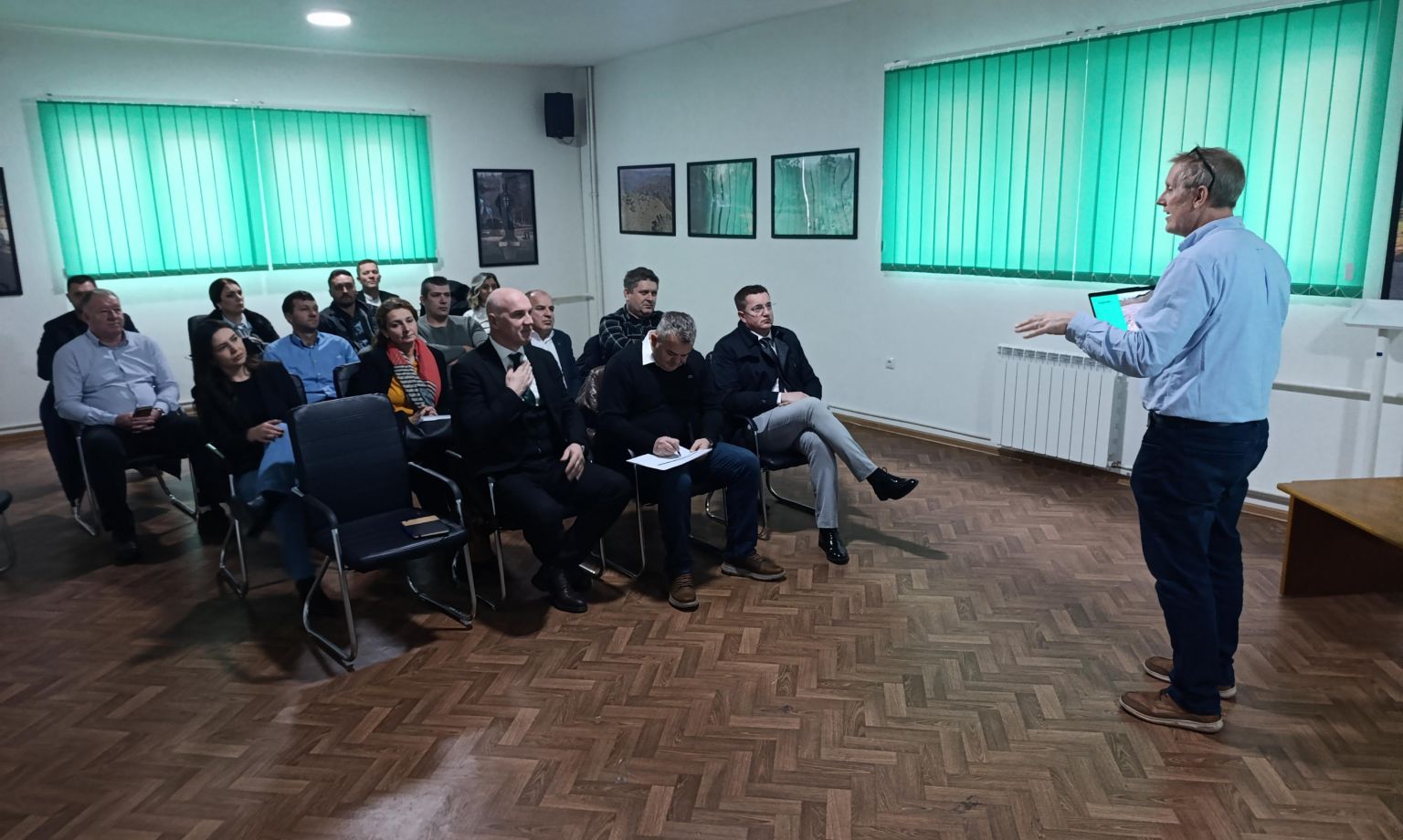
Building the foundation for sustainable waste management in Bosnia and Herzegovina
Sustainable waste management is one of the priority areas in the BiH SuTra project. On 16 December, representatives from municipalities and cities gathered in Banovići for a dedicated workshop about waste composition. This event marked an important step towards developing a harmonised and practical approach for analysing household waste in BiH.
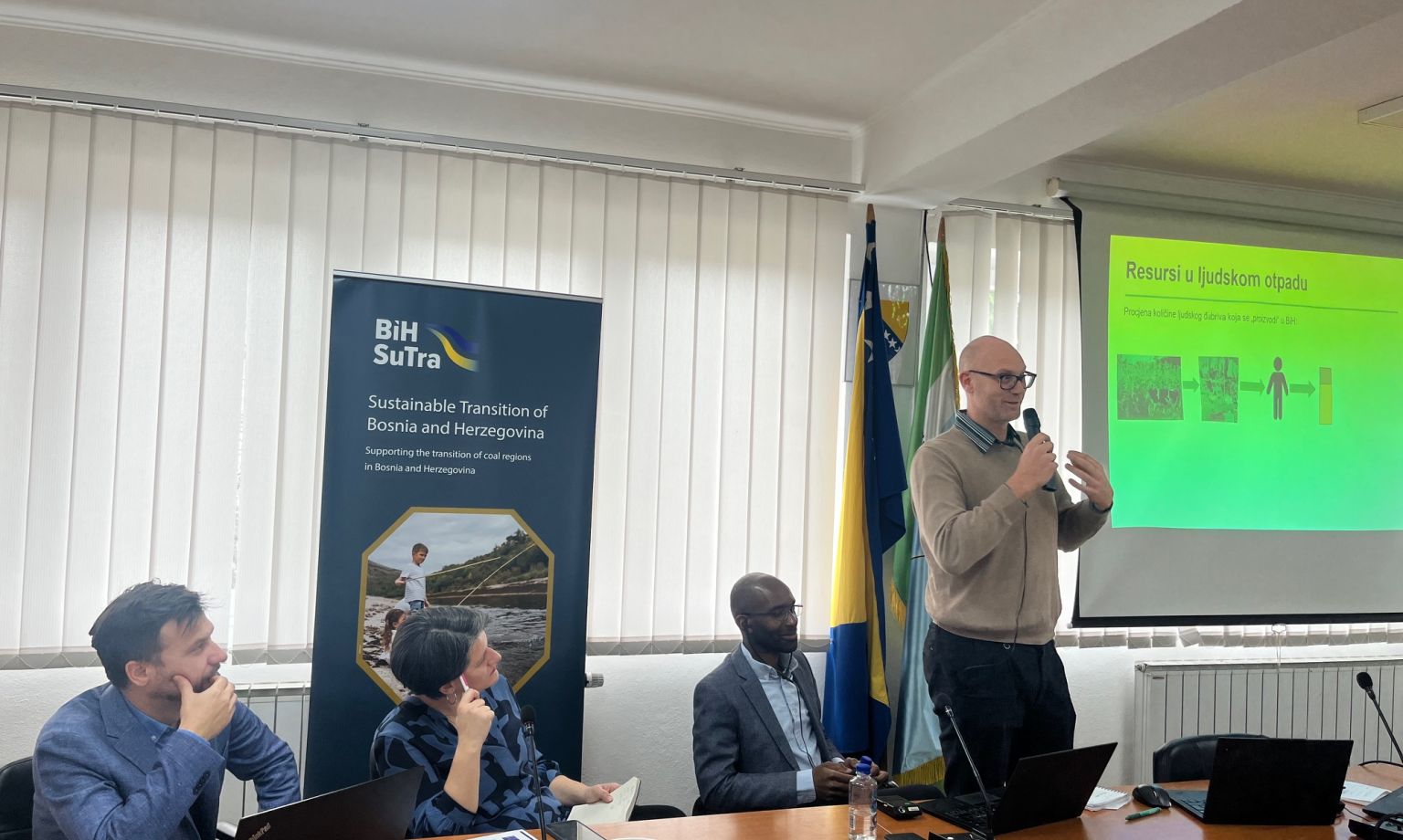
Building the future of wastewater management in BiH: Lessons from Sweden
Representatives of local self-government units involved in the BiH SuTra project gathered in Breza on 2 December 2025 for the workshop “Enhancing Wastewater Management within Municipal and City Sustainability Transition Plans – Lessons from Sweden.”

Wastewater reimagined: Building climate-smart & circular systems in BiH
On the 2nd of December 2025 leading Swedish and local expertise convened a workshop in Breza to help municipalities, cities and utilities in Bosnia and Herzegovina accelerate sustainable wastewater management as part of the implementation of their sustainability transition plans.
 Banovici
 Breza
Breza
 Gacko
Gacko
 Gradiška
 Kakanj
 Ugljevik
 Živinice
 Ministarstvo vanjske trgovine i ekonomskih odnosa BiH
 Stockholm Environment Institute
 Sweden