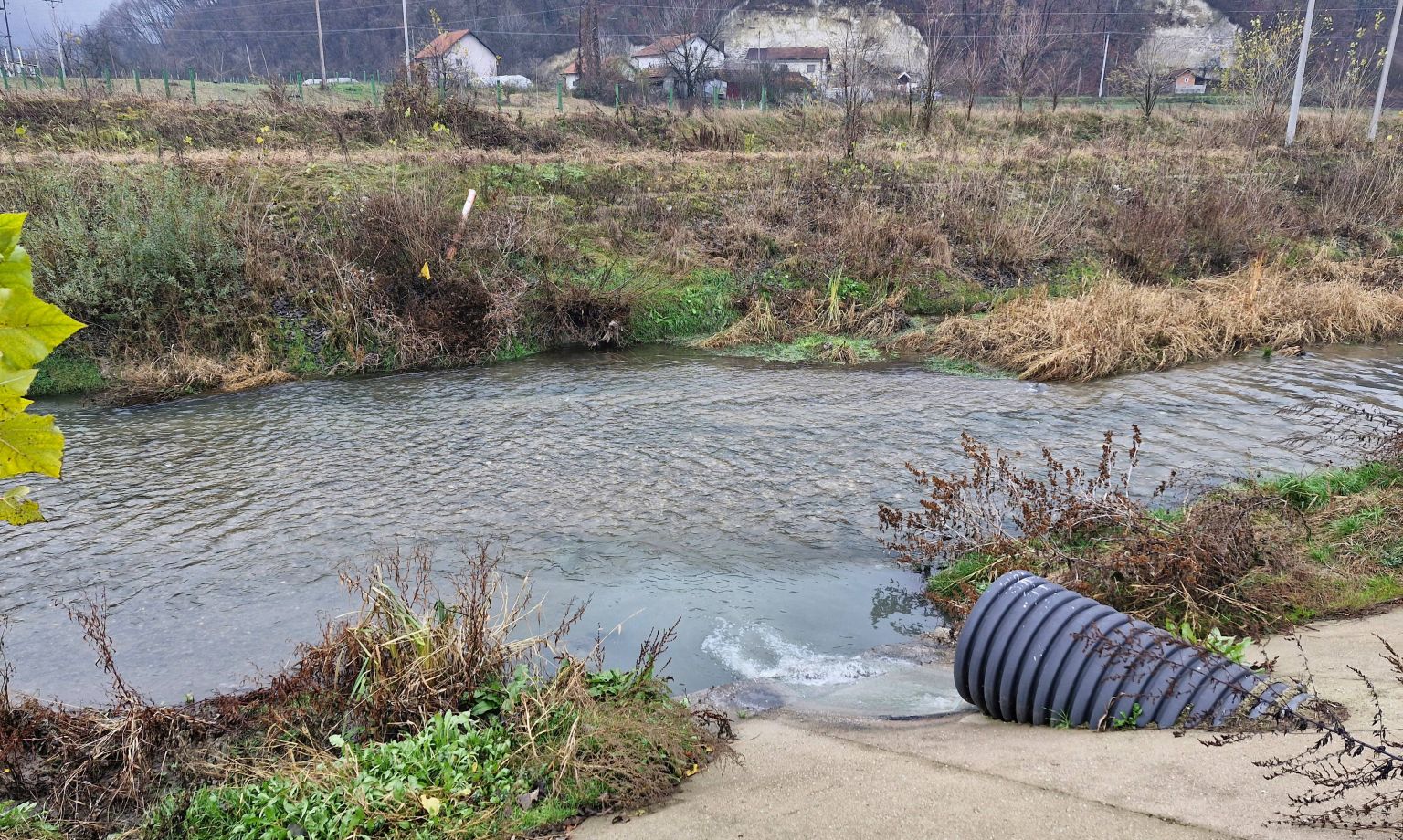
 Photo: Linus Dagerskog/SEI
Photo: Linus Dagerskog/SEI
Photo: Linus Dagerskog/SEI
Sweden’s experience offers relevant insights for Bosnia and Herzegovina on how to make wastewater management more effective and sustainable, including pooling knowledge and technical support, fostering inter-municipal cooperation and aligning services with the scale and needs of different agglomerations.
Bosnia and Herzegovina (BiH) faces major challenges in meeting EU Urban Wastewater Treatment Directive requirements, with estimated investment needs of EUR 3.5 billion, about 15% of its GDP as of 2024, and only 20 wastewater treatment plants currently operating, many below design load and with limited maintenance and sludge management. Building wastewater infrastructure alone will not ensure compliance: long-term sustainability depends on effective organization, financing and operation of services across entities and municipalities.
This report offers insights from Sweden on how BiH might grapple with these issues, given that much of its wastewater infrastructure has yet to be built. At the same time, BiH has a unique opportunity to leapfrog traditional centralized solutions by integrating circular and resource recovery principles from the start, recovering water, nutrients and energy while minimizing long-term environmental and financial costs.
Swedish trade organizations such as Svenskt Vatten and sectoral knowledge platforms such as Avloppsguiden have played a crucial role in building competence, harmonizing standards and supporting both municipal operations and Individual and Appropriate Systems. Organizations and associations in Bosnia and Herzegovina could adapt similar models to strengthen its fragmented institutional landscape.
Inter-municipal and inter-cantonal cooperation can significantly improve cost-effectiveness and strengthen capacity and expertise for wastewater operations. Within the current political framework, promoting such cooperation is a feasible first step.
Developing both centralized and decentralized wastewater solutions, tailored to urban, peri-urban and rural agglomerations, will make investments more efficient and resilient. This includes recognizing the role of Individual Appropriate Systems and developing clear standards and oversight for them.
Authors:
Peter M. Rudberg (GeoViable, Stockholm Environment Institute);
Melina Džajić-Valjevac (Enova Consultants and Engineers);
Daniel Ddiba (Stockholm Environment Institute);
Linus Dagerskog (Stockholm Environment Institute);
Kim Andersson (Stockholm Environment Institute);
Salwa Cherni (Enova Consultants and Engineers)
Discover the News and Updates section, delivering the latest updates and insightful content across various topics. Stay informed with most recent news articles, reports, and publications, of the BiH SuTra project.




 Banovici
 Breza
Breza
 Gacko
Gacko
 Gradiška
 Kakanj
 Ugljevik
 Živinice
 Ministarstvo vanjske trgovine i ekonomskih odnosa BiH
 Stockholm Environment Institute
 Sweden